
A once-in-a-generation date and new designs are quietly coming to the coins you use every day.
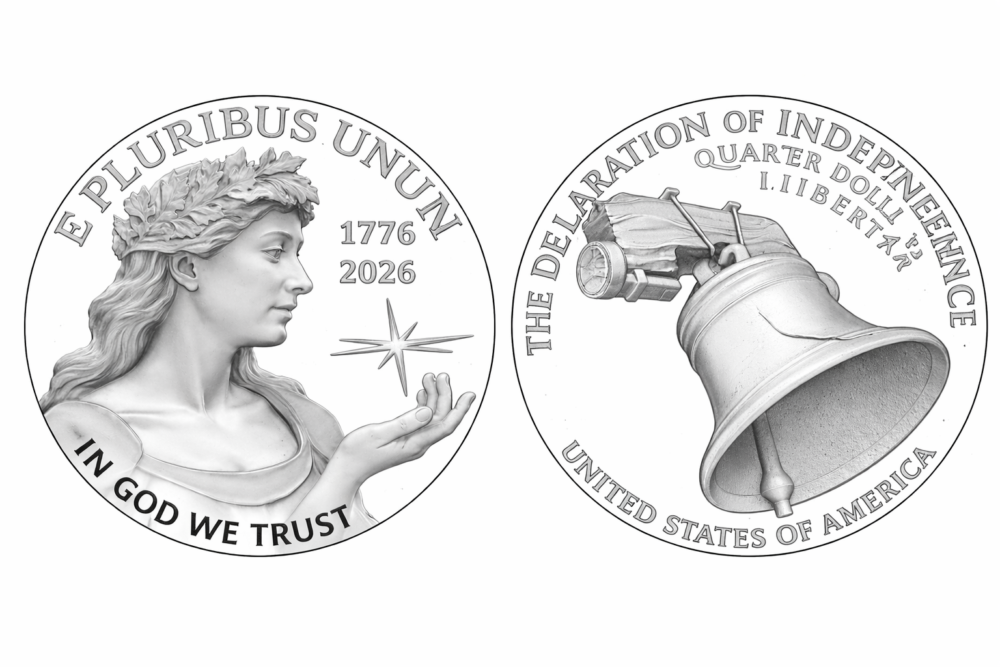
Most people don’t pay much attention to the coins in their pocket. Quarters are background noise—used, spent, forgotten. But in 2026, that everyday change is about to carry a message tied to a once-in-a-generation moment in American history.
To mark 250 years since the nation’s founding, the U.S. is rolling out a special set of quarters with new imagery and an unusual dual date. These coins aren’t collectibles locked away in cases—they’re meant to circulate.
That means millions of people will encounter history by accident. And if you’re not looking closely, you might miss why these quarters are different, and what they’re trying to quietly say.
1. Why 2026 is different from every other mint year
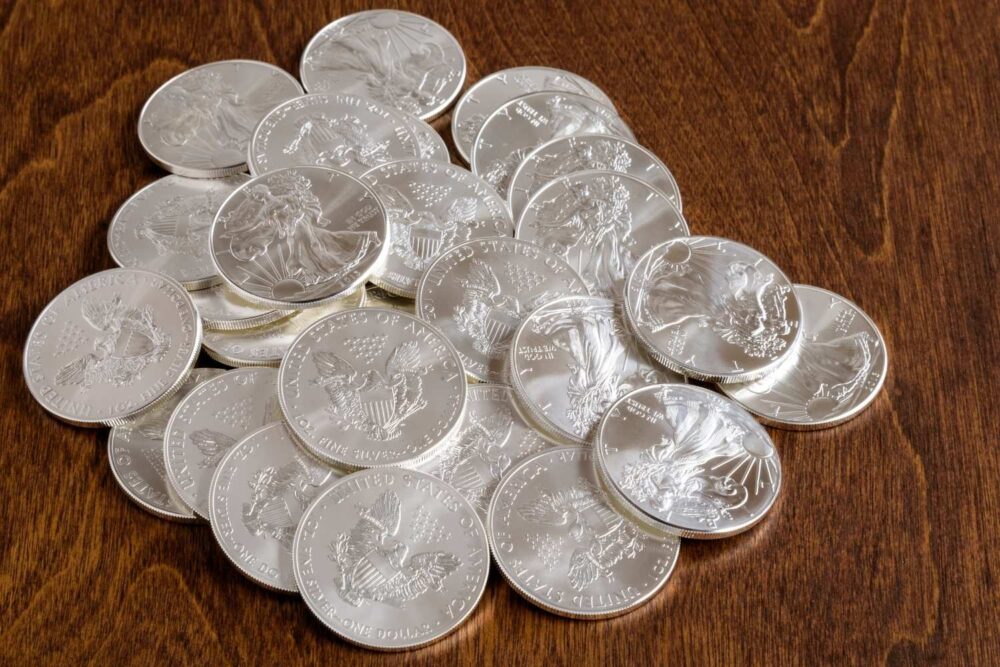
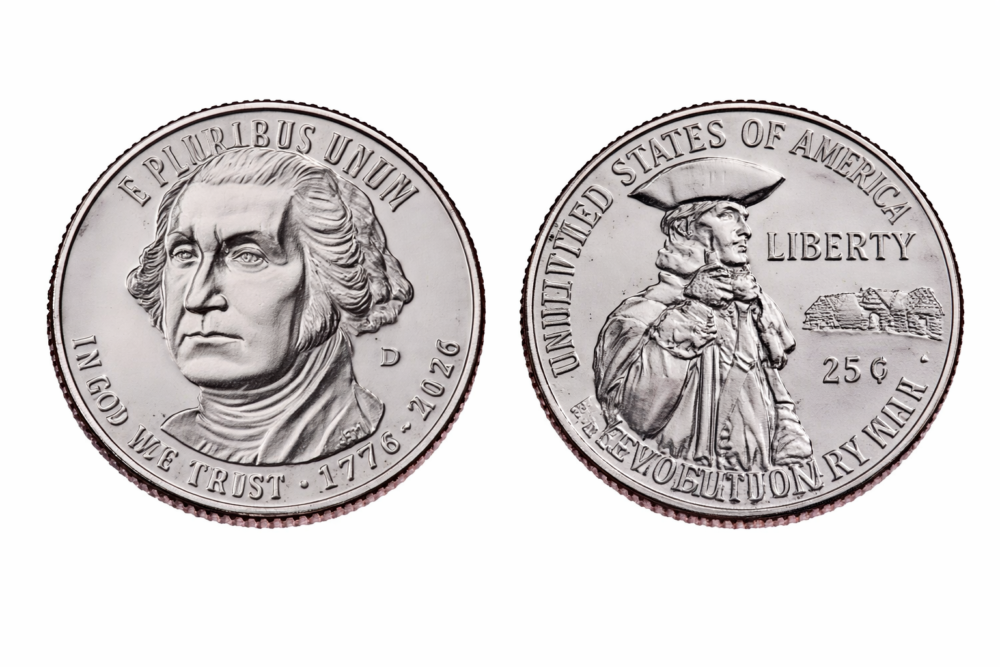
The year 2026 marks the 250th anniversary of the signing of the Declaration of Independence. To reflect that milestone, U.S. quarters minted that year will feature a rare dual date: 1776–2026. That pairing immediately signals that something historic is happening.
Unlike commemorative medals, these quarters are designed for everyday use. They’ll move through stores, parking meters, and tip jars, making history part of ordinary life. That combination of symbolism and circulation is what makes this release unusual—and easy to overlook if you’re not paying attention.
2. The unusual design approach behind the new quarters
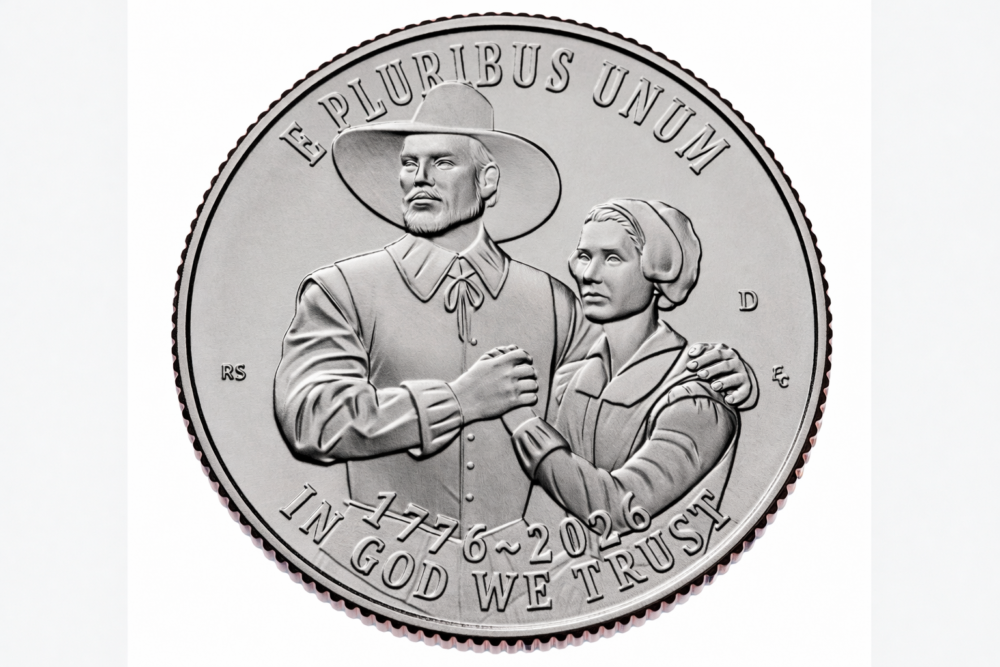
Instead of a single reverse design, the 2026 quarters will feature five different images. Each one highlights a theme tied to America’s founding ideals and early history, rather than a single person or event.
This multi-design approach spreads the story across the year, encouraging people to notice patterns rather than one standout coin. It also mirrors earlier multi-year quarter programs that proved popular with the public. The difference this time is scale: the designs aren’t celebrating regions or parks, but the nation itself at a major anniversary moment.
3. What stays the same on the front of the coin
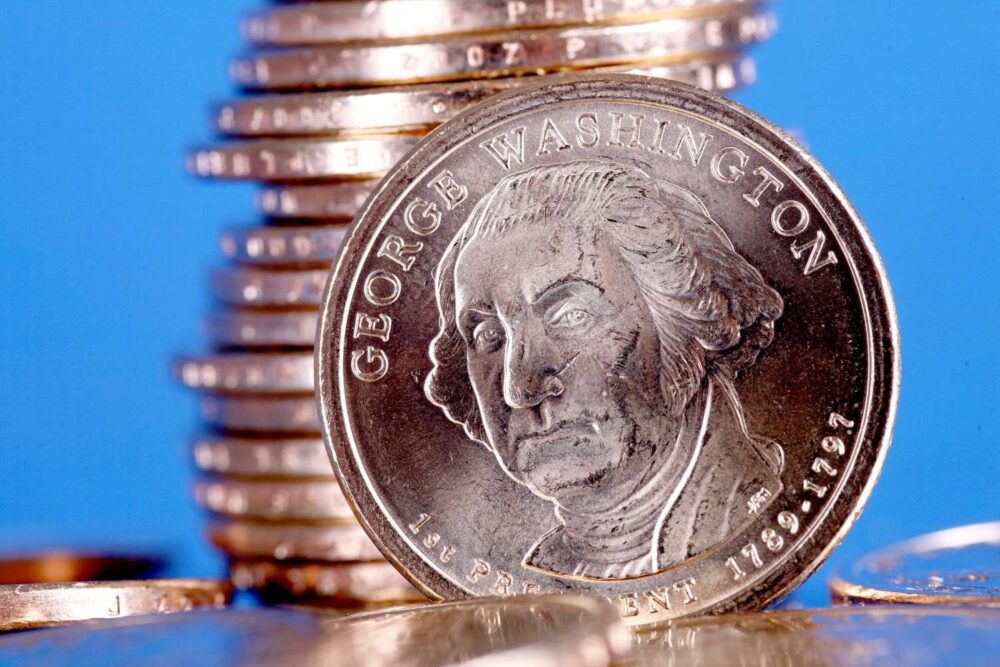
While the backs of the quarters will change, the front will remain familiar. George Washington will still appear on the obverse, maintaining continuity with modern U.S. coinage and avoiding confusion in daily transactions.
Keeping the front consistent helps the coins blend into circulation rather than feel like novelties. That choice is intentional. The goal isn’t to make the quarters feel special at first glance, but to reward people who take a second look—especially when they notice the date looks different from anything they’ve seen before.
4. The meaning behind the 1776–2026 date

Dual-dated coins are rare in U.S. circulation. When they do appear, it’s usually to mark major national milestones. The 1776–2026 date compresses 250 years of history into a single visual cue.
For collectors, that date immediately signals significance. For everyone else, it may spark a moment of curiosity: Why two dates? That small pause is part of the design’s power. It invites reflection without demanding attention, letting history surface naturally in everyday routines.
5. How these quarters differ from past anniversary coins

Previous anniversary coins were often limited-run commemoratives sold directly to collectors. They were carefully packaged, priced above face value, and rarely handled by the public.
The 2026 quarters take the opposite approach. They’re meant to be spent. By placing them into regular circulation, the design reaches far beyond collectors and history buffs. It turns loose change into a subtle storytelling tool, ensuring the anniversary is encountered by people who might never seek out a commemorative coin on their own.
6. Why there are exactly five designs—and what that signals
The choice to use five designs was deliberate. It mirrors earlier quarter programs that proved people are more likely to notice coins when designs change periodically, but not so often that they feel chaotic or gimmicky.
Each design represents a broad idea connected to the nation’s founding rather than a single event or person. That keeps the imagery accessible, even for people who don’t know the details of early American history.
Seen together over time, the five designs act like chapters rather than standalone symbols. You’re unlikely to encounter them all at once, but as they circulate, they quietly build a fuller picture of the values and themes behind the 250th anniversary.
7. What historians want people to notice first
Experts involved in reviewing the designs have emphasized symbolism over detail. The imagery is meant to be readable at a glance, even on a worn coin that’s passed through many hands.
That means bold shapes, clear references, and themes that don’t require specialized knowledge. The goal isn’t to teach a full history lesson, but to prompt recognition. If someone notices a symbol and asks why it’s there, the coin has already done its job.
8. How many of these quarters will actually exist

While exact minting numbers depend on circulation demand, quarters are produced in the hundreds of millions each year. That means the 2026 designs won’t be rare in the traditional sense.
Their value isn’t scarcity—it’s reach. Few commemorative objects ever pass through so many hands. That scale ensures the anniversary message isn’t limited to museums or ceremonies, but embedded in daily life across the country.
9. Will these quarters ever be worth more than face value?

In most cases, circulated examples will remain worth twenty-five cents. However, uncirculated sets and pristine versions often attract collector interest, especially when tied to major anniversaries.
Over time, certain designs may become more desirable than others. Still, the primary purpose isn’t future profit. These coins are designed first as cultural markers, with any collector value emerging later rather than driving the project from the start.
10. Why this release matters beyond coin collecting
Coins are one of the few government-issued objects almost everyone uses. By changing them, even briefly, the country creates a shared moment that cuts across age, income, and region.
That’s what makes the 2026 quarters different from banners or ads. They don’t ask for attention. They simply show up, quietly reminding people that a long arc of history connects past choices to the present moment.
11. What to do if you spot one in your change
If you notice a quarter dated 1776–2026, take a second look at the design on the back. You’re holding a small piece of a nationwide effort to mark a historic milestone.
You can spend it, save it, or pass it along. The point isn’t what you do with the coin—it’s that you noticed it at all. That brief moment of awareness is exactly what these quarters were created to spark.