
Why places once seen as safe are showing early warning signs scientists didn’t expect.
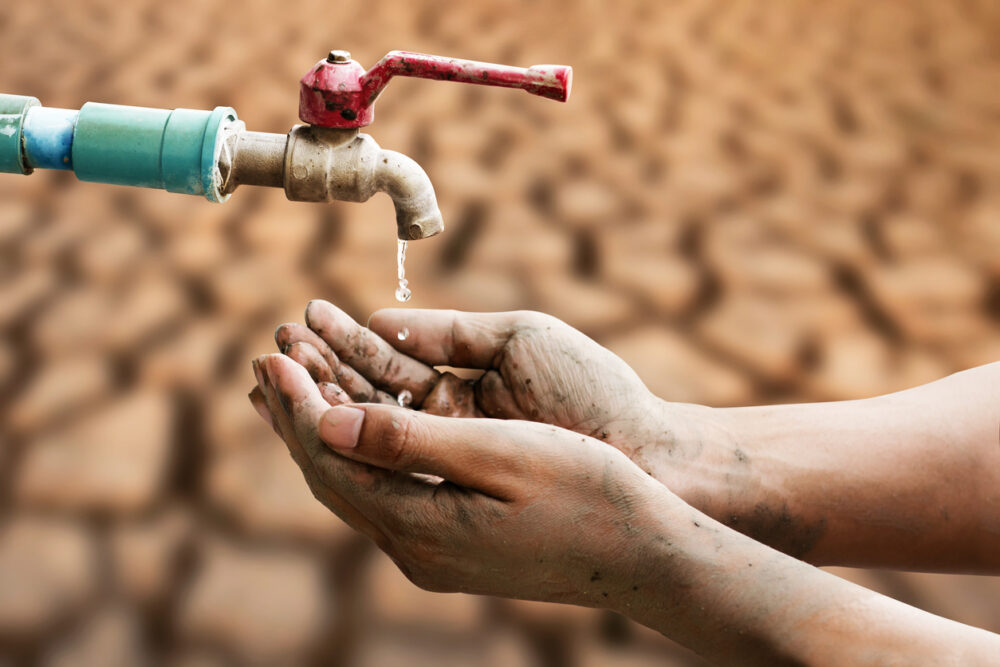
For decades, certain regions were considered climate safe zones. They weren’t on hurricane maps or wildfire watch lists, and extreme weather felt like something happening somewhere else. Stability was part of their identity.
That sense of predictability is starting to crack. Scientists are now seeing unusual patterns in places that historically stayed calm. Heat, flooding, drought, and infrastructure stress are appearing where models once showed low risk.
What’s happening isn’t sudden collapse. It’s gradual pressure building in overlooked regions. And the changes unfolding there are reshaping how climate risk is understood.
1. Stability Was Based on Old Climate Assumptions
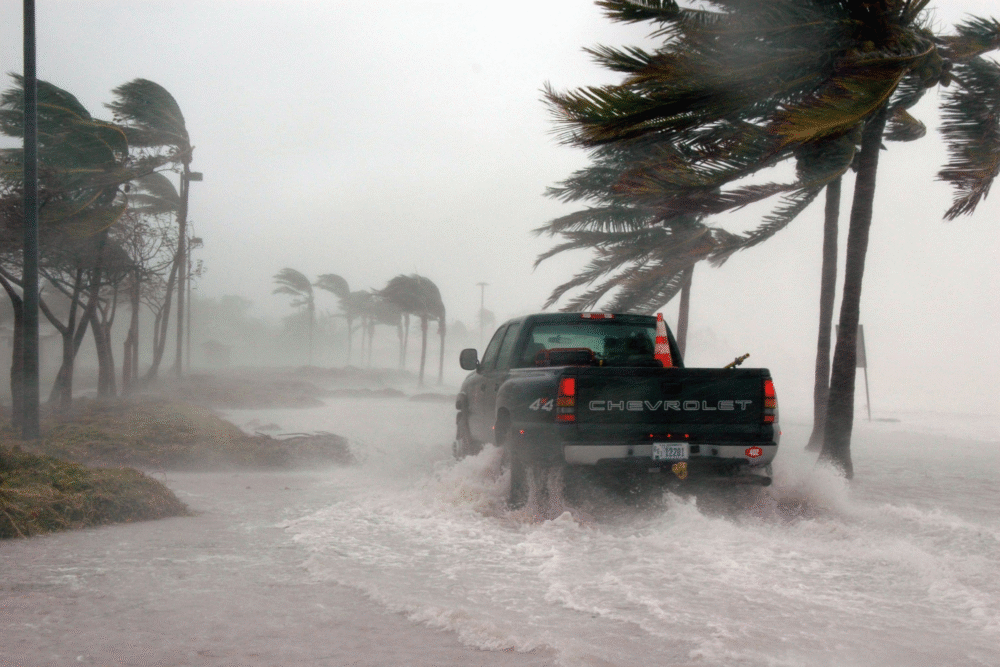
Many regions earned their “stable” label decades ago, based on historical weather patterns. Those assumptions relied on long-term averages that no longer hold in a warming climate. What was predictable in the past is now shifting.
Climate systems don’t change evenly. When baseline temperatures rise, even small variations can push once-mild areas into extremes. Stability wasn’t permanent. It was conditional.
2. Heat Is Rising Where It Wasn’t Supposed To
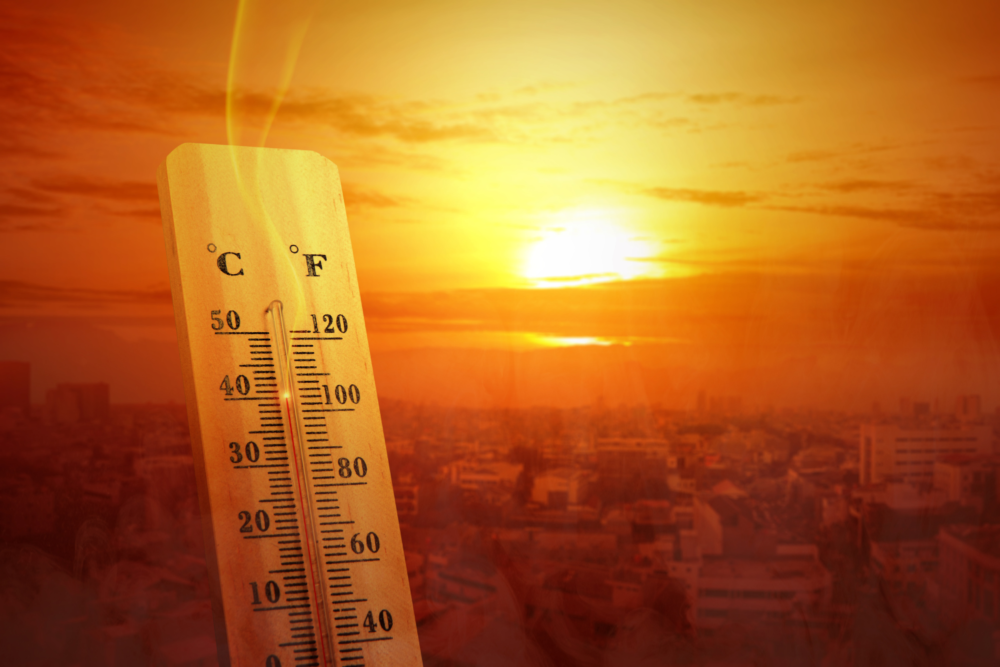
Places known for moderate summers are experiencing longer, hotter heat waves. These regions lack infrastructure designed for prolonged heat, from cooling systems to public health planning.
The danger isn’t just high temperatures. It’s unpreparedness. When heat arrives where it wasn’t expected, its impact can be more disruptive than in regions accustomed to it.
3. Rainfall Patterns Are Becoming Less Predictable
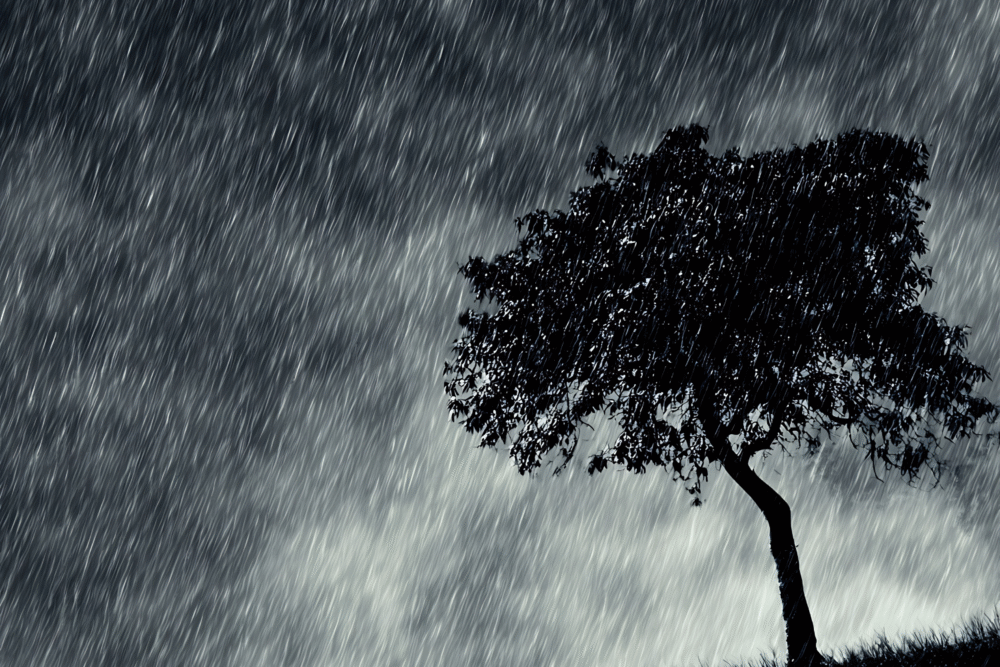
Some stable regions are seeing heavier downpours followed by longer dry spells. Instead of steady seasonal rain, precipitation now arrives in bursts that overwhelm drainage systems.
Flooding in these areas feels shocking because it breaks expectations. Roads, homes, and farms weren’t designed for sudden extremes. The result is damage from weather that once seemed manageable.
4. Drought Is Creeping Into Unexpected Landscapes
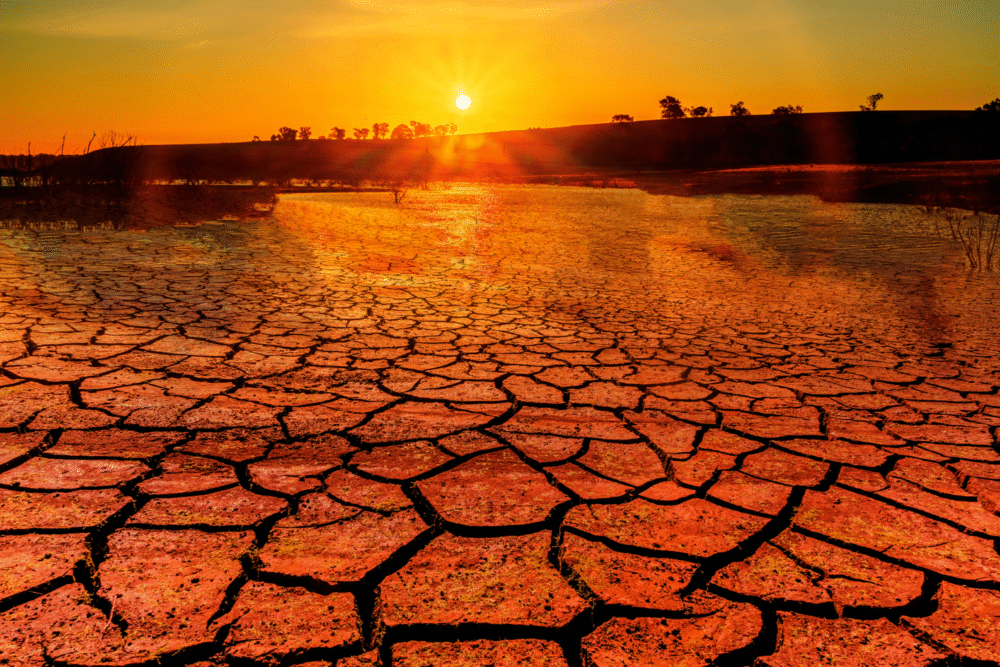
Regions with reliable water supplies are now facing intermittent drought stress. Snowpack declines, changing rainfall timing, and hotter summers reduce available water even without obvious desert conditions.
This slow shift often goes unnoticed until reservoirs drop or crops struggle. Drought here doesn’t look dramatic at first, but its effects accumulate quietly over time.
5. Wildfire Risk Is Expanding Beyond Traditional Zones
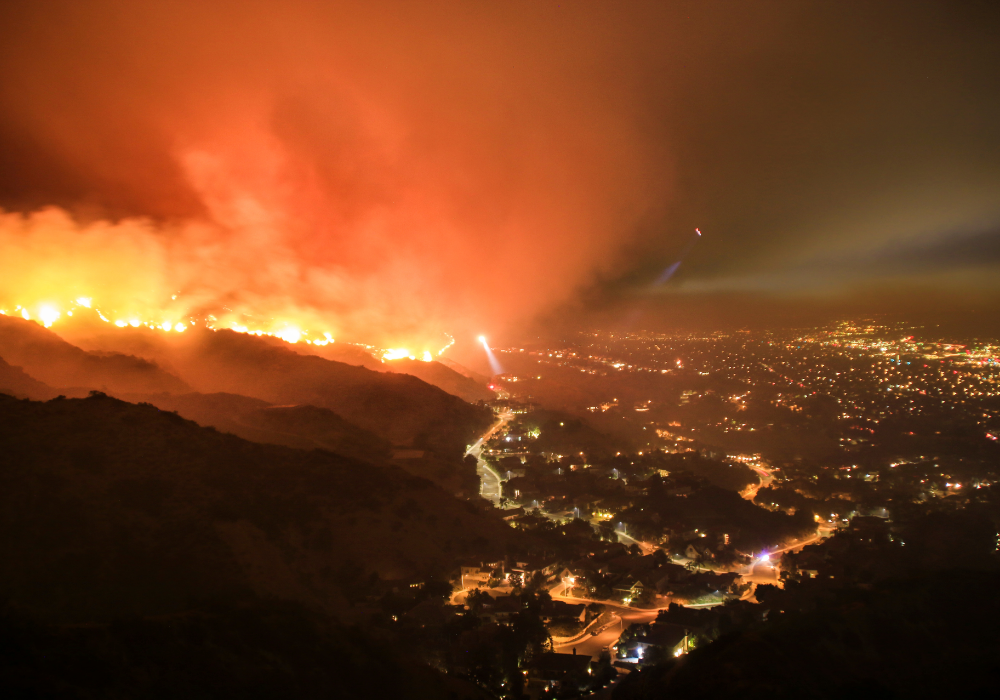
Wildfires are no longer confined to classic fire-prone regions. Warmer temperatures and drier vegetation are increasing fire risk in places with little historical experience managing it.
When fires occur in these areas, response systems are often underdeveloped. The threat feels sudden, but the conditions enabling it have been building for years.
6. Infrastructure Was Built for a Different Climate
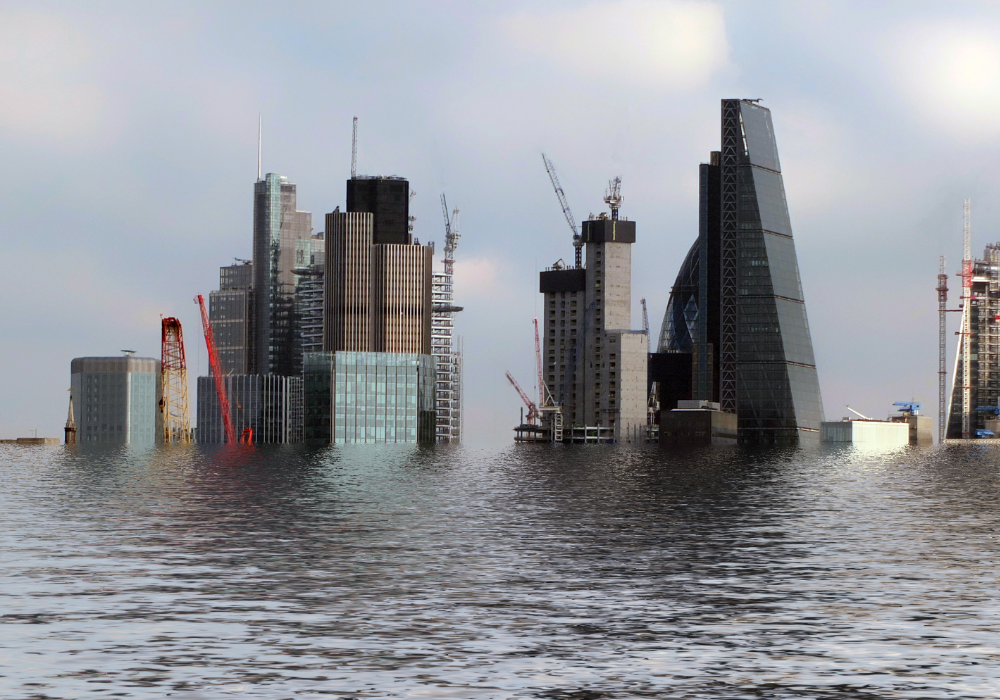
Roads, power grids, and water systems were designed around past climate norms. As conditions change, that infrastructure is being pushed beyond its limits in stable regions.
Heat buckles pavement. Floods overwhelm aging systems. Power outages become more common. These failures aren’t isolated incidents. They reflect designs no longer aligned with reality.
7. Ecosystems Are Sending Early Warning Signals
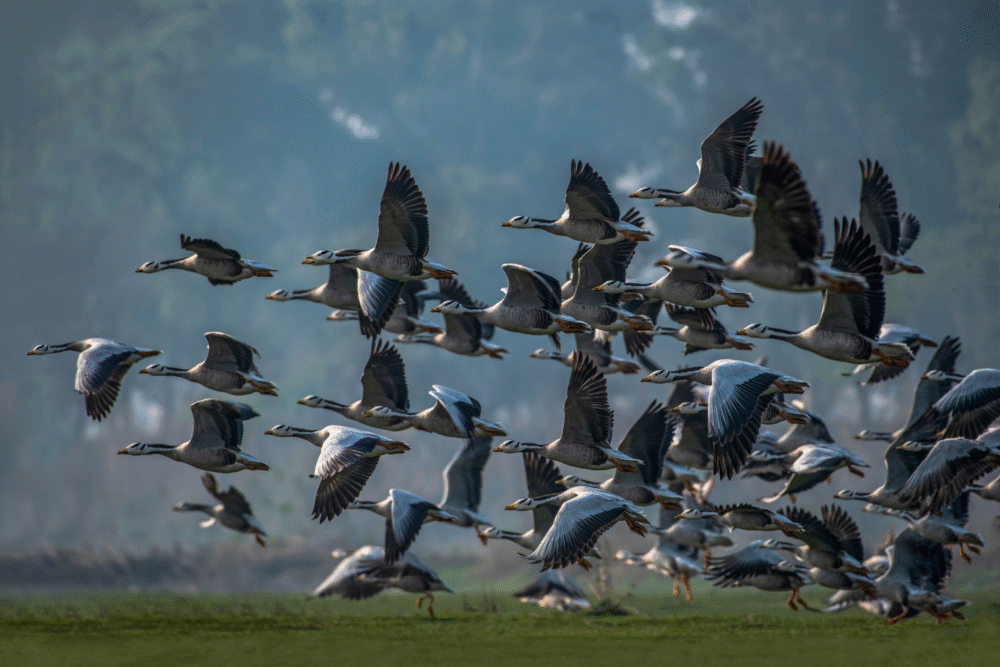
Plants and animals respond quickly to climate stress. Shifts in flowering times, insect populations, and wildlife behavior are appearing in regions once considered balanced.
These biological changes often come before human impacts are obvious. When ecosystems struggle, it’s a sign that environmental thresholds are being crossed, even if people haven’t felt it yet.
8. Insurance Markets Are Noticing the Shift

Rising insurance costs and coverage changes are appearing in places that rarely faced climate risk before. Companies track loss patterns closely, and their adjustments reflect growing concern.
When premiums rise or coverage shrinks, it signals financial recognition of risk. Stable regions are starting to look less predictable on actuarial maps.
9. Extreme Events Are Becoming Clusters, Not Anomalies
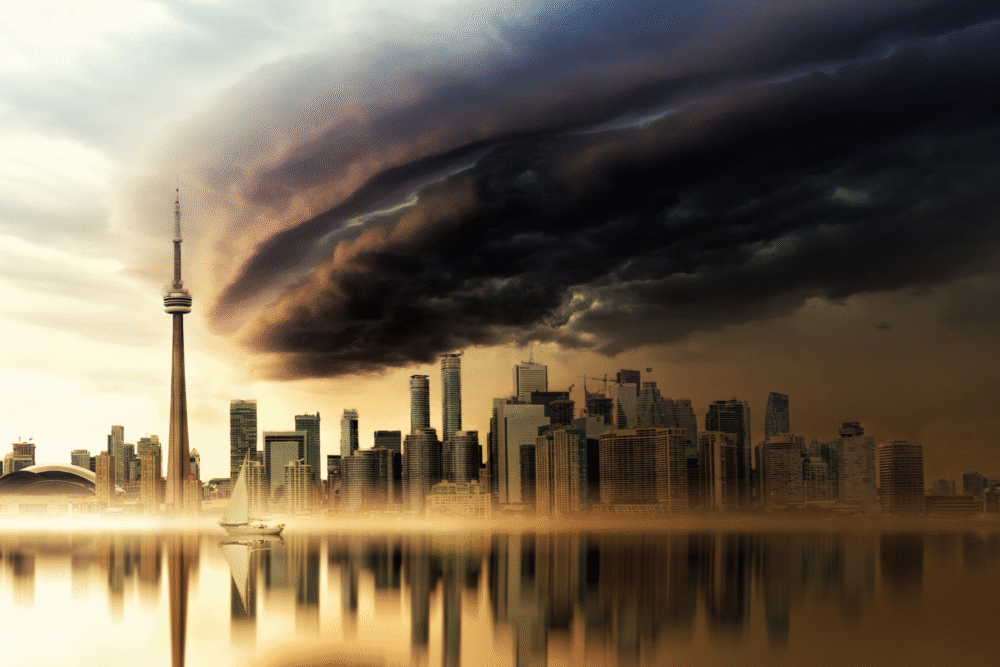
One unusual storm used to be dismissed as a fluke. Now stable regions are seeing clusters of extreme events close together, leaving little recovery time in between.
This compounding effect increases damage and stress. It’s not just intensity that matters, but frequency. Repeated strain turns manageable events into long-term challenges.
10. Public Awareness Lags Behind Reality
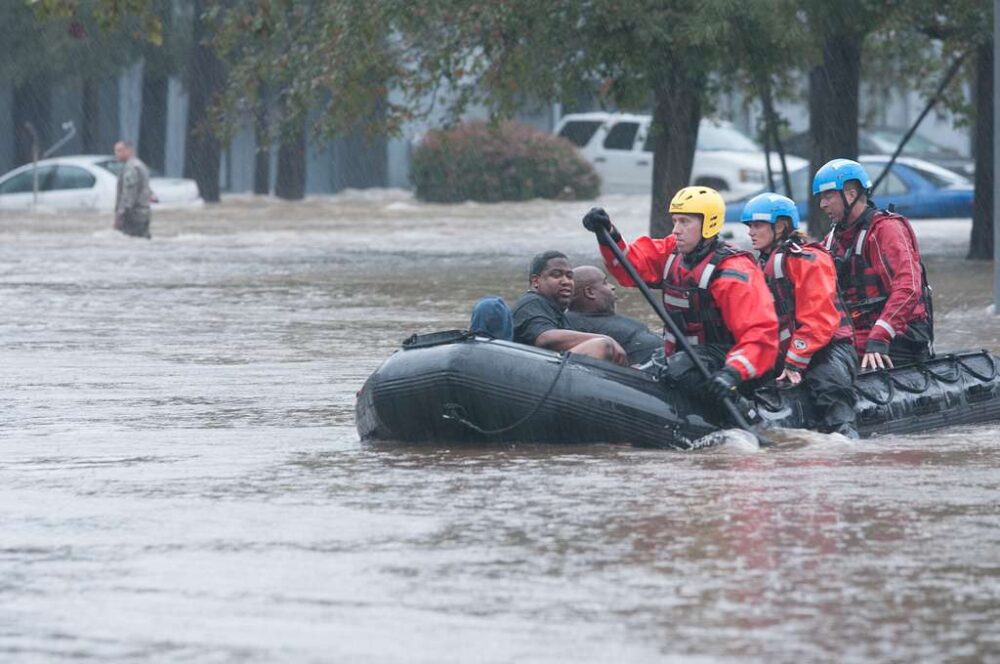
People in stable regions often underestimate their exposure to climate risk. Without visible history, preparation feels unnecessary or alarmist.
This gap delays adaptation. By the time impacts become undeniable, catching up becomes harder. Awareness is emerging, but often after damage has already occurred.
11. Planning Is Struggling to Keep Pace

Local governments rely on outdated data and slow policy cycles. Updating zoning, emergency planning, and building codes takes time many regions no longer have.
Climate frontlines are shifting faster than governance structures. That mismatch leaves communities vulnerable even as warning signs become clearer.
12. Why These Changes Matter Beyond Local Impact
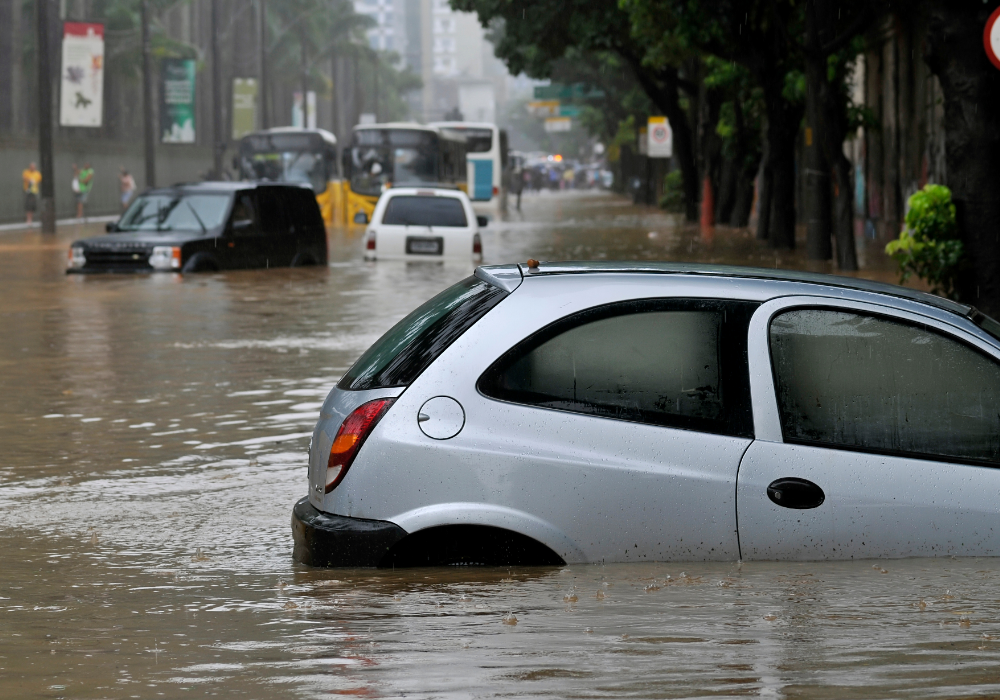
When stable regions destabilize, it reshapes migration, economies, and national resilience. Pressure doesn’t stay local. It spreads through food systems, housing markets, and infrastructure networks.
These regions were buffers. As they weaken, overall climate risk increases. What’s happening now is redefining where the frontlines really are.