
Cooling trends in certain regions are revealing how complex Earth’s climate system really is.
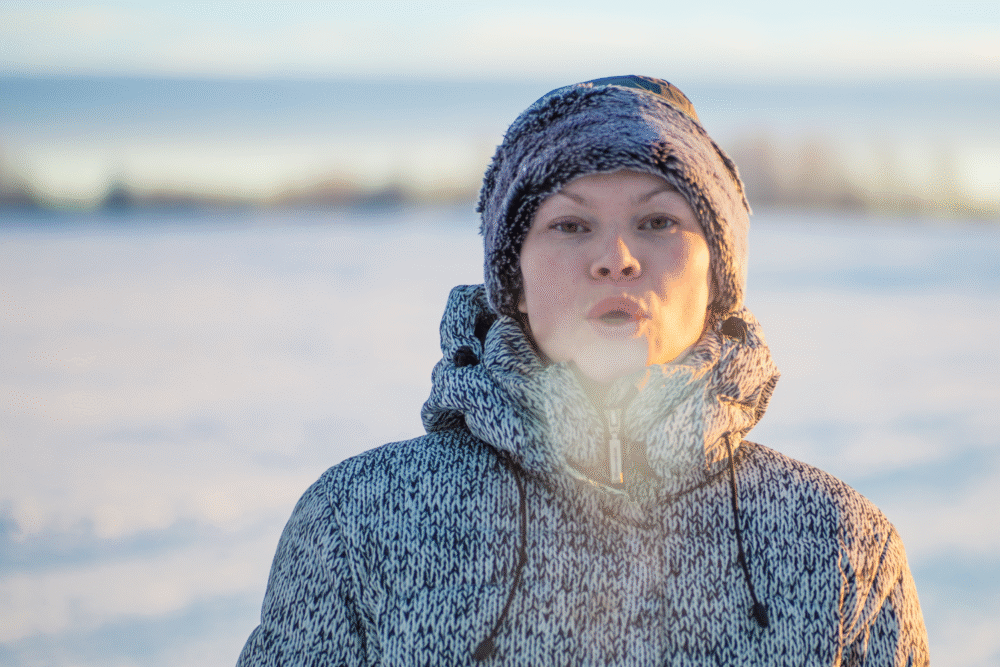
Most people hear about global warming and picture temperatures rising everywhere at once. But climate doesn’t work that neatly. While the planet as a whole is warming, some regions are actually experiencing cooler conditions, at least for now.
These pockets of cooling can feel confusing, especially when they’re used to question climate science. In reality, they help scientists better understand how oceans, air currents, ice, and land interact.
Looking at where cooling is happening—and why—shows how global warming can create very different local outcomes.
1. Global warming doesn’t mean uniform warming everywhere
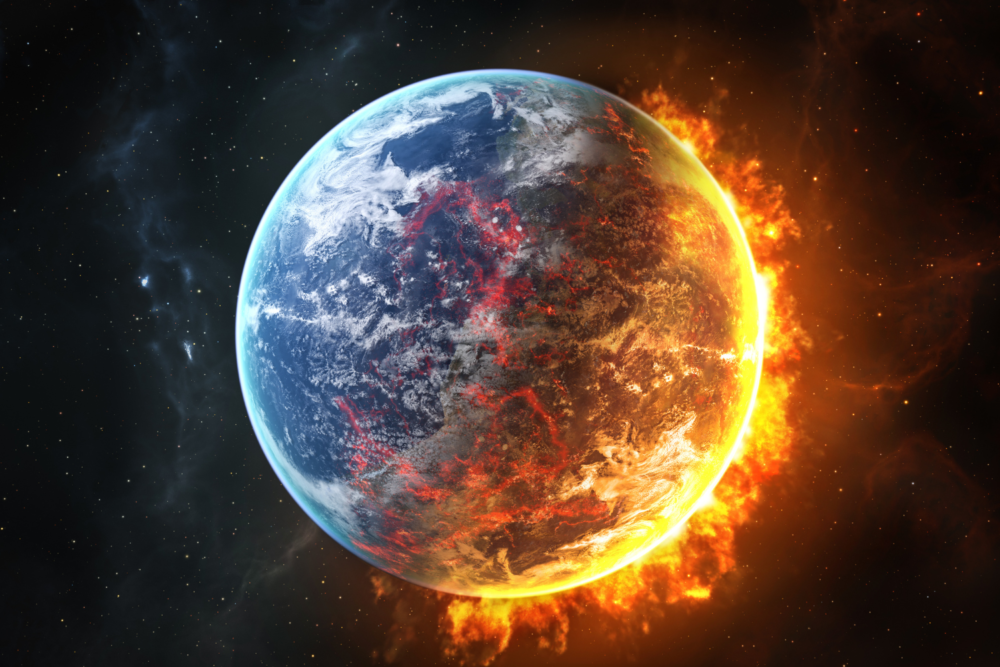
When scientists talk about global warming, they’re referring to average temperatures across the entire planet. That average can rise even if some regions cool temporarily or seasonally.
Climate is shaped by many moving parts. Shifts in wind patterns, ocean currents, and cloud cover can cause certain places to cool, even while the overall energy in the climate system increases.
2. Ocean currents move heat around the planet

The oceans act like giant conveyor belts, moving warm and cold water across the globe. Changes in these currents can redirect heat away from certain regions.
When warm water shifts elsewhere, nearby land areas may cool. This doesn’t stop global warming, but it does change where the warmth shows up at the surface.
3. Melting ice can temporarily cool surrounding areas
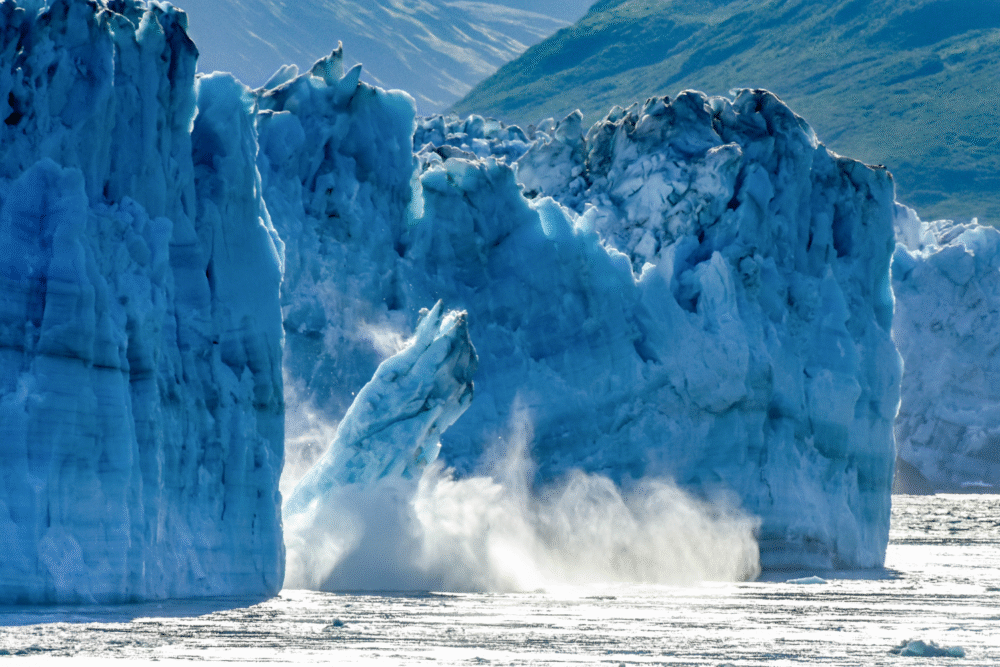
As ice melts, it releases cold freshwater into the ocean. That freshwater can lower local temperatures and alter nearby circulation patterns.
In some regions, this cooling effect can persist for years or decades. It’s a short-term response layered on top of a long-term warming trend.
4. Increased cloud cover can reflect more sunlight
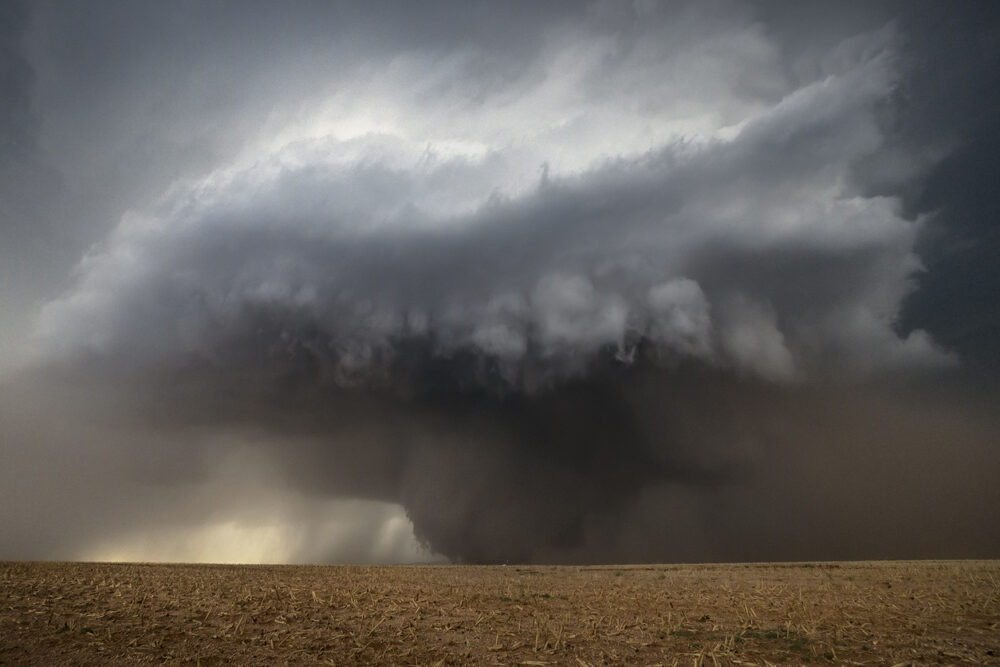
Warmer air can hold more moisture, leading to changes in cloud formation. In certain areas, thicker or more frequent clouds block sunlight from reaching the ground.
That reduced sunlight can keep temperatures lower during parts of the year. The same warming forces that heat the planet can indirectly cool specific regions.
5. Shifts in wind patterns can trap cooler air
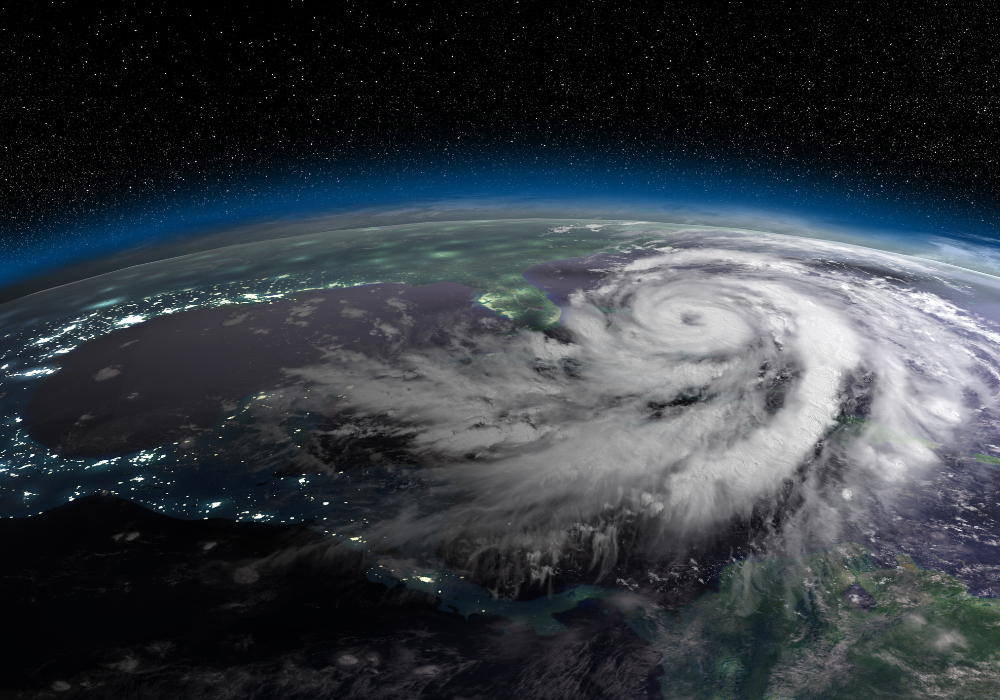
Climate change is altering major wind systems around the globe. These shifts can pull cooler air into regions that previously stayed warmer.
When wind patterns stall or reroute, cooler conditions can linger. The result feels local, but the cause is tied to global atmospheric changes.
6. Snow and ice reflect heat back into space
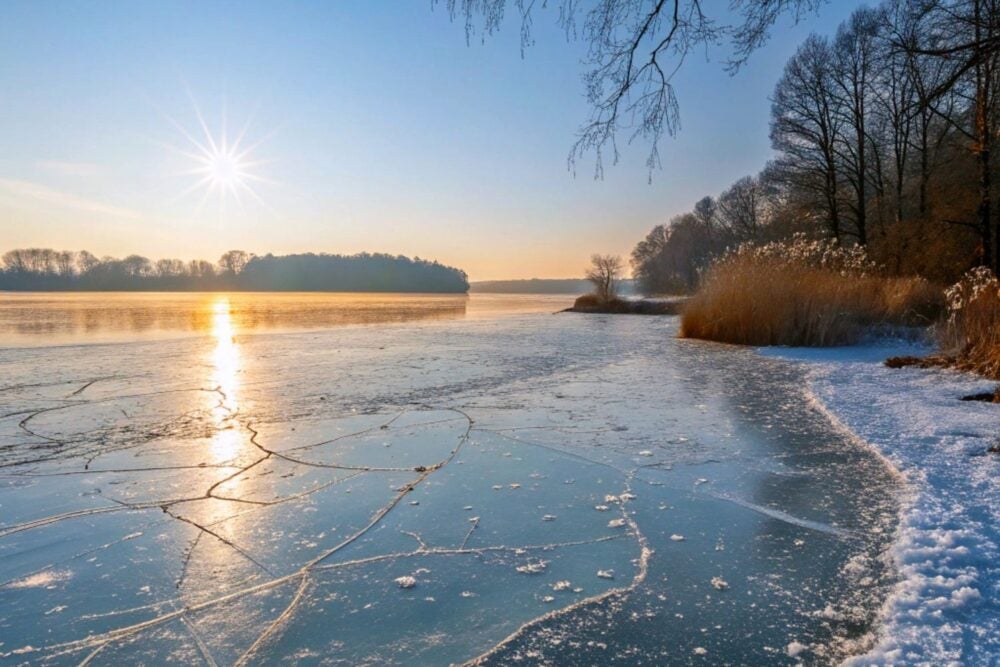
Snow-covered surfaces act like mirrors, reflecting sunlight instead of absorbing it. In places where snowfall increases, temperatures can remain lower.
This reflective effect, known as albedo, can temporarily counteract warming. Over time, though, continued warming often reduces snow and ice coverage.
7. Volcanic activity can cause short-term cooling

Large volcanic eruptions send particles into the atmosphere that block sunlight. These particles can cool parts of the planet for several years.
This type of cooling is temporary and natural. It doesn’t reverse climate change, but it can mask warming in certain regions for a time.
8. Land use changes affect local temperatures
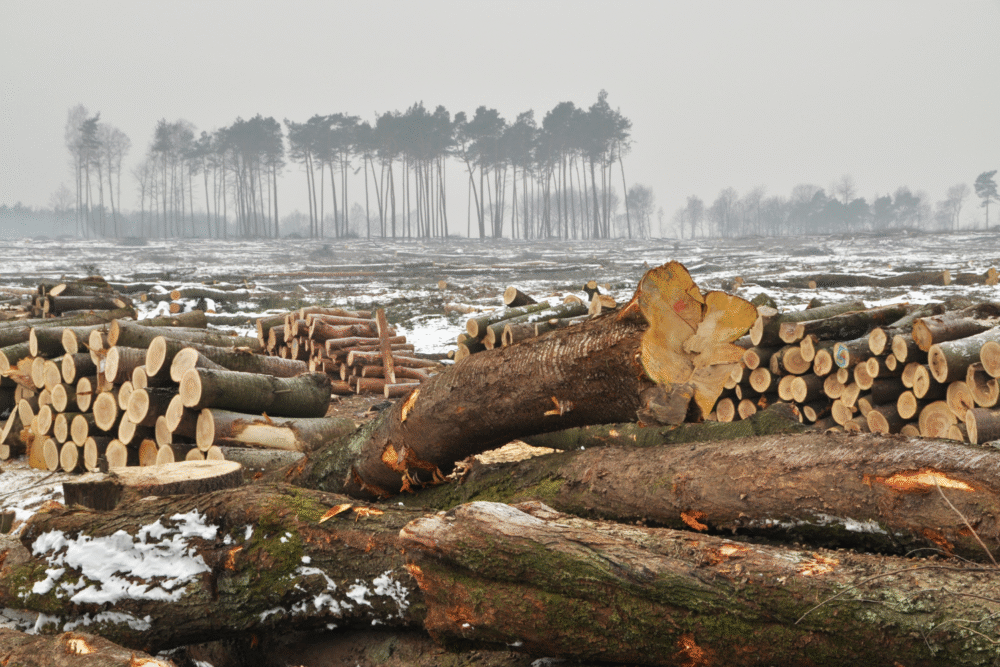
Deforestation, irrigation, and urban development all influence how land absorbs and releases heat. Some changes can actually cool nearby areas.
For example, irrigation increases evaporation, which can lower surface temperatures. These effects are regional, even though climate change is global.
9. Cooling trends are often seasonal or temporary

Many cooling areas don’t stay cool year-round. They may experience cooler summers, colder winters, or shifting seasons instead of constant cooling.
When scientists zoom out over longer periods, warming trends usually reappear. Short-term cooling doesn’t cancel long-term climate patterns.
10. Cooling regions help scientists test climate models
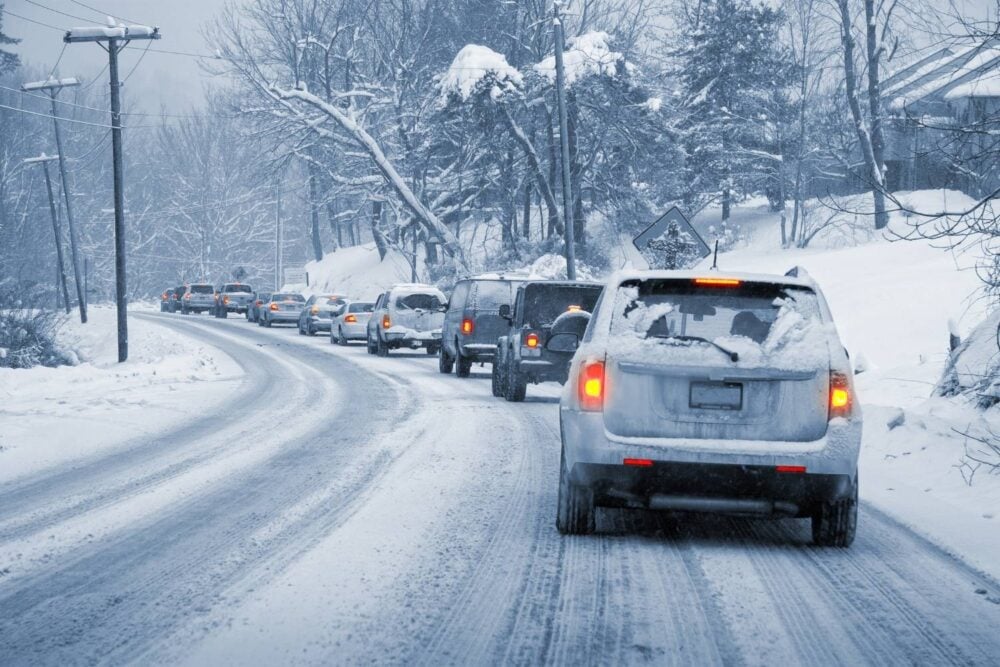
Unexpected cooling forces researchers to refine their models and assumptions. These regional differences improve understanding rather than weaken it.
The goal of climate science isn’t to predict identical outcomes everywhere. It’s to understand how a warming planet produces varied and sometimes surprising local effects.
11. Local cooling doesn’t contradict global warming
It’s tempting to see cooler temperatures as evidence against climate change. In reality, they’re part of how a complex system responds to added heat.
A warming planet reshuffles energy in uneven ways. Some places heat faster, others slower, and a few cool briefly before warming again.