
City rules targeting Uber and Lyft are reshaping how people access affordable transportation options
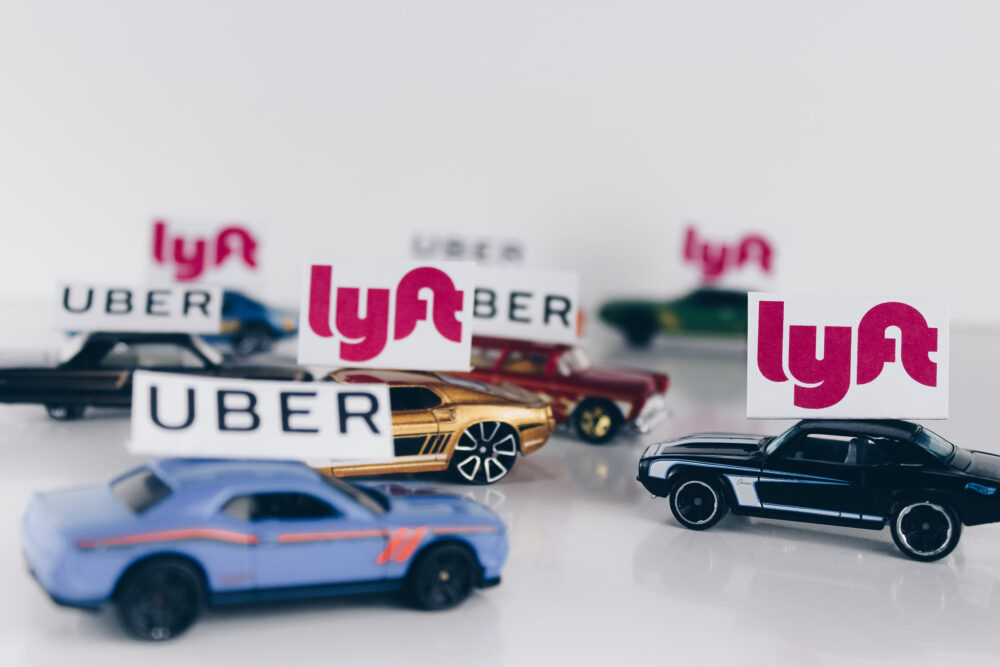
Rideshare services like Uber and Lyft have transformed urban transportation, but not without raising complex policy questions. In response, many cities are introducing new regulations to manage traffic, protect workers, and prioritize public transit. These changes can limit vehicle numbers, adjust fare structures, or restrict pickup zones, directly affecting how—and whether—riders can use these apps. Understanding why these rules exist helps consumers navigate shifting local regulations with fewer surprises and better choices.
1. Concerns about traffic congestion increase regulations on rideshare services.

Cities with dense traffic have seen Uber and Lyft vehicles add to congestion, especially during peak hours when streets already crawl. App-based rides often circle between fares, contributing to unnecessary volume and slower emergency response times in tight zones like rush hour downtown hubs.
To ease gridlock, some city councils cap the number of rideshare vehicles allowed in certain districts. In San Francisco’s Financial District, for example, restrictions aim to keep intersections clear and sidewalks safe from overflow. Reduced fleet presence can mean longer wait times and higher fares in these regulated zones.
2. Limits aim to reduce air pollution from high-volume ride pickups.

Rideshare cars make frequent trips with limited passengers, increasing emissions per mile—especially in short trips where engines idle more often. As a result, cities aiming to meet environmental benchmarks now see fleets like Uber and Lyft as contributors to urban air pollution.
Through traffic caps and extra fees for pickups at busy transit centers, local governments hope to steer riders toward shared or electric options. A city like Denver, for instance, might introduce low-emission zones where only hybrid or EV rideshare cars qualify, encouraging cleaner operations without halting service completely.
3. City policies prioritize public transit over private app-based rides.
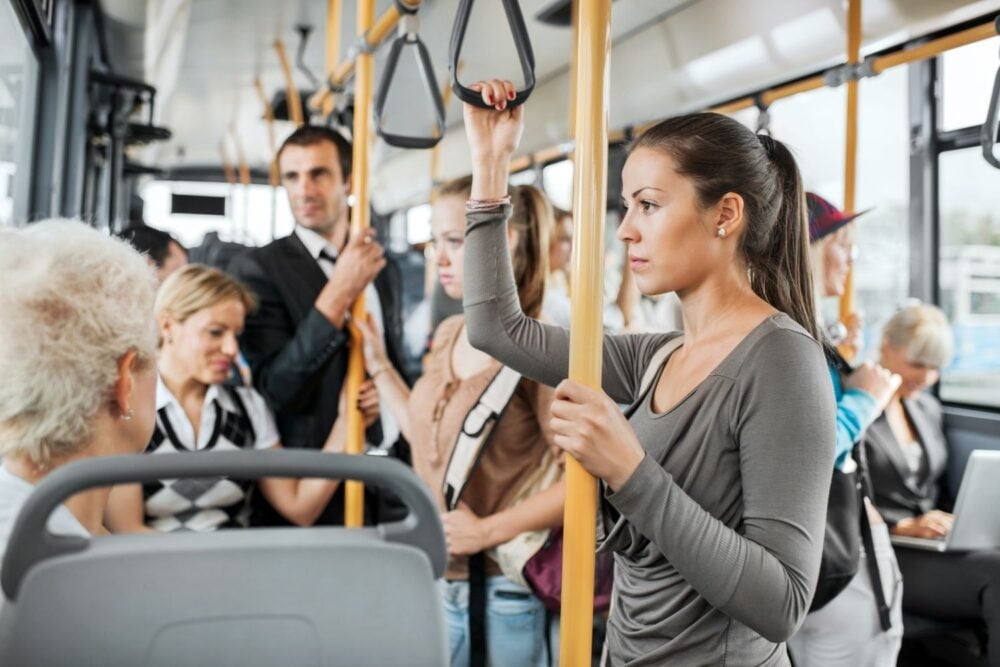
Some municipalities focus on strengthening public transit systems by limiting private ride options. When app-based services pull riders away from buses and subways, overall transit funding can shrink as ridership declines and operating costs climb.
To offset that diversion, certain cities impose geofenced restrictions or pricing surcharges in areas well-served by mass transit. A commuter might find their rideshare home from a train hub costs more than usual—not due to surge pricing, but because policy favors a return trip on the subway.
4. Demand for safer pedestrian areas drives new transportation rules.
Wide sidewalks and slower traffic benefit pedestrians, but rideshare pickups near crosswalks or intersections can create hazards. Cars idling or double-parking force walkers into traffic and block sight lines for drivers, increasing collision risk.
In response, cities may relocate pickup zones away from crowded shopping streets or popular bar areas. A rerouted curb stop might add a short walk, but also keeps a plaza clear for strollers, wheelchairs, and outdoor seating—balancing convenience with street-level safety.
5. Licensing rules change to level the playing field for taxis.
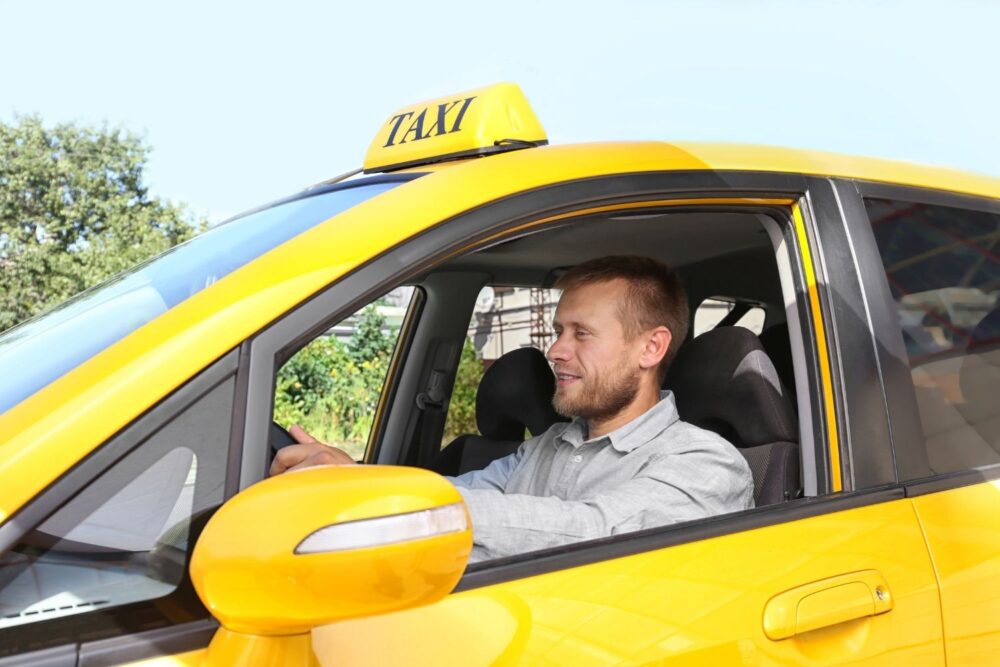
Taxis often follow strict licensing processes involving fees, inspections, and service quotas. When rideshare companies bypass those hurdles but compete for the same fares, regulators see an uneven playing field where traditional cab drivers face a market disadvantage.
Some cities now require Uber and Lyft drivers to hold special permits or complete local background checks. Boston, for instance, mandates annual re-certifications, aiming to align standards across both sectors without completely merging them under one label.
6. Zoning laws restrict pickups in crowded urban neighborhoods.

In crowded downtown areas, pickup and drop-off points draw clusters of rideshare vehicles into narrow zones. That street-level congestion affects traffic flow, pedestrian access, and emergency vehicle mobility—especially near stadiums, theaters, or transit terminals.
Zoning rules can prohibit app-based pickups in certain zones or redirect them to designated lots. At major sports arenas, for example, a short shuttle walk may now replace curbside pickup to prevent post-game gridlock from overlapping with local traffic needs.
7. Driver wage protections influence limits on rideshare activity.
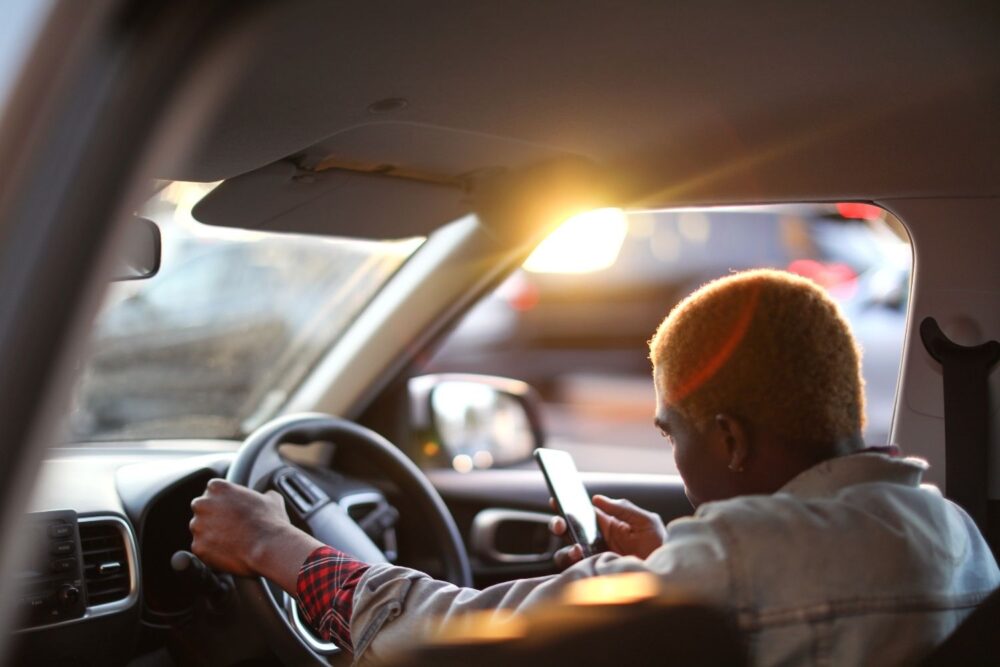
Citywide driver quotas or ride caps often stem from wage protection efforts. As more drivers join platforms without demand keeping pace, per-hour earnings drop. Gig workers then log longer hours to earn the same income—raising safety risks and workplace fatigue.
To stabilize working conditions, some regions limit the number of licensed rideshare drivers or set minimum pay floors. In New York City, this approach reduced excess drivers while keeping pay per minute higher, though it also reduced car availability at off-peak hours.
8. Local governments seek greater control over transportation data sharing.

Tech companies collect huge volumes of trip data—from routes and timing to pickup locations. That information shapes how transportation systems evolve, yet it often remains private unless cities negotiate for access.
Demanding shared data helps planners analyze traffic patterns and improve intersections, bus routes, or signal timing. Some towns now tie permit renewals to data reporting, pairing fleet compliance with greater visibility into how these rides affect local systems in real time.
9. Measures address over-saturation of drivers in small metro areas.
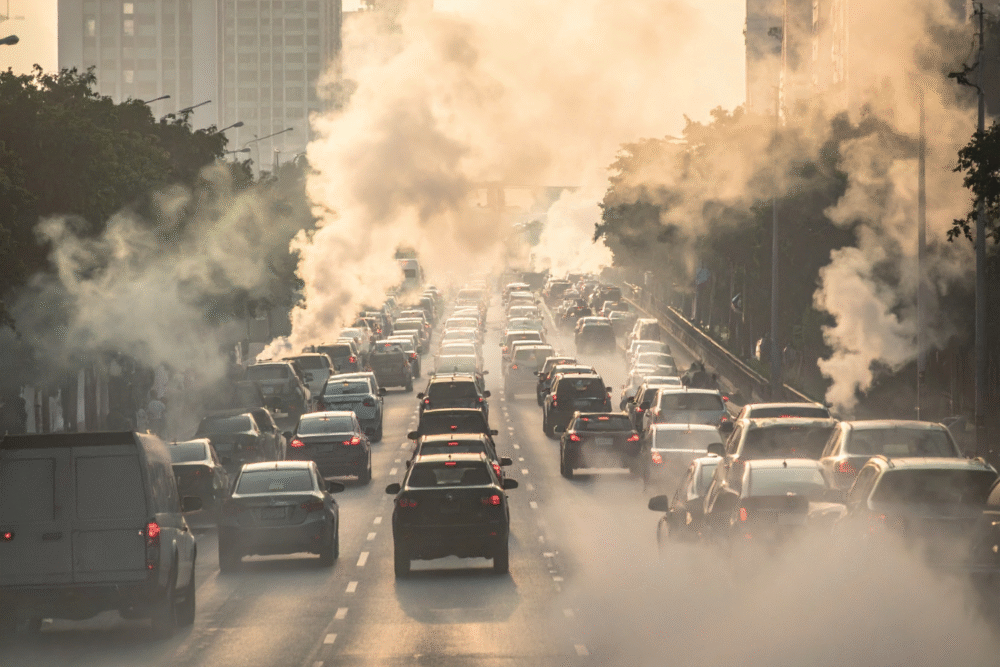
When driver numbers spike in small metros, supply can far exceed demand. With too many cars idling between rides, cities face added noise, emissions, and declining job quality for each operator.
To prevent such overflow, local ordinances may limit active driver permits or restrict operating zones by hour. Riders in a mid-sized city like Boise may see fewer cars available midday—not from app glitches, but because regulations aim for a balance between flexibility and city scale.
10. Accessibility concerns prompt reforms in driver training and coverage.
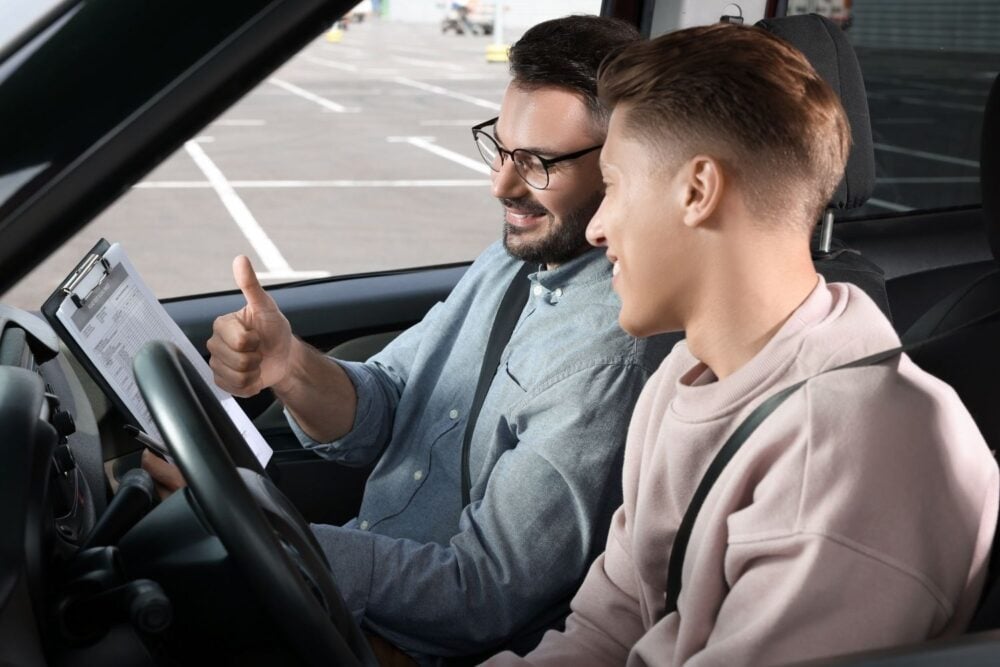
Some cities now require rideshare companies to meet baseline standards for accessibility. That includes mandating wheelchair-compatible vehicles, service for blind passengers, or drivers trained in inclusive communication practices.©Image license via Canva
Absent those guidelines, vulnerable groups may face long waits or receive no service at all. Regulations introduce consequences—like fines or operating restrictions—if platforms fail to serve all riders equally. While changes may take time, they push the industry toward universal coverage models increasingly common in public transit.
11. Nighttime curfews respond to complaints about neighborhood disruption.
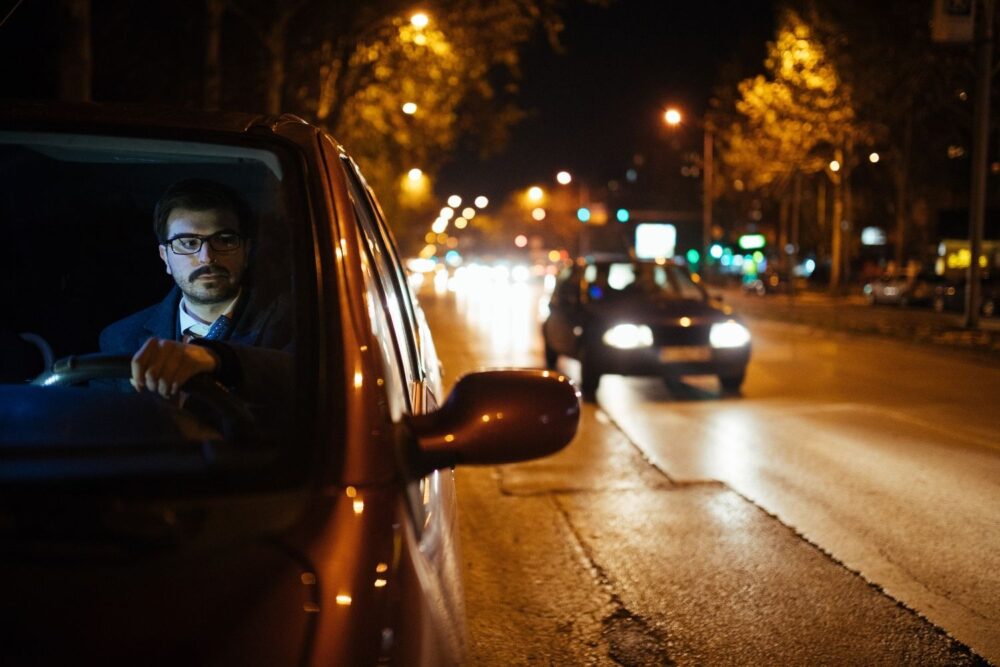
Late-night rideshare activity can draw complaints about noise, disorder, or blocked driveways—especially in historically quiet neighborhoods. When reports stack up, city councils may explore curfews to limit pickups during certain hours.
Regulations often target specific areas, like nightlife corridors or residential streets bordering clubs. An app might deny a 2 a.m. request in a restricted zone, not due to car scarcity but because noise ordinances or safety concerns temporarily override usual access rules.