
New research shows heat can release chemicals from plastic directly into your food.
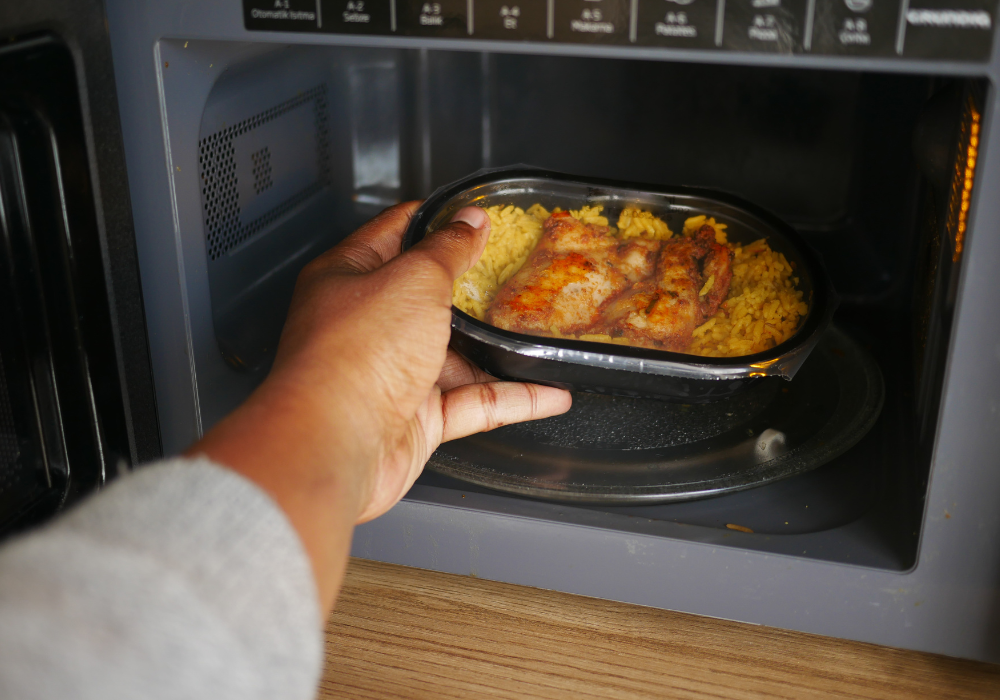
Most people don’t think twice before sliding a plastic container into the microwave. It feels harmless, routine, and built into modern life, especially when the container says it’s made for the job. That habit has been around for decades, largely because plastic promised speed and convenience at a time when few people questioned what heat might do to it.
Recently, however, scientists have started taking a closer look at that everyday ritual. Research compiled by groups such as the Food Packaging Forum and other peer-reviewed studies has examined how plastic food packaging behaves under real kitchen conditions, including microwaving.
Their findings suggest that heat can increase the movement of chemicals from plastic into food, prompting researchers to rethink assumptions about safety and long-term exposure.
1. Microwaving plastic became normal before it was fully studied
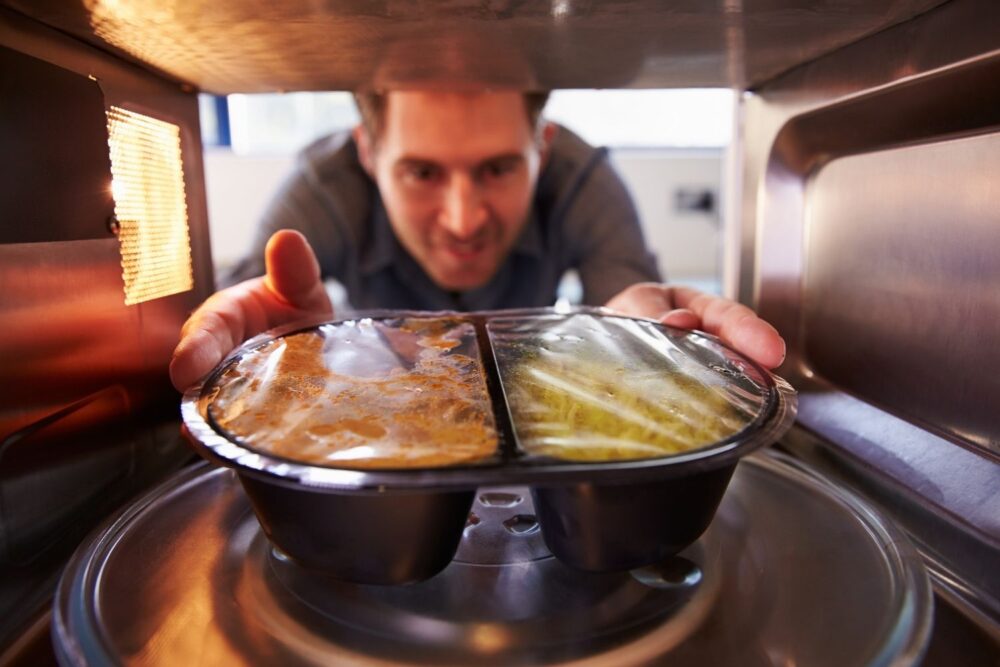
Plastic food containers entered kitchens during a period when speed and convenience mattered more than long-term exposure questions. Microwaves were promoted as safe household staples, and plastic was engineered to match that promise of ease and durability.
Only later did scientists begin examining how repeated heating affects plastic chemistry. By then, the habit was already embedded in daily life, making the science feel like it arrived after the routine was set.
2. Heat changes how plastic behaves at the molecular level
Plastic does not remain chemically static when heated. Microwaves raise temperatures unevenly, which can loosen molecular bonds and increase the movement of small chemical components inside the container.
As those bonds relax, compounds can migrate toward the surface. When food is present, especially during repeated heating, that movement raises the chance that chemicals transfer from plastic into what you eat.
3. Food chemistry plays a role in chemical transfer
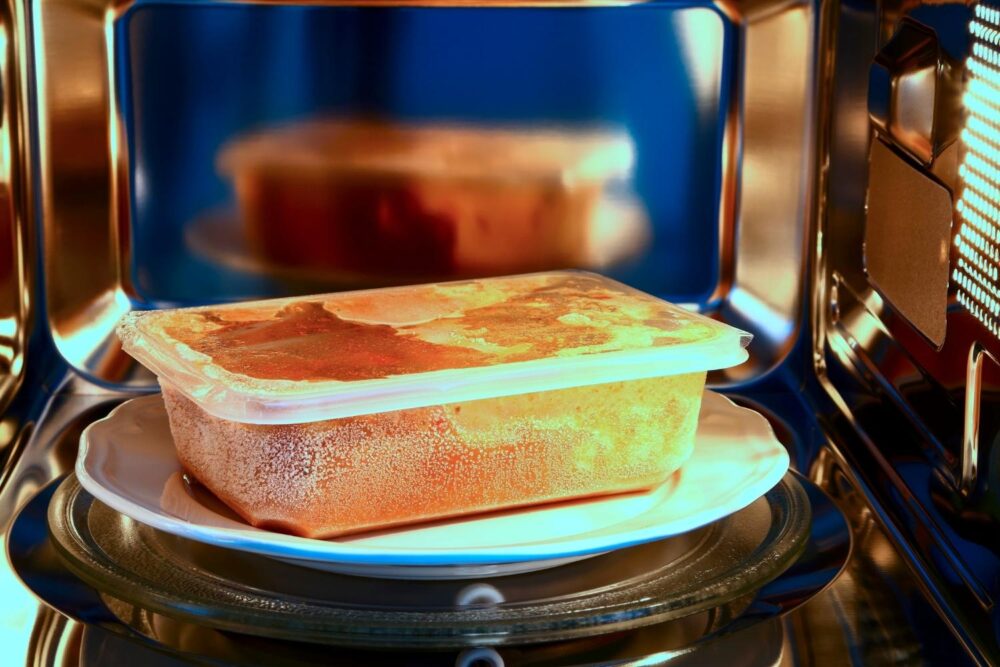
Not all foods interact with plastic in the same way. Fatty, oily, or acidic foods are especially effective at drawing chemicals from plastic surfaces during heating.
When these foods are microwaved, the transfer process can accelerate. That means everyday meals like leftovers, soups, or takeout dishes may absorb more plastic-related compounds than dry or cold foods would.
4. “Microwave-safe” does not mean chemical-free
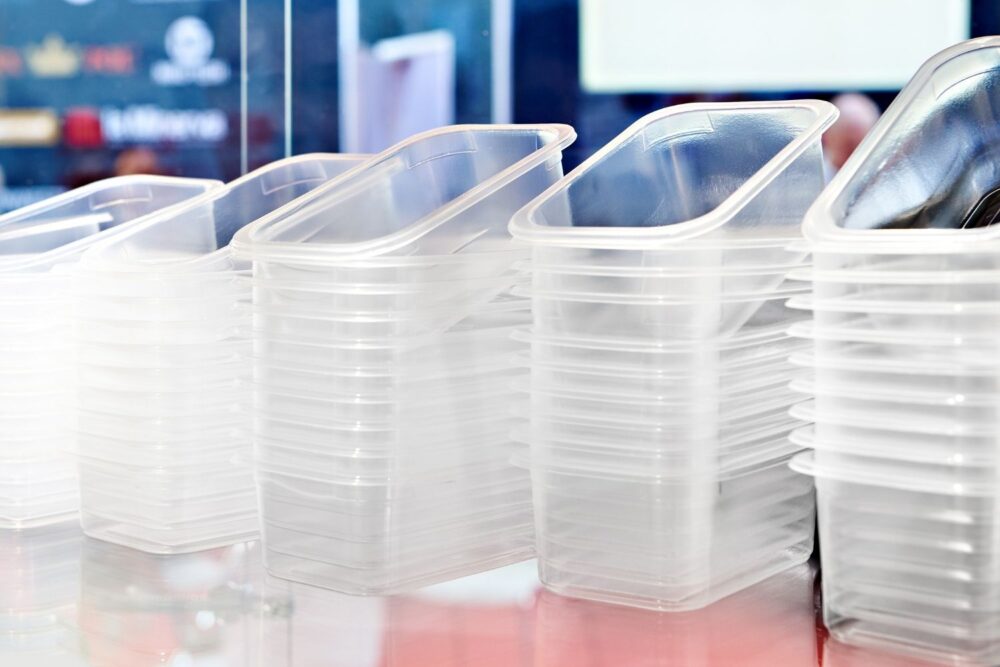
The phrase “microwave-safe” is often misunderstood. In most cases, it simply means the container will not melt, warp, or spark under heat.
It does not guarantee that chemicals will stay locked inside the plastic. Many containers can remain physically intact while still releasing microscopic compounds, a distinction that is rarely made clear to consumers.
5. Small exposures can quietly add up over time
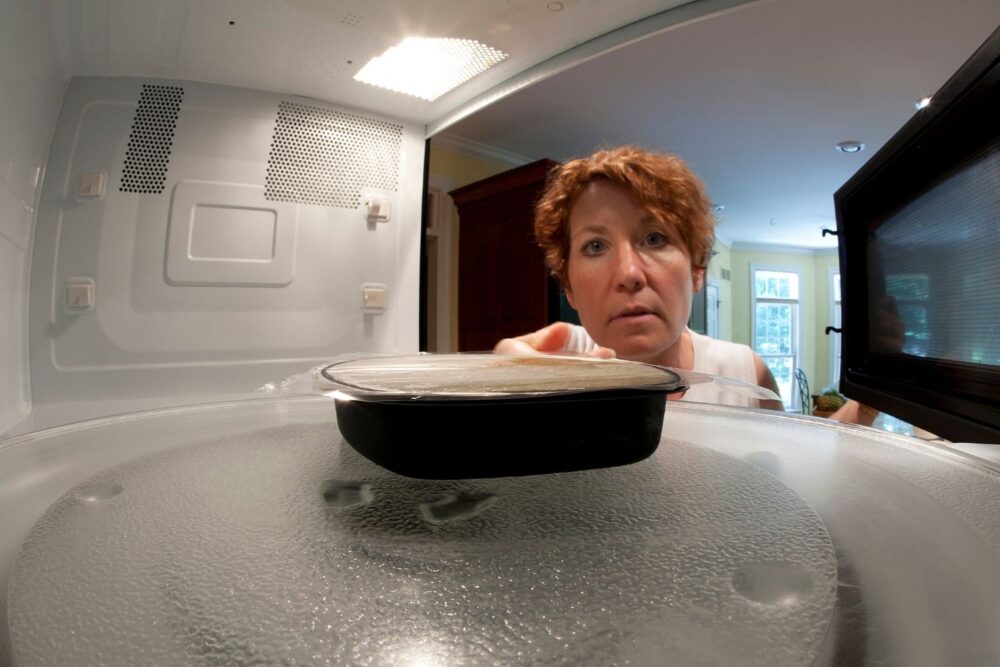
Heating food in plastic once is unlikely to cause noticeable harm, which is why the habit has long gone unquestioned. Scientists are more concerned with what happens when microwaving plastic becomes a routine practiced daily, sometimes multiple times a day, over many years.
Each exposure may be small, but repeated contact creates a steady background level of chemical intake. Over time, that accumulation may matter more than any single meal.
This long-term perspective is central to why researchers now focus on patterns of behavior rather than isolated moments of use.
6. Researchers are finding far more chemicals than expected

Modern analytical tools have revealed that plastics contain thousands of chemical compounds. Some are intentionally added, while others form as plastics age, flex, or heat.
This complexity makes safety testing difficult. Studying one known chemical no longer captures the full picture, pushing scientists to consider cumulative exposure from many compounds at once.
7. Heat speeds up chemical migration dramatically
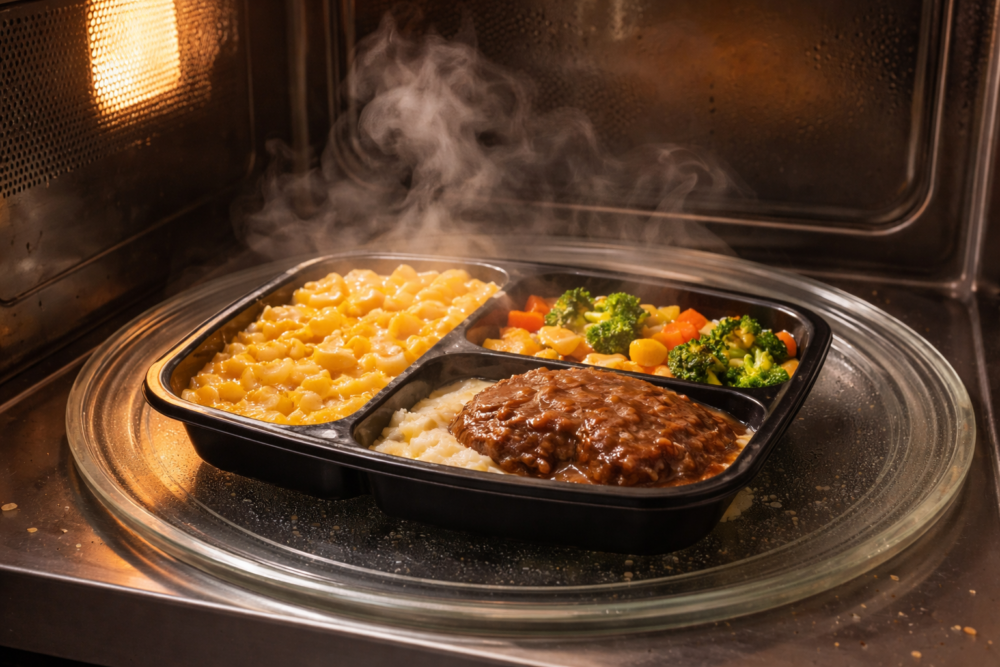
Temperature strongly influences how quickly chemicals move through plastic. Microwaves create hot spots that intensify this movement in specific areas of a container.
That uneven heating means some parts of a meal may absorb more chemicals than others. It also helps explain why microwaving poses different risks than simply storing food in plastic at room temperature.
8. Scratches and wear make plastic more reactive
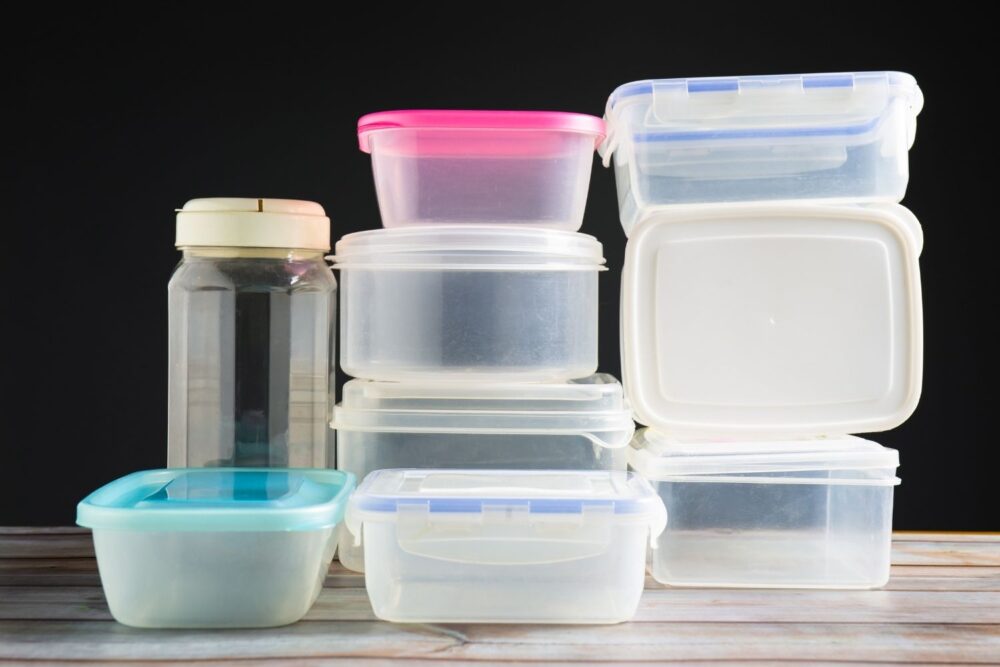
Over time, plastic containers develop scratches, cloudiness, and surface damage. These imperfections increase surface area and create pathways for chemicals to escape.
When worn plastic is heated, chemical migration becomes easier. A container that looks usable may behave very differently after months or years of repeated microwaving.
9. The concern isn’t limited to one chemical like BPA
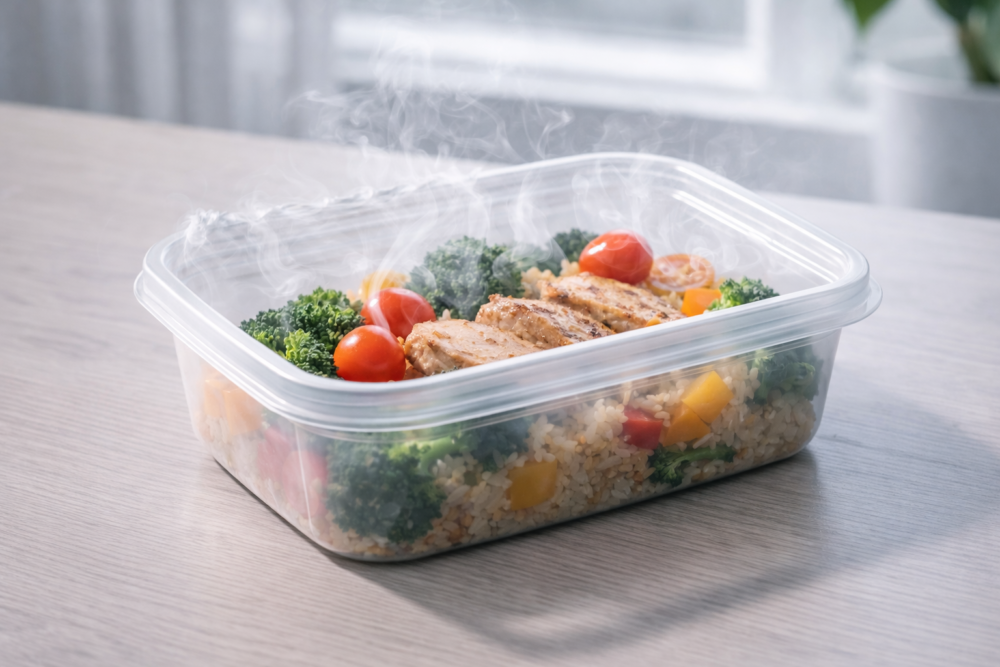
Early research focused heavily on BPA, but scientists now warn that replacing one chemical does not eliminate risk. Many substitute compounds can behave similarly under heat.
This broader view has shifted research toward chemical mixtures. Real-world exposure involves many compounds at once, not isolated ingredients tested individually.
10. Glass and ceramic behave differently under heat
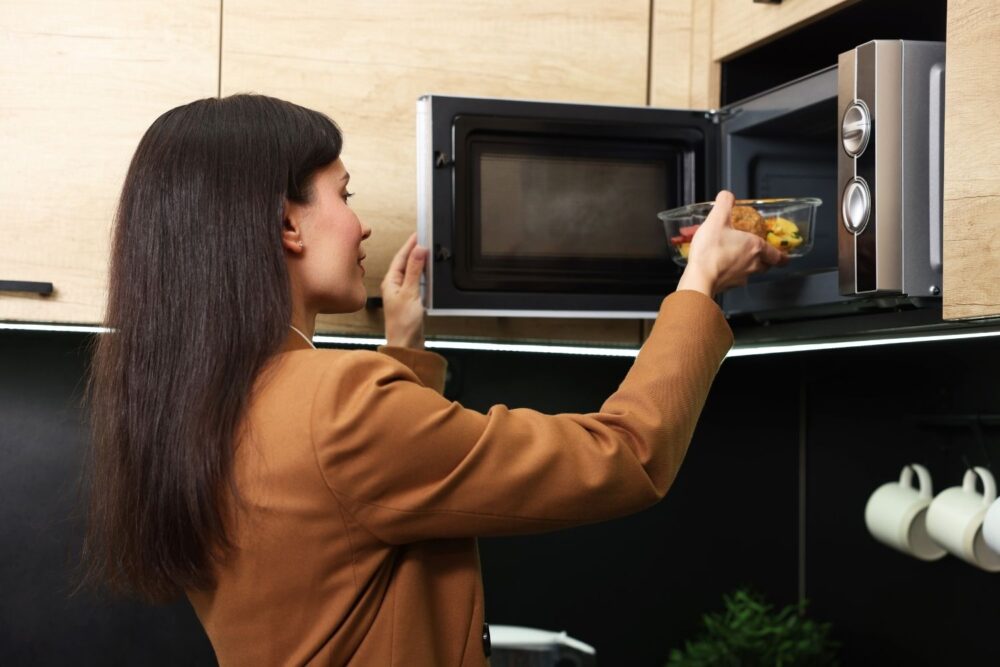
Materials like glass and ceramic remain chemically stable when microwaved. They do not rely on additives that loosen or migrate when heated.
That stability is why researchers often recommend transferring food before reheating. The container itself plays a direct role in determining what stays out of your meal.
11. This research is quietly reshaping everyday food habits
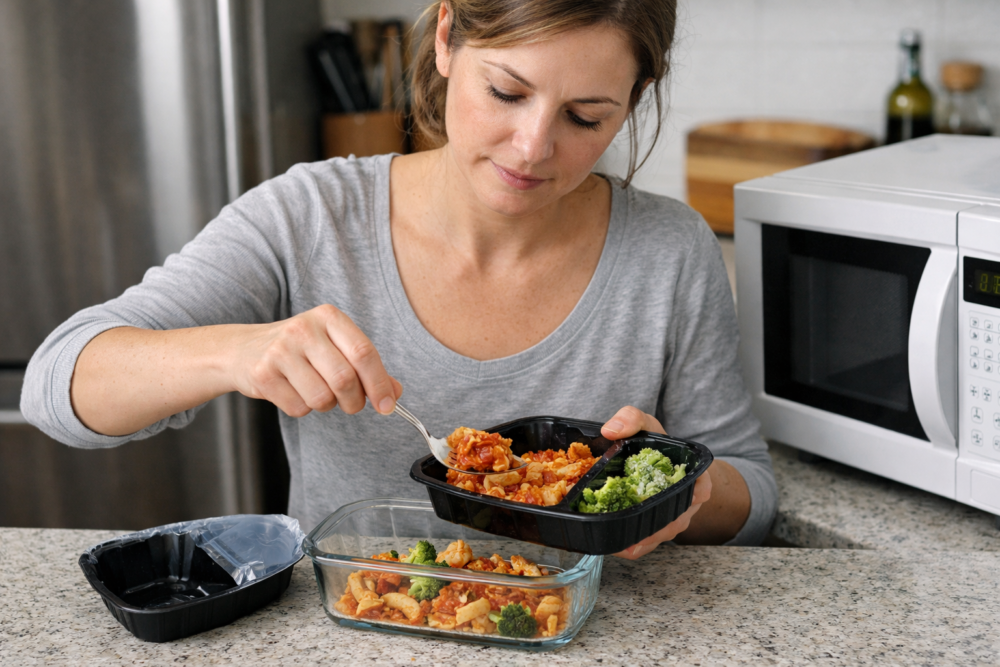
As evidence grows, scientists emphasize awareness rather than alarm. Small adjustments, such as switching containers before heating, can significantly reduce exposure.
The story unfolding is not about banning plastic entirely. It is about understanding how heat alters materials and adapting habits as science fills in gaps left by convenience.