
From Arctic ice to Amazon forests, climate tipping points could trigger an unstoppable global breakdown.

Picture this: you’re watching the first domino fall in a carefully arranged line, knowing there’s nothing you can do to stop the cascade. That’s essentially what climate scientists are witnessing right now with Earth’s major systems.
The Earth is on a “disastrous trajectory” with “no adequate global governance” to deal with climate tipping points, warns a major new report. We’re not just talking about gradual warming anymore—we’re staring down the barrel of interconnected collapses that could reshape our planet within decades.
Recent research suggests triggering one tipping element within the Earth system could cause subsequent changes in others, leading to a “tipping cascade”. The domino effect isn’t just a metaphor; it’s becoming our reality.
1. The Atlantic Ocean’s conveyor belt is grinding to a halt
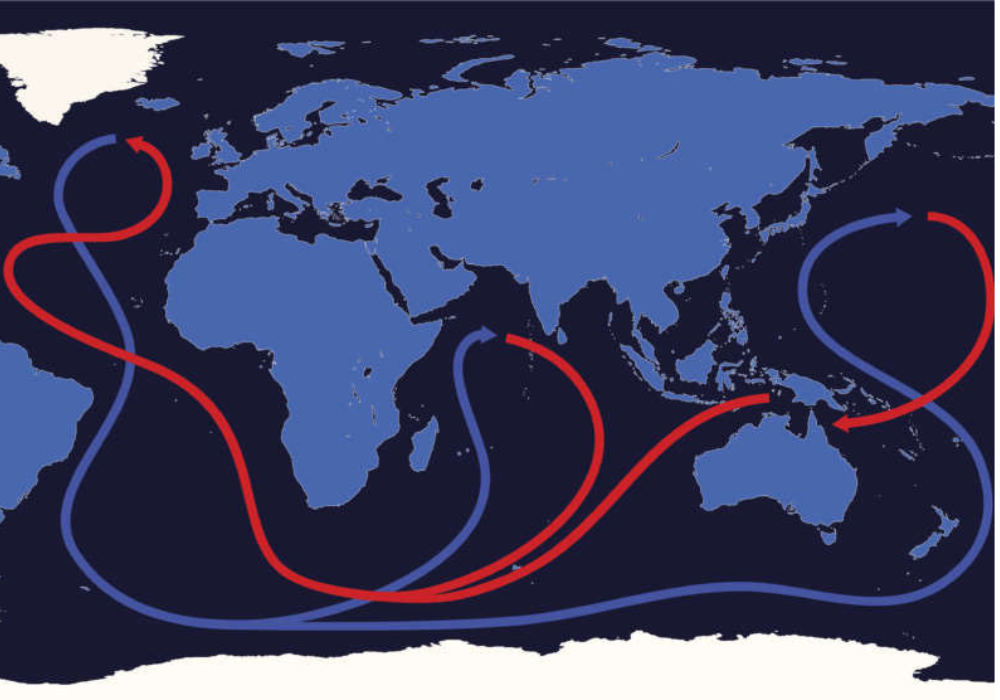
The Atlantic Meridional Overturning Circulation sounds boring, but it’s actually one of the most critical systems on Earth. Think of it as a massive conveyor belt that moves warm water north and cold water south, keeping Europe’s climate mild and regulating weather patterns across the globe.
Frequently studied examples of such tipping elements include the Greenland Ice Sheet, the Atlantic Meridional Overturning Circulation (AMOC), permafrost, monsoon systems, and the Amazon rainforest.
When this system shuts down—and scientists increasingly believe it will—Europe could plunge into much colder conditions while tropical regions become even hotter. The ripple effects would disrupt agriculture, weather patterns, and sea levels worldwide.
2. Greenland’s ice sheet is approaching a point of no return

Greenland holds enough ice to raise global sea levels by about 24 feet, and it’s melting faster than anyone predicted just a decade ago. The scary part isn’t just the melting itself—it’s that the process becomes self-reinforcing once it crosses a critical threshold.
As the ice sheet shrinks, its surface gets lower and experiences warmer temperatures. More melting creates more dark surfaces that absorb heat instead of reflecting it back to space. Ice sheets are shrinking, sea levels are rising and coral reefs are dying off.
While climate records are being continuously broken, the cumulative impact of these changes could also cause fundamental parts of the Earth system to change dramatically. Scientists worry we’re approaching the point where Greenland’s ice loss becomes unstoppable, regardless of future emissions cuts.
3. Amazon rainforest could flip from carbon sink to carbon bomb

The Amazon has been Earth’s lungs for millions of years, absorbing massive amounts of carbon dioxide and producing oxygen. But rising temperatures, changing rainfall patterns, and increased fires are pushing this incredible ecosystem toward a dangerous tipping point where it could become a net source of carbon instead of a sink.
Large sections of the rainforest are already showing signs of stress, with some areas releasing more carbon than they absorb. When the Amazon crosses this threshold, it won’t just stop helping fight climate change—it’ll actively accelerate it. The loss of this biodiversity hotspot would also trigger cascading effects on regional and global weather patterns.
4. Permafrost thaw could release ancient carbon stores
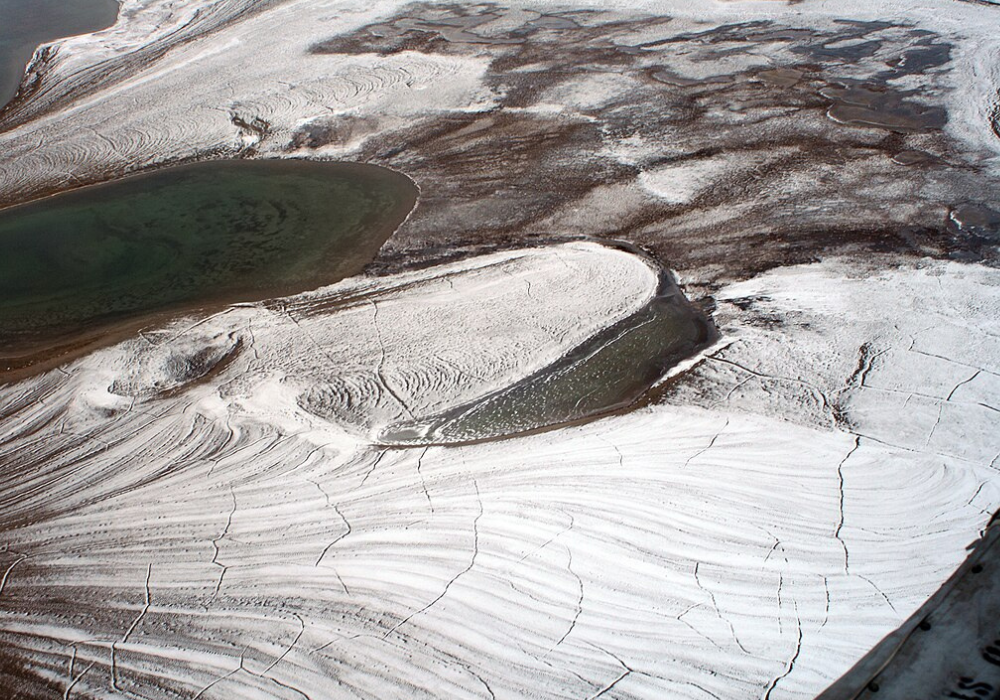
Buried beneath the frozen soils of the Arctic lies a carbon bomb that’s been locked away for thousands of years. As global temperatures rise, this permafrost is beginning to thaw, releasing massive amounts of methane and carbon dioxide that were previously trapped in the ice.
The terrifying part about permafrost thaw is its potential for runaway feedback. We investigate the probabilities of triggering climate tipping points under five Shared Socioeconomic Pathways (SSPs) and how they are altered by including the additional carbon emissions that could arise from tipping points within the Earth’s carbon cycle.
As these greenhouse gases enter the atmosphere, they accelerate warming, which melts more permafrost, releasing even more carbon. Scientists estimate that permafrost contains twice as much carbon as the entire atmosphere currently holds.
5. Arctic sea ice loss creates a heat absorption spiral
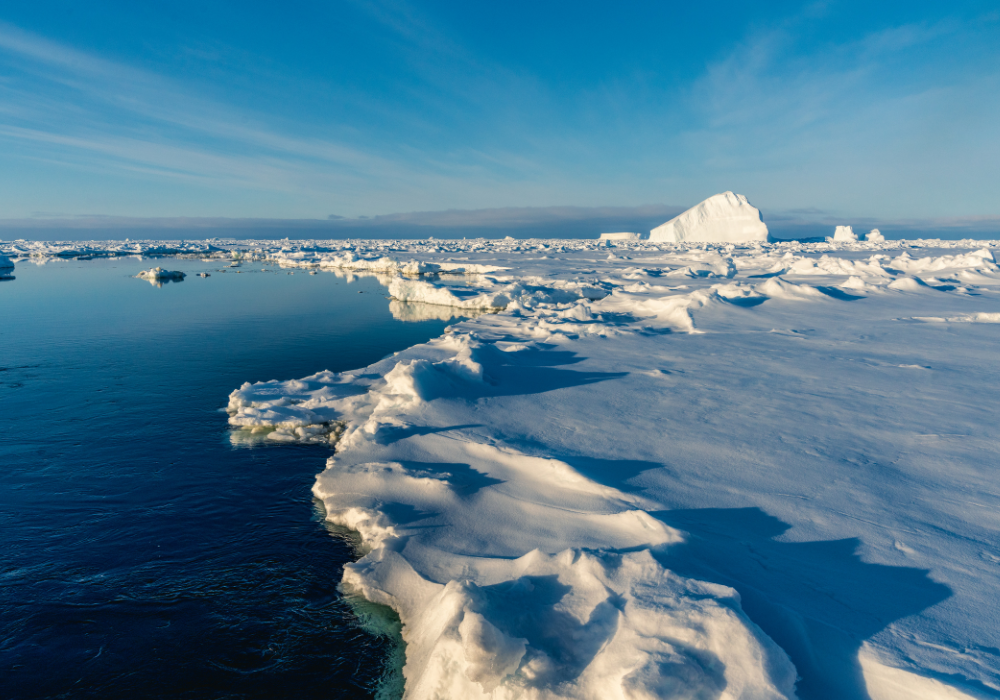
Arctic sea ice acts like a giant mirror, reflecting sunlight back into space and keeping the polar region cool. But as warming temperatures melt this ice, dark ocean water is exposed, which absorbs heat instead of reflecting it—creating a vicious cycle of warming and melting.
The tipping points in the cryosphere include: Greenland ice sheet disintegration, West Antarctic ice sheet disintegration, East Antarctic ice sheet disintegration, arctic sea ice decline, retreat of mountain glaciers, permafrost thaw.
This feedback loop is already well underway, with Arctic sea ice declining at a rate that has shocked even climate scientists. The loss of summer sea ice could be effectively irreversible, fundamentally altering Arctic ecosystems and global weather patterns.
6. West Antarctic ice sheet shows signs of unstoppable collapse
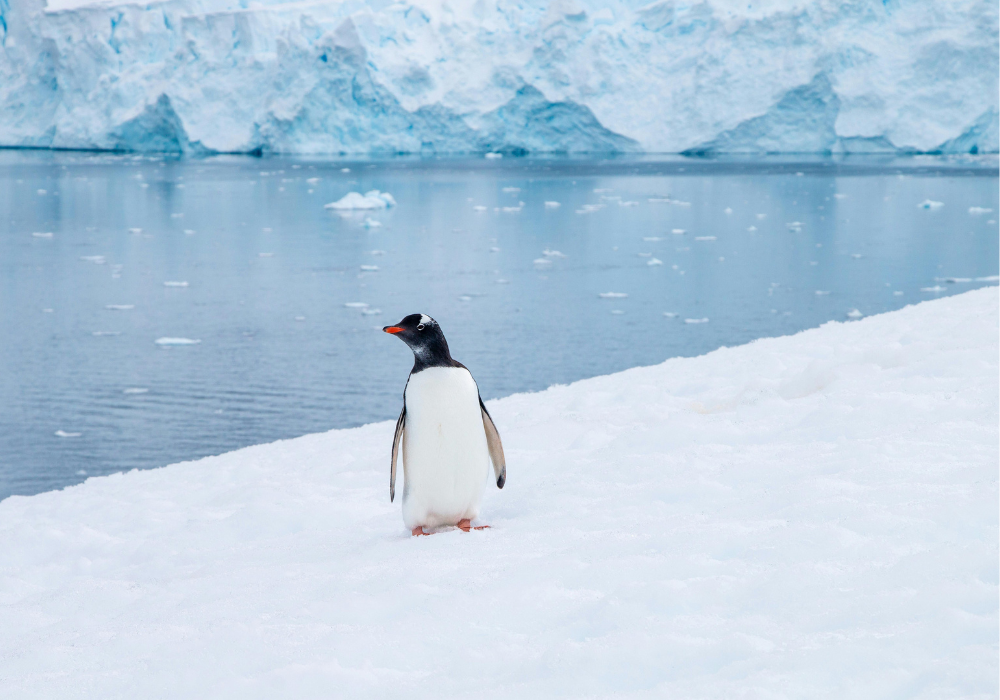
While Greenland gets most of the attention, the West Antarctic Ice Sheet might actually be the more immediate threat. This massive ice formation sits on bedrock that’s below sea level, making it vulnerable to warm ocean water that can melt it from below.
Recent studies suggest that parts of the West Antarctic Ice Sheet may have already passed their tipping point, with collapse potentially inevitable even if we stopped all emissions tomorrow. The complete loss of this ice sheet would raise global sea levels by about 12 feet, flooding coastal cities worldwide and displacing hundreds of millions of people.
7. Monsoon systems face disruption across multiple continents

Billions of people depend on monsoon rains for agriculture, drinking water, and economic survival. These complex weather systems are incredibly sensitive to global temperature changes and could shift dramatically as the planet continues warming.
Climate tipping elements are large-scale subsystems of the Earth that may transgress critical thresholds (tipping points) under ongoing global warming, with substantial impacts on the biosphere and human societies.
Changes to monsoon patterns could trigger agricultural collapse across South Asia, affect water resources for billions, and create massive displacement of populations. The interconnected nature of global weather means that disruptions to one monsoon system can cascade to others.
8. Boreal forests transform from carbon sinks to fire hazards
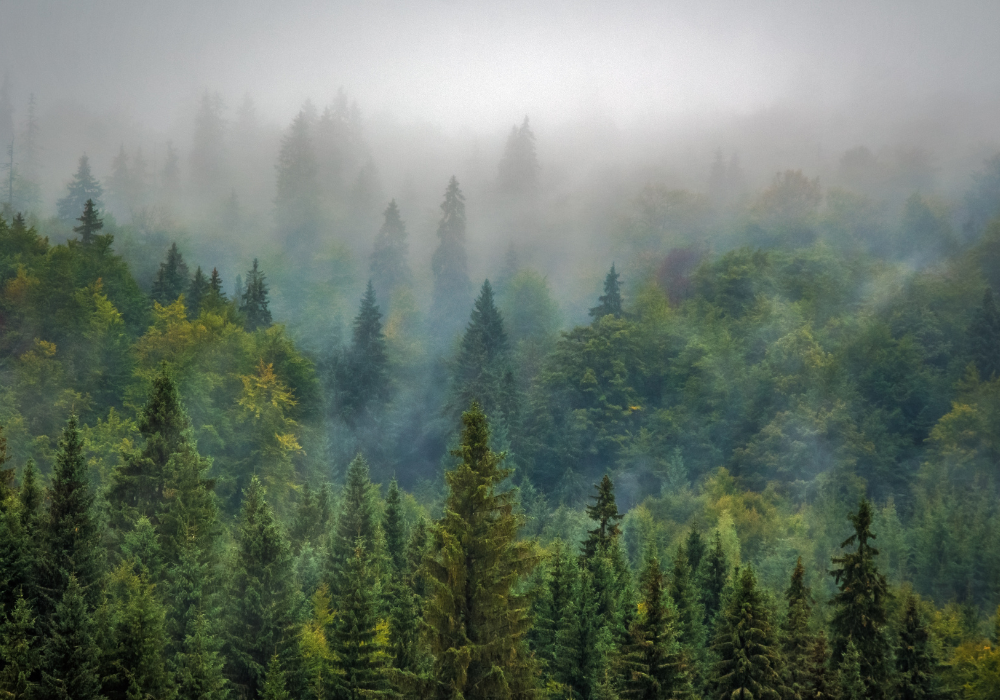
The vast boreal forests of Canada, Alaska, and Siberia have traditionally been massive carbon sinks, storing enormous amounts of carbon in their soils and trees. But rising temperatures, changing precipitation, and increased wildfire frequency are transforming these forests into carbon sources.
As these northern forests burn more frequently and intensely, they release stored carbon while losing their capacity to absorb new carbon from the atmosphere. The shift from carbon sink to carbon source represents a fundamental change in one of Earth’s most important climate-regulating systems, accelerating global warming in the process.
9. Ocean acidification threatens marine food chains at their foundation
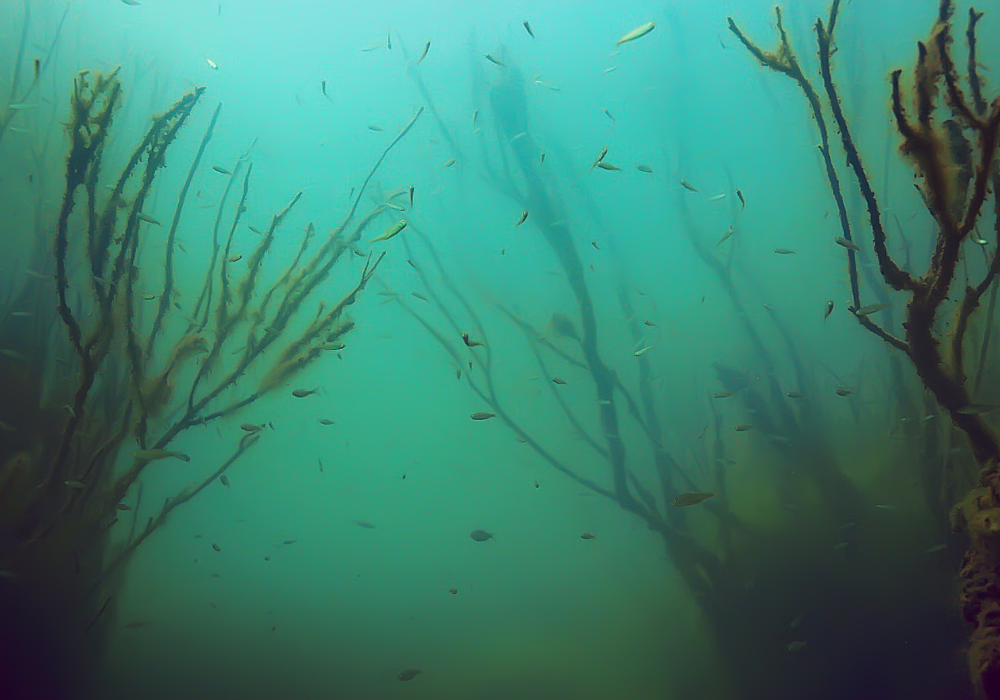
As oceans absorb more carbon dioxide from the atmosphere, they become increasingly acidic, threatening the microscopic organisms that form the base of marine food webs. This process is happening faster than at any point in Earth’s recent history, giving marine life little time to adapt.
Permafrost, coral reefs, and monsoons are some of the tipping points of climate change that the world is set to reach if warming persists. When these foundational species collapse, the effects ripple up through entire marine ecosystems, potentially causing the collapse of fisheries that billions of people depend on for food and livelihood. The ocean’s capacity to absorb carbon could also be severely compromised.
10. Mountain glacier retreat eliminates crucial water supplies
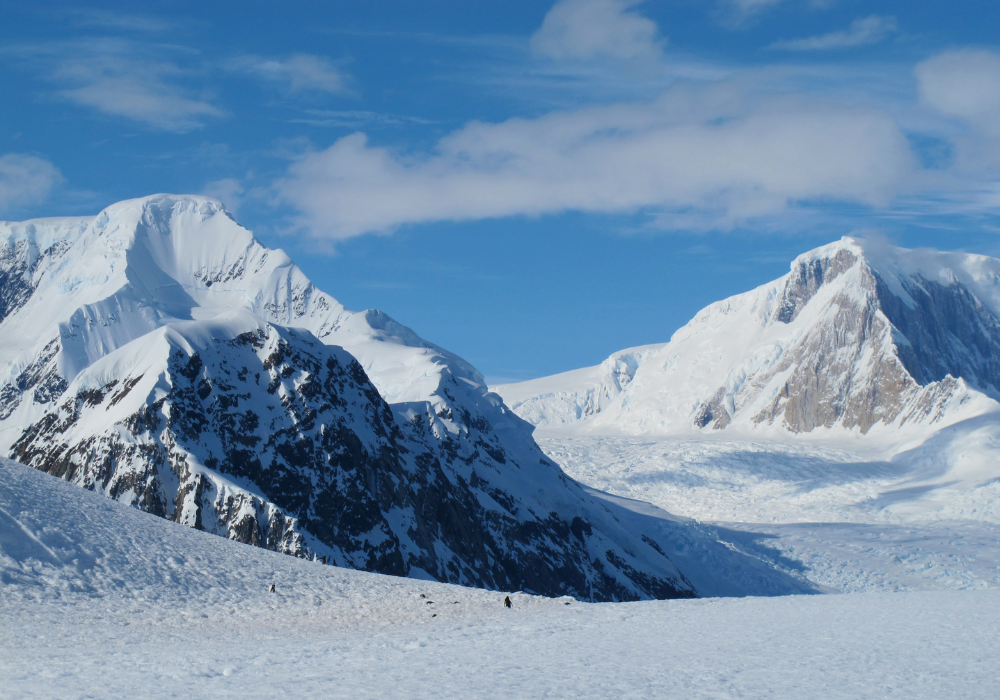
Mountain glaciers serve as natural water towers, storing snow and ice during cold periods and releasing fresh water during dry seasons. Billions of people depend on glacier-fed rivers for drinking water, agriculture, and hydroelectric power, particularly in Asia where major rivers originate in the Himalayas.
The tipping points in the cryosphere include: Greenland ice sheet disintegration, West Antarctic ice sheet disintegration, East Antarctic ice sheet disintegration, arctic sea ice decline, retreat of mountain glaciers, permafrost thaw.
As these glaciers disappear, initial flooding from rapid melt will be followed by severe water scarcity. The loss of reliable water sources could trigger conflicts, mass migration, and agricultural collapse across some of the world’s most populated regions.
11. Coral reef ecosystems face complete systemic collapse

Coral reefs support about 25% of all marine species despite covering less than 1% of the ocean floor, making them among the most biodiverse ecosystems on Earth. But rising ocean temperatures and acidification are causing mass bleaching events that are becoming more frequent and severe.
These ‘tipping points’ of climate change are critical thresholds in that, if exceeded, can lead to irreversible consequences. When coral reefs cross their tipping point, entire marine ecosystems collapse, eliminating crucial fish populations and coastal protection.
The economic and ecological losses from reef collapse would affect hundreds of millions of people who depend on reef ecosystems for food, tourism income, and storm protection.