
New research shows why slow, hidden changes beneath the ice still pose long-term risks.

Antarctica’s Thwaites Glacier has drawn attention for years, but recent findings have shifted the conversation from dramatic collapse to deeper concern about slow, hidden change.
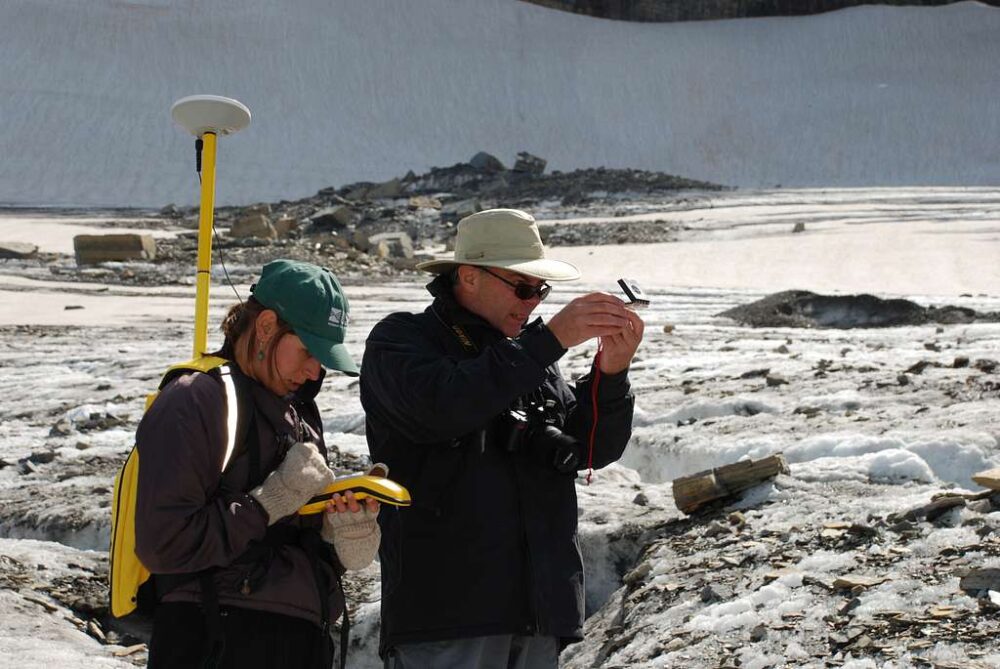
Research conducted through the International Thwaites Glacier Collaboration—a large joint effort involving U.S. and U.K. scientists—has used radar, underwater robots, and long-term monitoring to study what’s happening beneath the ice.
What they’re finding isn’t sudden failure, but complex internal weakening that could shape future sea levels over decades. That growing understanding explains why Thwaites remains one of the most closely watched glaciers on Earth.
1. Thwaites Glacier earns attention because of where it sits
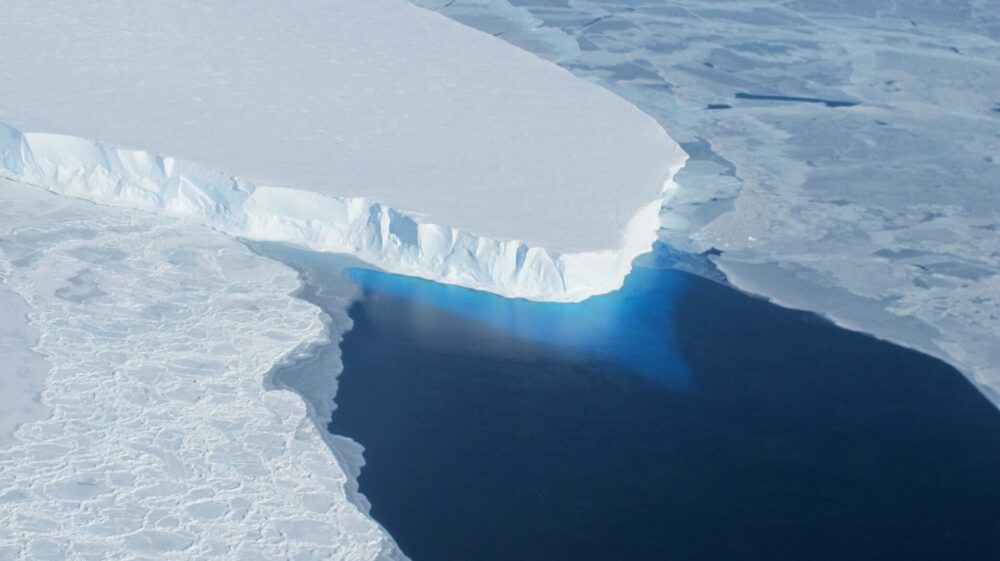
Thwaites Glacier isn’t the largest glacier in Antarctica, but its location gives it outsized importance. It acts like a cork, helping hold back a much larger section of the West Antarctic Ice Sheet from flowing freely into the ocean.
If Thwaites weakens significantly, nearby glaciers could begin moving faster, adding more ice to the sea over time. Scientists focus on it not because collapse is imminent, but because its position makes it central to long-term ice stability.
2. The glacier is massive, but its movement is slow
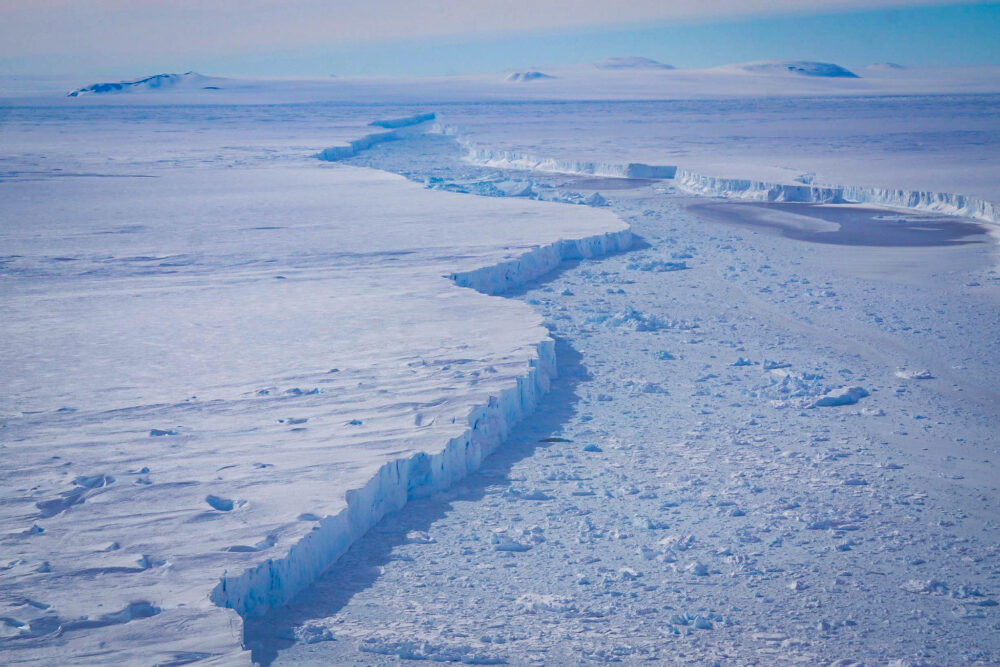
Thwaites covers an area roughly the size of Florida, yet its changes unfold gradually, often over years rather than months. That slow pace can make the threat feel distant or abstract to people outside the scientific community.
Researchers stress that slow does not mean harmless. Even small annual losses can compound over decades, quietly reshaping ice flow and contributing to sea-level rise in ways that are hard to reverse. This long view is why scientists remain concerned.
Follow us and access great exclusive content every day
3. Warm ocean water plays a key role beneath the ice
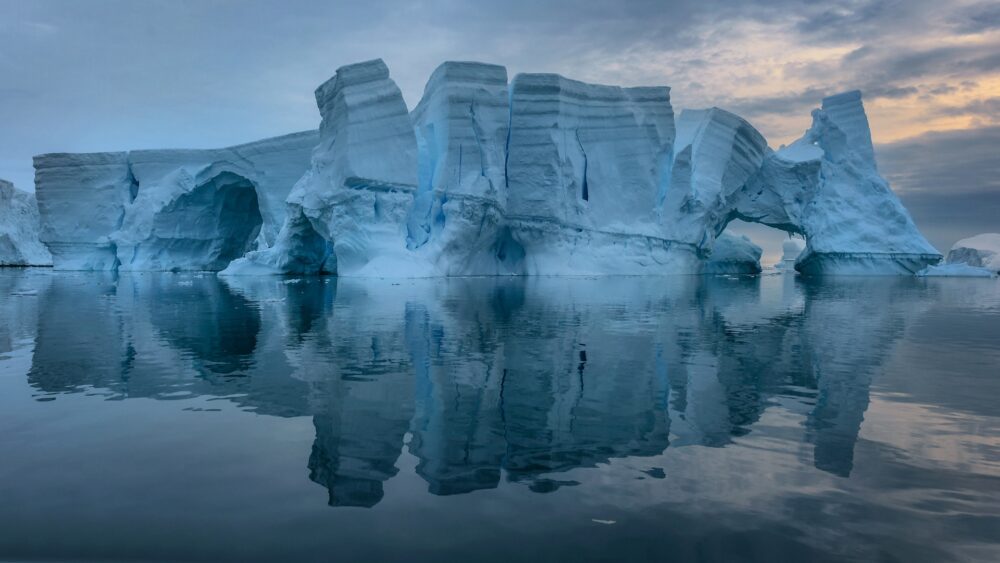
One of the biggest risks comes from what’s happening underneath Thwaites. Warmer ocean water is flowing beneath parts of the glacier, melting it from the bottom rather than the surface.
This kind of melting is difficult to detect and even harder to predict. Scientists worry because it weakens the glacier’s foundation, making retreat more likely even if surface temperatures stay relatively stable. That hidden erosion changes how the ice responds to stress.
4. The glacier’s grounding line is especially vulnerable

The grounding line marks where the glacier shifts from resting on land to floating in the ocean. At Thwaites, this line is retreating unevenly, creating areas of instability.
As the grounding line moves inland, more ice becomes exposed to warm seawater. That exposure can accelerate retreat and trigger feedback loops that reinforce further loss. Once started, these processes are difficult to slow or stop.
5. Why scientists stress uncertainty more than catastrophe
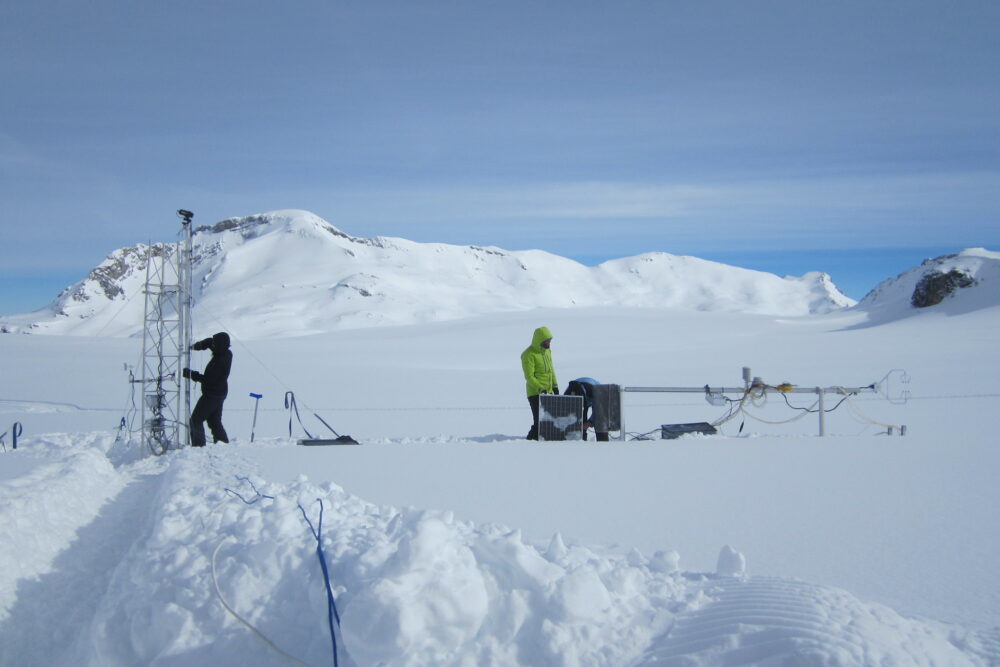
Researchers studying Thwaites are careful not to predict a sudden collapse. Instead, they emphasize uncertainty, because ice behaves in complex ways that make precise timelines impossible.
The glacier is not expected to fail overnight, but evidence suggests its internal structure is weakening in ways that matter over long periods. That uncertainty is what concerns scientists most.
Slow changes can commit the planet to future sea-level rise even if warming slows. The risk isn’t panic or drama, but permanence—processes that, once set in motion, may continue for centuries and cannot easily be reversed on human timescales.
6. New tools are revealing details scientists couldn’t see before
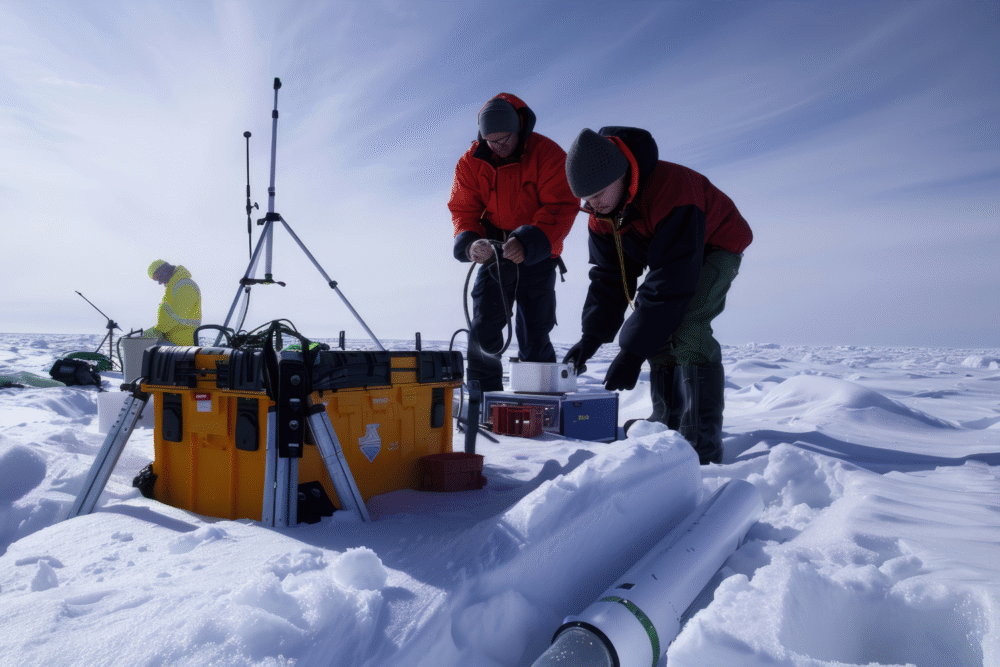
Much of what researchers now know about Thwaites comes from technology that didn’t exist a decade ago. Autonomous underwater vehicles have mapped the glacier’s underside, while radar has revealed fractures and channels inside the ice.
These tools show a system far more dynamic than once assumed. As observations improve, scientists are gaining insight into processes that were previously invisible, changing how risk is understood rather than eliminating it.
Follow us and access great exclusive content every day
7. Ice shelf fractures are adding another layer of concern
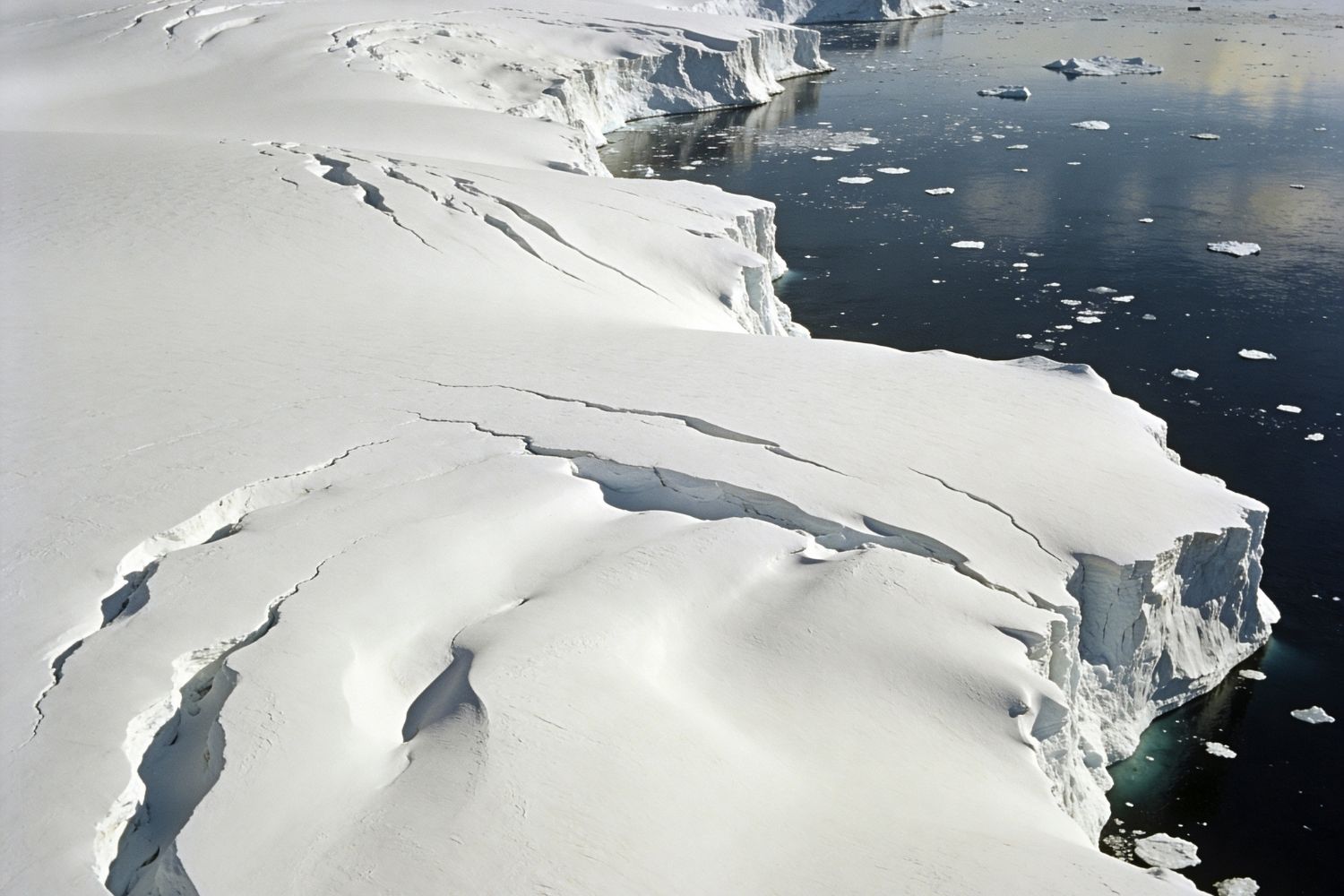
Scientists have observed fractures forming in the floating ice shelf connected to Thwaites. These cracks don’t mean collapse is imminent, but they do weaken the structure that helps slow the glacier’s flow into the ocean.
As fractures spread, the shelf becomes less effective at acting as a brake. Researchers see this as another gradual change that could amplify long-term retreat rather than trigger sudden failure.
8. Thwaites influences more than just its own ice
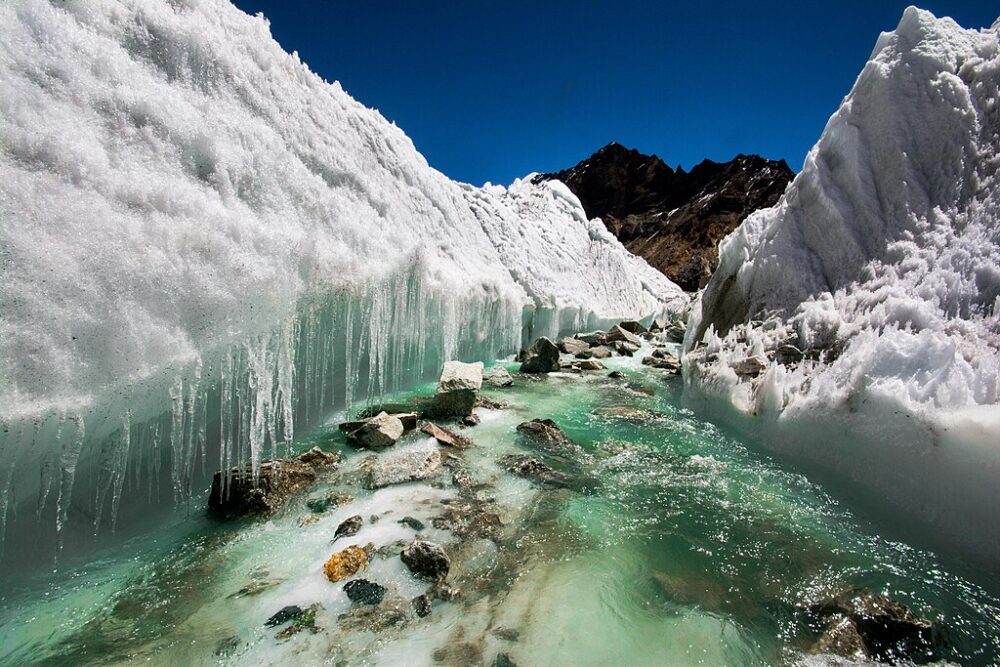
Thwaites doesn’t exist in isolation. It interacts with neighboring glaciers that are connected through shared ice and bedrock systems. Changes in one can affect the others.
Scientists worry that continued retreat could reduce resistance for nearby ice streams. That interconnected behavior is why Thwaites is often described as a linchpin rather than a standalone risk.
9. Sea-level rise from Thwaites would unfold over decades
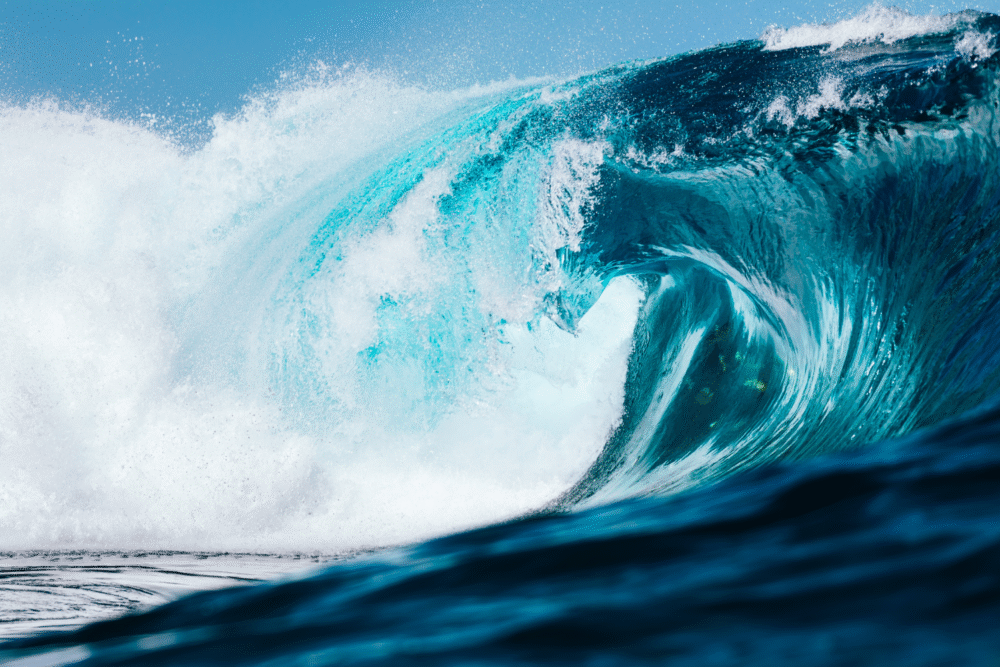
Even in worst-case scenarios, scientists do not expect rapid, dramatic sea-level jumps from Thwaites alone. The impacts would likely accumulate slowly, measured in inches over long periods.
Still, those increments matter. Gradual rise increases flooding frequency, worsens storm surge, and reshapes coastlines over time, especially for low-lying communities.
10. The glacier highlights limits in current prediction models
Thwaites has exposed gaps in how scientists model ice behavior. Subglacial melting, fracture dynamics, and ocean circulation remain difficult to simulate accurately.
As new data comes in, models are being updated, but uncertainty remains. That limitation doesn’t reduce concern—it reinforces the need for caution when projecting long-term outcomes.
11. Thwaites represents a long-term climate commitment
Researchers emphasize that what happens at Thwaites reflects choices made over decades, not years. The glacier responds slowly, but once changes take hold, they persist.
That long memory is what makes Thwaites important. It shows how today’s climate decisions can shape Earth’s systems far into the future, long after immediate headlines fade.