
How AI, automation, and abundance could upend everything people have planned for retirement.

Retirement planning used to be simple: save, invest, then slow down. But Elon Musk says that within 10 to 20 years, saving for retirement could feel pointless because AI, robots, and cheap energy may create abundance.
On the Moonshots podcast with Peter Diamandis, Musk imagined “universal high income,” where healthcare, education, and goods become widely accessible. It sounds comforting, but it also raises a harder question: what happens in the messy years in between?
This gallery looks at what Musk claims, what other tech leaders and economists debate, and what it could mean for people over 40 making real decisions right now.
1. Musk’s prediction starts with a blunt idea: saving may not matter

Elon Musk said that “squirreling money away” for retirement could be irrelevant in 10 to 20 years, if technology creates enough abundance. The claim is less about your 401(k) and more about a future where scarcity fades and basic needs feel easy.
It is a big if, and Musk also warned the path there could be turbulent. Still, the comment spread because it hits a nerve for anyone watching costs rise while trying to plan ahead, month after month.
2. In his story, AI plus robots equals an economy of plenty
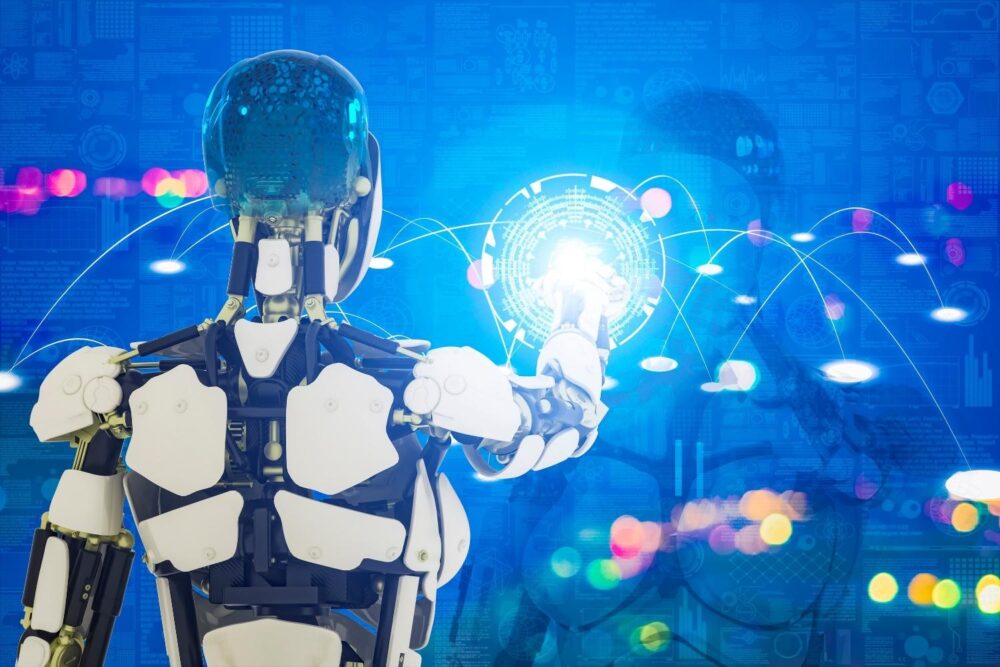
Musk’s argument is that smarter AI, capable robots, and better energy systems could push productivity so high that many goods and services become cheap and widely available. If machines can do most work, the bottleneck is no longer labor, it is access and coordination.
That idea shows up often in tech circles: abundance replaces scarcity. But productivity gains do not automatically reach everyone, and history is full of technologies that enriched a few first. Distribution, rules, and power are the whole game.
3. Universal high income is not the same thing as UBI

Musk has talked for years about universal basic income, but in these recent comments he leaned toward something bigger: universal high income, meaning people would have access to more than bare necessities. Think better healthcare, easy education, and plentiful goods, not just a survival check.
It is a hopeful vision, and it is also vague. Who funds it, who runs it, and what happens to prices and incentives are open questions. Even supporters admit the details, not the slogan, decide whether it helps or harms.
4. The real hinge is not technology, it is who owns the machines

Even if AI and robotics explode in capability, the benefits depend on ownership and bargaining power. If a small number of firms control the most productive systems, abundance can still feel scarce to everyone else, just packaged more efficiently, with the same old gatekeepers.
That is why some leaders talk about sharing AI-driven profits through taxes, dividends, or universal basic wealth. Without policy, automation can widen inequality fast. With smart policy, it can reduce it. The future is political, not just technical.
5. The transition years could be the rough part

Musk himself flagged that getting to an abundant future could be turbulent. Translation: jobs can vanish faster than new roles appear, communities can hollow out, and safety nets can lag behind reality for years.
If you are over 40, that middle period matters more than the utopia. You cannot pay a mortgage with a promise. Planning has to account for a world where automation grows, but protections, training, and paychecks do not keep pace at first. That is the risk window.
6. A post-work world still has one problem: purpose

When work becomes optional, people may gain freedom but lose structure. Many researchers and AI leaders have warned about a purpose crisis, where status, identity, and daily rhythm are harder to anchor once careers stop organizing life.
For some, this sounds like a dream. For others, it sounds unsettling. Humans do not just need income, they need meaning, community, and goals. Any future that ignores that psychological piece will feel incomplete, even if money is plentiful.
7. Today’s reality check: most people are not feeling abundance

In the real economy, many households are dealing with high housing costs, uneven wage growth, and expensive healthcare. That is part of why Musk’s statement can feel disconnected, even if the long-term tech trend is real and accelerating.
The practical takeaway is simple: do not confuse a future scenario with your current budget. The next few years are still about cash flow, debt, and resilience. Your bills operate on today’s rules, not 2045’s.
8. What experts would tell your friend: keep saving, just be flexible

Most retirement researchers would not advise anyone to stop saving based on a single prediction. Markets, policy, and technology rarely move in a straight line, and 10 to 20 years is a huge range when you are planning a real life.
A better approach is layered planning: keep contributing, control fees, build an emergency cushion, and avoid lifestyle inflation. If abundance arrives, great. If it does not, you are still protected.
9. If work changes, skills become a kind of retirement insurance

Even in optimistic AI futures, people who can adapt tend to do better during transitions. That might mean learning tools that make you more productive, updating credentials, or shifting into roles that require judgment, trust, and human context.
For over 40 workers, this is not about chasing every trend. It is about staying employable on your terms. A little upskilling can buy you leverage, whether you keep working or downshift later.
10. Watch the signals that actually move the needle

cIf you want to know whether Musk’s vision is becoming real, watch measurable markers: robotics getting cheaper, energy costs dropping, productivity rising, and policy experiments that expand income support.
Also watch who is capturing the gains. If profits surge while wages stagnate, abundance is not reaching households. If costs fall and access widens, the story changes.
11. The safest mindset is plan for now, stay open to later

It is tempting to imagine a world where retirement accounts are obsolete. But most people over 40 cannot afford to bet their future on a best-case timeline.
Keep saving, reduce risk where you can, and build flexibility into your life. If technology brings a gentler future, you will enjoy it. If it does not, you will still be okay.