
Doctors explain the medical conditions most often involved in deaths that occur during sleep.
When someone dies during sleep, it often feels sudden and unsettling. Doctors say sleep itself is almost never the cause. Instead, nighttime deaths usually happen because underlying medical conditions become more dangerous when the body is resting. During sleep, changes in heart rhythm, breathing, blood pressure, and brain activity can trigger serious events in people who are already vulnerable. Understanding what physicians know about these situations helps explain why deaths sometimes occur overnight and why they are usually linked to identifiable health risks rather than sleep alone.
1. Heart Rhythm Disorders Are the Most Common Cause
Abnormal heart rhythms are the leading medical reason people die in their sleep. Conditions such as ventricular arrhythmias can cause the heart to suddenly lose its ability to pump blood effectively, often without waking the person first.
During sleep, shifts in the autonomic nervous system alter heart rate and electrical stability. In people with underlying heart disease, prior heart attacks, or structural abnormalities, these nighttime changes can increase the risk of fatal rhythm disturbances, particularly when the condition has not yet been diagnosed. These events can unfold silently and progress too quickly for the body to compensate.
2. Sudden Cardiac Death Often Happens Overnight
Sudden cardiac death refers to an unexpected loss of heart function caused by electrical instability. A significant number of these events occur during sleep or in the early morning hours. Doctors explain that hormone levels and nervous system activity change overnight. These shifts can make the heart more vulnerable in people with existing cardiac disease.
Sleep does not cause sudden cardiac death, but nighttime physiology can increase risk when the heart is already compromised. Many individuals who experience this had warning signs earlier in life that went unrecognized.
3. Undiagnosed Heart Disease Is Frequently Involved
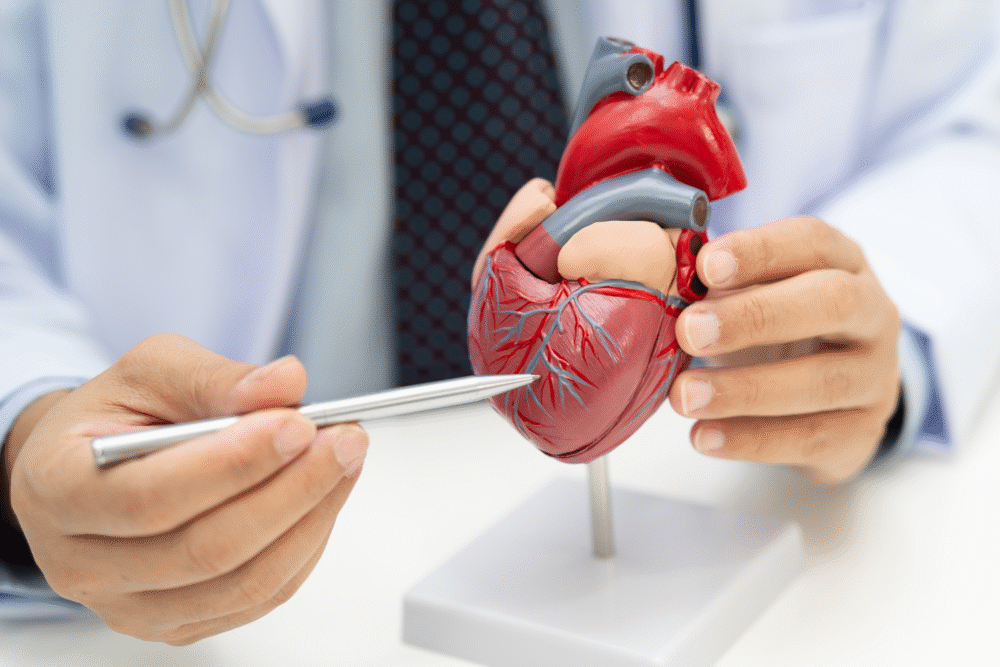
Many people who die in their sleep were unaware they had heart disease. Blocked arteries, weakened heart muscle, or inherited electrical disorders can remain silent for years without obvious symptoms.
Physicians note that these hidden conditions can suddenly become fatal, even when the body is at rest. Warning signs such as chest discomfort, unexplained shortness of breath, dizziness, or fainting should always be evaluated, even if they occur infrequently. Early detection dramatically reduces the likelihood of fatal nighttime events.
4. Sleep Apnea Can Trigger Life-Threatening Events

Severe obstructive sleep apnea is strongly associated with nighttime deaths. Repeated pauses in breathing lower oxygen levels and place sustained stress on the heart and blood vessels.
Over time, untreated sleep apnea increases the risk of arrhythmias, heart attacks, and strokes. Doctors emphasize that loud snoring, gasping during sleep, and excessive daytime fatigue are warning signs. Proper diagnosis and treatment significantly reduce the associated cardiovascular risks. Many people remain undiagnosed for years despite clear symptoms.
5. Strokes Can Occur During Sleep

Strokes frequently happen during sleep, especially in people with high blood pressure, diabetes, or irregular heart rhythms such as atrial fibrillation. Reduced awareness means symptoms often go unnoticed.
Physicians explain that nighttime strokes may not be discovered until the person fails to wake. These events are a common reason someone is found deceased in the morning and are rarely sudden without long-standing risk factors. Managing blood pressure and heart rhythm is one of the most effective prevention strategies.
6. Breathing Failure Can Develop Overnight

Certain lung and neurological conditions increase the risk of respiratory failure during sleep. Diseases that weaken breathing muscles or suppress respiratory drive are particularly dangerous at night.
Sleep naturally slows breathing. In vulnerable individuals, this slowdown can cause oxygen levels to drop or carbon dioxide levels to rise to dangerous levels. Doctors say this risk is highest in advanced lung disease, neuromuscular disorders, or untreated sleep-related breathing conditions. Early intervention can often prevent these outcomes.
7. Seizure-Related Deaths Often Happen During Sleep

People with epilepsy face a rare risk known as sudden unexpected death in epilepsy, or SUDEP. Many of these deaths occur during sleep. Doctors believe breathing suppression, heart rhythm disruption, or brainstem dysfunction following a seizure may contribute.
Maintaining seizure control, adhering to medication, and ongoing neurological care significantly reduce risk and are critical for long-term safety. Nighttime supervision and seizure monitoring devices may also help some patients.
8. Nighttime Blood Pressure Changes Can Be Dangerous
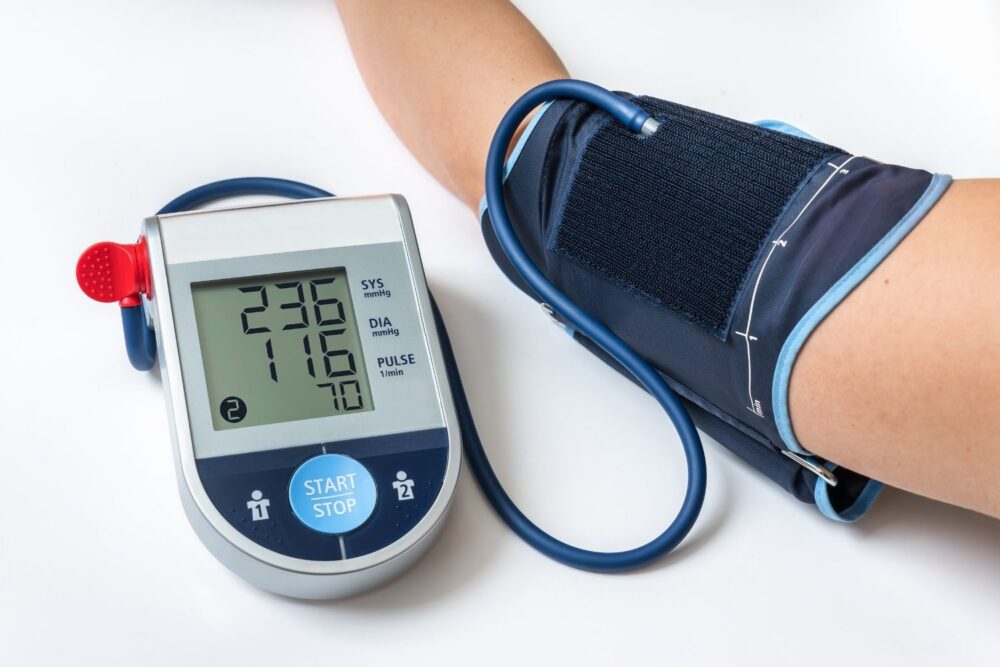
Blood pressure normally dips during sleep, which is healthy. However, abnormal drops or sudden surges can be dangerous for certain individuals. Physicians explain that unstable blood pressure can reduce blood flow to the heart or brain, triggering heart attacks or strokes.
Poorly controlled hypertension increases the likelihood of these nighttime events, especially when combined with other chronic health conditions. Consistent treatment plays a key role in prevention.
9. Some Medications Increase Overnight Risk

Certain medications affect breathing, heart rhythm, or blood pressure during sleep. Sedatives, opioids, and some cardiac drugs can raise risk when not used carefully. Doctors stress the importance of taking medications exactly as prescribed. Mixing drugs or combining them with alcohol significantly increases danger.
Patients should discuss nighttime side effects with their physician, especially if they feel unusually sedated or short of breath. Medication reviews are especially important for older adults.
10. Age and Chronic Illness Raise Vulnerability

Older adults and people with multiple chronic illnesses face higher risk during sleep because their bodies are less resilient during medical emergencies.
Doctors explain that sleep reduces responsiveness to distress signals. When serious events occur, the body may not compensate quickly enough, particularly in those with heart disease, lung disorders, or metabolic conditions. This is why routine monitoring becomes more important with age.
11. Most Nighttime Deaths Are Not Random

The phrase “died in their sleep” often sounds peaceful or sudden, but doctors caution against that assumption. Most cases involve disease processes that have developed over time. Physicians emphasize that these deaths are rarely unpredictable.
Regular medical care, managing chronic conditions, and addressing sleep-related symptoms can significantly reduce risk and improve long-term outcomes. Prevention remains the most powerful tool.