
High costs, fierce opposition, and broken promises are threatening America’s wind future.
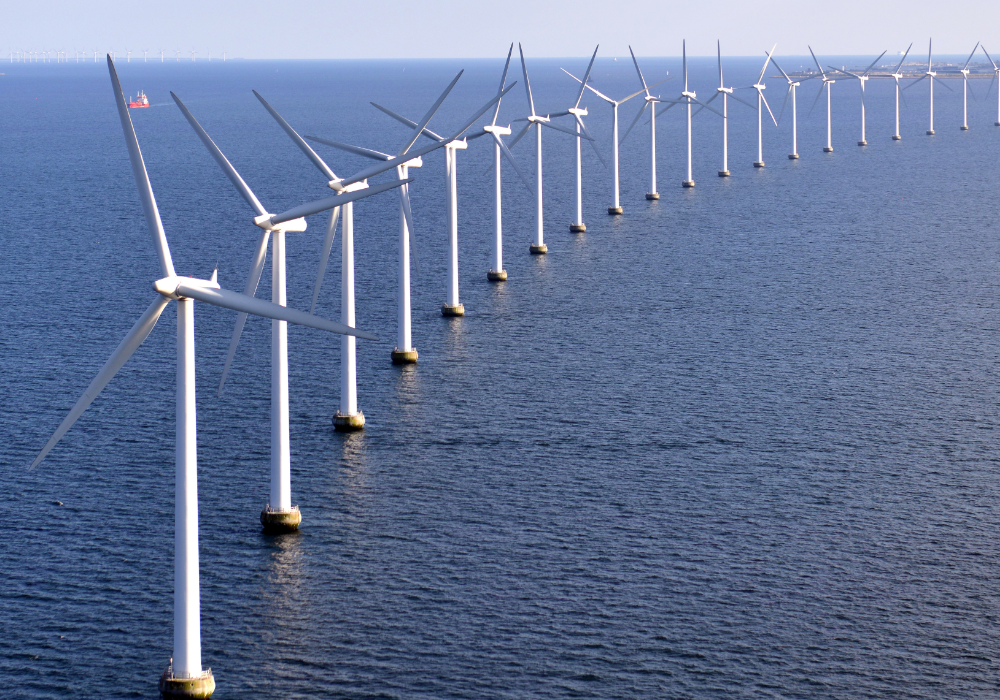
Offshore wind energy holds great potential to transform the U.S. energy landscape, but several significant challenges stand in the way. These obstacles include regulatory complexities, environmental considerations, high technology costs, and infrastructure development hurdles. Addressing these issues requires careful planning, coordination among various stakeholders, and advanced technology integration to realize the full benefits of offshore wind projects effectively.
1. Navigating complex regulatory frameworks slows project approvals significantly.

The United States has intricate regulatory frameworks governing offshore wind energy development, stretching approval timelines considerably. Different federal and state agencies enforce a multitude of regulations to oversee various project elements. This maze of rules can lead to lengthy delays and additional planning efforts.
Navigating these frameworks proves cumbersome, as developers must ensure compliance while juggling jurisdictional variations. Approvals involve environmental reviews, leasing agreements, and stakeholder consultations. Coordinating these aspects requires diligent planning and can extend project timelines, affecting overall feasibility and investor confidence.
2. Addressing environmental concerns requires thorough impact assessments and mitigation.
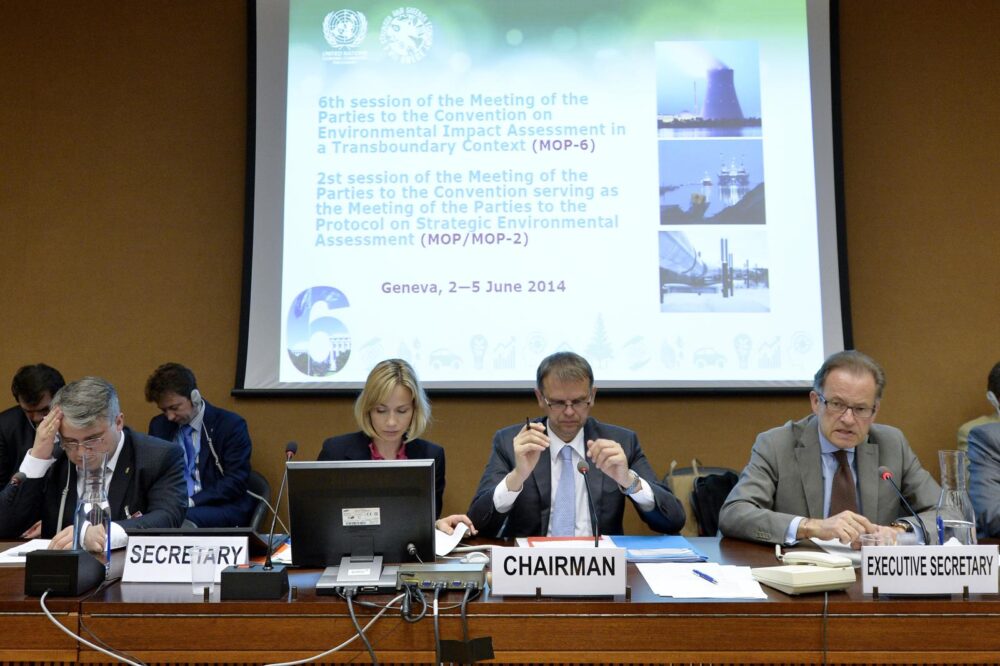
Assessing environmental impact is crucial for offshore wind initiatives, as these projects can affect local ecosystems and wildlife. Thorough environmental assessments are mandatory to identify potential harm and develop mitigation strategies. Balancing energy needs with environmental integrity is challenging and requires detailed scrutiny.
Long lists of environmental concerns include potential disturbances to marine life, alteration of seascapes, and impact on bird migration paths. Assessments must address these impacts and propose solutions to minimize negative effects. Stakeholder engagement is key to addressing environmental opposition and ensuring project viability.
3. Securing adequate funding remains a major hurdle for large-scale developments.
Funding remains a significant barrier to expanding offshore wind energy projects, especially given their large scale and high initial costs. Securing investment requires demonstrating project viability and long-term profitability. Investors seek assurance that projects will deliver returns despite financial risks.
Financing hinges on numerous factors, such as regulatory predictability, cost-effective technology, and stable supply chains. Competing with traditional energy sources also challenges these projects. Financial strategies must account for initial capital requirements while ensuring sustainable operations over the project’s lifecycle.
4. Building specialized infrastructure demands significant upfront investment and planning.
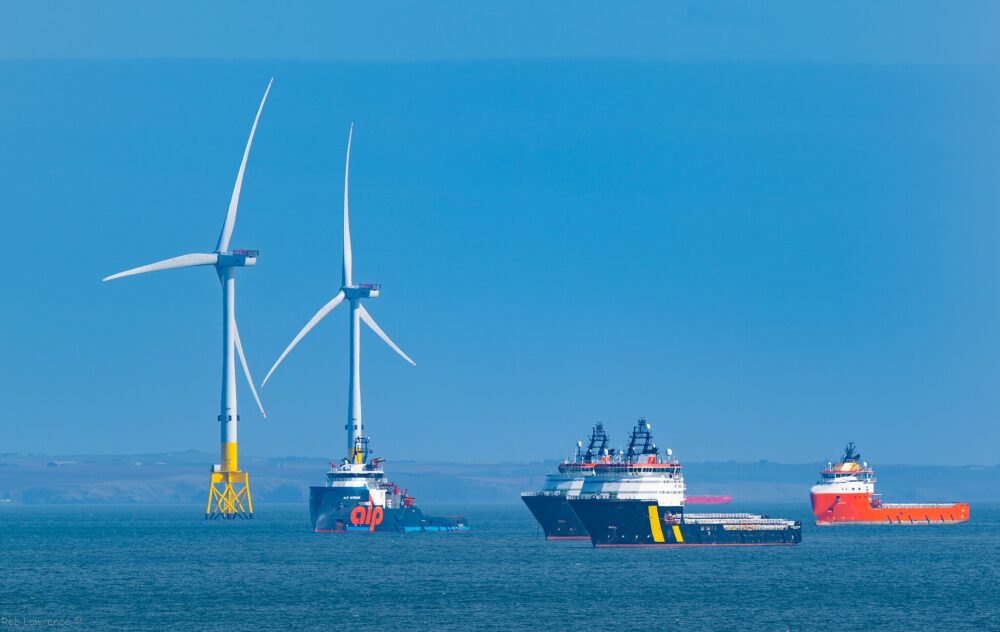
Developing specialized infrastructure is vital for installing and operating offshore wind farms. This requires substantial planning and investment to support project logistics and functioning. Location selection, supply chain efficiency, and transport accessibility must be integrated into infrastructure development planning.
Initial investments cover ports, ships, and facilities to manufacture and deploy turbines. Infrastructure must accommodate large-scale components and supply specialized installation equipment. Since inadequate infrastructure can delay deployment, thorough planning and secured funding ensure timely project completion and operational readiness.
5. Integrating offshore wind with existing energy grids poses technical difficulties.
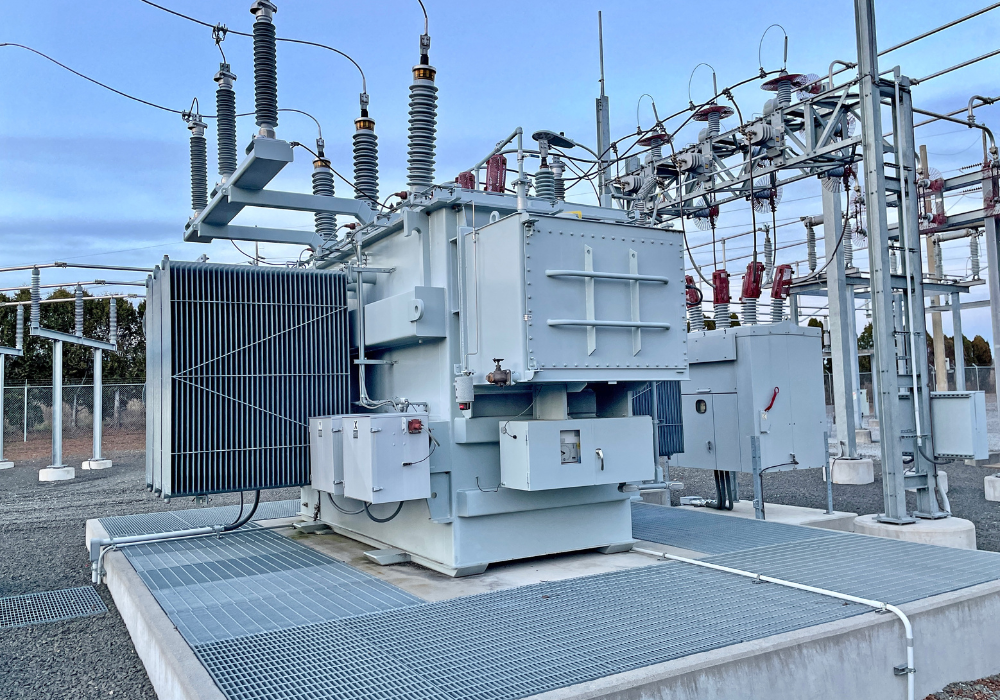
Integrating offshore wind energy with current power grids introduces technical challenges. Transmission lines and substations must handle fluctuating generation rates from offshore facilities. Updating existing grids to accommodate variable renewable sources requires careful planning and sophisticated technology.
Grid integration issues can stem from transmission bottlenecks and technological incompatibility. Offshore wind’s intermittent production needs harmonization with grid stability mechanisms to prevent overloads or shortages. Advanced energy storage and smart grid technology can help solve these issues, ensuring reliable energy distribution across regions.
6. Overcoming logistics challenges complicates equipment transportation and installation.
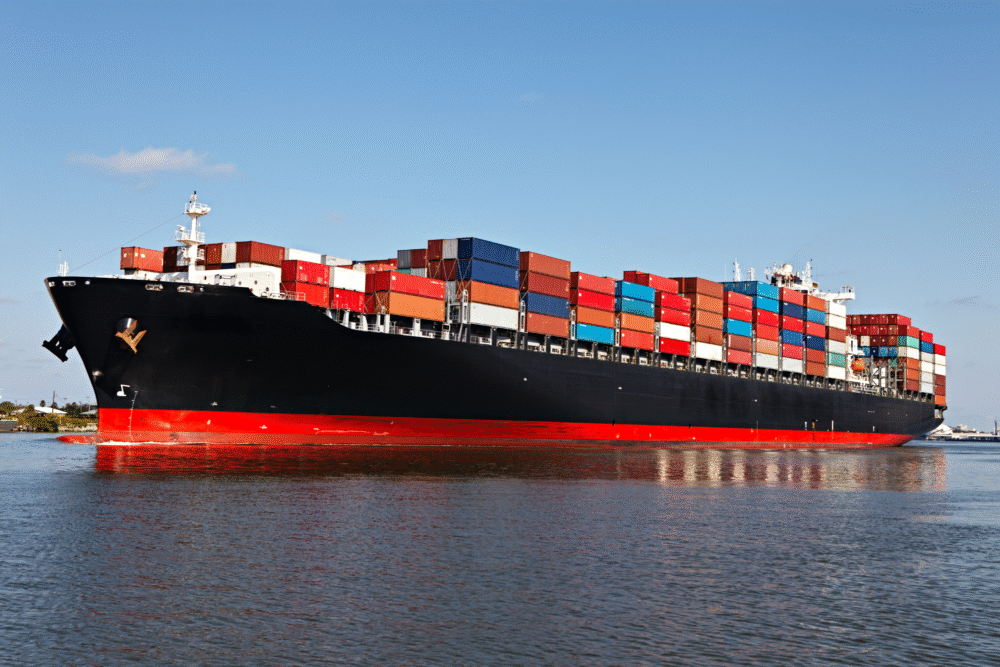
The logistics of transporting massive wind turbine parts and installation equipment pose significant challenges for offshore wind projects. Ensuring that these components reach offshore sites without delay or damage demands extensive planning and coordination across multiple entities in the supply chain.
Efficiently moving oversized components requires robust transport infrastructure, particularly ports and transit vessels equipped for heavy loads. Proper timing and coordination of these logistics prevent costly delays and resource wastage. Ensuring logistical efficiency supports project timelines and minimizes financial risks.
7. Managing public opposition requires clear communication and community engagement.

Public opposition often emerges as communities face offshore wind proposals. Managing these concerns involves engaging stakeholders and clarifying project impacts. Transparent communication fosters understanding around the perceived negatives and benefits of developing local offshore wind capacity.
Common public concerns include visual impacts, noise from construction, and environmental disruptions. Proactive dialogue and ongoing consultation can counter misinformation, generate community support, and ease project progression. Building trust mitigates opposition and enhances community cooperation, essential for project success.
8. Ensuring supply chain reliability demands coordination with multiple industries.

Supply chain reliability is crucial in delivering components and materials for offshore wind installations. These projects necessitate coordination with various industries, ensuring parts are available on schedule and meet quality standards, avoiding costly delays in project timelines.
Successful projects require synchronized collaboration between manufacturers, transporters, and construction teams. Disruptions in any supply chain segment—due to labor shortages or raw material scarcity—can halt progress. Building resilient partnerships and strategic inventory management are vital strategies to bolster supply chain dependability.
9. Adapting to harsh marine conditions tests equipment durability and design.
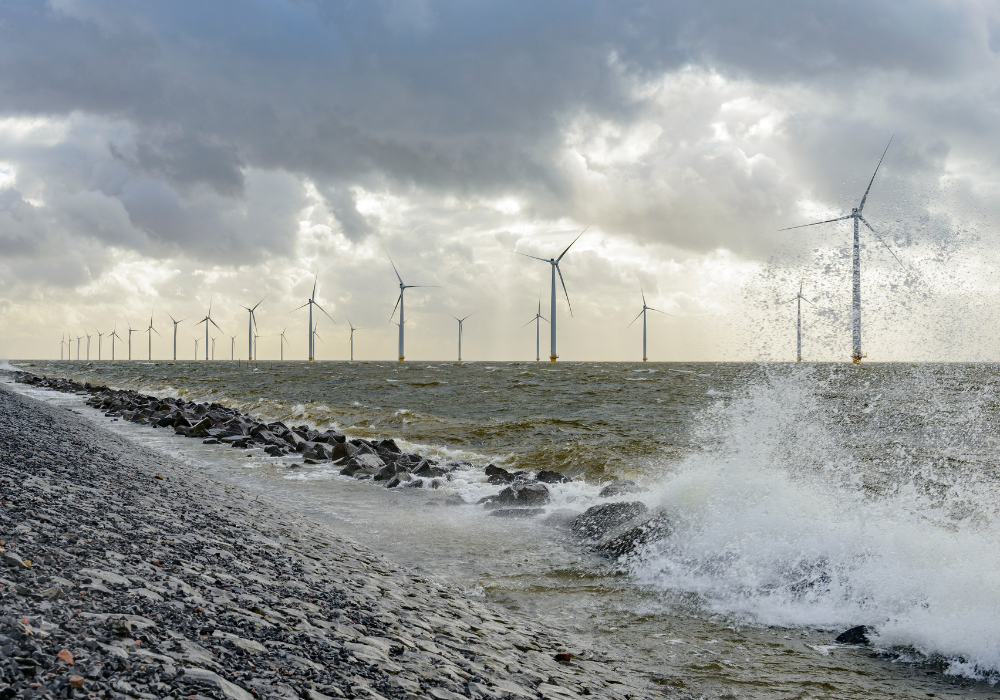
Offshore environments present harsh conditions that test the limits of wind technology. Turbines must withstand extreme weather like storms and salt corrosion, demanding robust designs and materials resistant to wear. Ongoing equipment maintenance becomes essential to ensure long-term operational reliability.
Design considerations might include corrosion-resistant materials, enhanced structural supports, and remote monitoring for real-time adjustments. Such adaptations maintain operational efficiency in challenging conditions, reducing maintenance frequency and costs, and maximizing energy production despite unpredictable marine weather patterns.
10. Training skilled workforce is essential for installation and ongoing maintenance.

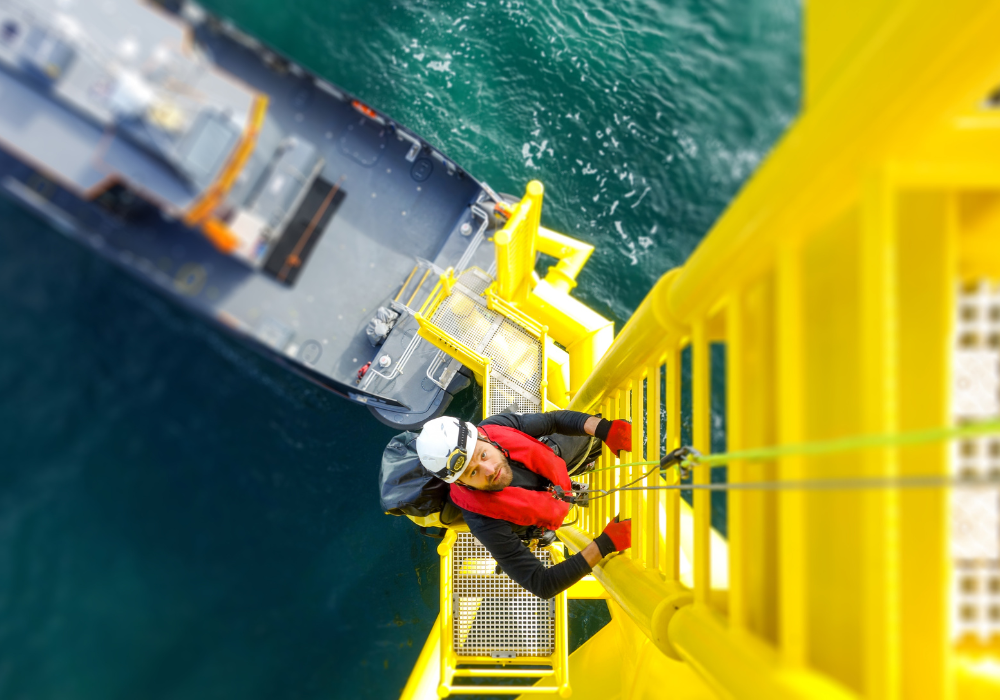
Equipping workers with specialized skills is crucial for constructing and maintaining offshore wind installations. Skilled labor requirements span from technical operators to engineers who manage complex systems, ensuring seamless, safe operations. Training programs must focus on new technologies in wind energy to bridge skill gaps.
Inexperienced workforce can lead to inefficiencies and increased operational risks, impacting project timelines. Emphasizing vocational training prevents skill shortages, guarantees efficient installations, and maintains systems through evolving technological demands. Comprehensive workforce development secures industry growth and sustainability in the renewable energy sector.