
Your brain was learning fast, but it wasn’t built to store memories the way it does now.

Most adults struggle to remember much from their earliest years, even though childhood is filled with intense learning, emotion, and first-time experiences. This gap in memory isn’t unusual or personal — it’s a well-documented feature of human development known as childhood amnesia.
Researchers in neuroscience and developmental psychology have shown that young children do form memories, but their brains store and organize them very differently than adult brains do.
As the brain matures, systems tied to language, identity, and long-term recall undergo major restructuring. That reshaping helps explain why early memories fade, even though they once existed and mattered.
Click through to learn why most of us can’t remember anything before age three.
1. Most people lose access to memories before age three

For the majority of adults, memories from before age three are extremely rare or completely absent. This pattern appears across cultures, languages, and societies, pointing to a biological explanation rather than a personal one. Researchers refer to this widespread phenomenon as childhood or infantile amnesia.
The lack of recall doesn’t mean early life was forgotten in real time. Instead, it reflects how the developing brain handles storage and retrieval. The systems needed to preserve autobiographical memories long term simply aren’t fully established yet.
Follow us and access great exclusive content every day
2. Babies and toddlers can form memories in the moment

Young children clearly demonstrate memory. They recognize caregivers, learn routines, and remember experiences over short and medium time spans. This shows that memory formation itself is not absent in early life.
The issue is durability. Without mature memory systems, many early memories are stored in ways that don’t translate into adult recall. As the brain develops new organizational frameworks, those early traces become difficult to retrieve later on.
3. The hippocampus is still developing in early childhood

The hippocampus plays a central role in forming and retrieving long-term memories. In infants and young children, this structure is still growing and reorganizing.
Because the hippocampus is immature, early memories may lack the stability required for lifelong storage. As the hippocampus matures, memory networks are reshaped, and some early memories lose access points, even if they were once accessible.
4. Language helps lock memories into place

Adults tend to remember life events as stories, complete with words, sequences, and meaning. Language provides a framework that helps memories stick.
Young children don’t yet have the language skills needed to build those narratives. Without words to anchor experiences, early memories are encoded in nonverbal forms that don’t always survive the transition into language-based memory systems.
Follow us and access great exclusive content every day
5. Early memories form before a stable sense of self

Autobiographical memory depends on knowing that an experience happened to “me” at a specific time. In early childhood, that sense of self is still developing.
Without a stable identity framework, memories may exist without being organized around a personal narrative. As self-awareness strengthens, the brain prioritizes memories that fit this structure, making earlier experiences harder to consciously recall.
6. Brain development actively reshapes memory networks
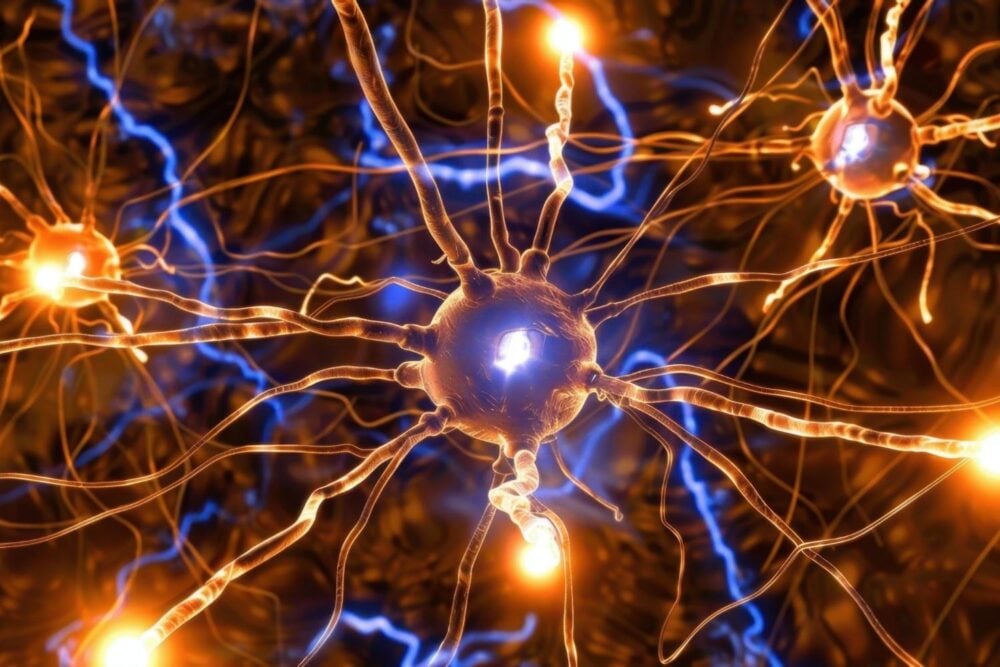
As children grow, their brains undergo rapid and extensive reorganization. New neural connections form at a fast pace, while others are pruned away as the brain becomes more efficient.
This process helps support language, reasoning, and long-term planning, but it also reshapes how memories are stored and retrieved. During this transition, early memory traces may lose their original pathways, making them difficult to access later in life.
Rather than being erased, many childhood memories become disconnected from the systems adults rely on for recall. The brain isn’t discarding information at random. It’s restructuring itself to prioritize learning, flexibility, and survival in a more complex world.
7. Emotional memories are processed differently early on

Emotion can strengthen memory, but emotional processing itself changes as the brain matures. Young children feel emotions intensely, yet the systems that bind emotion to long-term memory are still developing.
As a result, even emotionally meaningful early experiences may not be stored in ways that support adult recall. The emotional imprint can persist, influencing behavior or feelings later, even if the memory itself cannot be consciously accessed.
Follow us and access great exclusive content every day
8. Sleep patterns affect early memory consolidation

Sleep plays a critical role in memory consolidation, and sleep architecture changes dramatically in early childhood. Infants and toddlers spend more time in different sleep stages than adults.
Because memory consolidation depends on sleep cycles, these differences may affect how early memories are stabilized. As sleep patterns mature, the brain becomes better at converting experiences into long-lasting memories.
9. Culture and storytelling shape what gets remembered

Some childhood memories adults believe they recall may actually come from repeated family stories, photos, or reminders. Over time, these narratives can feel like personal memories.
Cultural habits around storytelling influence which experiences are reinforced and which fade. What survives into adulthood is often shaped as much by social repetition as by original experience.
10. Early memories often fade rather than disappear

Many researchers believe early memories are not completely erased. Instead, they become inaccessible as retrieval systems change.
These hidden memories may still influence emotional responses, habits, or preferences without conscious awareness. Forgetting doesn’t mean early experiences stop affecting us — it means they operate below the surface.
11. Childhood amnesia reflects healthy brain growth

Forgetting early childhood memories is considered a normal part of development, not a sign of damage or dysfunction. As the brain matures, it prioritizes efficiency, flexibility, and long-term learning over preserving every early experience in detail.
Memory systems evolve alongside language, reasoning, and social awareness. This process naturally reshapes what can be recalled later in life. Childhood amnesia reflects a brain adapting to new cognitive demands, not losing information due to failure or decline.
12. Forgetting early life may help the brain move forward
Losing access to early memories may actually serve an important purpose. By letting go of experiences formed under immature systems, the brain becomes better equipped to learn, plan, and adapt in adulthood.
Rather than holding onto fragmented early impressions, the brain focuses on building memories that support complex thinking and identity. While it can feel unsettling to know so much of childhood is unreachable, this forgetting highlights how adaptable the human brain is.