
From fashion and films to gaming and social media, the Middle Ages are suddenly everywhere—and experts say it’s no coincidence.
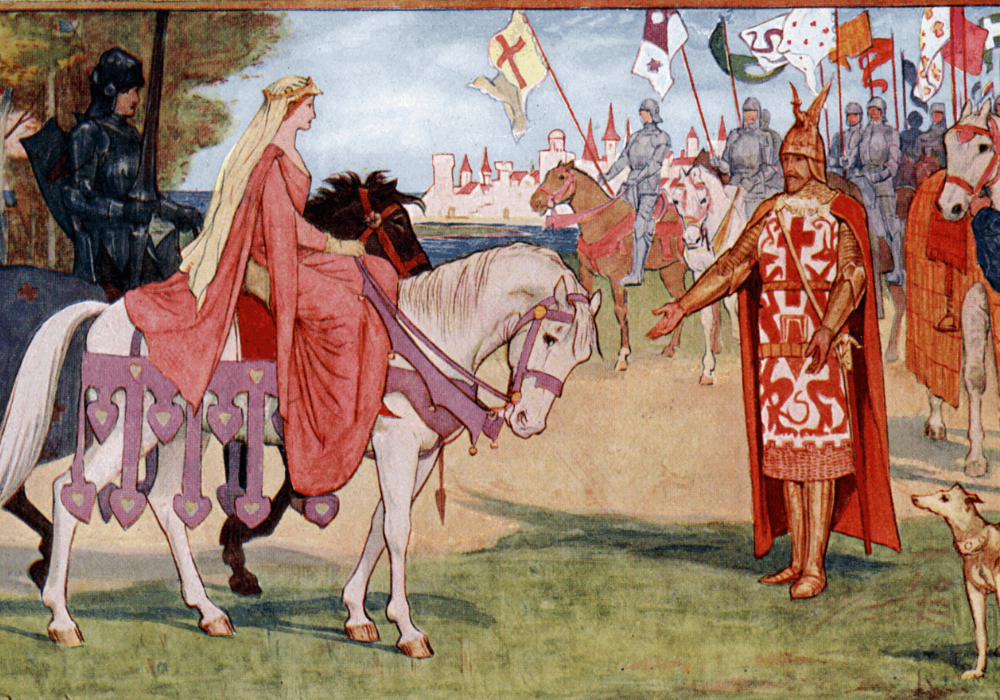
Dragons, knights, feudal drama, and medieval aesthetics are resurfacing across entertainment and lifestyle trends at a pace not seen in decades. From blockbuster shows and fantasy video games to viral fashion styles and historical hobbies, the Middle Ages are having an unexpected revival. Researchers say this surge is tied to deeper cultural shifts, including economic uncertainty, digital burnout, and a longing for storytelling that feels timeless. As modern life accelerates, pop culture is reaching back a thousand years for meaning, escape, and inspiration.
1. Medieval Themes Are Dominating Today’s Biggest Fantasy Franchises
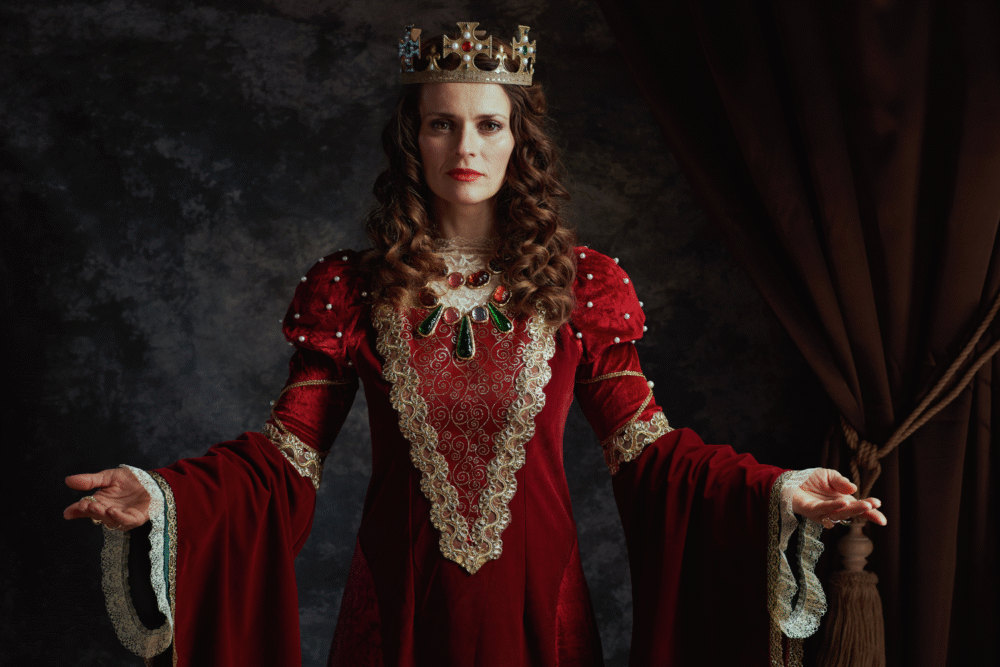
From Game of Thrones and House of the Dragon to The Witcher and Lord of the Rings spinoffs, medieval-inspired fantasy remains one of the most profitable genres in entertainment. These franchises rely on castles, kingdoms, dynasties, and feudal politics rooted in real medieval history.
Their popularity has surged in the last decade because audiences gravitate toward epic world-building and long-form storytelling. The success of these shows has pushed studios to invest heavily in medieval aesthetics, ensuring the trend continues to shape modern viewing habits.
2. Video Games Are Fueling a New Wave of Medieval Fascination

Games like Elden Ring, Skyrim, Kingdom Come: Deliverance, and Assassin’s Creed Valhalla have reintroduced players to medieval settings through immersive open worlds. These titles blend realistic combat, historical environments, and folklore in ways that appeal to both casual and devoted gamers.
Gaming’s global reach means medieval-inspired content influences millions of players daily. Developers continue using these settings because they offer endless creative freedom—something modern or futuristic worlds can’t match as easily.
3. Historical Reenactment and Living History Are Growing Rapidly
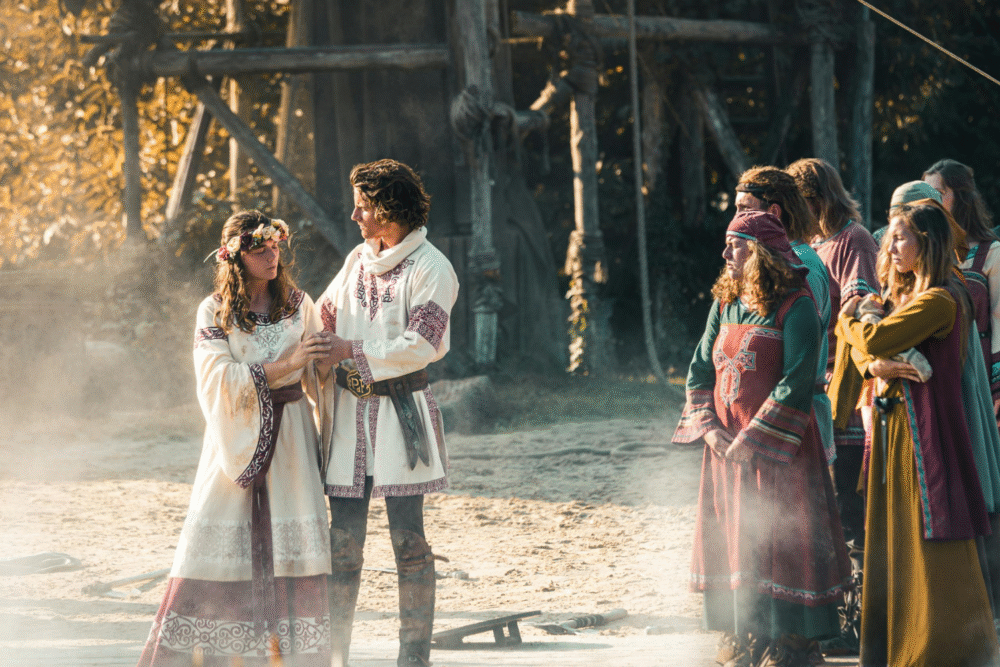
Organizations such as the Society for Creative Anachronism (SCA) and medieval reenactment groups across the U.S. and Europe have seen increased participation in recent years. Members learn swordsmanship, weaving, calligraphy, blacksmithing, and other medieval crafts.
This movement appeals to people seeking hands-on hobbies and community connection. As modern life becomes more digital, activities rooted in physical skills and historical craftsmanship feel refreshing and meaningful, contributing to broader medieval nostalgia.
4. Fashion Trends Are Bringing Medieval Silhouettes Back

Designers have revived medieval-inspired elements such as dramatic sleeves, corset-style bodices, braided hairstyles, and long, flowing silhouettes. Runway collections from major brands have featured chain-mail accents, leatherwork, and cloak-like outerwear.
These influences often appear subtly in everyday fashion—structured bodices, earth-tone palettes, and handmade-looking textiles. As consumers embrace “slow fashion” and artisanal materials, medieval aesthetics resonate with modern values around craftsmanship and authenticity.
5. Economic Uncertainty Drives Interest in Pre-Modern Stories

Historians note that renewed interest in past eras often appears during periods of social or economic stress. The medieval world, despite its hardships, is perceived as simpler, slower, and more rooted in community than today’s fast-paced society.
This doesn’t mean people want to return to medieval life—only that its imagery offers escape from modern complexity. Shows, games, and books set in the Middle Ages provide distance from current events while still feeling familiar enough to explore.
6. Medieval Symbolism Offers Clear Heroes and Villains
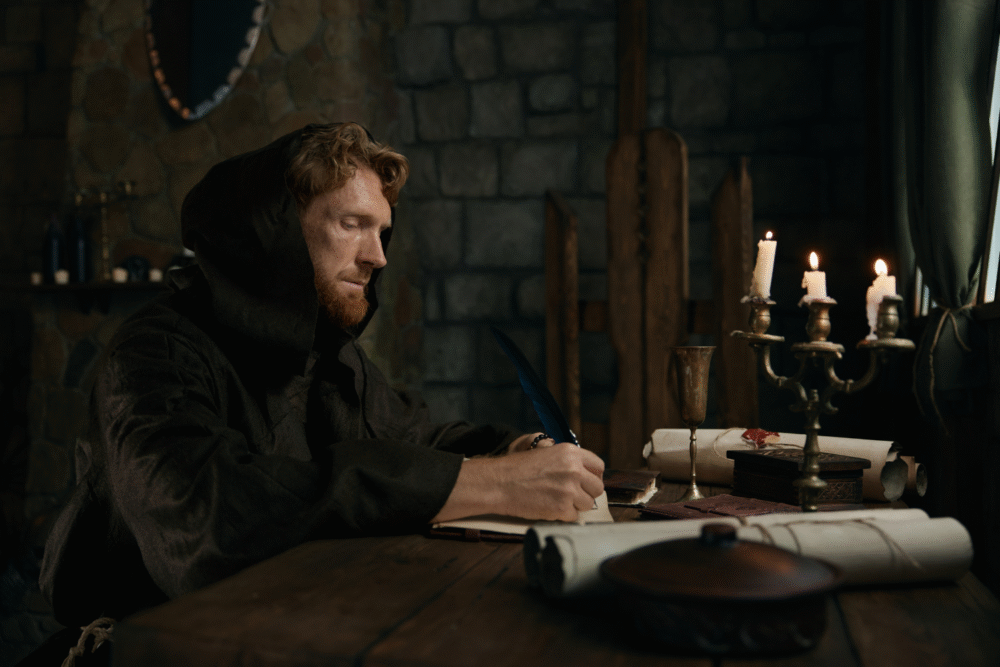
Pop culture audiences are drawn to straightforward storytelling, especially when contemporary narratives feel ambiguous or overwhelming. Medieval-inspired stories typically feature recognizable roles—knights, rulers, rebels, guardians, and adversaries—filling a desire for clarity.
These archetypes tap into moral frameworks that go back centuries. They allow complex social issues to be explored through familiar symbols, making them accessible across cultures and age groups.
7. Social Media Is Amplifying Medieval Aesthetics

Platforms like TikTok, Instagram, and YouTube have fueled trends like “cottagecore,” “dark academia,” “bardcore” music, and medieval cosplay. Users post lute covers of pop songs, create knight-themed skits, or share medieval cooking tutorials based on historical texts.
These trends spread quickly because they blend history with creativity. Social media makes it easier than ever for niche historical interests to find huge audiences, turning what used to be a hobby into a full-on aesthetic movement.
8. Academic Interest in Medieval Studies Is Increasing Again

University programs in medieval literature, history, and art have seen renewed attention thanks to the popularity of medieval-themed media. Students exposed to medieval stories in pop culture often pursue deeper academic exploration.
This shift has led to more public history projects, translated manuscripts, museum exhibits, and online educational content. The academic world and pop culture now influence each other, pushing medieval topics into public conversation.
9. Medieval Architecture and Landscapes Inspire Modern Creators

Castles, cathedrals, walled towns, and ancient forests provide striking visual inspiration for filmmakers, photographers, designers, and digital creators. Tourism to medieval sites in Europe has increased since the early 2010s, especially locations featured in popular media.
These landscapes feel timeless and cinematic, making them ideal for fantasy or historical productions. As more creators use medieval backdrops, the aesthetic becomes even more entrenched in pop culture.
10. The Rise of Tabletop Gaming Has Reinvigorated Medieval Storytelling
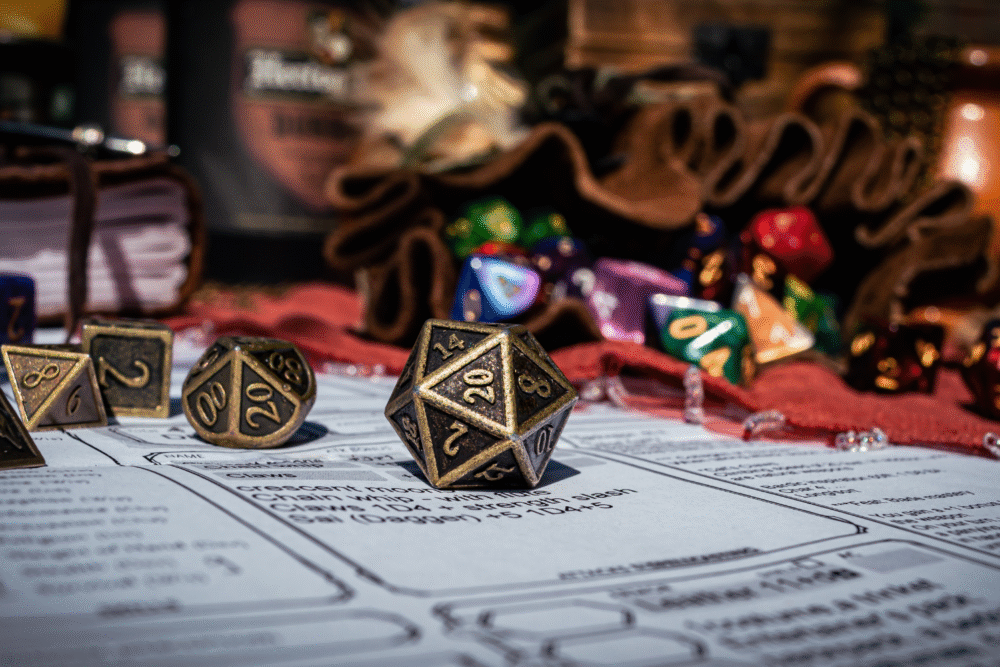
Dungeons & Dragons and other tabletop role-playing games have exploded in popularity, especially during and after the pandemic. These games rely heavily on medieval European-inspired settings filled with guilds, kingdoms, and mythic creatures.
The collaborative storytelling format encourages creativity and world-building, keeping medieval themes central to the experience. Their success continues to influence books, movies, and digital adaptations.
11. People Are Searching for Meaning in Older Stories and Values
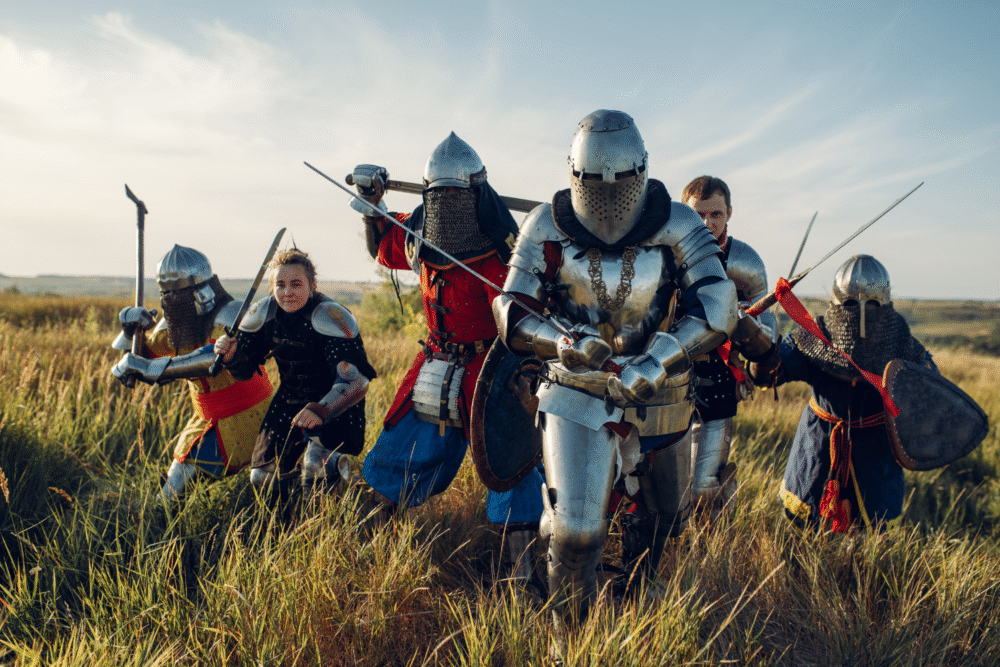
Many medieval narratives emphasize loyalty, bravery, spirituality, craftsmanship, and communal responsibility—values people often feel are diluted in the digital era. As life becomes more fragmented, stories rooted in tradition and purpose feel comforting.
This longing for deeper structure helps explain why medieval themes—from heroic quests to village life—show up in so many corners of pop culture. They offer a symbolic return to narratives where identity, community, and purpose feel clearer than they often do today.