
A familiar feature is disappearing from restaurants, hinting at a deeper transformation in how fast food really works.
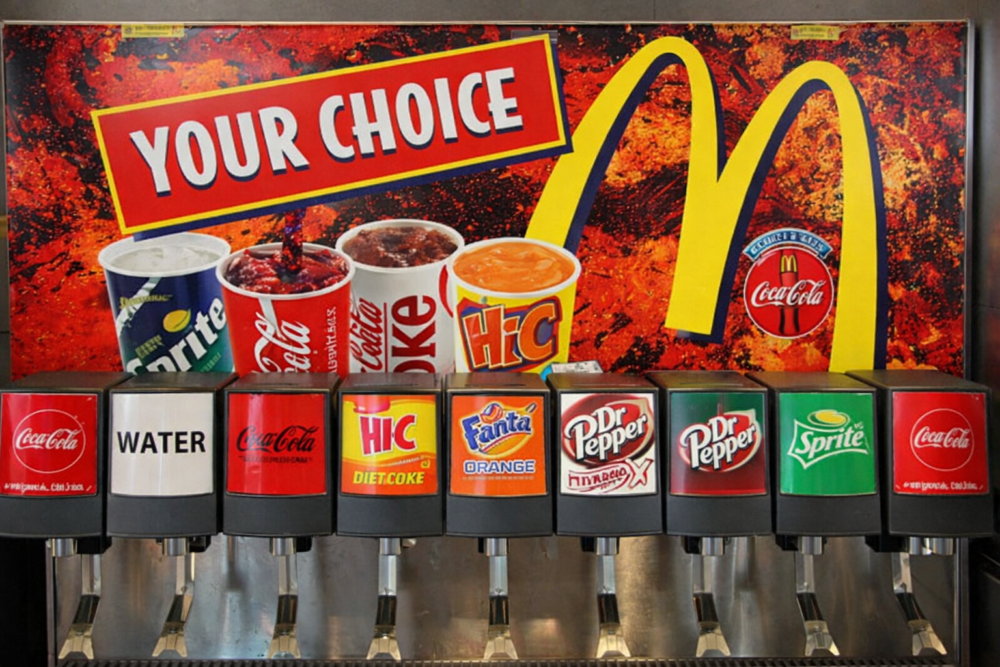
A familiar part of the fast-food experience is quietly disappearing. For decades, self-serve soda fountains felt like a small convenience customers barely thought about. You grabbed a cup, filled it with ice, mixed flavors, and moved on.
But the way people use fast-food restaurants has changed. Dining rooms matter less than they once did, while mobile orders, drive-thru lanes, and delivery now dominate how meals are sold and prepared.
As restaurants adapt, McDonald’s is phasing out self-serve soda fountains. The move reflects deeper shifts in labor, cleanliness, and how fast food is designed to operate in the years ahead.
1. Soda Fountains Were Built for a Different Era
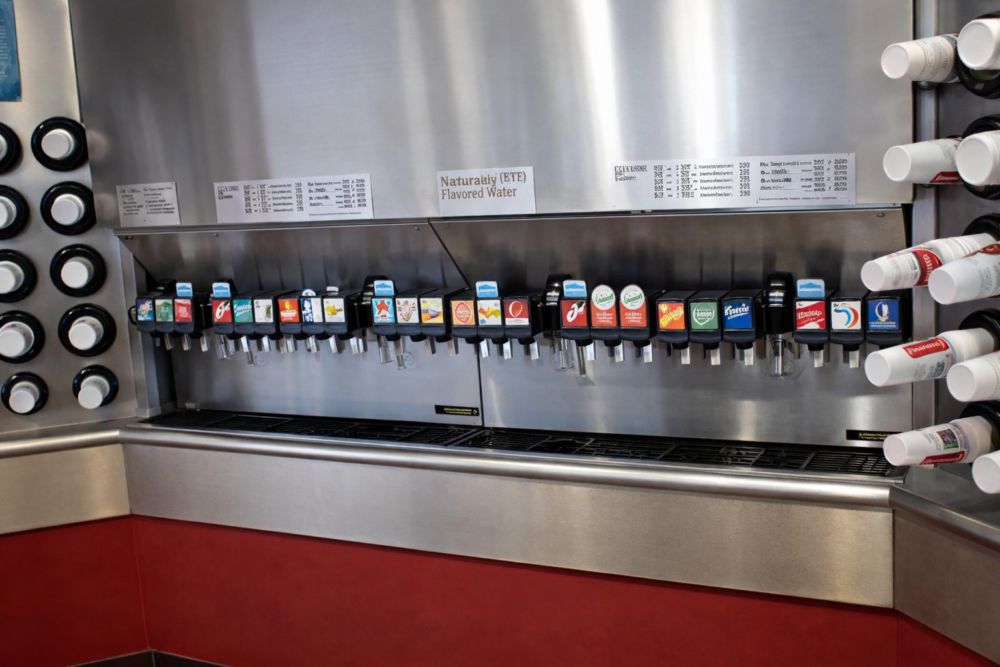
Self-serve soda fountains became popular when fast-food dining rooms were central to the business. Customers ordered inside, sat down, and often lingered. Letting people fill their own drinks reduced staff workload and kept lines moving.
That model worked when most orders happened at the counter. Today, far fewer customers step inside at all. As dining rooms shrink in importance, equipment designed mainly for in-store use no longer makes as much sense operationally.
2. Restaurant Layouts Are Being Rebuilt From the Ground Up
Newer McDonald’s locations are designed around drive-thru efficiency, pickup shelves, and digital ordering kiosks. Space is prioritized for food preparation and order flow rather than customer self-service areas.
Removing soda fountains frees up square footage and simplifies layouts. It also allows staff to control drink preparation the same way they control food, reducing bottlenecks and making store designs more consistent across locations.
3. Labor Efficiency Plays a Major Role
Although soda fountains reduced labor in the past, they also required ongoing maintenance, cleaning, and monitoring. Staff still had to restock syrups, manage spills, and handle customer issues.
Centralizing drink preparation behind the counter streamlines tasks. Employees can assemble complete orders in one place, which matters more as restaurants focus on speed metrics tied to drive-thru and mobile pickup performance.
4. Cleanliness and Hygiene Became Bigger Priorities
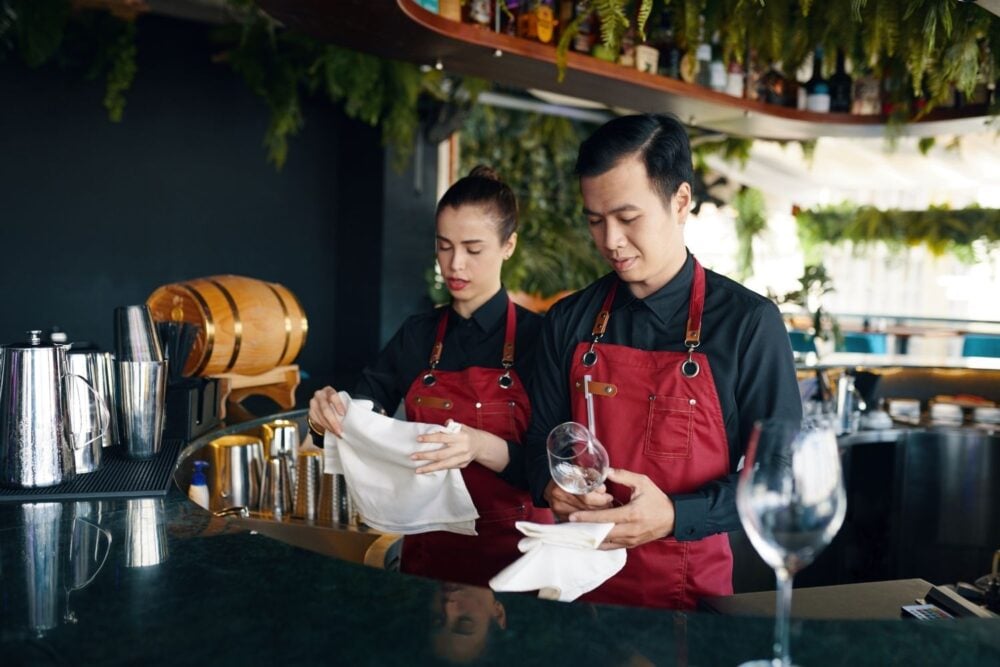
The pandemic permanently changed how restaurants think about shared touchpoints. Self-serve soda stations involve multiple people touching the same levers, ice dispensers, and lids.
While fountains are safe when properly maintained, perceptions matter. Eliminating shared equipment reduces cleaning demands and reassures customers who are more aware of hygiene than they were a decade ago.
4. Cleanliness and Hygiene Became Bigger Priorities
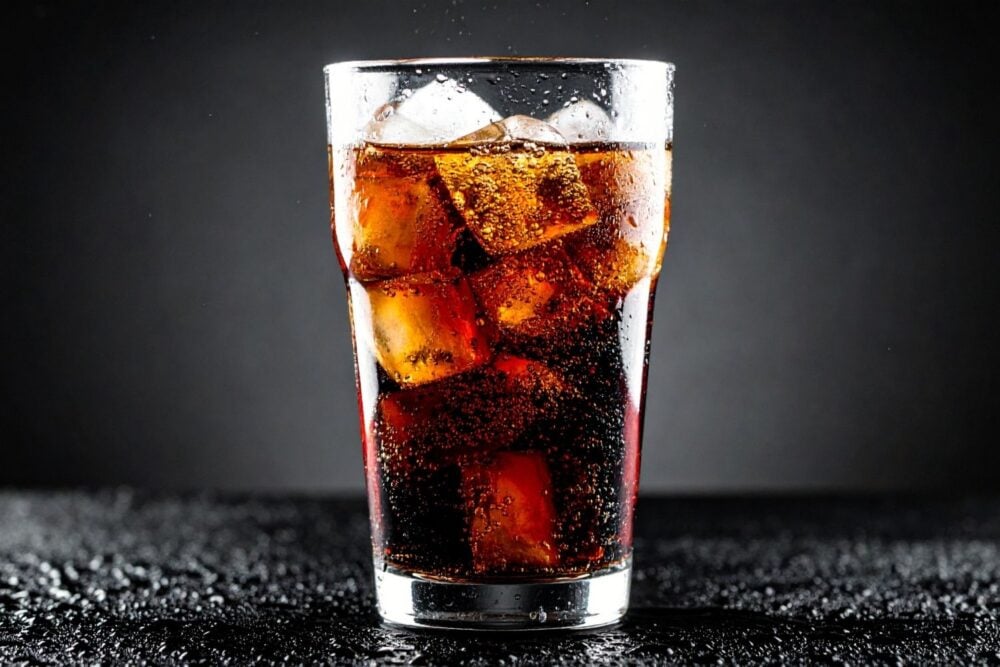
The pandemic permanently shifted how restaurants think about shared surfaces. Self-serve soda fountains involve dozens of customers touching the same levers, buttons, ice chutes, and lids every hour.
While health experts have long said properly maintained fountains are safe, perception matters just as much as reality. Reducing shared touchpoints lowers cleaning demands, minimizes spill-related messes, and helps restaurants present a more controlled, sanitary environment to customers who are now far more hygiene-aware than they were before.
5. Mobile and Delivery Orders Drove the Shift
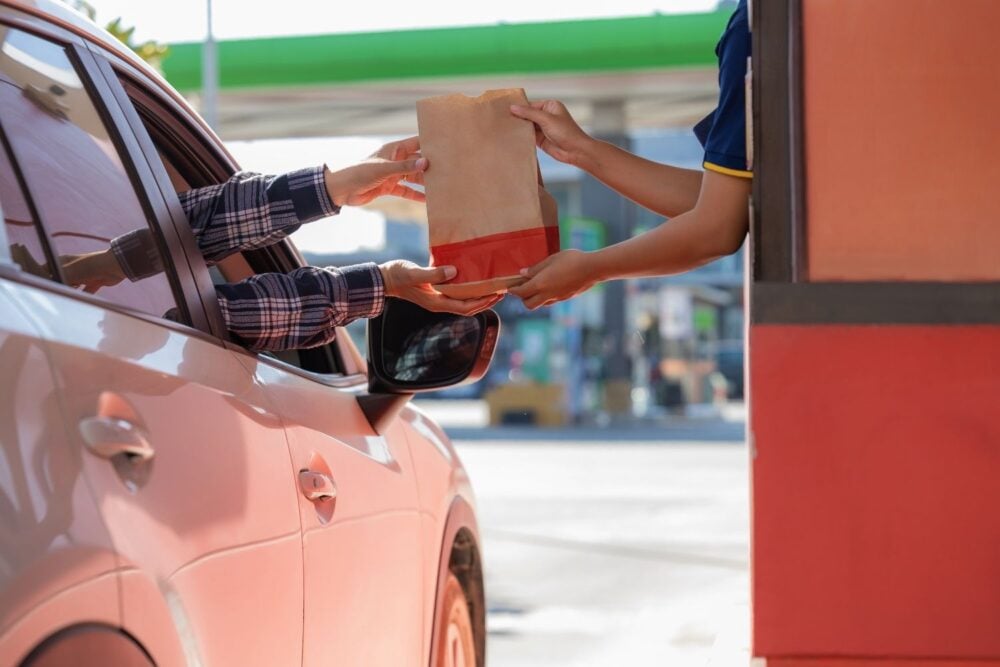
A growing share of fast-food sales now comes from drive-thru, mobile apps, and third-party delivery. In those scenarios, self-serve soda fountains play no role at all.
By moving drink preparation entirely behind the counter, restaurants create one streamlined workflow for every order type. That consistency reduces confusion during busy periods, speeds up assembly, and helps staff manage high volumes without juggling separate systems for dine-in and takeout customers.
6. Fewer Refills Are Not an Accident

Unlimited refills were once an unspoken perk of eating inside a fast-food restaurant. They made sense when customers lingered, ate on-site, and refilled cups during longer meals.
Today, fewer customers stay inside long enough to refill anything. From a business perspective, controlling portions reduces syrup use, ice waste, and unpredictable costs. While some locations may still offer refills, the overall model no longer depends on them as a selling point.
7. Maintenance Costs Add Up Over Time
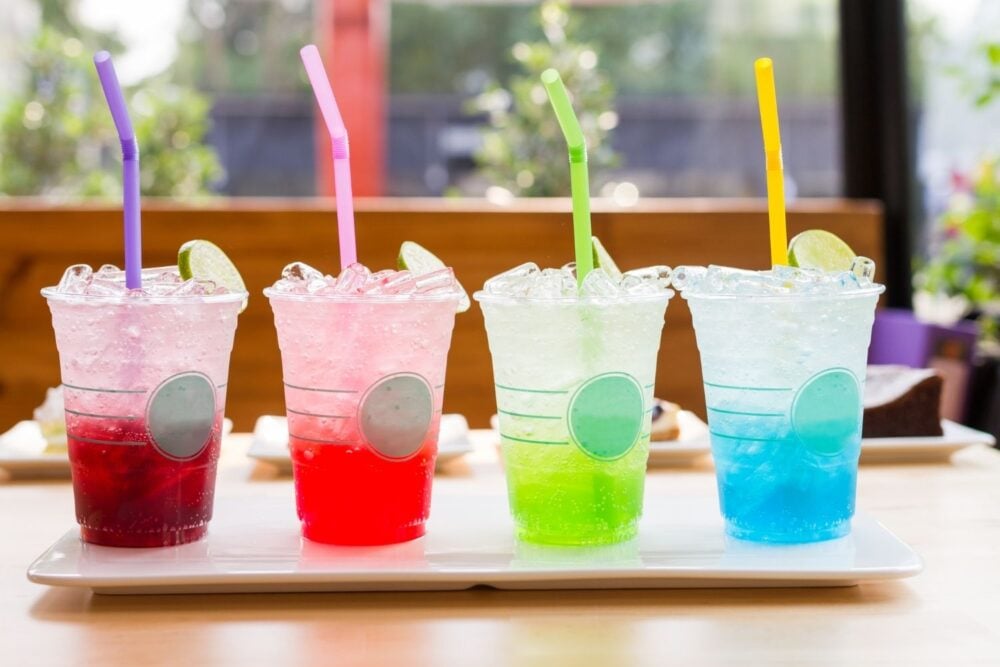
Soda fountains are far more complex than they appear. Ice machines, carbonation systems, syrup lines, drainage, and refrigeration all require regular inspection and servicing.
When problems occur, fountains can quickly become unusable or messy. Eliminating them reduces repair calls, downtime, and long-term equipment expenses. For a chain with thousands of locations, cutting even modest maintenance costs per store adds up to significant savings across the system.
8. Other Fast-Food Chains Are Making Similar Moves
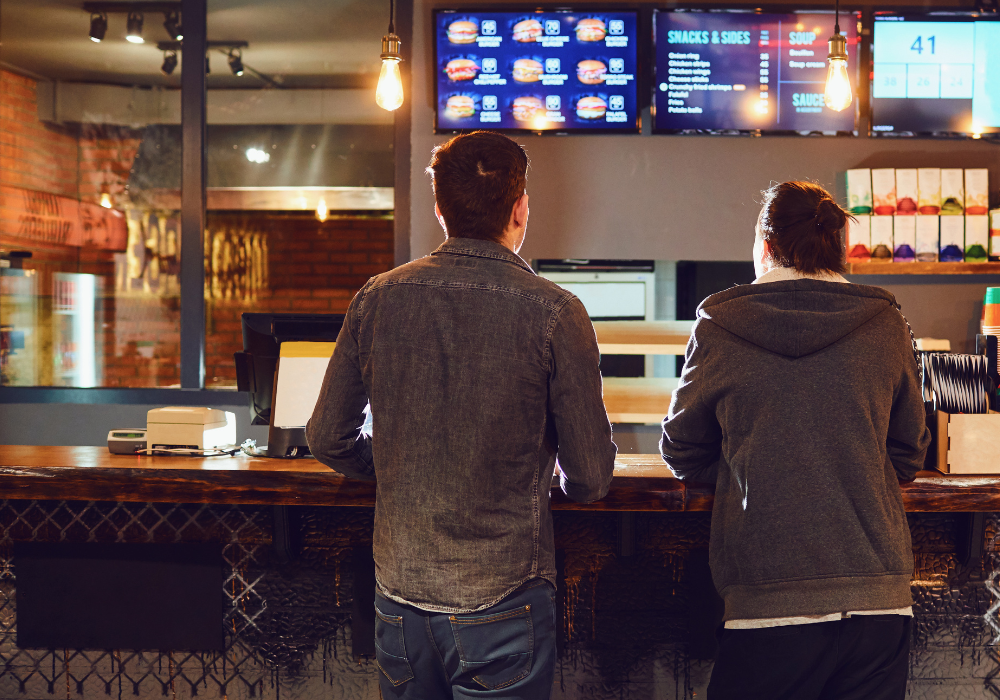
McDonald’s is not alone in rethinking self-service. Across the fast-food industry, dining rooms are shrinking, seating is being reduced, and customer-facing equipment is disappearing.
Chains are prioritizing layouts that give staff more control over food handling and order flow. Soda fountains are one of the most visible symbols of this shift, but they are part of a much broader redesign of how fast food operates.
9. Customer Experience Is Being Reframed
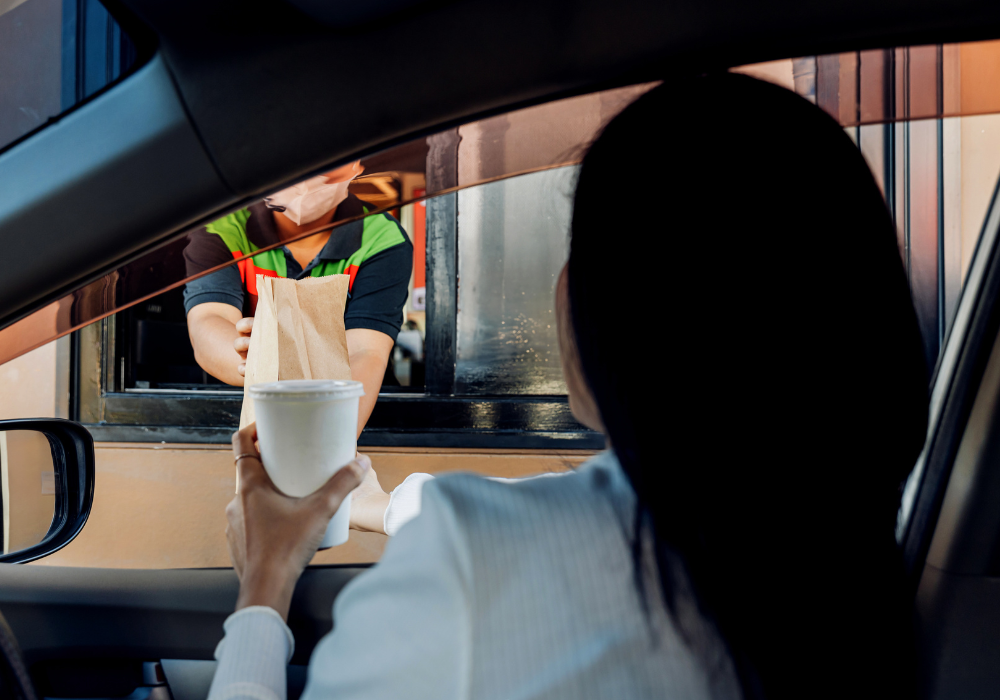
For years, customization at the soda fountain felt like a small moment of freedom. But many customers now care more about speed, accuracy, and convenience than personal mixing rituals.
Especially for drive-thru and delivery customers, the presence or absence of a soda fountain barely registers. The experience that matters most happens in seconds, not minutes, and is defined by how fast an order arrives and whether it’s correct.
10. The Phaseout Will Take Years
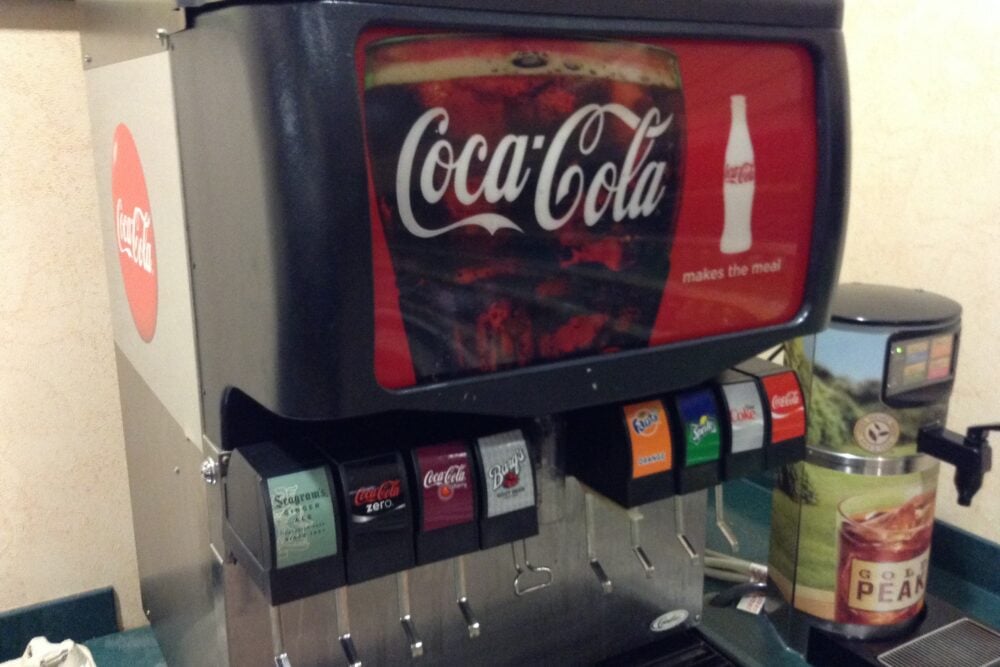
Self-serve soda fountains are not disappearing overnight. The phaseout is happening gradually as restaurants are remodeled or newly constructed.
That slow timeline allows franchise owners to plan upgrades without disruption. It also means customers will notice differences depending on location, with some stores keeping fountains for years while others remove them during redesigns.
11. What This Change Really Signals
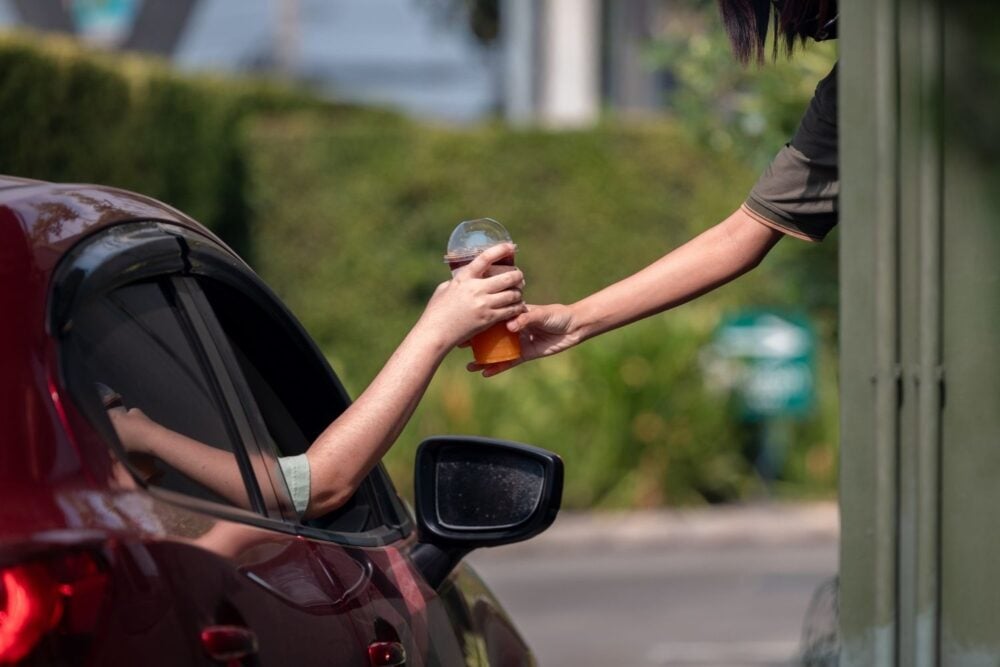
The disappearance of self-serve soda fountains is about far more than how drinks are poured. It reflects a fundamental shift in how fast-food companies design restaurants around speed, control, and consistency rather than in-store experience.
As drive-thru, mobile, and delivery orders continue to dominate, restaurants are being built to move food efficiently from kitchen to customer with as few variables as possible. Features that once encouraged lingering are giving way to layouts optimized for throughput. In that sense, soda fountains are not the end of an era, but a sign of how fast food is redefining what convenience now means.