
Indigenous voices share how stereotypes and history still shape everyday life in the U.S.
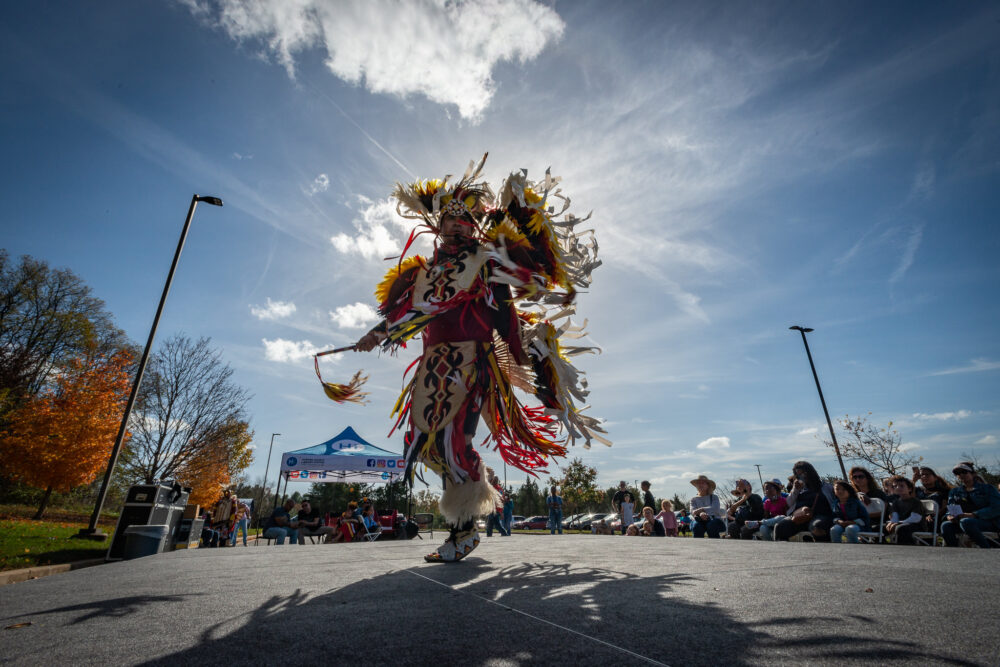
For many Native Americans, being questioned about whether they are “really” American is a familiar and frustrating experience.
Despite being the first inhabitants of this land, Indigenous people often find themselves treated as outsiders in their own country. From schools and media to everyday conversations, misconceptions about Native identity persist.
These experiences are not just about words or attitudes but reflect deeper historical and cultural misunderstandings that continue to affect how Native communities are seen and how they see themselves today.
1. Being Asked “Where Are You Really From” Hits Differently for Native America
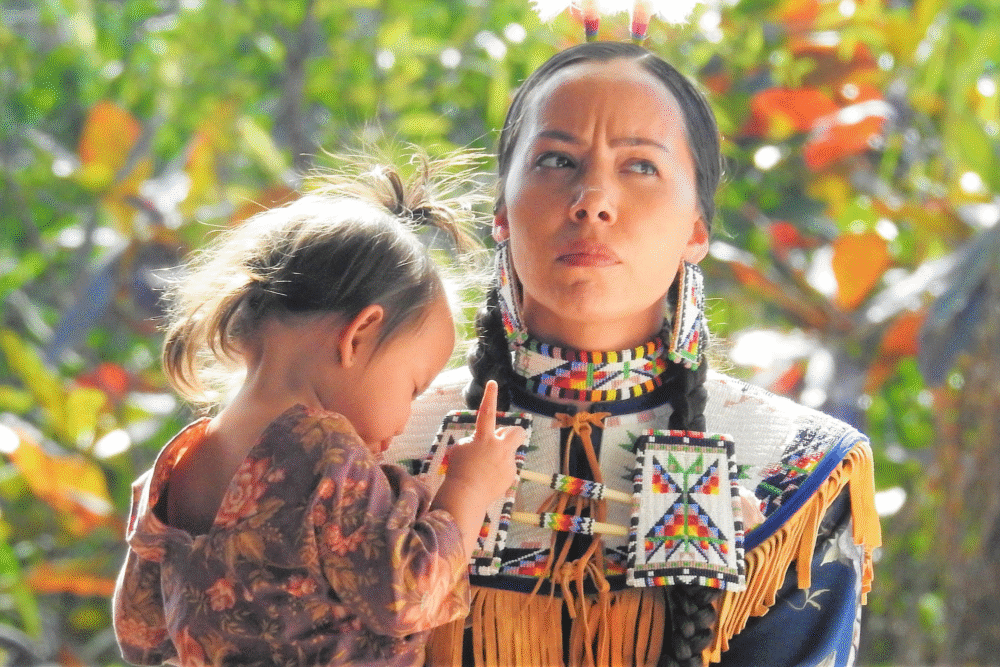
For many Native Americans, being asked where they are “really from” carries a different weight than it does for other Americans. While often meant casually, the question can imply that Native people do not belong in the United States, even though their communities existed long before the country itself.
This repeated experience can make Indigenous people feel invisible or erased in everyday life. It highlights how deeply ingrained assumptions about who looks “American” still are, and how Native identity is frequently excluded from that image.
2. Media Stereotypes Still Shape Public Perception
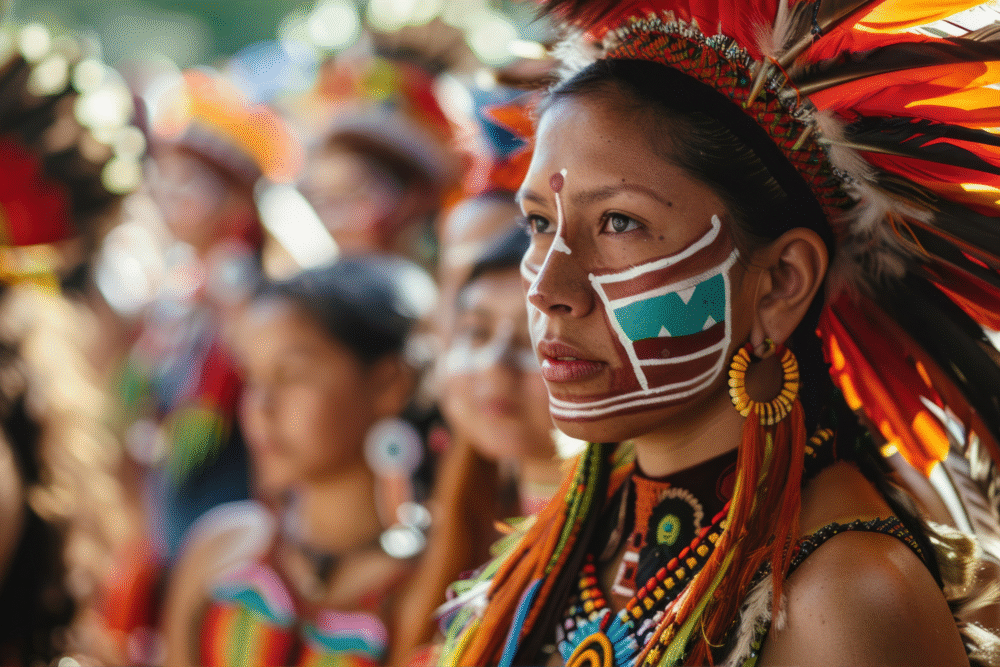
Movies, television, and advertising have long portrayed Native Americans through narrow and outdated stereotypes, often frozen in the past or reduced to symbolic figures. These portrayals rarely reflect the diversity, modern realities, or voices of real Native communities.
As a result, many Americans grow up with a distorted understanding of Native life. When Native people do not fit those stereotypes, they are sometimes questioned or dismissed, reinforcing the idea that Indigenous identity is something distant or historical rather than living and contemporary.
3. Many Americans Are Unaware Native Nations Still Exist
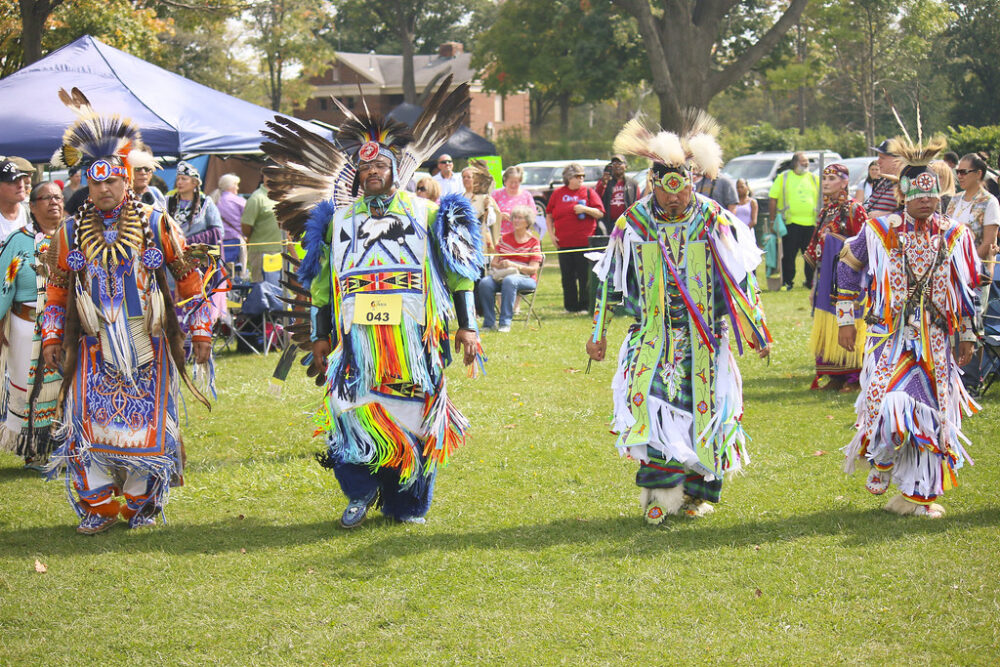
A surprisingly common misconception is that Native Americans are a people of the past rather than active, self-governing communities today. In reality, there are more than 570 federally recognized tribes in the U.S., each with its own culture, leadership, and traditions.
Yet this reality is often absent from school curricula and public conversation. When Native people are not taught about as modern citizens and sovereign nations, it becomes easier for society to overlook their presence and contributions.
4. History Classes Often Stop Too Soon

In many schools, Native American history is taught mainly up to the point of European contact or westward expansion, then quickly fades from the narrative. What comes after is often ignored or oversimplified.
This gap leaves students with the impression that Native Americans vanished or ceased to matter in shaping the country. Without learning about treaties, forced removals, boarding schools, and modern Native activism, Americans miss the context needed to understand Indigenous experiences today.
5. Citizenship Has Not Always Meant Belonging
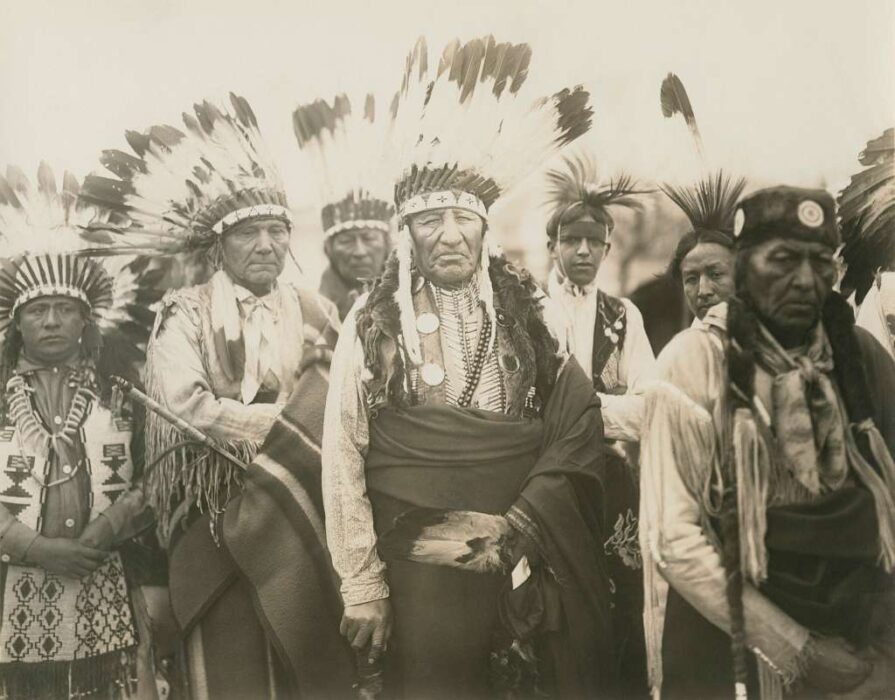
Native Americans were not granted U.S. citizenship until 1924, and even after that, many states prevented them from voting for decades. This legal exclusion has left lasting effects on how Native identity is viewed and treated.
Even now, some Native voters face barriers like limited polling places or lack of access to registration services. These challenges reinforce the feeling among many Indigenous people that full inclusion has often been promised but not consistently delivered.
6. Living Between Tribal Identity and National Identity
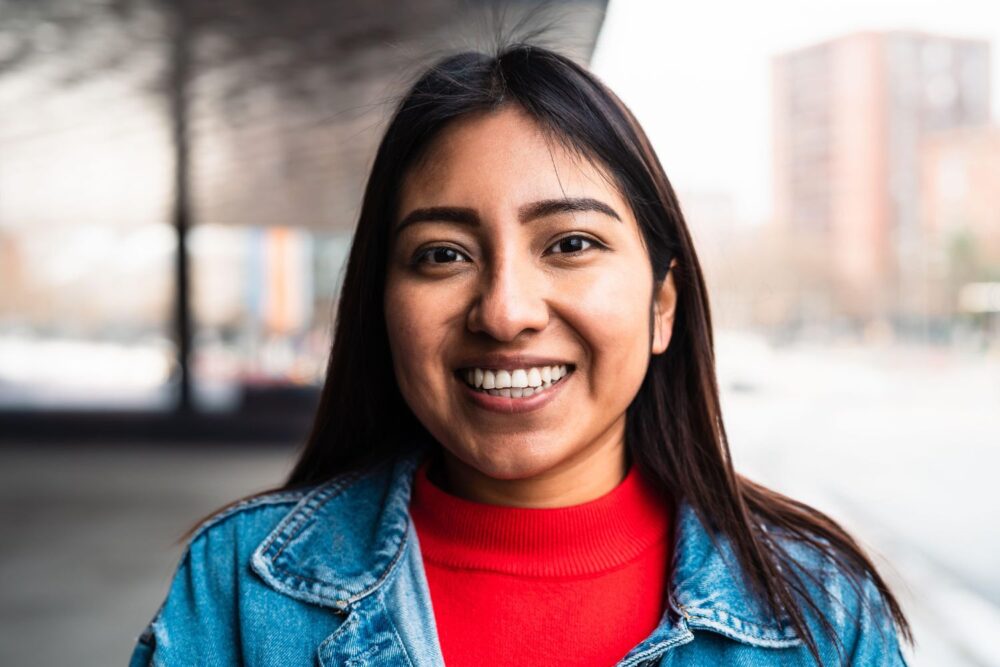
Many Native Americans navigate a dual identity, belonging both to their tribal nation and to the United States. While this can be a source of pride, it can also create tension when others do not understand or respect tribal sovereignty.
Being asked to “choose” between being Native and being American ignores the fact that these identities coexist. For many Indigenous people, their tribal identity is central to who they are, and that does not make them any less American.
7. Misunderstandings About Tribal Sovereignty Persist

Some people mistakenly believe tribal sovereignty gives Native Americans “special treatment” rather than recognizing it as a legal and political status rooted in treaties and federal law. This misunderstanding fuels resentment and reinforces the idea that Native communities exist outside the American system.
In reality, tribal sovereignty is a recognition of preexisting nations and their right to self-govern. Understanding this helps shift the narrative from exclusion to respect and lawful coexistence.
8. Everyday Encounters Can Feel Like a Test of Legitimacy
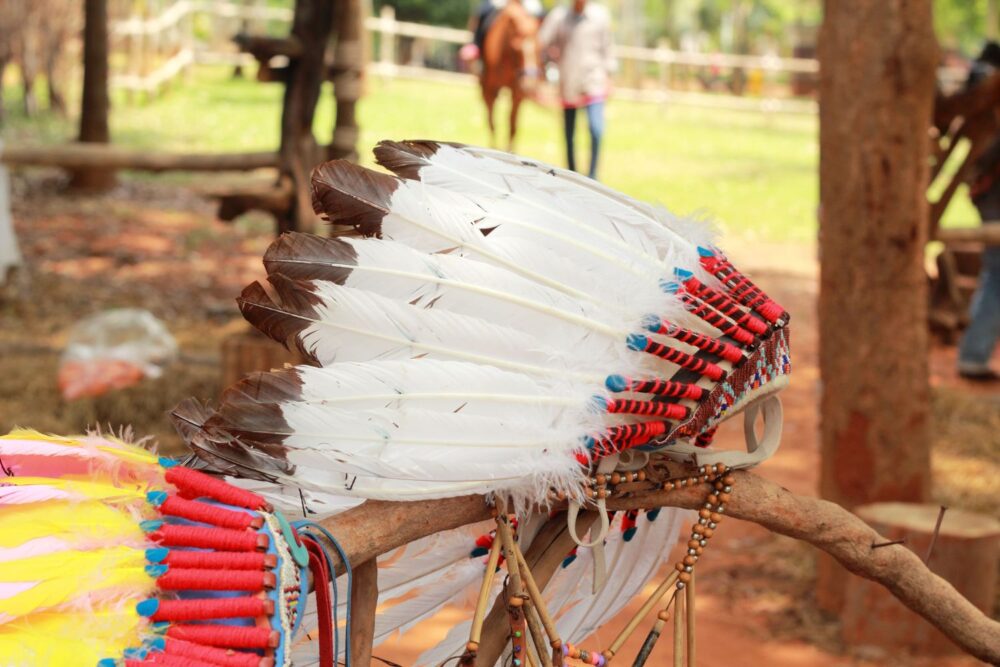
Native Americans often describe situations where they feel they must prove their identity or justify their place in American society. This can happen in workplaces, schools, or even medical settings when their heritage is questioned or doubted.
Over time, these moments accumulate, shaping how people see themselves and how comfortable they feel expressing their identity openly. For many, it creates pressure to explain, defend, or minimize who they are just to be accepted.
9. Representation Is Improving, But Gaps Remain
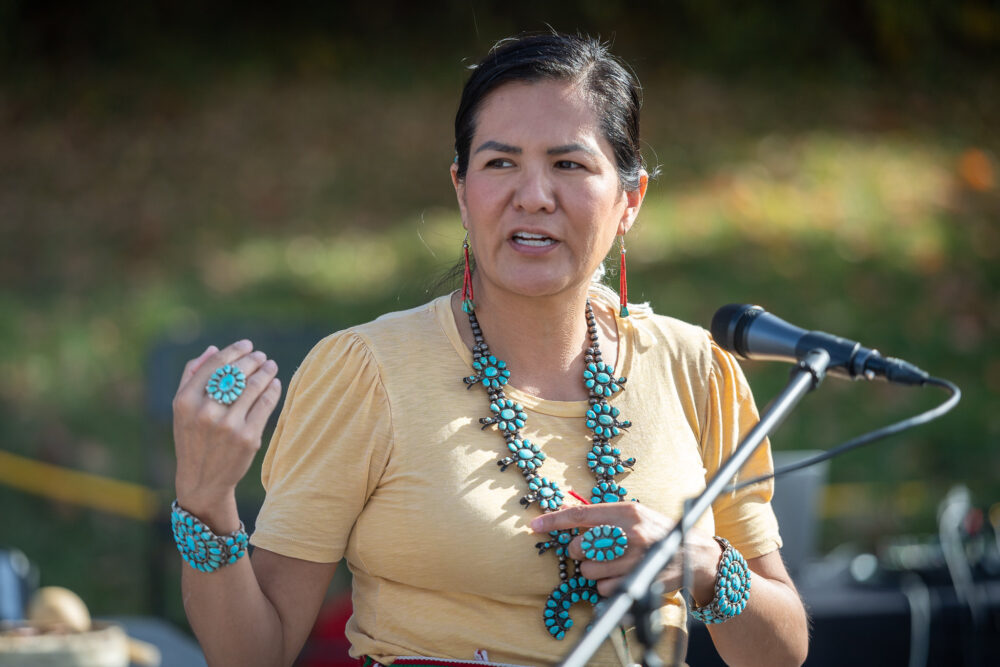
There has been progress in recent years, with more Native actors, writers, politicians, and activists gaining visibility. This representation helps challenge outdated images and shows the diversity of Indigenous life today.
Still, Native Americans remain underrepresented in media, government, and decision-making spaces. Without broader visibility, misconceptions persist, and many Americans continue to lack meaningful exposure to Indigenous voices and perspectives.
10. Younger Generations Are Reclaiming Identity

Across the country, many young Native Americans are actively reconnecting with language, culture, and traditions that were once suppressed. Social media, cultural programs, and tribal initiatives have helped spark a new era of visibility and pride.
These efforts are reshaping how Native identity is expressed and understood, both within Indigenous communities and by the wider public. They also challenge the idea that Native culture is something frozen in the past.
11. Being Seen as “Real Americans” Starts With Listening
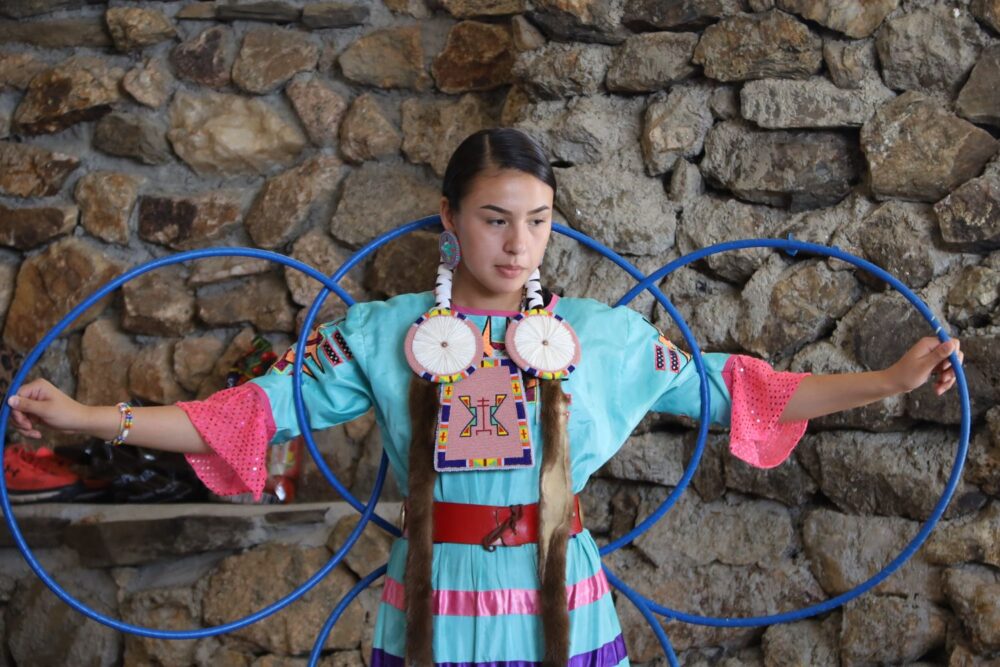
For many Native Americans, the path toward recognition is not about demanding special status but about being understood and respected. This begins with listening to Indigenous voices and acknowledging both historical and present realities.
When Americans learn more about Native nations as living communities, not symbols or footnotes, it becomes easier to see Indigenous people not as outsiders, but as an essential part of the country’s identity and story.