
Extreme heat exposure causes cellular damage, accelerated aging, and health risks that mirror long-term smoking effects.

Most people know that smoking cigarettes will age you faster and damage your health in countless ways. But what if I told you that simply living in extreme heat can cause almost identical damage to your body? It sounds impossible, but researchers are discovering that prolonged exposure to high temperatures triggers many of the same biological processes that make smoking so harmful.
Heat stress expert Dr. Camilo Mora from the University of Hawaii has spent years studying how extreme temperatures affect human health, and his research shows that heat exposure creates oxidative stress, inflammation, and cellular damage that’s remarkably similar to what happens when you smoke. With climate change making heat waves more frequent and intense, millions of people are unknowingly subjecting their bodies to this cigarette-like damage every single day.
1. Extreme heat creates the same oxidative stress in your cells that cigarette smoke does.

When your body overheats, it produces massive amounts of free radicals — the same destructive molecules that cigarette smoke floods your system with. These free radicals attack healthy cells, damage DNA, and break down proteins and fats throughout your body.
The oxidative stress from prolonged heat exposure is so similar to smoking that scientists can barely tell the difference when they examine cellular damage under a microscope. Just like smoking, this oxidative damage accumulates over time, gradually wearing down your body’s ability to repair itself and leading to premature aging at the cellular level, as mentioned in National Geographic.
2. High temperatures trigger chronic inflammation that ages your organs just like tobacco use.

Your body’s inflammatory response to extreme heat is almost identical to its reaction to cigarette toxins. When temperatures soar, your immune system goes into overdrive, producing inflammatory compounds that are meant to protect you but end up causing long-term damage instead.
This chronic inflammation attacks your cardiovascular system, damages your lungs, and accelerates aging in your brain, liver, and kidneys. The inflammatory markers in people exposed to extreme heat look remarkably similar to those found in heavy smokers, suggesting that heat stress is literally aging your organs at the same accelerated pace as cigarettes, according to NPR.
3. Heat exposure damages your DNA repair mechanisms exactly like smoking does to cause premature aging.

One of the most frightening discoveries is that extreme heat interferes with your cells’ ability to fix DNA damage, which is precisely how smoking accelerates aging throughout your body. When your core temperature rises, the enzymes responsible for repairing damaged DNA start malfunctioning, allowing mutations and cellular damage to accumulate unchecked, as shared in UNC Health Talk.
This breakdown in DNA repair leads to the same type of premature aging, increased cancer risk, and organ dysfunction that makes smoking so deadly. The cellular aging process speeds up dramatically when your body can’t properly maintain and repair its genetic material.
4. Your skin ages in extreme heat through the same collagen breakdown that happens with cigarette smoking.

The wrinkles, age spots, and leathery texture that heavy smokers develop happen through collagen and elastin breakdown — and extreme heat triggers exactly the same process. High temperatures activate enzymes that destroy the proteins keeping your skin firm and elastic, while also reducing your body’s ability to produce new collagen.
UV radiation makes this worse, but even without sun exposure, extreme heat alone can cause the same type of skin aging that makes longtime smokers look decades older than their actual age. The heat essentially cooks your skin proteins the same way cigarette toxins break them down.
5. Heat stress damages your cardiovascular system using the same mechanisms as tobacco smoke.

Extreme temperatures put enormous strain on your heart and blood vessels, creating cardiovascular damage that’s virtually indistinguishable from smoking-related heart disease. Heat exposure causes your blood to become thicker and stickier, increases blood pressure, and promotes the formation of dangerous blood clots.
The inflammation caused by heat stress also damages the lining of your arteries, leading to atherosclerosis and increased heart attack risk. Cardiologists are finding that people exposed to chronic extreme heat develop the same type of cardiovascular aging and disease patterns as heavy smokers.
6. Prolonged heat exposure impairs your lung function just like years of cigarette smoking.
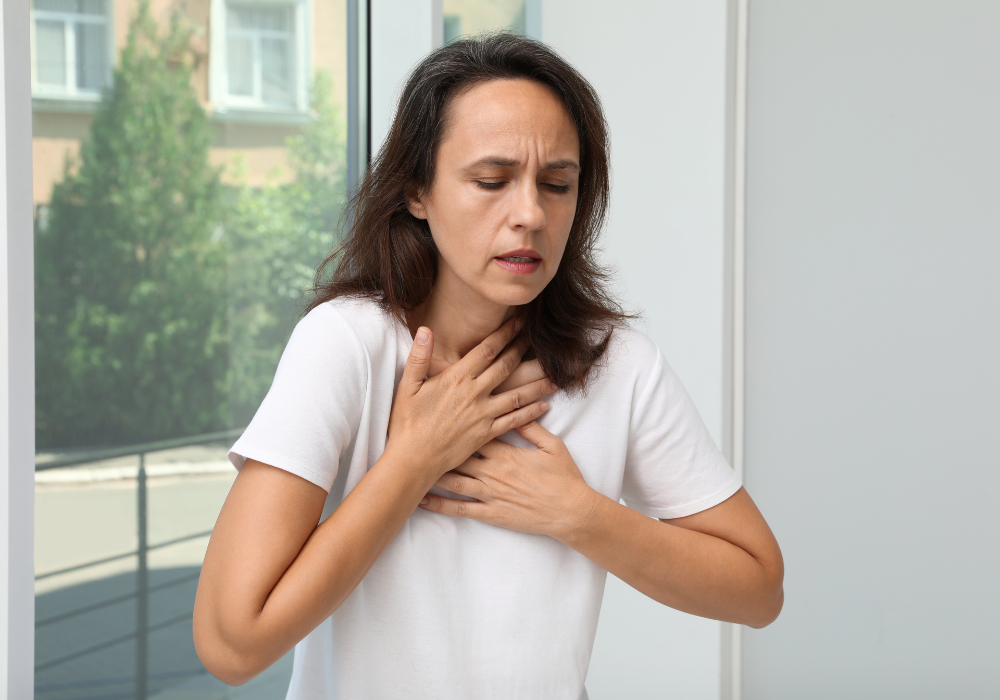
Even without inhaling smoke, extreme heat can damage your respiratory system in ways that mirror smoking-related lung disease. Hot air carries more pollutants and irritants that inflame your airways, while the stress of cooling your body puts extra demands on your lungs. Heat exposure reduces lung capacity, impairs oxygen exchange, and can trigger asthma-like symptoms even in people with healthy lungs.
The inflammatory damage to lung tissue from chronic heat exposure follows the same patterns as smoking-related lung disease, leading to reduced respiratory function and increased susceptibility to infections.
7. Extreme temperatures accelerate brain aging through the same oxidative pathways as nicotine addiction.

Your brain is particularly vulnerable to heat damage because it uses enormous amounts of energy and produces lots of waste heat that must be carefully regulated. When external temperatures overwhelm your body’s cooling systems, your brain experiences oxidative stress and inflammation that damages neurons and accelerates cognitive aging.
The brain changes seen in people exposed to chronic extreme heat look remarkably similar to those found in longtime smokers — including reduced memory function, slower processing speed, and increased risk of dementia. Heat stress literally ages your brain at the same accelerated pace as cigarette addiction.
8. Heat exposure disrupts your sleep patterns in ways that compound aging damage like smoking does.

Extreme heat interferes with your body’s natural sleep cycles, creating sleep deprivation that amplifies all the other aging effects of heat stress. Just like smoking disrupts sleep quality and reduces deep sleep stages, heat exposure prevents your body from getting the restorative sleep it needs to repair daily damage.
Poor sleep caused by heat stress reduces growth hormone production, impairs immune function, and accelerates cellular aging — the same cascade of effects that makes smoking so aging to your entire body. The combination of heat damage plus sleep deprivation creates a particularly devastating aging effect.
9. High temperatures damage your kidneys through the same dehydration and toxin buildup that cigarettes cause.
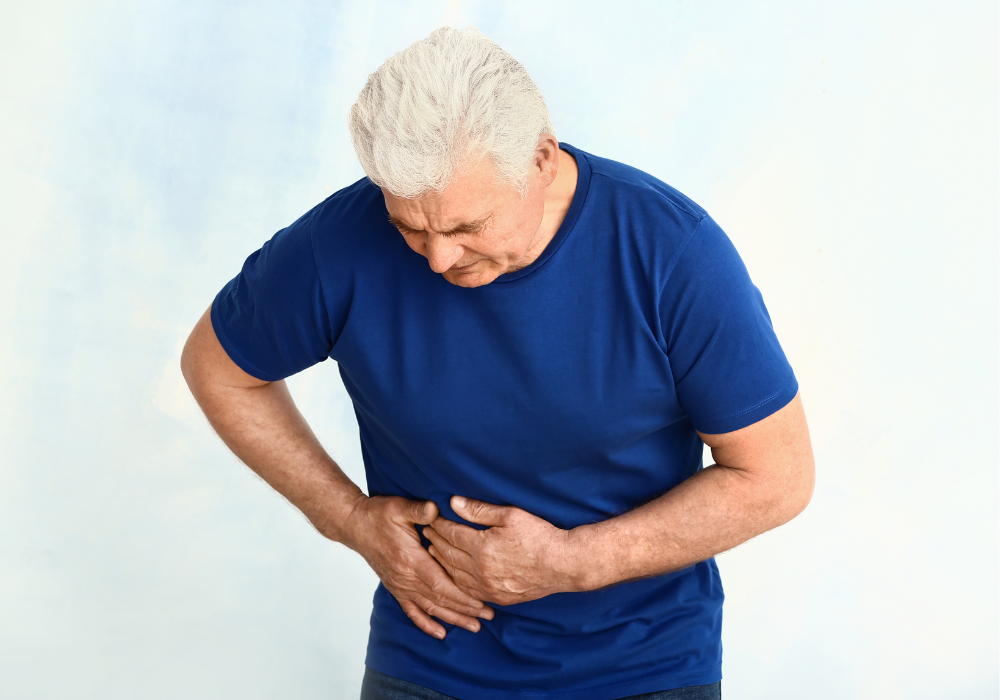
Extreme heat forces your kidneys to work overtime to maintain proper fluid balance and eliminate waste products, creating the same type of kidney stress and damage that smoking causes through different mechanisms. Heat-induced dehydration concentrates toxins in your blood, while the inflammatory response to heat stress directly damages kidney tissue.
Chronic exposure to extreme temperatures can lead to kidney stones, reduced kidney function, and accelerated kidney aging that follows the same progression as smoking-related kidney disease. Both heat stress and smoking essentially poison your kidneys through different but equally damaging pathways.
10. Heat stress weakens your immune system exactly like tobacco smoke does to accelerate infection risk.

Prolonged exposure to extreme temperatures suppresses your immune system’s ability to fight off infections and diseases, creating the same increased vulnerability that makes smokers more susceptible to illness. Heat stress reduces the production of immune cells, impairs their function, and disrupts the inflammatory responses needed to combat infections.
People living in extreme heat show the same patterns of immune system aging and dysfunction found in heavy smokers, including slower wound healing, increased infection rates, and reduced vaccine effectiveness. The immune aging caused by heat stress leaves you just as vulnerable as smoking does.
11. Extreme heat accelerates muscle and bone loss through the same inflammatory processes as cigarette smoking.

The chronic inflammation caused by heat stress breaks down muscle protein and interferes with bone formation in ways that mirror smoking-related muscle wasting and osteoporosis. Heat exposure increases levels of inflammatory compounds that signal your body to break down muscle tissue for energy, while also reducing your ability to build new muscle and bone.
Muscle and bone aging seen in people exposed to chronic extreme heat follows the same patterns as smoking-related muscle loss and bone disease. Both heat stress and smoking essentially accelerate the normal aging process that gradually weakens your musculoskeletal system.
12. Heat exposure damages your digestive system through stress responses identical to those caused by nicotine.

Extreme temperatures trigger stress responses that damage your digestive tract in ways that closely resemble smoking-related gastrointestinal problems. Heat stress reduces blood flow to your digestive organs, increases stomach acid production, and promotes inflammation throughout your digestive system.
The gut damage from chronic heat exposure includes increased intestinal permeability, disrupted gut bacteria, and impaired nutrient absorption — the same types of digestive aging that make smoking so harmful to your gastrointestinal health. Both heat stress and smoking essentially age your digestive system by creating chronic stress and inflammation that your gut can’t properly handle over time.