
Decades of research and billions in funding haven’t solved the deadly challenges of sending humans to Mars.

For decades, Mars has been humanity’s ultimate destination—a world within reach but just beyond our grasp. Despite huge advances in rocket design and life-support systems, the Red Planet remains off-limits to people. NASA, SpaceX, and international space agencies agree that the obstacles are immense: radiation exposure, long-duration isolation, and the sheer distance from Earth. Scientists say reaching Mars isn’t science fiction—it’s science limitation—and overcoming those barriers will define the next century of exploration.
1. The Distance to Mars Is Far Greater Than It Seems
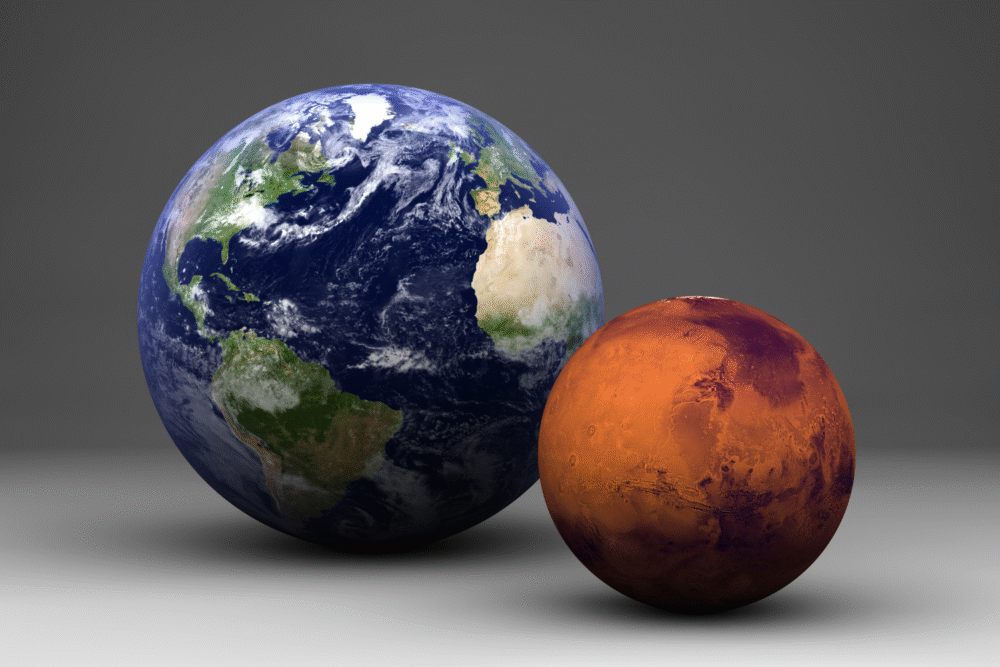
Mars may look close in telescope images, but at its nearest, it’s still about 34 million miles away—and often more than 200 million miles. That vast distance means a round trip would take between 18 months and 3 years, depending on orbital alignment.
Unlike the Moon, which takes just three days to reach, Mars missions must travel through deep space for months without resupply or rescue. The extreme isolation, limited communication, and narrow launch windows make every mission a one-shot endeavor.
2. Astronauts Would Face Deadly Radiation Exposure
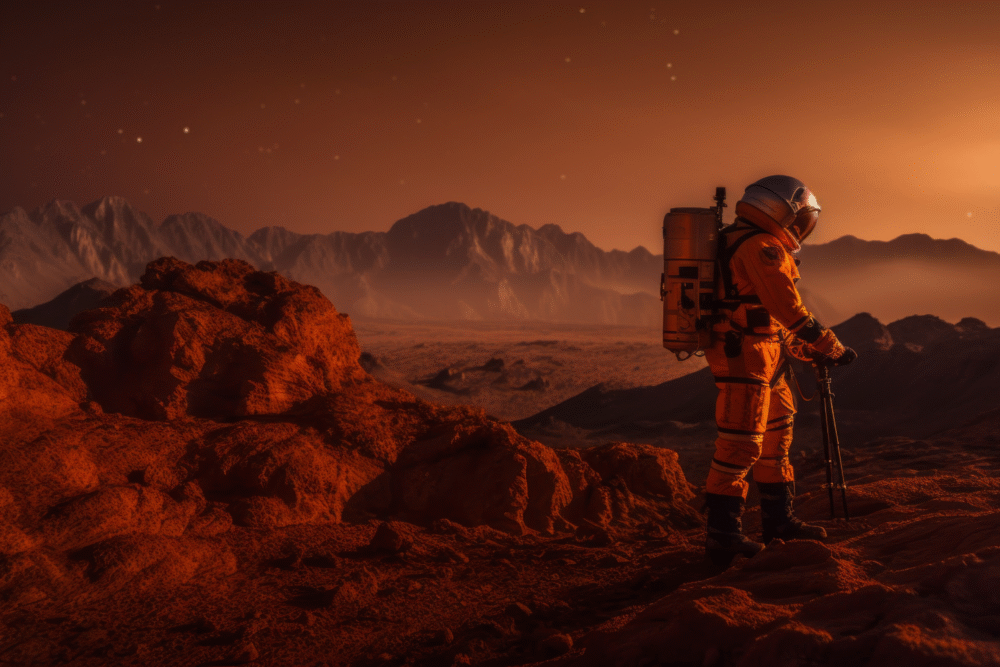
Beyond Earth’s protective magnetic field, cosmic rays and solar storms pose a lethal threat. Radiation levels in deep space are 100 times higher than those on Earth’s surface, greatly increasing cancer and organ damage risks.
NASA’s Curiosity rover has measured doses that would exceed safe limits during a Mars round trip. Engineers are testing spacecraft shielding and underground habitats, but no lightweight, cost-effective protection currently exists for long-term exposure.
3. Life-Support Systems Must Work Perfectly for Years

A Mars crew would need air, water, and food for a multi-year mission—with no backup. Recycling systems like those used on the International Space Station work well for months, but not yet for the years required in deep space.
To survive, astronauts must grow or generate their own oxygen and food. Even a minor mechanical failure could prove fatal, and with a communication delay of up to 22 minutes, immediate help from Earth would be impossible.
4. Spacecraft Can’t Yet Carry Enough Fuel
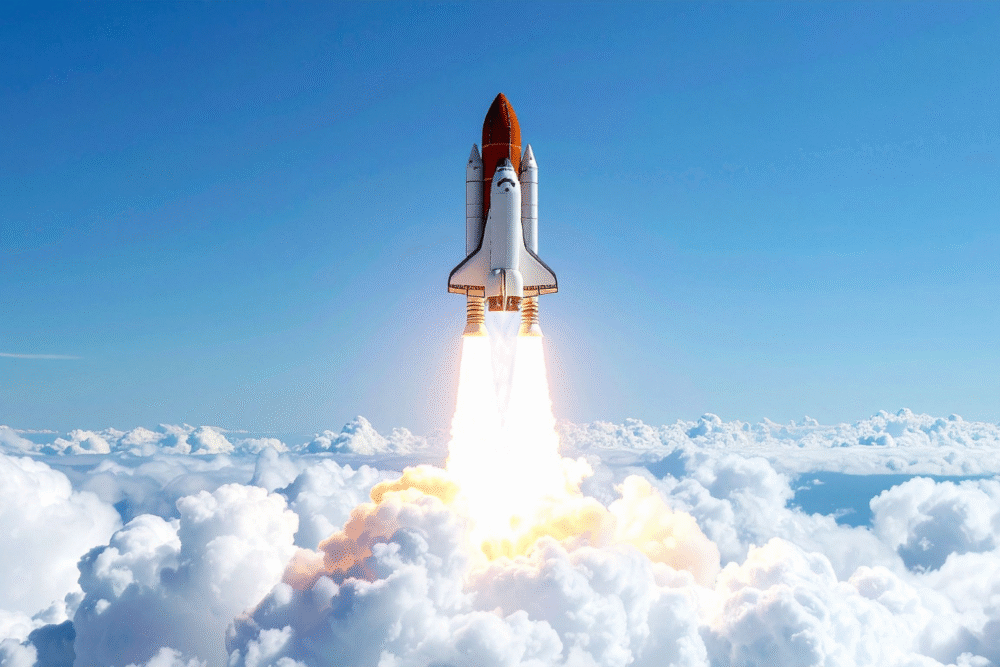
Getting to Mars isn’t just about propulsion—it’s about carrying enough fuel to get back. A round-trip requires enormous energy to launch, land, and then lift off again from Mars’ surface.
Rocket scientists are testing new technologies like nuclear thermal propulsion and reusable methane engines, but none are fully operational for crewed missions. Current rockets can reach Mars with cargo, but not safely with humans and their return payload.
5. Mars Landings Are Technically Extremely Difficult

Landing on Mars is one of space exploration’s hardest feats. The planet’s thin atmosphere offers too little drag to slow a spacecraft effectively, yet enough resistance to burn it up if reentry isn’t precise.
Even robotic missions like NASA’s Perseverance faced intense challenges. A crewed lander, far heavier than any rover, would need a new kind of descent system—possibly a massive inflatable shield or retro-thrust engines strong enough to land safely on unpredictable terrain.
6. Mars Has Almost No Magnetic Field or Thick Atmosphere
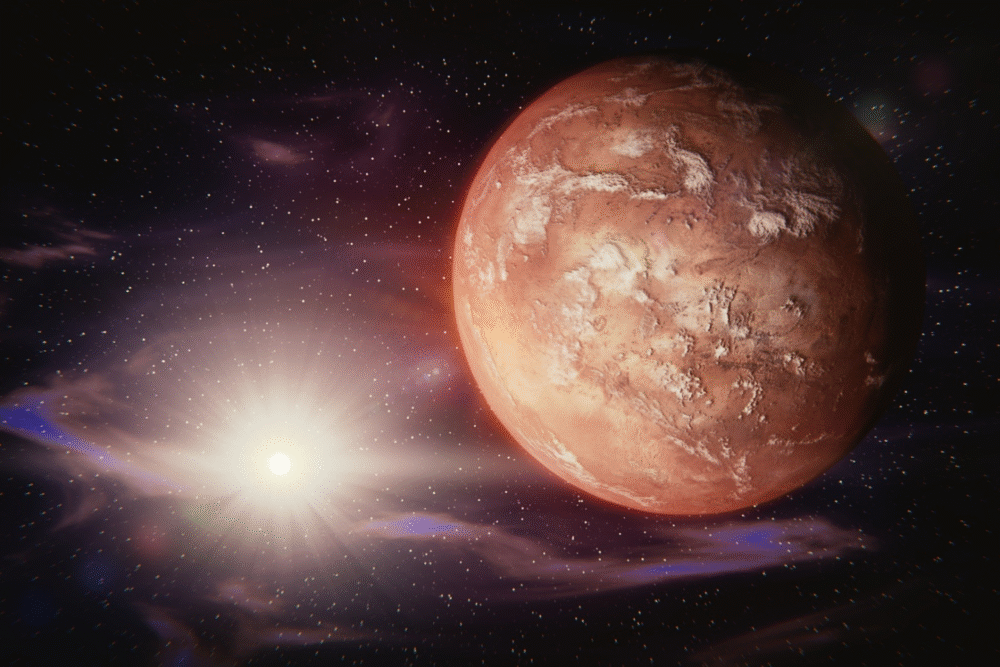
Earth’s magnetic field shields us from solar radiation, but Mars lost most of its magnetic field billions of years ago. Without it, the planet’s thin atmosphere can’t block harmful ultraviolet rays or cosmic radiation.
That means the Martian surface is a hostile environment where temperatures fluctuate wildly—from 70°F at noon to -100°F at night. Any base on Mars would have to be buried underground or heavily shielded just to keep humans alive.
7. Communication Delays Make Real-Time Control Impossible
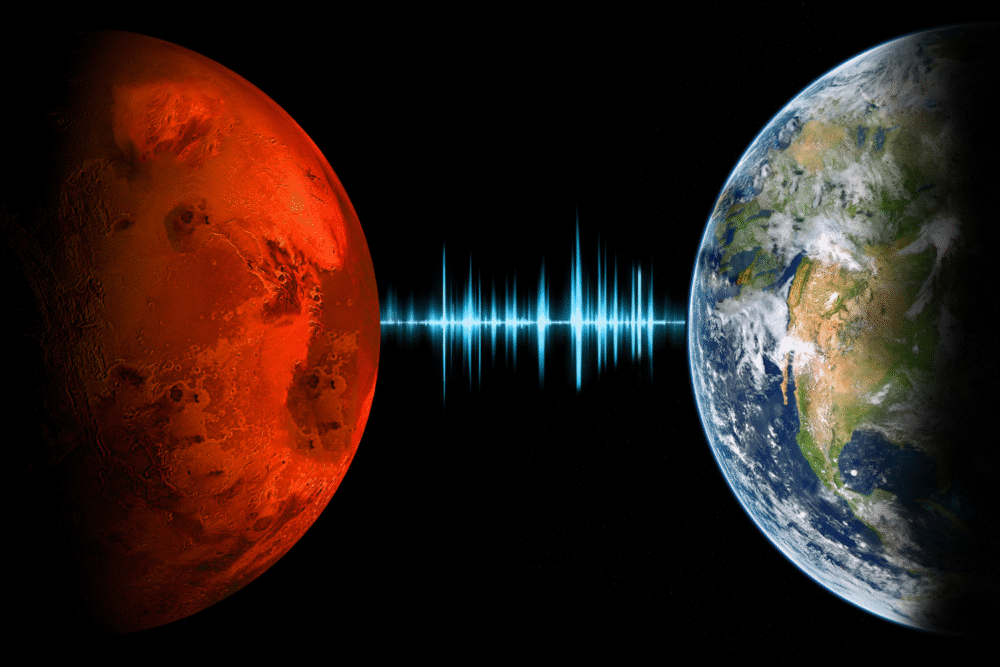
Depending on the distance between planets, radio signals between Earth and Mars can take anywhere from 5 to 22 minutes each way. That delay means no real-time communication, guidance, or emergency response.
Astronauts would have to solve every problem on their own, whether it’s a life-support failure, medical issue, or landing malfunction. This autonomy would require unprecedented training, mental endurance, and trust in artificial intelligence systems for decision-making.
8. The Human Body Isn’t Built for Microgravity
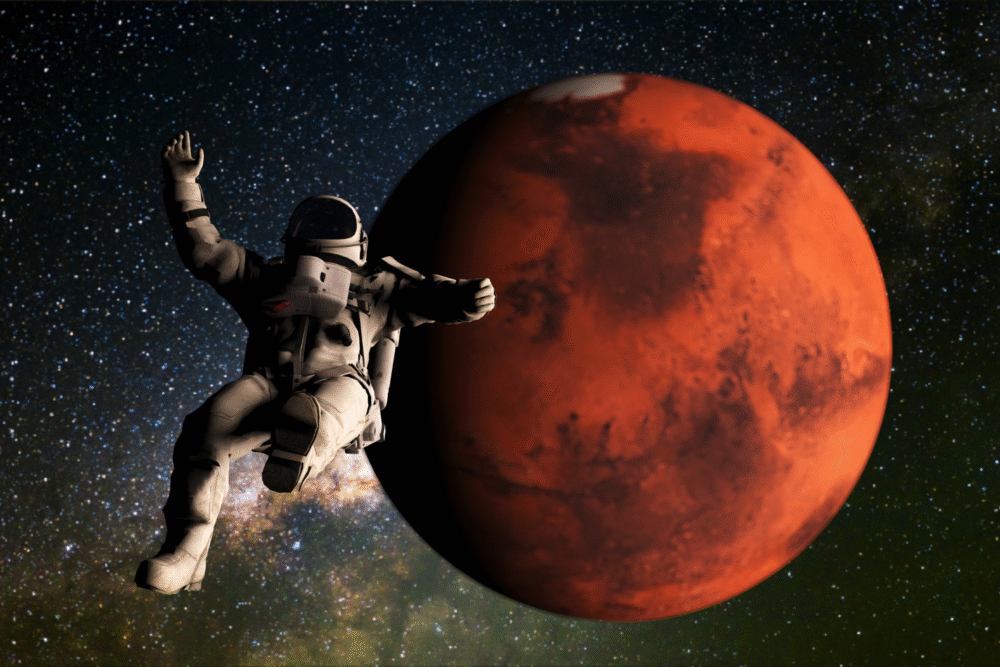
Months of weightlessness cause muscles to weaken, bones to lose density, and eyesight to degrade. Astronauts on the International Space Station exercise daily to combat these effects—but they return after six months, not years.
Longer missions would cause even more severe health issues, including cardiovascular strain and immune system decline. Artificial gravity systems are being studied, but no spacecraft yet has one capable of protecting a crew for a multi-year Mars journey.
9. Psychological Strain Could Become a Major Threat

The mental toll of isolation, confinement, and distance from Earth could be immense. Experiments simulating Mars missions—such as NASA’s HI-SEAS project in Hawaii—show that stress, fatigue, and interpersonal conflict are constant risks.
With limited space and delayed contact with family, even minor tensions can escalate. Mission planners say the success of any crewed Mars mission may depend as much on psychology and teamwork as on technology and engineering.
10. Mars Dust Is More Dangerous Than It Looks
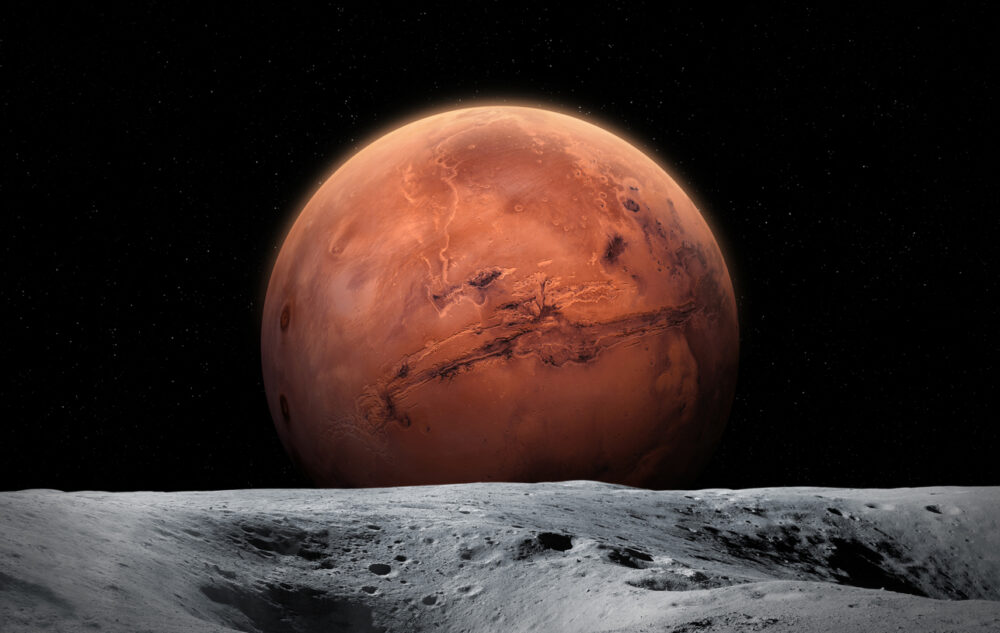
The fine, toxic dust that covers Mars contains perchlorates—chemicals harmful to the human thyroid and lungs. It’s so small and clingy that it can penetrate seals and electronics, damaging equipment over time.
Keeping this dust out of habitats will be one of the biggest engineering challenges. NASA is exploring new materials and airlock systems to prevent contamination, but no solution is foolproof in Mars’ thin, wind-driven atmosphere.
11. Returning to Earth Is the Hardest Part

Getting astronauts safely home from Mars is far harder than sending them there. Launching from the Martian surface requires a powerful rocket, yet building and fueling one on Mars would be incredibly complex.
NASA’s current plan involves sending a return vehicle ahead of time and producing fuel on Mars using its atmosphere. That technology—called in-situ resource utilization—is still experimental, and success will determine whether Mars missions ever bring astronauts home.
12. It’s Not Impossible Forever—Just Not Yet
Scientists emphasize that reaching Mars isn’t impossible—it’s just beyond our current capabilities. Each challenge, from propulsion to radiation shielding, is being tackled by research teams worldwide.
NASA aims for a crewed Mars mission in the late 2030s, but experts say overcoming every technical, biological, and psychological barrier will take longer. The road to Mars is one of humanity’s greatest engineering frontiers—and while we can’t make it yet, every mission brings us closer.