
Scientists thought they understood heat domes—then this summer shattered all expectations.

Heat domes used to be freak weather events—now they’re showing up like uninvited guests who never leave. You feel it when you walk outside and the air hits like a furnace blast. But there’s something bigger going on than just a few extra hot days.
These monster domes are breaking temperature records left and right—and meteorologists are scrambling to keep up. What we’re seeing isn’t just hotter summers. It’s a total shake-up in how weather behaves, and forecasting tools that worked for decades are suddenly falling short.
1. The jet stream is behaving unpredictably, letting heat linger for weeks.
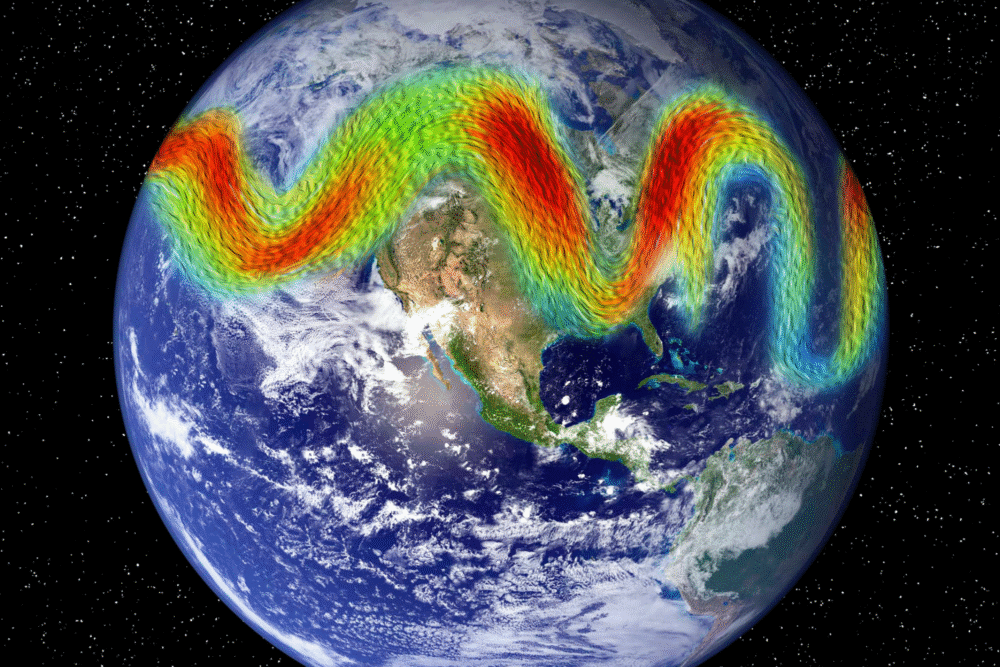
One of the big culprits behind record-shattering heat domes is the jet stream, that high-altitude ribbon of fast-moving air that normally helps regulate temperatures. Lately, it’s been acting sluggish—twisting, dipping, and getting stuck in weird patterns. This wobble can trap heat in place, causing it to settle and bake entire regions like an oven turned on high.
Instead of breezing through in a day or two, the hot air lingers. That’s when you get those brutal, never-ending heatwaves. And because the jet stream’s movement is influenced by everything from melting Arctic ice to warming oceans, it’s harder than ever to predict.
2. Oceans are heating up and supercharging the atmosphere with excess energy.

It’s not just what’s happening in the sky—it’s what’s boiling beneath the surface. Oceans are absorbing massive amounts of heat from climate change, and they’re releasing that energy back into the atmosphere like a loaded spring. When water temperatures soar, they crank up the amount of moisture and heat in the air, which can intensify heat domes.
It’s like pouring gas on an already blazing fire. This ocean-atmosphere feedback loop is becoming more common and much harder to predict. That’s why heat domes are becoming more intense and widespread than forecasters once thought possible.
3. Record-breaking droughts are creating a feedback loop that intensifies heat domes.
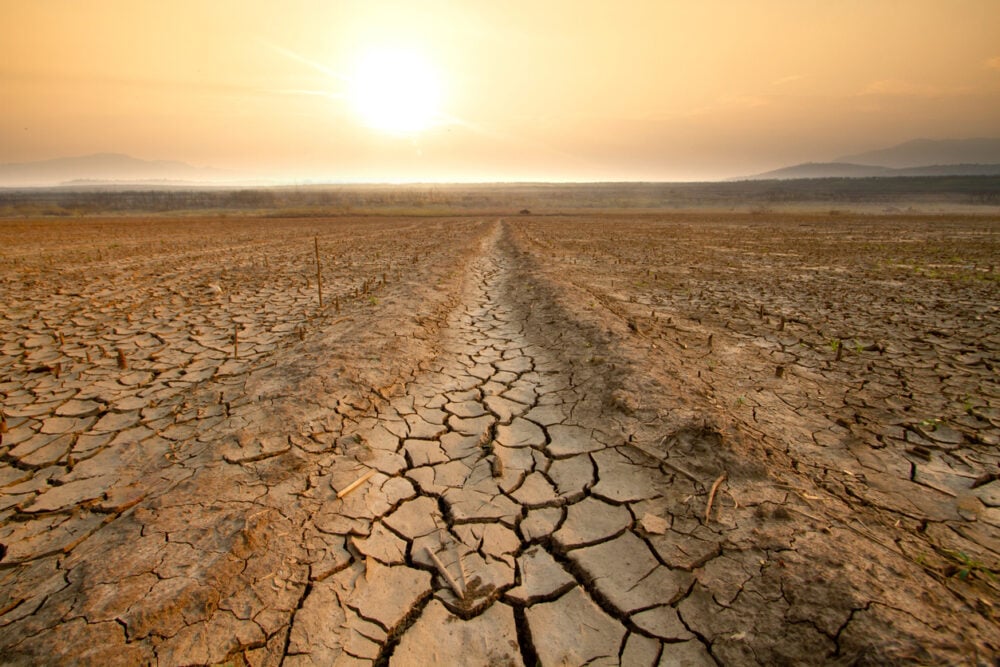
Dry ground isn’t just a symptom of heat domes—it helps feed them. When the soil loses moisture, it can’t cool itself through evaporation. That missing moisture means more of the sun’s energy goes directly into heating the air instead of being used to evaporate water. The result is even hotter temperatures.
It’s a vicious cycle: a heat dome causes a drought, and that drought amplifies the next heat dome. Areas already battling dry spells are now facing compounding heat effects that are both brutal and bizarre. Forecasting models are not fully built to handle this kind of self-reinforcing feedback.
4. Urban areas are becoming heat traps that exaggerate dome conditions.
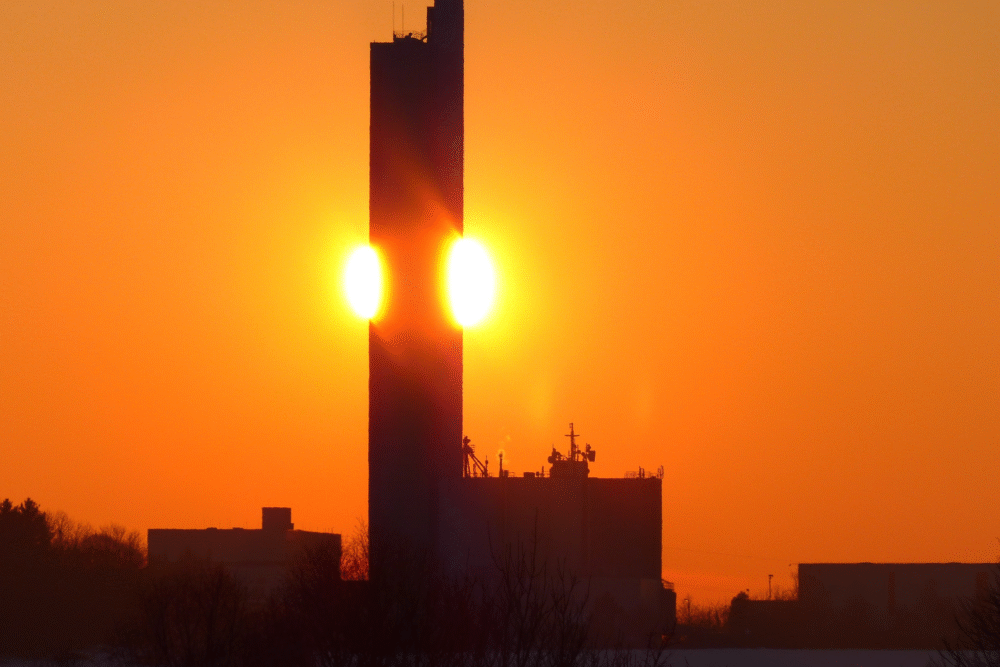
Cities were already warmer than rural areas thanks to all that concrete and asphalt, but under a heat dome, they turn into full-blown furnaces. This is called the urban heat island effect, and it makes places like downtowns, suburbs, and sprawling metro areas feel significantly hotter than the countryside.
These manmade heat pockets don’t just trap warmth—they can spike nighttime temperatures and prevent relief even after the sun goes down. Add a heat dome to that mix, and you get unrelenting misery. Climate forecasters didn’t fully account for the way growing cities amplify heat extremes, especially as development sprawls outward.
5. Climate change is making heat domes stronger, bigger, and longer lasting.
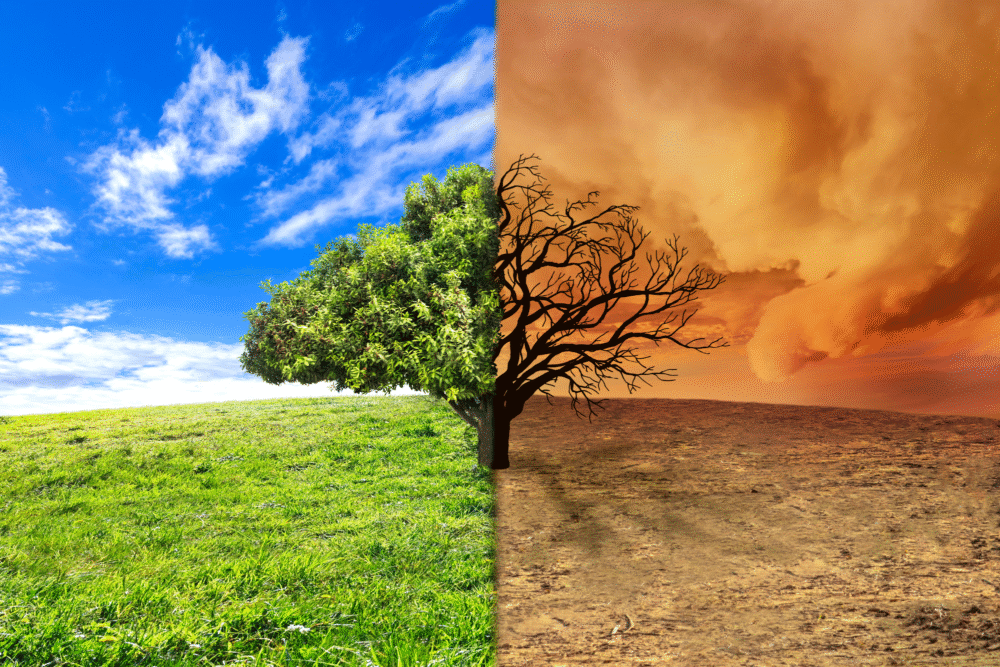
We can’t talk about heat domes without talking about climate change—it’s the fuel behind the fire. As the planet warms, the ingredients that create heat domes become more common and more potent. Higher baseline temperatures mean that even a minor ridge of high pressure can trap sweltering air and crank up the heat to dangerous levels.
The size of these domes is growing, too, engulfing entire regions instead of just a few cities. And they’re sticking around longer, overstaying their welcome by days or even weeks. All of this makes them harder to predict and more damaging when they hit. Forecasting tools built on past patterns can’t keep pace with today’s realities.
6. Forecasting tools weren’t built for today’s extreme temperature swings.
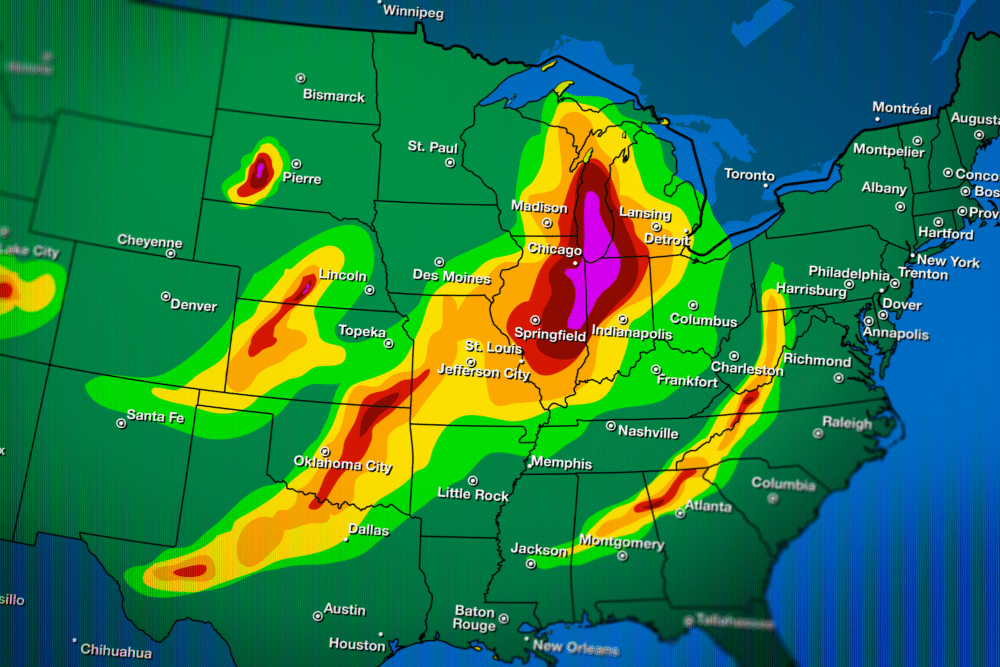
Modern forecasting relies on historical data and computer models—but those models are only as good as the past data they’re based on. And that’s a problem. Climate change has pushed us into uncharted territory, where the old rules no longer apply. Heat domes are arriving earlier, lasting longer, and reaching temperatures that weren’t even in the range of past predictions.
Forecasters are having to update their tools on the fly, and the models often lag behind reality. The result? Warnings come too late, people aren’t prepared, and emergency systems get overwhelmed. What’s happening now would’ve seemed impossible 30 years ago.
7. Global wind patterns are shifting and altering how heat moves across continents.

You probably don’t think about global wind patterns unless you’re a weather nerd, but they’re the invisible forces shaping our daily weather. Lately, those winds are shifting—and that’s a big deal. Climate change is altering the way heat moves around the planet. As wind currents become more erratic, they can stall hot air masses over certain regions instead of pushing them along.
This stagnation fuels longer-lasting heat domes and more unpredictable weather events. It’s like someone’s jamming the “pause” button on summer. For forecasters, this is a nightmare. Predicting where and when heat will strike used to follow patterns—now it’s like forecasting a moving target while blindfolded.
8. Arctic warming is disrupting pressure systems that used to keep heat domes in check.
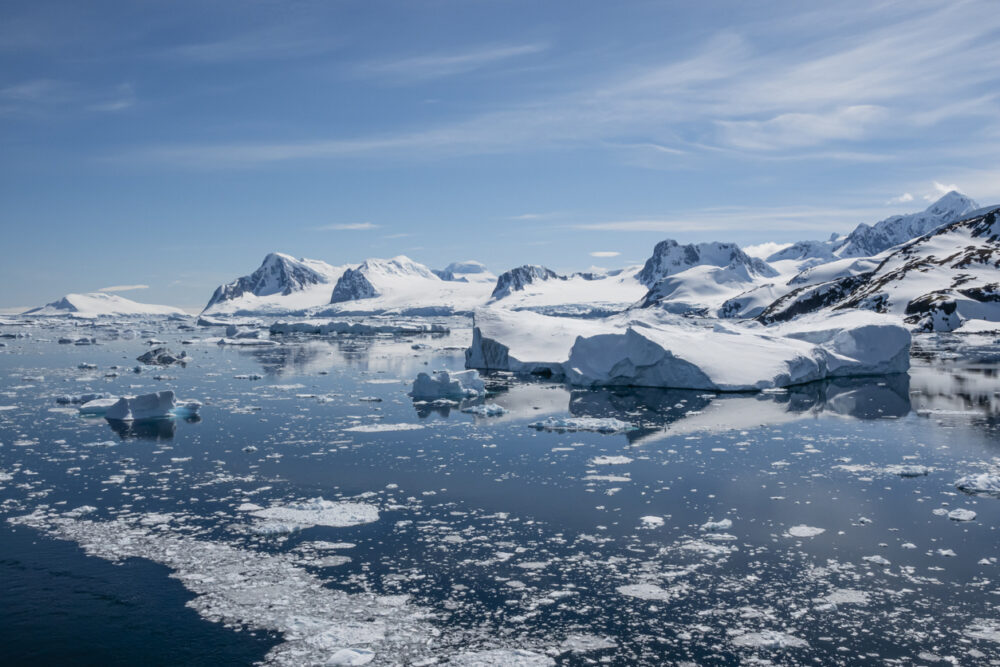
What’s happening in the Arctic isn’t staying in the Arctic. As polar ice melts and temperatures rise, it’s throwing off the balance of pressure systems that used to help moderate global weather. Those systems acted like invisible boundaries, nudging heat away or dispersing it.
Now, they’re weaker—and that means heat domes can form more easily and last longer. Think of it like the brakes on a runaway train failing. Arctic warming isn’t just a polar bear problem; it’s reshaping the entire climate system in real time.
9. Feedback loops are compounding heat effects faster than we can track them.

The scary part about heat domes isn’t just their intensity—it’s how fast they’re accelerating. Climate feedback loops are amplifying the problem in ways we don’t fully understand. For example, as forests dry out and burn, they release carbon, which warms the planet, which intensifies heat domes, which dries more forests. It’s a runaway cycle.
Same goes for droughts, ocean warming, and Arctic melt. Each one feeds into the next, making the climate more unstable by the day. Forecasters used to treat weather events as isolated, short-term issues. But now, everything’s connected—and it’s compounding faster than models can keep up with.