
Gen Z photographers are embracing analog cameras to slow down and spark authentic creativity
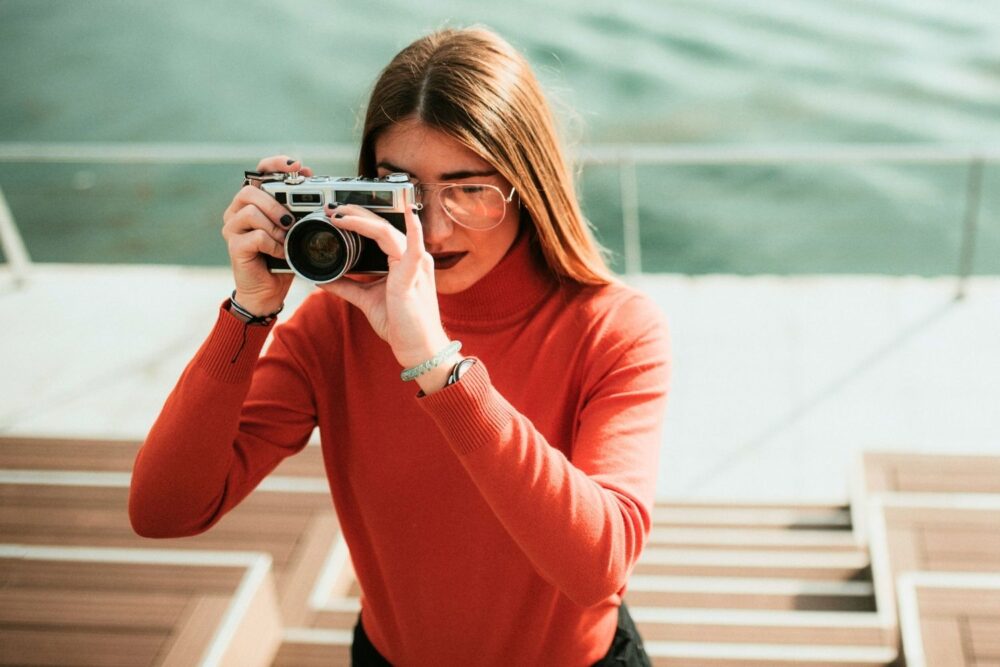
Vintage film cameras are finding new life among Gen Z creatives, who value their tactile appeal and artistic potential. Unlike the instant gratification of digital tools, analog photography invites a slower, more mindful process that highlights intention and craft. With limited exposures, manual settings, and unpredictable results, these older devices offer a fresh canvas for personal expression. For many young artists, shooting on film feels more real—and more rewarding—than tapping a screen.
1. Vintage cameras add character that modern digital tools can’t replicate.

Older film cameras offer mechanical quirks and lens traits that lend photos organic variations—like light leaks or soft edges—absent in sleek digital files. A vintage Canon AE-1, for instance, might produce a moody haze that can’t be created with post-processing software.
Modern cameras aim for technical perfection, but many Gen Z creators prize the imperfect charm of analog output. A slight blur from manual focusing or a warm tint from expired film often makes images feel more alive, not less polished.
2. Shooting on film encourages patience and thoughtful composition.
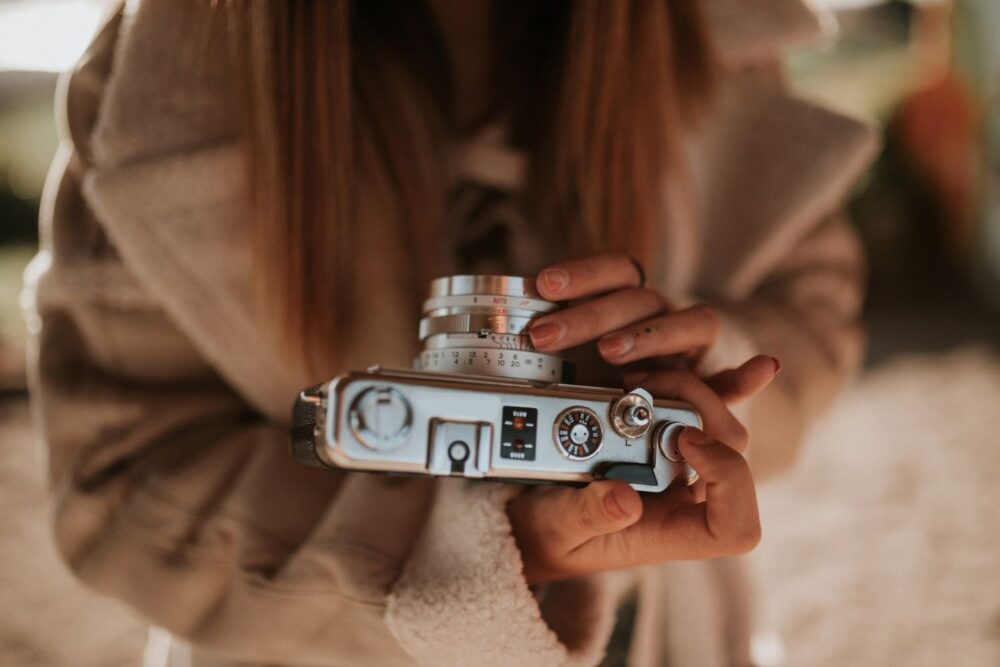
Film slows everything down: the frame count, the setup, the wait for results. Decisions made in the moment, from aperture to angle, matter more when only 24 or 36 shots are available.
Without a live preview screen, subjects can’t photobomb a composition, and lighting must be judged before pressing the shutter. That built-in pause fosters careful framing and cleaner storytelling—like sketching deliberately with pen on paper instead of tracing over an undo button.
3. Analog gear offers a tactile experience that sparks creativity.

Manual dials, winding levers, and the quiet click of a shutter release ground photographers in the process. Holding a metal-bodied Minolta feels different than tapping a touchscreen—it engages muscle memory as much as visual sense.
The gear itself becomes part of the creative loop. Adjusting ISO by rotating a notched ring or advancing film with a thumb lever creates an unhurried rhythm, where ideas emerge not from speed but from interaction with the tool.
4. Using older cameras brings a sense of nostalgia to creative work.

A camera that’s older than its user can evoke a surprising sense of continuity. Many Gen Z artists describe feeling connected to past eras by working with devices their parents or grandparents once used.
That inherited quality infuses a project with emotional depth. Crafting a photo series on a Pentax K1000 passed down through a family drawer isn’t just about retro charm—it’s about acknowledging legacy through art-making.
5. Film photography creates a distinctive look unmatched by filters and presets
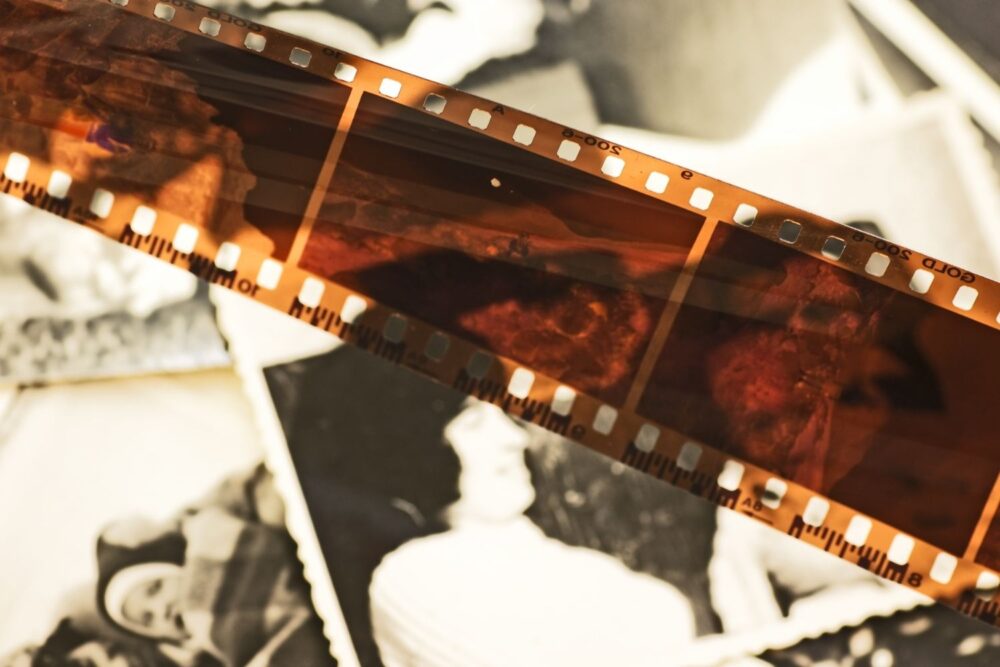
Film emulsions respond to light with unpredictable nuance—murky shadows, blown highlights, subtle color shifts—resulting in images full of personality. No two negatives turn out exactly alike, even with identical settings.
Digital filters mimic these effects, but lightly. A preset may tint the tones, yet it won’t replicate the layered reaction of chemical development. From grain patterns to tonal gradients, film’s visual language stands apart, less polished but more soulful.
6. Vintage equipment fosters an intentional and unplugged creative process.

Photographers using analog cameras tend to work independently of screens, menus, or automated modes. The focus shifts from optimizing files to capturing moments with intention.
Without real-time previews, creators rely on intuition and preparation. That unplugged quality feels refreshing to those seeking distance from algorithms and instant gratification. Planning a shoot knowing there’s no delete key can add depth to both process and product.
7. Older cameras encourage experimentation through manual controls and limitations.
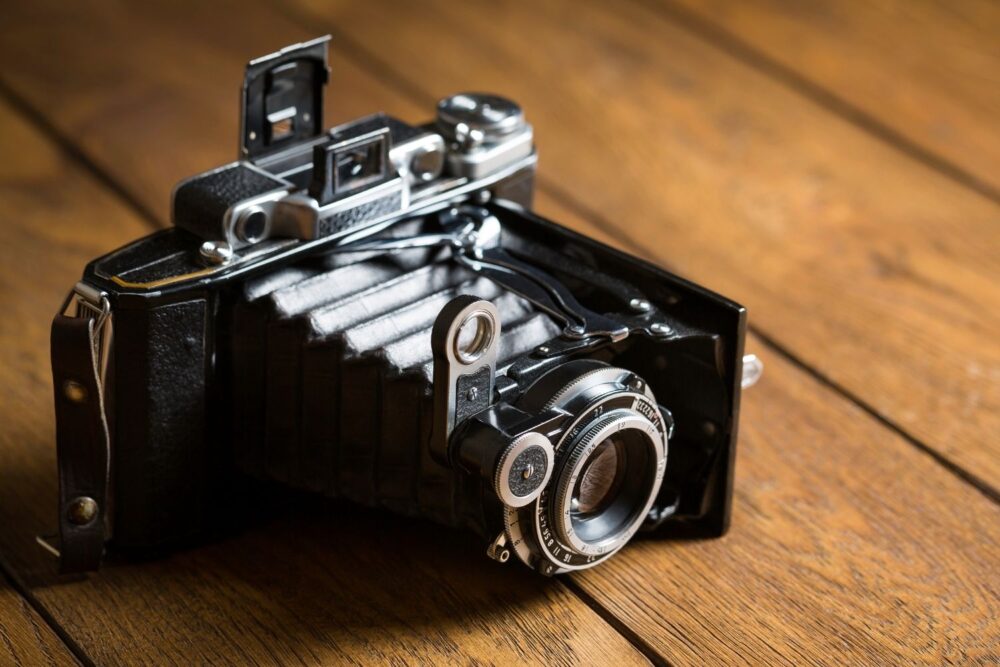
Fixed shutter speeds, limited ISO options, and lack of autofocus push users to solve problems manually. That constraint invites playful risk-taking: double exposures, light painting, or improvising with expired film.
Instead of relying on built-in corrections, artists test the boundaries of the format. A miscalculated exposure in low light might accidentally create a ghostly glow. Those quirks become discoveries rather than errors, shaping a distinctive visual language.
8. Owning something with history feels more personal and inspiring.

Older cameras often bear scratches, worn labels, or the smell of old leather cases. That physical presence tells a story—one that newer, factory-perfect gear doesn’t carry.
Having an object that predates apps and updates can shift mindset. Using something with heft and history may feel grounding, like keeping a plant alive or playing vinyl on a rainy afternoon: slow, familiar, and quietly alive.
9. The learning curve challenges users to master hands-on photo techniques.

Learning film photography requires understanding aperture, exposure time, and focus without digital aids. That challenge appeals to creators who want to feel what’s behind the image.
Getting past the initial missteps—overexposed frames, blurry subjects—often reveals the logic and rhythm behind analog gear. Once mastered, those manual skills can translate into stronger work across any format, from studio shoots to documentary storytelling.
10. Vintage aesthetics align with Gen Z’s love for authenticity.
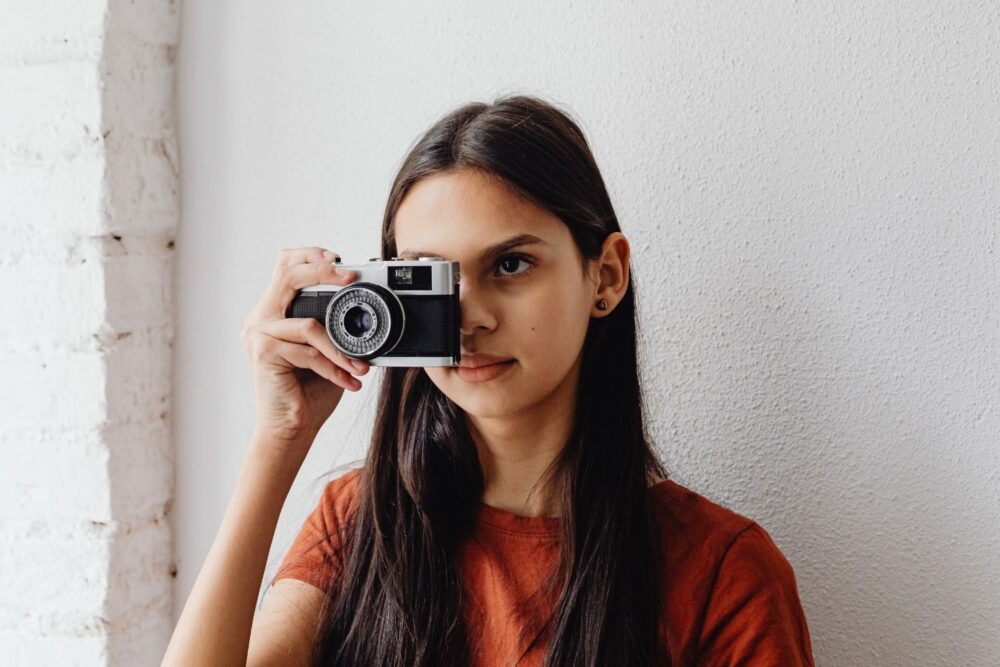
Authenticity, for many Gen Z creatives, means choosing tools and aesthetics that feel lived-in rather than curated. Film images often carry subtle flaws—lens flares, uneven contrast—that add mood and honesty.
On platforms saturated with polished content, an unfiltered film scan can feel quietly defiant. It reads as raw and real, even when captured with care. That balance between imperfection and purpose mirrors a broader shift toward transparency in art and identity.
11. Shooting film provides a slower, more mindful artistic experience.

Film imposes natural breaks—between shooting, developing, and scanning—that invite reflection rather than immediate sharing. The momentum slows not because of lag, but because the medium asks for pause.
Without the urge to post right away, photographers engage more deeply with their subjects. A cloudy morning on a park bench or the rust of a fence might warrant more than a snapshot; it becomes a studied observation sealed in cellulose.
12. The unpredictability of film results can inspire fresh creative choices.

Chemical processes, aging film stock, and lighting quirks can blur outcomes in fascinating ways. Each photo becomes a tiny gamble, especially with no screen to preview the shot.
That uncertainty keeps the work fresh. Mistakes sometimes turn into magic—the kind of accidental brilliance that spawns a new idea or unplanned series. In a world built on control, analog photography leaves room for surprise.