
They didn’t cause the crisis—but they’ll be forced to live with the consequences.

For Gen Z—those born between 1997 and 2012—climate change isn’t some distant issue. It’s shaping how they think about their futures, their families, and even their mental health. From raging wildfires and rising seas to government inaction and corporate greenwashing, they’ve grown up witnessing a crisis that feels both out of control and woefully neglected by older generations.
It’s no wonder so many of them say they feel betrayed. Many are experiencing what experts call eco-anxiety or ecological grief, with nearly half saying climate concerns affect them personally. The emotional weight isn’t just heavy—it’s generational.
This divide between young people who are demanding urgent action and older institutions dragging their feet is growing deeper. Gen Z’s outrage, fear, and activism are rooted in this sense of abandonment, and their climate anxiety is as much about trust as it is about temperature.
1. Gen Z carries emotional weight older generations never signed up for.
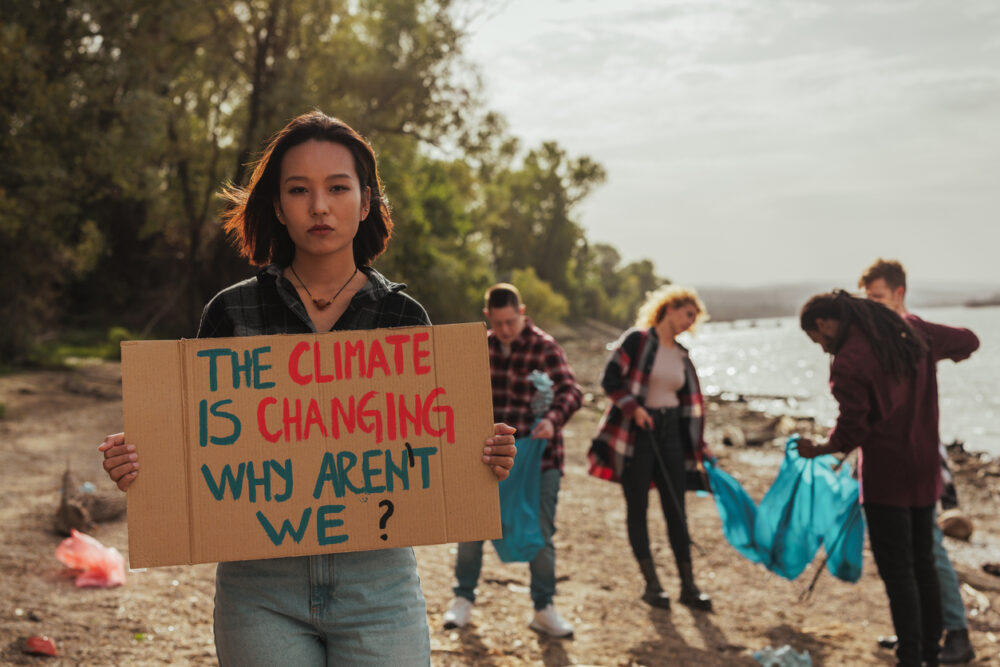
Unlike Boomers or Gen Xers, Gen Z was raised with a front-row seat to climate breakdown. From record-breaking wildfires to hurricanes, floods, and droughts, the climate crisis isn’t a theoretical concept for them—it’s the backdrop of their lives. They’re not just worried about jobs or housing; they’re worried about whether the planet will even be livable in 30 years. That weight is emotional, not just practical. It shows up in anxiety, sadness, and even resentment.
Many young people say they feel a growing emotional burden to clean up a mess they didn’t make. And what makes it worse? They feel unheard by those in power—governments, corporations, and even older family members. This kind of chronic stress builds slowly, shaping how they approach adulthood and how much faith they put in the systems that failed to protect them.
2. Most Gen Z respondents believe humanity is doomed.

One of the most sobering aspects of Gen Z’s climate outlook is their growing belief that it may already be too late. When asked about the future, many say they believe humanity is “doomed.” That’s not hyperbole. It’s a reflection of despair that comes from years of watching catastrophic headlines with no corresponding political action. This bleak mindset affects how they make life decisions—from whether to have kids to what careers to pursue. It also creates a deep sense of grief. Gen Z doesn’t just fear what’s coming; they mourn what’s already lost.
Coral reefs, old-growth forests, snowy winters—gone or disappearing in their lifetimes. And when they look to leaders for reassurance, they often see denial, delay, or indifference. This gap between their lived reality and public response is a key reason they feel betrayed.
3. Younger Americans report higher climate-related stress than nearly any other group.

When it comes to climate stress, Gen Z isn’t just concerned—they’re overwhelmed. Studies show that young people consistently report higher levels of worry, fear, and frustration about the climate crisis than older generations. This stress isn’t fleeting—it’s chronic. It shapes how they feel when they wake up, what they dream about, and how hopeful they are about adulthood. Many say they’ve lost faith in traditional ideas of progress and security. Instead of imagining retirement or homeownership, they think about evacuations, wildfires, and future climate refugees.
Older adults may see this as melodramatic, but for Gen Z, it’s grounded in their reality. This intense psychological strain doesn’t just affect mental health—it also erodes trust in political leaders, family structures, and even social norms built by generations who didn’t face the same threats.
4. Social media amplifies intergenerational tension and distrust.

Gen Z lives online—and so does the climate crisis. Unlike older generations who consume news through slower, curated channels, today’s youth are constantly bombarded with videos of climate disasters, political gridlock, and corporate greenwashing. These feeds can feel like a daily reminder of how little has been done to stop the damage. They see older leaders debating whether climate change is real while their generation watches their towns flood or burn. This daily contrast between information and inaction breeds deep skepticism. Social media also fuels comparison.
While older generations may post vacation photos or home renovations, Gen Z scrolls past melting glaciers and climate strikes. The resulting emotional dissonance creates not just anxiety—but alienation. They feel like they’re screaming into a void, and that void often looks a lot like their parents’ generation.
5. Only one-third of Gen Z participates in traditional climate activism.
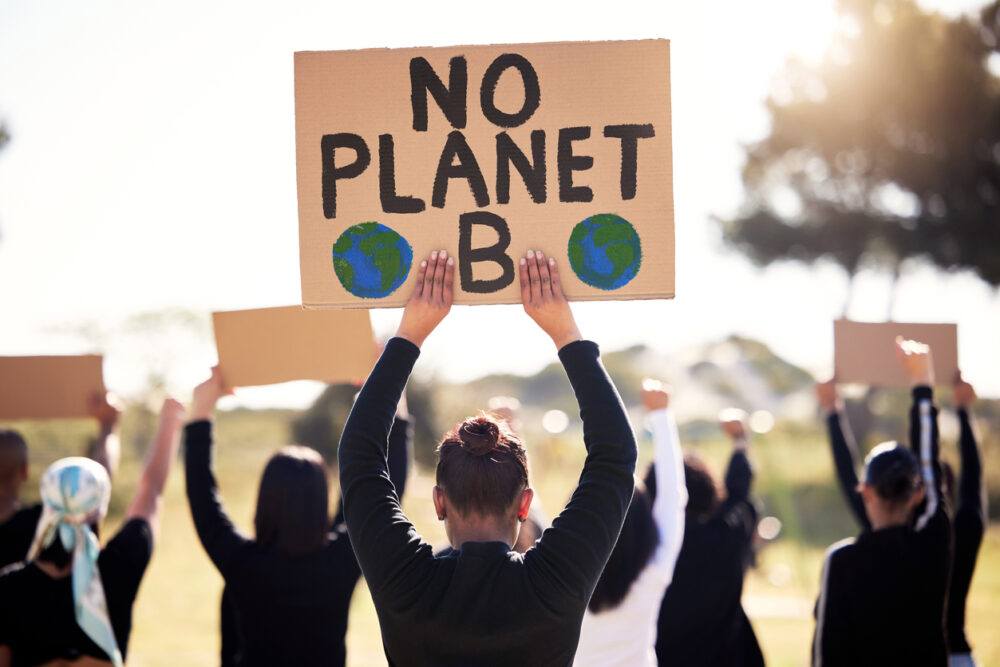
Despite their intense concern, most Gen Zers aren’t joining marches or chaining themselves to pipelines. Why? Many feel disillusioned with traditional activism. They’ve seen protests ignored, petitions tossed aside, and promises broken. Instead, they express their outrage in different ways—social media posts, digital organizing, ethical consumption, or even climate-related career choices. Their activism is quieter but no less real. However, their reluctance to engage formally also reflects emotional burnout.
Constant exposure to dire climate news with little visible progress can lead to despair, making action feel futile. And for many, especially in marginalized communities, everyday survival takes precedence over activism. Gen Z’s emotional reality includes both urgency and exhaustion, and until systems are more responsive, their participation may remain scattered—powered more by pain than hope.
6. The climate-health divide drives generational misunderstanding.

One of the biggest generational rifts isn’t about science—it’s about emotion. While older generations may approach climate change as a policy issue, many Gen Zers experience it as a health crisis. Rising temperatures, extreme weather, and air pollution aren’t just headlines—they’re causing asthma, trauma, and chronic stress. But when young people express their climate fears, they’re often told to “toughen up” or “focus on school.”
That dismissal only deepens the divide. Older adults may see climate stress as youthful melodrama, while Gen Z sees it as survival. This clash of perspectives leaves many feeling invalidated and alone. To bridge the gap, we need to treat climate anxiety not as overreaction, but as a valid emotional response to a collapsing world. Without that empathy, trust between generations will keep eroding.
7. Climate grief manifests in ecological mourning, not just fear.

Gen Z isn’t just anxious—they’re grieving. They’re mourning the loss of coral reefs, wildlife, clean air, and even predictable seasons. This form of grief—sometimes called ecological mourning—isn’t always visible, but it’s deeply felt. For many, it shows up as sadness, numbness, or even guilt. They feel powerless watching forests burn or oceans warm, especially knowing that previous generations had a chance to stop it. This grief is compounded by the sense that few people are talking about it.
Climate change isn’t just a threat—it’s a loss. And because that loss is ongoing and largely invisible to older generations, Gen Z often feels like they’re mourning alone. Acknowledging this grief as real and valid is the first step toward healing—not just emotionally, but intergenerationally.
8. Feeling abandoned by government and institutions deepens the betrayal.

It’s one thing to fear climate change—it’s another to feel abandoned in the fight against it. That’s how many Gen Zers feel about their governments, schools, and even workplaces. They’ve watched leaders make lofty promises, only to backtrack or delay. When wildfires rage or floods displace thousands, the response often feels sluggish or performative. For Gen Z, this isn’t just ineffective—it’s insulting. They’re told to stay hopeful and engaged, yet they see little structural support for real change.
This sense of abandonment fuels not just anger, but disengagement. When institutions fail to act, young people lose trust—and without trust, cooperation crumbles. Gen Z isn’t just demanding climate action; they’re asking for honesty, accountability, and inclusion. Without that, the feeling of betrayal will only grow.
9. The pressure to fix a broken world is emotionally overwhelming.
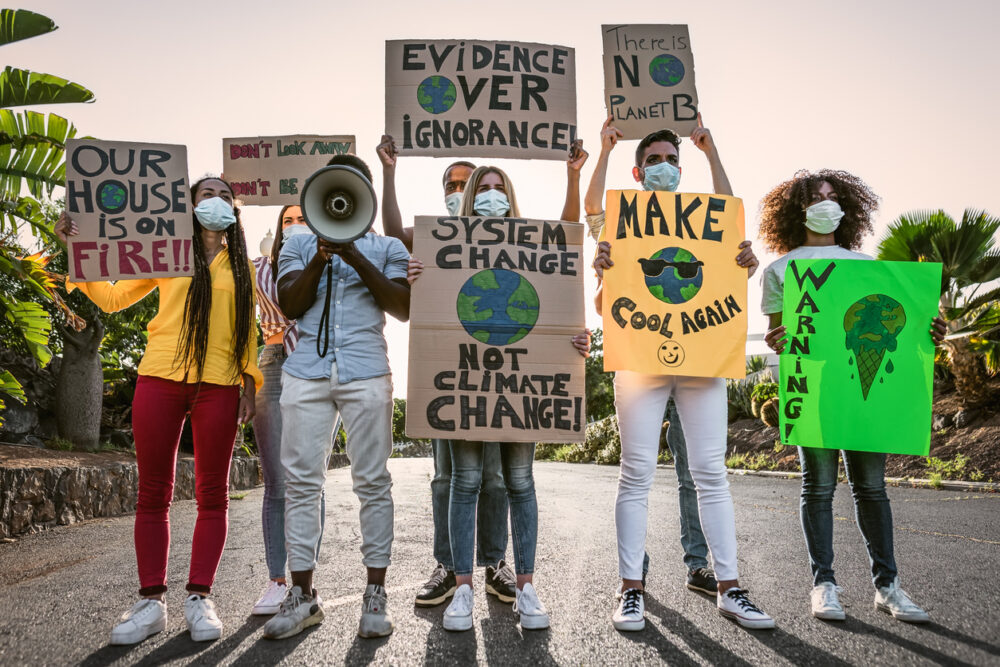
Gen Z didn’t create the climate crisis, but they’re constantly told it’s up to them to fix it. That’s a heavy—and unfair—burden. While older generations shaped the policies and practices that led us here, young people are expected to clean up the mess. It’s like inheriting a house on fire and being handed a bucket. This pressure creates a toxic mix of responsibility and helplessness.
Many want to act but feel like nothing they do is enough. That emotional load can lead to burnout, paralysis, or resentment. It also erodes motivation. Instead of feeling empowered, they feel doomed. The solution isn’t to tell Gen Z to work harder—it’s to recognize the need for cross-generational collaboration. Responsibility must be shared, or the weight will crush them.
10. Trust in leadership is eroding across generational lines.

Gen Z’s trust in traditional institutions is at an all-time low—and climate inaction is a big reason why. They see political leaders arguing over science, corporations pushing greenwashed products, and media outlets treating climate disasters as brief headlines. This erosion of trust isn’t accidental—it’s earned. When promises are broken repeatedly, skepticism becomes self-defense. And the result is a widening generational chasm.
While older adults may still place faith in gradual reform or bipartisan solutions, Gen Z often sees those approaches as too little, too late. They want bold, immediate change—and they’re losing patience. Rebuilding trust will take more than speeches. It will require visible, measurable action that proves older generations are finally listening and ready to lead with integrity.
11. Some Gen Z channel betrayal into powerful activism and hope.
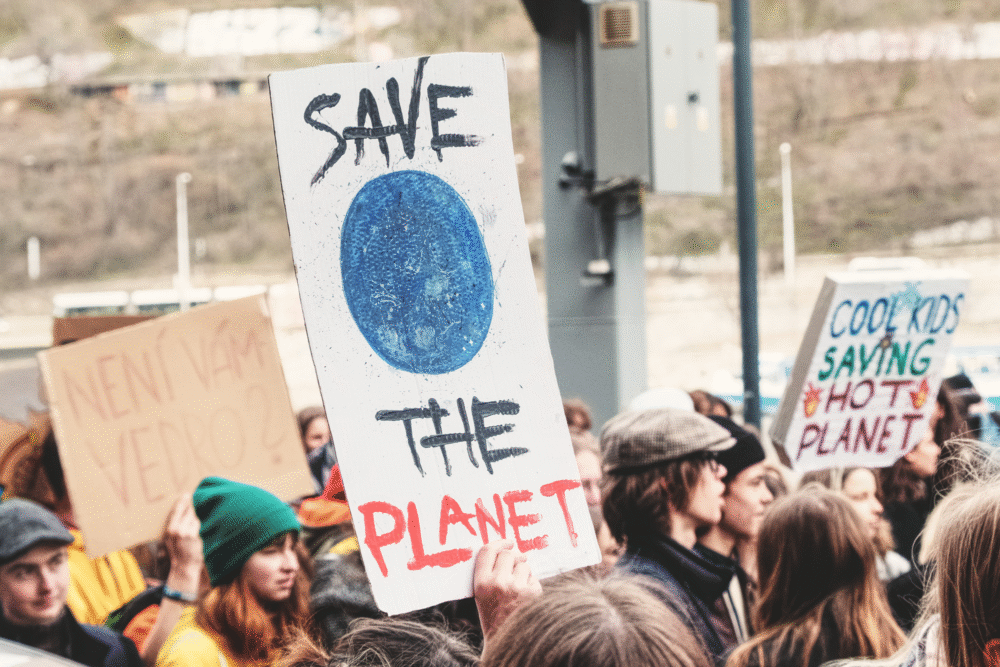
Despite the heartbreak, many young people are turning their anger into action. From starting climate tech companies to organizing local cleanups and political campaigns, Gen Z is forging its own path forward. They’re not waiting for permission or consensus—they’re building new systems. This generation understands that betrayal doesn’t have to end in bitterness. When supported, their grief can become fuel for change. Communities are forming around mutual care, sustainable living, and direct political action.
These efforts may not always make headlines, but they’re reshaping the climate conversation. Instead of begging to be included, Gen Z is demanding space—and creating it when none is offered. Their hope isn’t blind optimism—it’s a form of resilience that says, “We’ve been let down, but we’re not backing down.”
12. Healing the divide means acknowledging emotional science is valid.
For too long, climate conversations have focused solely on science and policy, ignoring the emotional toll. But Gen Z’s climate grief and anxiety are real—and rooted in the science itself. Dismissing their feelings as overblown only deepens the divide. Emotional validation is essential. We need to acknowledge that climate change isn’t just an environmental issue—it’s a psychological one.
Schools, workplaces, and governments must create spaces for emotional processing, support systems, and generational dialogue. Healing won’t happen through facts alone. It requires empathy, honesty, and an understanding that feelings aren’t distractions—they’re data. Gen Z isn’t weak for feeling overwhelmed. They’re brave for feeling it and still pushing forward. Validating that emotional truth is how we begin to mend trust.
13. Closing the divide is a shared mandate—not a Gen Z burden.
The climate crisis isn’t Gen Z’s to fix alone. They didn’t cause it, and they shouldn’t be expected to solve it without help. Older generations hold power, wealth, and influence—and must use it to support solutions, not stall them. Closing the generational divide starts with listening, but it doesn’t end there. It requires accountability, transparency, and meaningful partnership. Gen Z brings urgency, creativity, and moral clarity.
Paired with experience and resources from older allies, that’s a powerful combination. But only if we stop blaming and start building together. This isn’t about guilt—it’s about shared responsibility. Because if we don’t bridge this emotional and generational gap, we’ll not only lose trust—we’ll lose our chance to truly address the crisis.