
Experts say Florida’s long coastline and warm seas make it especially vulnerable to major storms.
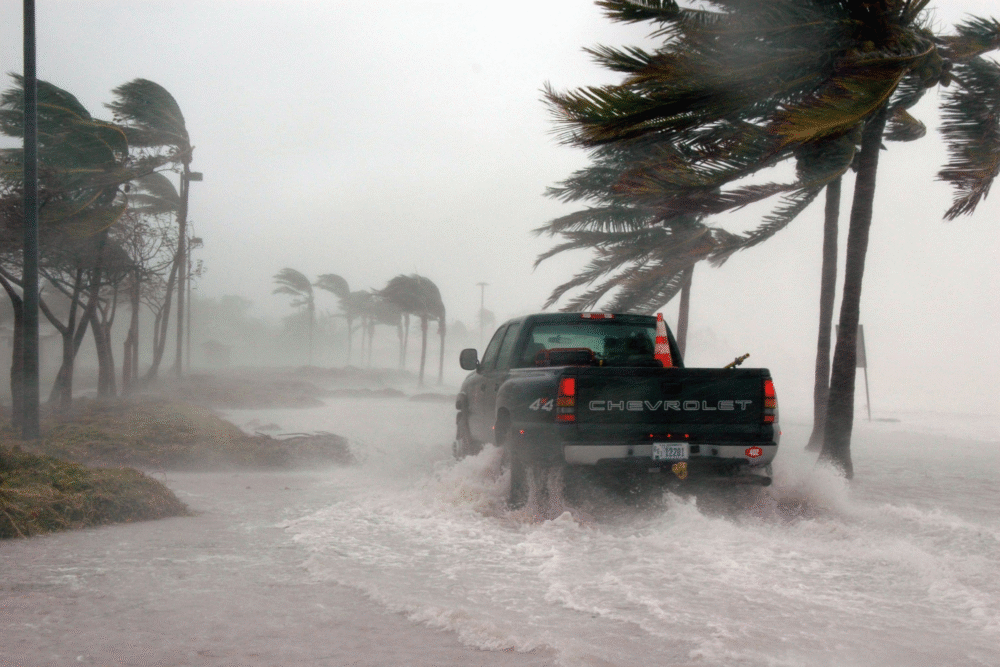
Florida’s vulnerability to hurricanes stems from a combination of geographical features and climatic conditions. The state’s extensive coastline faces both the Atlantic Ocean and Gulf of Mexico, exposing it to multiple storm paths. Warm ocean waters nearby fuel hurricane formation and strength, while flat terrain allows winds and storm surge to cause widespread damage. Seasonal wind patterns and high humidity further intensify tropical systems, making Florida particularly prone to hurricanes throughout the year, according to NOAA and the National Weather Service.
1. Florida’s extensive coastline increases its exposure to approaching storms.
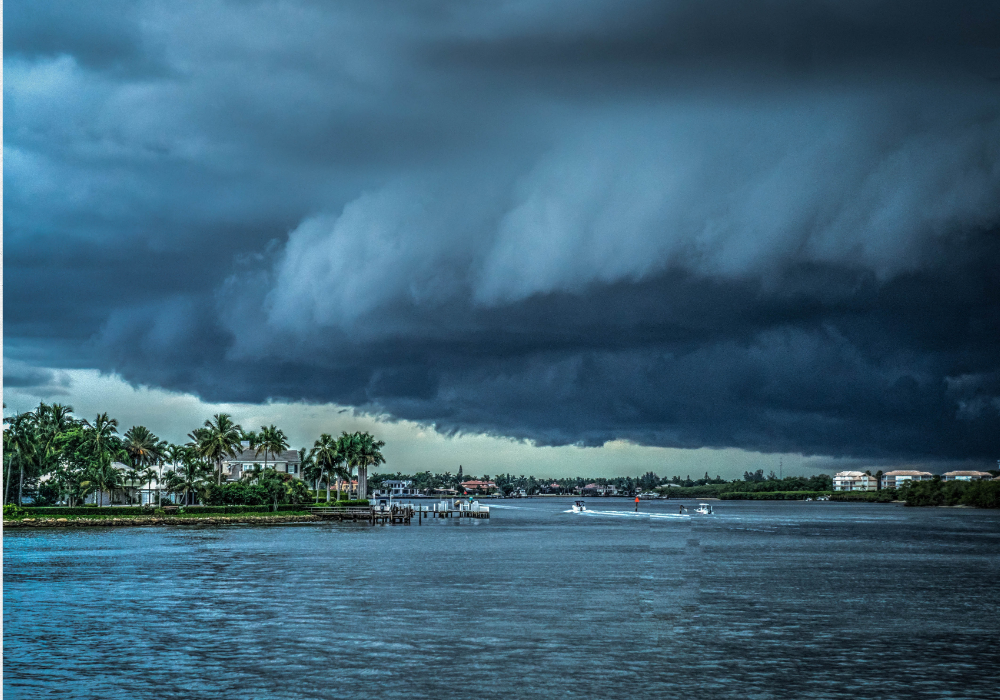
Florida’s sweeping coastline stretches over 1,300 miles, providing ample opportunities for hurricanes to make landfall. From the bustling urban stretches to quiet beaches, this extensive coast is a prime target. Storms can hit from the Atlantic Ocean or Gulf of Mexico.
Unlike states with less coastline, Florida’s peninsular shape enhances its vulnerability. The dual exposure means that hurricanes have multiple entry points, raising chances for damage. This reality highlights the distinctive geographic challenge Florida faces, impacting both infrastructure and natural habitats.
2. Warm ocean waters surrounding Florida fuel hurricane formation and strength.

Ocean temperatures play a crucial role in hurricane intensity, with warm waters acting as an energy source. Florida’s surrounding bodies of water consistently exceed 80 degrees Fahrenheit, perfect for storm development. Hurricanes gather strength as they pass over these warm currents.
While other coastal regions experience seasonal cooling, Florida’s maintained warmth fosters storm potential across a prolonged period. This constant heat source ensures not only frequent activity but also the potential for powerful hurricanes. It’s a fuel that turns nascent storms into formidable systems.
3. The state’s flat terrain offers little resistance against powerful winds.
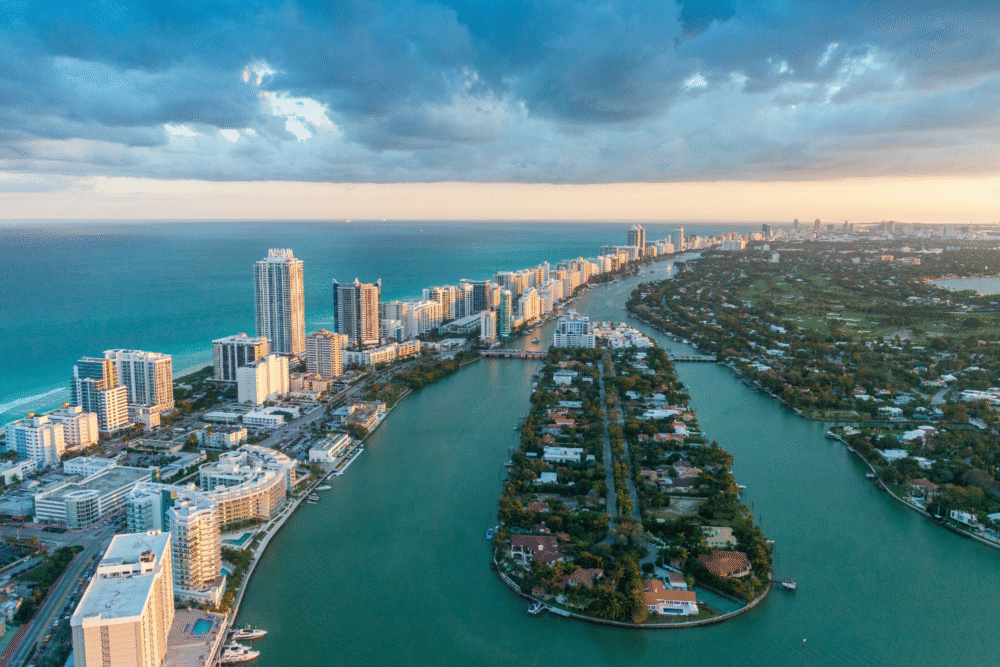
Large expanses of flat terrain characterize Florida’s interior, offering no natural barriers against winds. As hurricanes move inland, the lack of elevation allows wind forces to maintain strength. Towns and cities feel the full impact of the storm’s power.
States with hills and mountains experience natural wind dissipation, unlike Florida. The open landscapes allow storms to sweep across the region, spreading damage far and wide. This unique feature compounds challenges during hurricane season by amplifying potential harm.
4. Florida’s geographic location lies directly in common hurricane paths.
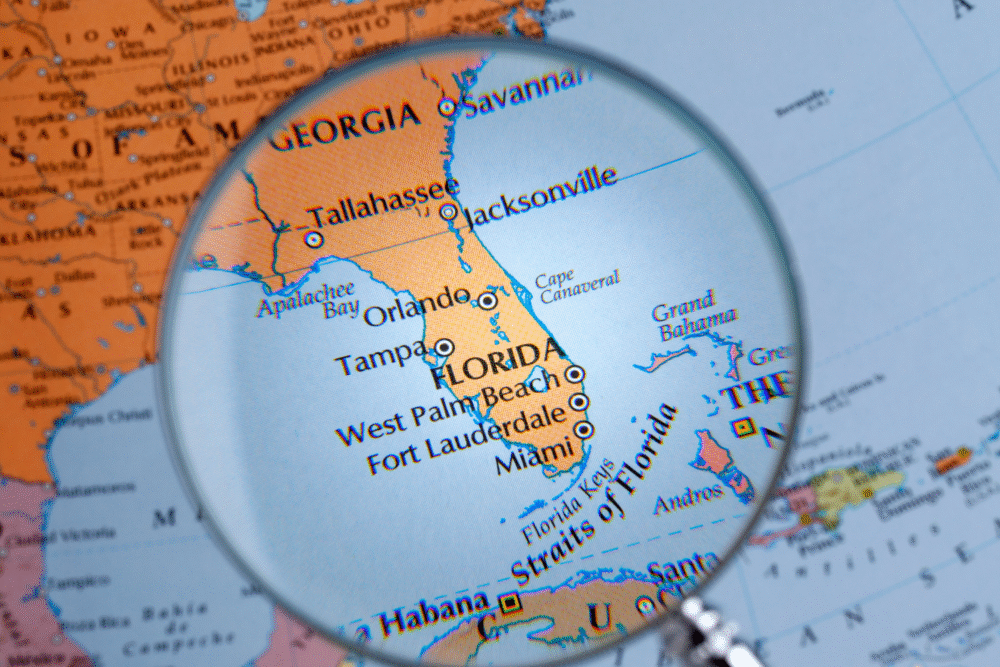
Situated within the hurricane belt, Florida lies squarely in the path of both Atlantic and Gulf storms. Hurricanes often track straight toward the peninsula, directed by established atmospheric patterns. Its central location makes it a regular target during hurricane season.
Coastal states like Texas and the Carolinas experience fewer direct hits due to varied geographic positions. In contrast, Florida’s centrality leaves little room for avoidance, trapping the state in a hurricane hotspot. This geographical fate demands constant vigilance from its residents.
5. High humidity levels contribute to the intensification of tropical systems.
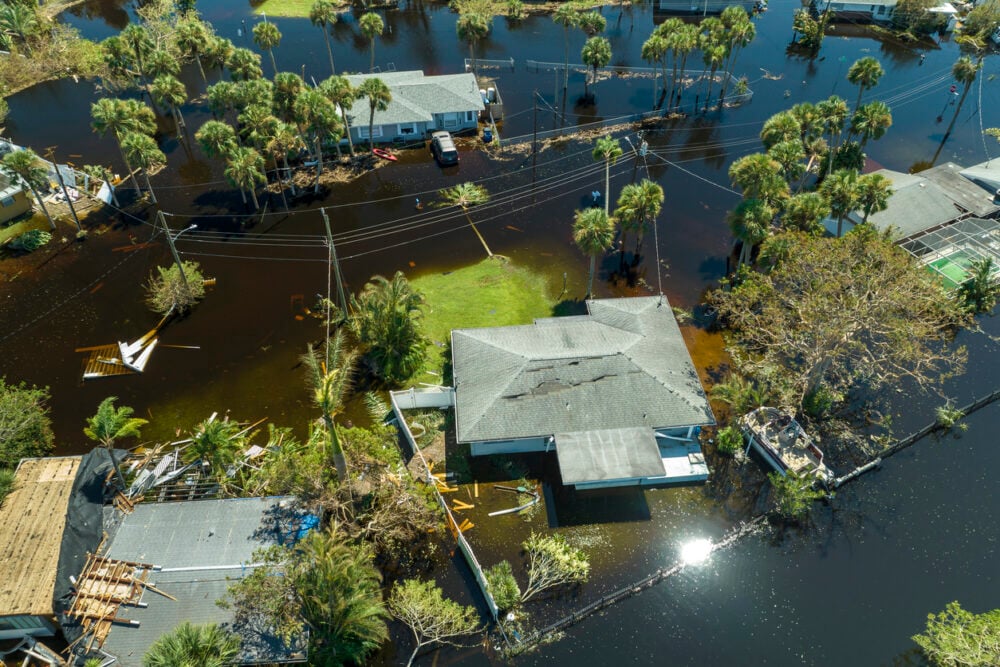
High humidity is another factor escalating storm risks in Florida. Moist air serves as a key ingredient in strengthening tropical systems. These sweltering conditions lay the groundwork for hurricanes to become more dangerous as they approach land.
Frequent downpours during summer months create a saturated environment that intensifies storms rather than weakens them. The damp air aids in sustaining the hurricane’s energy, making subsequent landfall potentially more severe. Rich moisture content significantly heightens the stakes for hurricane preparedness.
6. Frequent summer thunderstorms can develop into larger storm patterns.
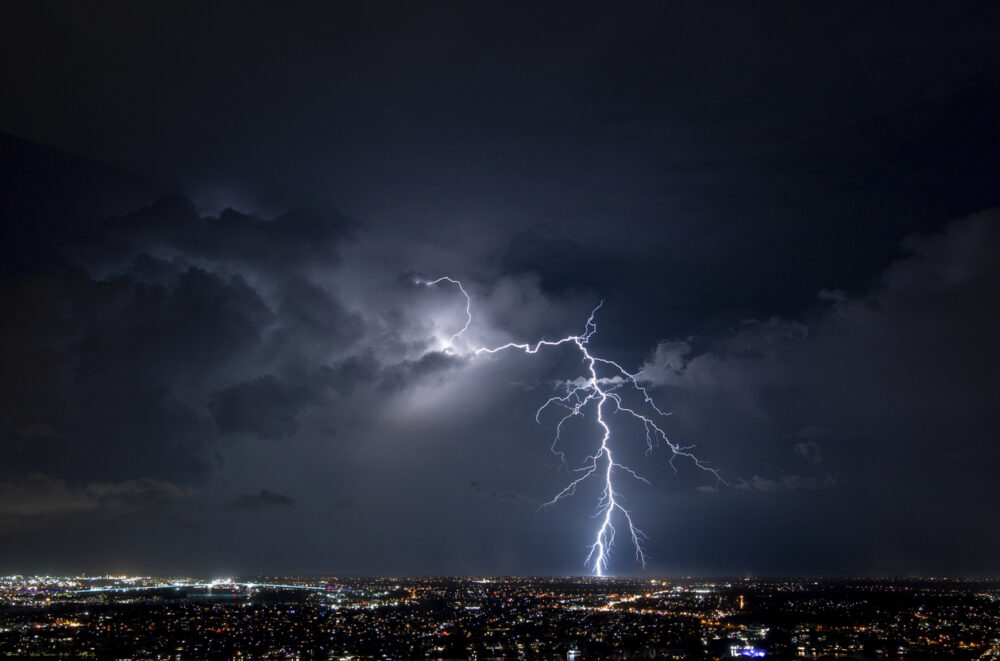
Summer months in Florida bring thunderstorms that can rapidly coalesce into larger disturbances. The daily afternoon storms might seem routine, but they provide a breeding ground for more severe weather patterns. This climate feature adds unpredictability to Florida’s hurricane risk profile.
While some storms fizzle out harmlessly, others can escalate into powerful systems. The convergence of warm air and moisture in these scenarios can greatly enhance storm potential. The region’s instability incorporates a layer of complexity into its already unpredictable weather.
7. The Gulf of Mexico’s warm waters often spawn early hurricanes nearby.
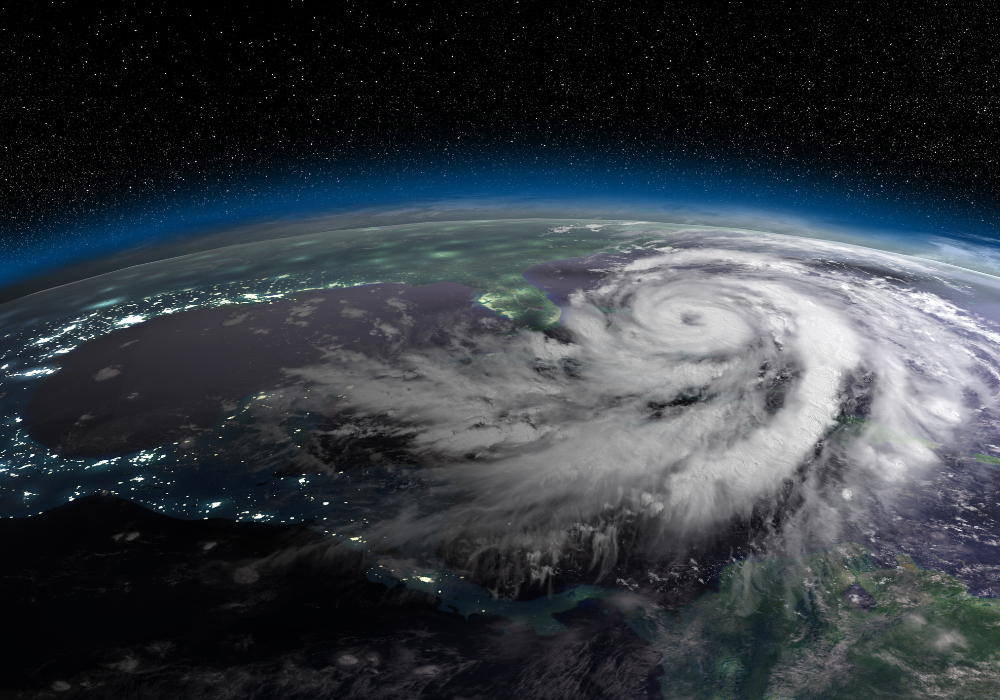
The Gulf of Mexico is a renowned generator of early-season hurricanes due to its warm waters. Situated to Florida’s west, this body of water often sees tropical systems forming in proximity, born from spring and summer currents. Hurricanes can quickly organize and intensify here.
While other regions await peak hurricane months, Florida contends with early threats. The Gulf’s warmth extends the state’s hurricane period, increasing its exposure to severe weather. The shadow of the Gulf looms large over early and later-season storm forecasts.
8. Complex weather interactions in the region promote storm development.
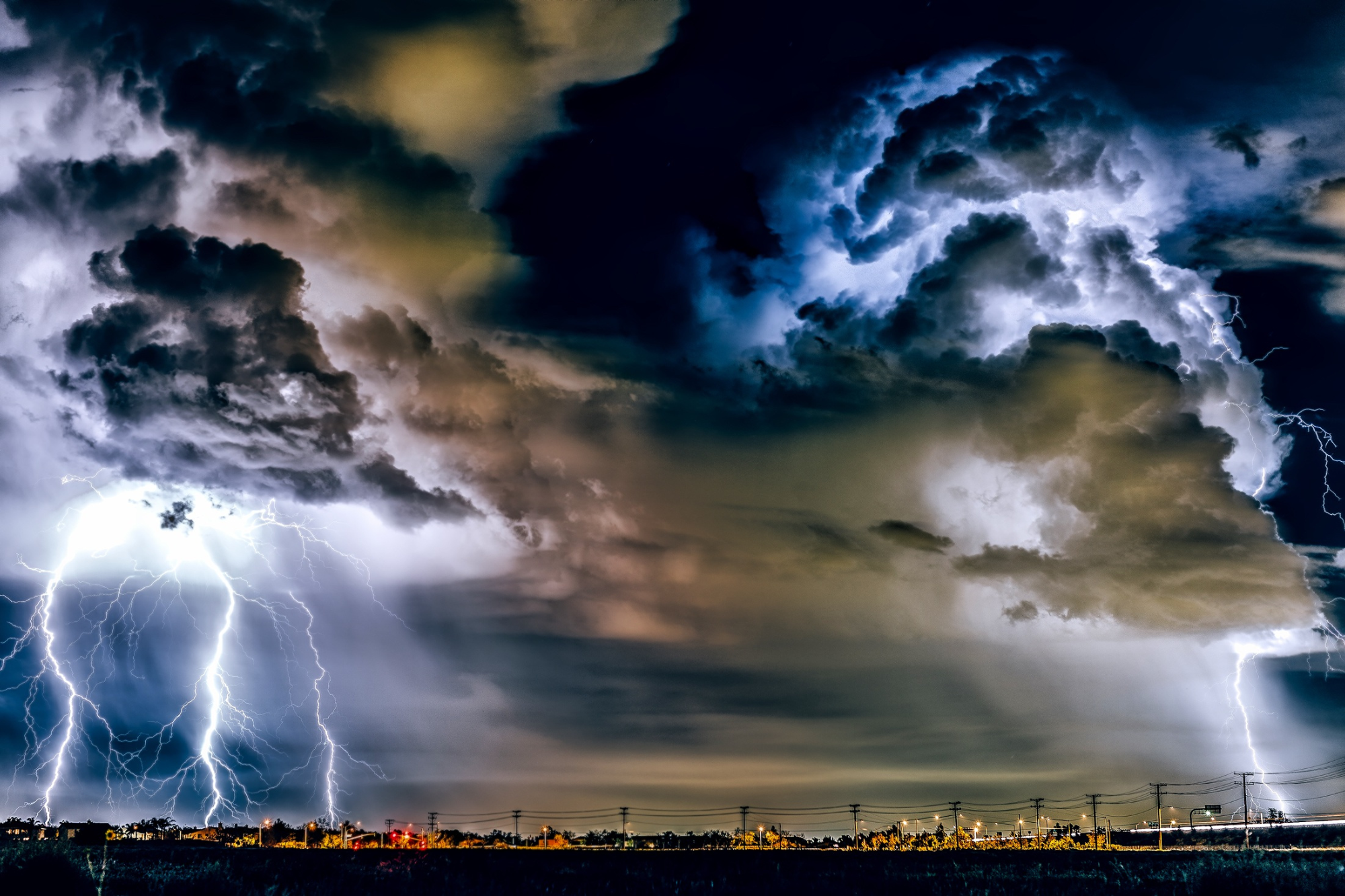
Florida experiences a convergence of complex atmospheric conditions conducive to storm propagation. Wind patterns, ocean currents, and thermal differences intertwine, crafting an environment ripe for hurricanes. These intricate interactions often coalesce into potent storms hovering near the state.
In the region, both random and predictable forces are at play, entwining to influence storm behavior. The result is a heightened frequency of tropical activity. Florida’s position at the intersection of these forces amplifies its exposure to tropical system development.
9. Urban growth along the coast increases vulnerability to storm damage.
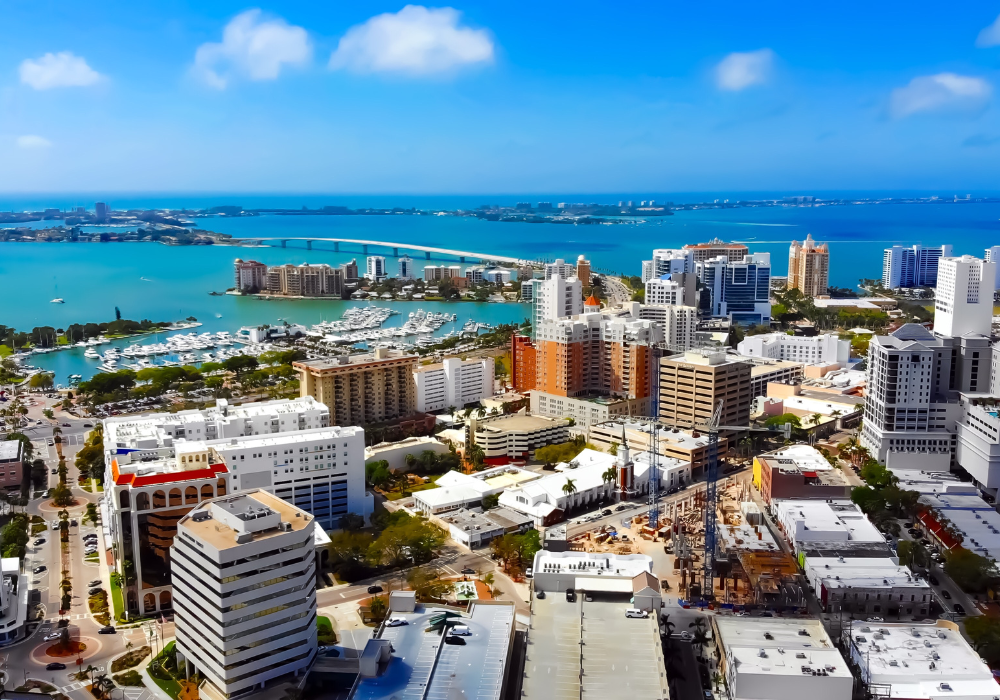
Florida’s booming coastal urbanization raises its storm vulnerability, placing more structures in harm’s way. Bustling cities and developments extend right into historically volatile zones. The economic impact of storms is amplified where people and industries are densely packed.
Unlike rural coastlines, urban expansions introduce numerous challenges to storm preparedness and recovery. Dense populations mean more resources are required for effective disaster management. The growth along Florida’s coastal stretches invariably increases both risk and stakes for urban areas.
10. Seasonal wind patterns steer hurricanes directly toward Florida’s shores.

Prevailing wind patterns steer many hurricanes squarely toward Florida, making evasive maneuvers unlikely. Seasonal winds often push storms from the Atlantic towards the central coast or northwestern shores. This can leave other states relatively unscathed while Florida braces for impact.
While storms might pass by nearby states, these steering winds often offer Florida no such respite. Redirected by atmospheric currents, many hurricanes find a pathway directly over the peninsula. These channels of air make storm avoidance challenging, demanding perennial readiness.