
Record heat is making it harder for dairy cows to produce — and the effects could reach your fridge.
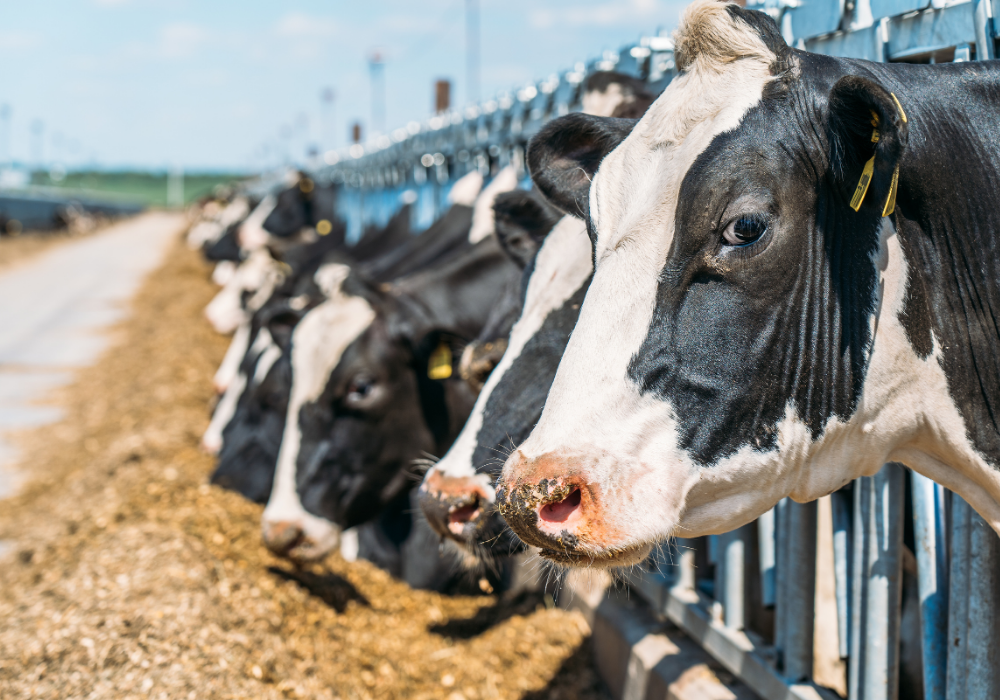
Extreme heat poses multiple threats to the global milk supply by affecting dairy cows’ health and milk production. Heat stress reduces feed efficiency and water availability while increasing disease risks and cooling costs. Additionally, rising temperatures disrupt pasture growth and spoilage rates, complicating farm management and infrastructure. Understanding these interconnected effects is critical for sustaining the dairy industry amid climate change.
1. Extreme heat reduces dairy cows’ milk production and overall health.

Extreme heat disrupts dairy cows’ ability to produce milk by inducing heat stress, which affects their overall health and productivity. When air temperatures rise, cows struggle to regulate their body temperature, leading to decreased appetite and ultimately reducing milk yield.
The impact goes beyond milk quantity, as cows under heat stress may experience reproductive issues and weakened immune systems, making them more susceptible to disease. This health decline adds pressure on farmers to find effective methods to keep their livestock cool and maintain production levels.
2. Higher temperatures increase water demand for farms and livestock care.

Higher temperatures mean farms need much more water for both crops and livestock care. Cows require increased hydration to stay healthy and maintain milk output, leading to greater water consumption in scorching conditions.
Water scarcity in some regions complicates this issue, exacerbating stress on resources already strained by high demand. Ensuring adequate water supply stands as a critical aspect of farm management during periods of extreme heat, affecting long-term productivity and sustainability.
3. Heat stress lowers feed efficiency, affecting cows’ nutrient absorption.

Heat stress interferes with how cows process nutrients, lowering their feed efficiency. When cows are too hot, they eat less and fail to optimally absorb essential nutrients, which directly impacts milk production.
This inefficiency in nutrient uptake can result in lower quality milk, as cows derive inadequate nourishment from their feed. Understanding variations in regional temperature patterns helps pinpoint where nutritional adjustments are most necessary for sustaining dairy operations.
4. Rising temperatures disrupt pasture growth, limiting natural forage availability.

Rising temperatures inhibit the growth of pastures that provide natural forage for cattle, compelling farmers to rely more heavily on costly supplemental feed. Grasses and other forage plants find it difficult to flourish under intense heat, often leading to poor yields.
This situation can create a ripple effect, contributing to higher feed costs and affecting the profitability of dairy farms. Monitoring pasture conditions allows farmers to anticipate shifts in forage availability and mitigate potential financial impacts.
5. Warmer climates increase the risk of heat-related diseases in herds.

Warmer climates increase the incidence of heat-related diseases in dairy herds by creating conditions favorable to pathogens and parasites. When temperatures rise, stressed animals become more vulnerable to illnesses that can quickly spread through herds.
Effective disease management becomes imperative with heightened risks, emphasizing the importance of regular health checks and interventions. By keeping disease prevalence in check, farms can better maintain herd health and milk production capacity.
6. Extreme heat causes faster spoilage of milk during transport and storage.

Increased heat accelerates the spoilage rate of milk during transportation and storage, risking quality loss before reaching consumers. As temperatures climb, milk becomes more susceptible to bacteria growth, necessitating enhanced cooling methods en route.
Farmers and distributors need to invest in improved refrigeration and expedited delivery processes. This ensures milk maintains quality standards from production to market, preserving its value in the supply chain.
7. Drought conditions reduce water supply for irrigation of feed crops.
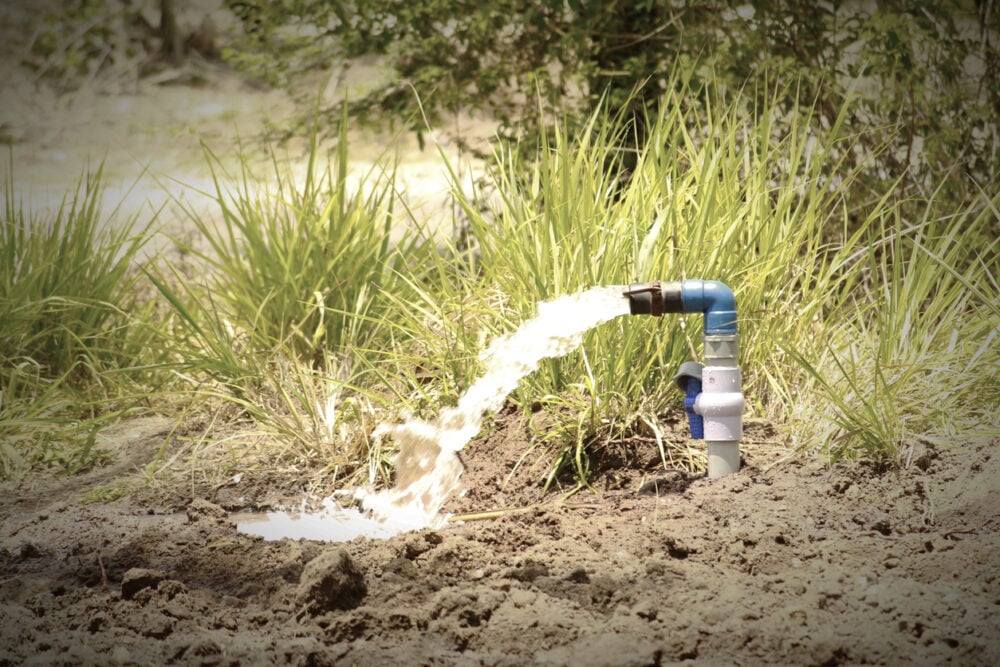
Drought conditions crucially impact water supply, essential for irrigating feed crops necessary for maintaining dairy cows’ diets. Without sufficient water, crop yields decline, raising costs for alternative feed sources.
Managing these impacts involves strategies to balance water resources effectively. Regions prone to recurrence face heightened vulnerability, necessitating a shift towards crops resilient to drier climates or improved irrigation technology.
8. Heat waves exacerbate existing infrastructure challenges on dairy farms.
Heat waves strain already existing infrastructure challenges on dairy farms, hindering operational efficiency. From barns to processing facilities, conditions under extreme temperatures require updates to prevent energy shortages and equipment failures.
Improved design and adaptable infrastructure enable farms to withstand the physical and economic toll of recurring heat events. Emphasizing resilience in farm planning bolsters their ability to continue thriving in shifting climate conditions.
9. Stress on cows can lead to lower milk quality and altered composition.

Stress from high temperatures can alter milk quality, leading to variations in fat and protein content. When cows endure extreme heat, stress hormones affect milk composition, potentially diminishing desired nutritional properties.
Recognizing such shifts in milk quality prompts need for testing and adjustments. Maintaining awareness of these quality changes allows processors and retailers to meet market standards while upholding consumer trust.
10. Increased cooling costs from heat strain farmers’ financial resources.

Extra cooling measures, from fans to advanced ventilation, add significant costs to farm operations in extreme heat. As energy use spikes with temperature, producers face increased financial burdens for maintaining optimal cattle conditions.
Balancing these expenses with production income can prove challenging, pressuring farmers to seek sustainable energy solutions. Navigating new economic landscapes becomes essential in helping offset heightened cooling demands, ensuring operational viability.