
Extreme weather, uncertainty, and fear of the future are taking a growing toll on global mental health.

As wildfires, floods, and heat waves intensify, experts say the planet isn’t the only thing under stress — people are, too. Psychologists warn that climate change is fueling an unseen mental health crisis, with rising anxiety, depression, and trauma linked to environmental disasters and constant fear of the future. For many, the emotional burden of living through an unstable climate is becoming overwhelming, sparking concerns that a global “climate anxiety” epidemic may already be underway.
1. Climate Anxiety Is Becoming a Global Phenomenon

Across generations and continents, more people are reporting feelings of dread about the planet’s future. Known as “climate anxiety,” this growing psychological response reflects deep fear, frustration, and helplessness in the face of worsening environmental crises.
Surveys show that younger generations — especially Gen Z — are most affected, often expressing guilt, grief, and anger about climate inaction. Psychologists say this anxiety is rational, given the scientific reality, but warn that chronic fear can lead to emotional burnout, depression, and paralysis if left unaddressed.
2. Extreme Weather Events Leave Deep Psychological Scars
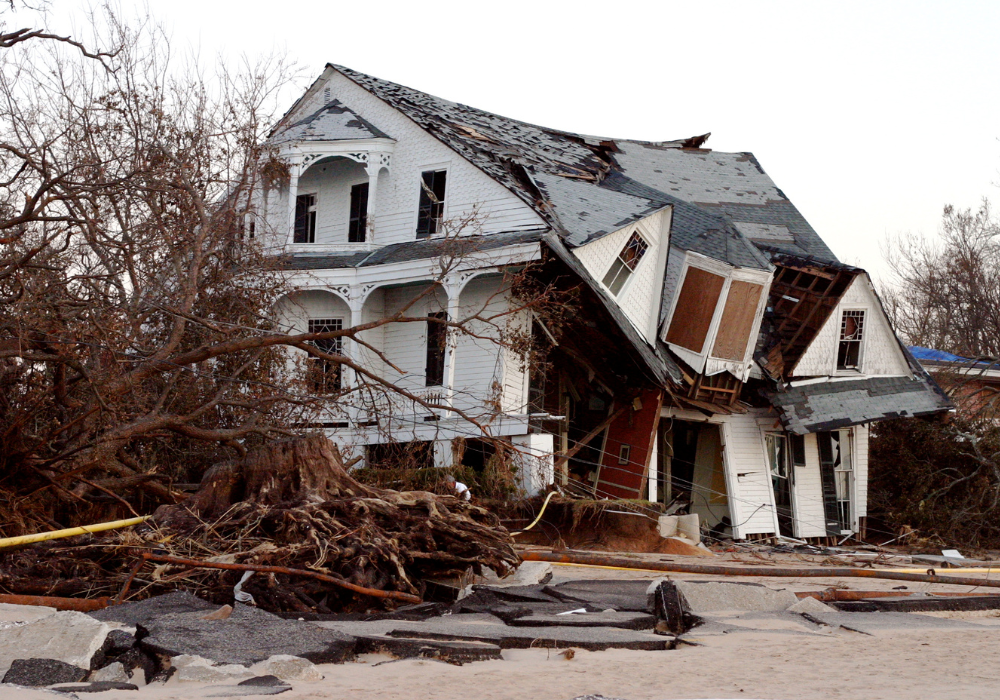
Hurricanes, wildfires, and floods don’t just destroy homes — they shatter mental well-being. Survivors of natural disasters often face post-traumatic stress, anxiety, and grief that can last for years after the event.
According to researchers, repeated exposure to climate-related disasters intensifies emotional distress. Communities in regions like California, Australia, and South Asia have seen sharp increases in trauma-related symptoms following extreme weather, revealing how climate instability leaves both visible and invisible scars.
3. Displacement and Migration Create Long-Term Stress
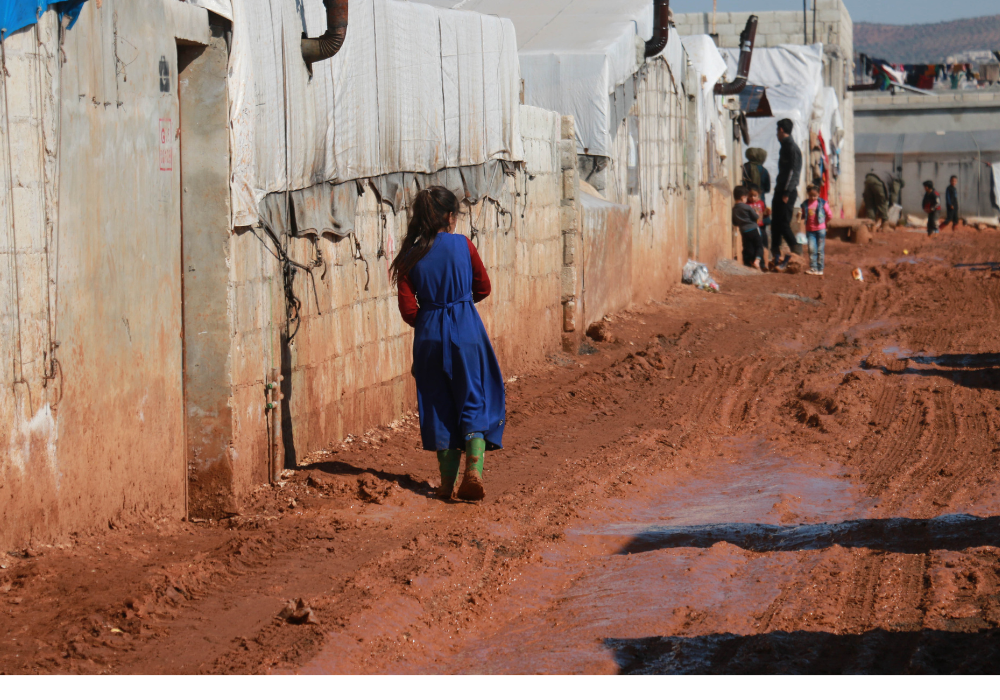
As rising sea levels and droughts force millions to move, the mental health burden of climate displacement grows. Uprooted families face uncertainty, loss of identity, and the trauma of leaving behind homes, communities, and livelihoods.
Experts warn that “eco-migration” — the forced relocation driven by environmental collapse — could become one of the defining humanitarian challenges of the century. The psychological toll includes chronic stress, cultural disconnection, and heightened vulnerability to anxiety and depression.
4. Farmers and Rural Workers Are Facing Unrelenting Pressure

In regions where agriculture depends on predictable weather, drought and heat are driving farmers into crisis. Crop failures, livestock losses, and mounting debt have led to alarming rates of depression and even suicide among rural workers.
Studies from Australia, India, and parts of the U.S. reveal a consistent link between environmental hardship and mental distress. Experts say expanding mental health services in rural areas is critical as farmers face pressures that go far beyond financial strain — they’re confronting the emotional reality of a changing planet.
5. Young People Feel Betrayed by Inaction
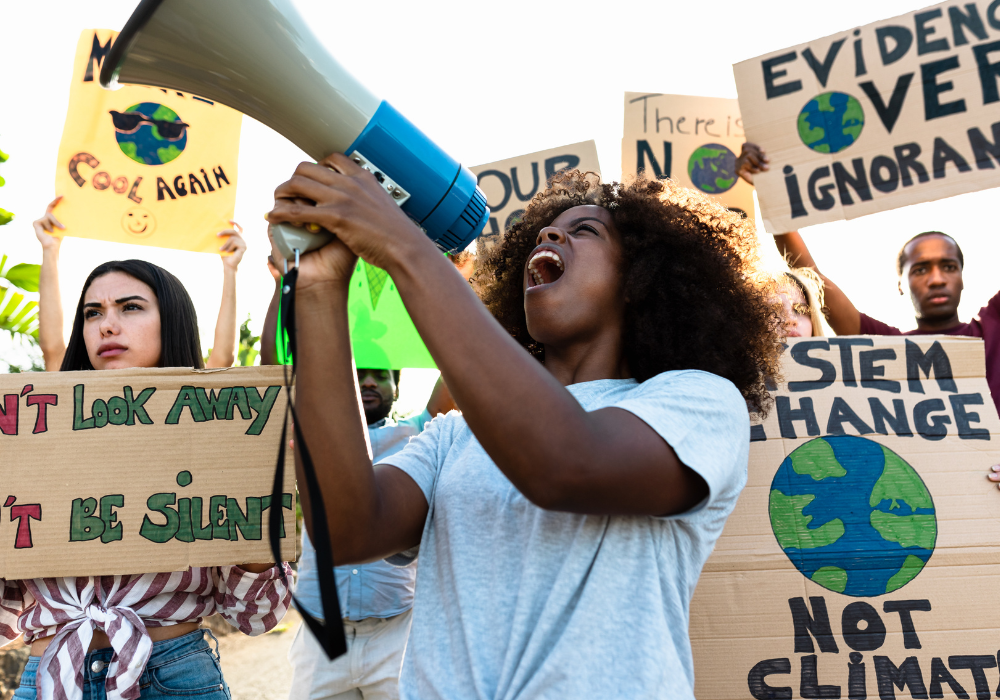
Many young people say they feel hopeless about their future because of political inaction on climate change. This sense of betrayal — sometimes called “eco-grief” or “climate despair” — has become widespread among teens and young adults.
Psychologists note that this despair can lead to withdrawal, anger, or obsessive focus on the climate crisis. While activism provides some empowerment, it can also heighten stress. Mental health experts encourage youth to balance engagement with self-care to avoid emotional exhaustion in the fight for environmental change.
6. Rising Heat Is Affecting Brain Health and Mood

Scientists have found that higher temperatures directly influence mood, aggression, and mental clarity. Studies show that heat waves are associated with increased irritability, anxiety, and even suicide rates in some regions.
As global temperatures continue to rise, researchers fear heat stress could become a silent driver of mental health decline. Prolonged exposure to extreme heat disrupts sleep, increases fatigue, and strains emotional resilience, especially among those without access to cooling or stable housing.
7. Communities Already Struggling Are Hit Hardest
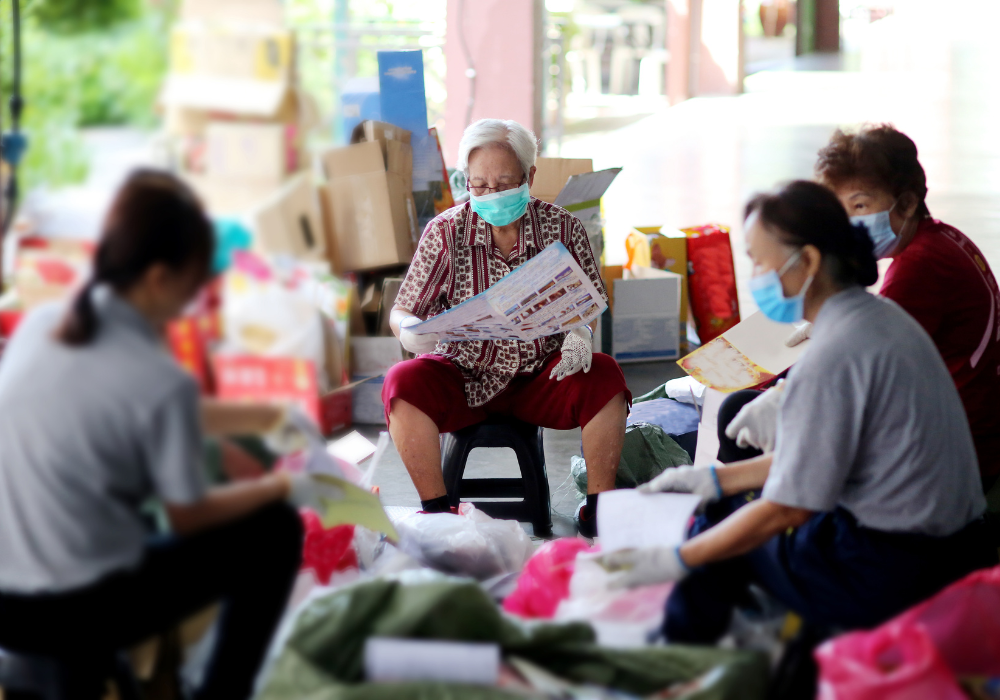
Low-income and marginalized communities are more exposed to climate disasters and have fewer resources to recover. This combination creates a perfect storm for mental health challenges.
From rural farmers to urban neighborhoods lacking green spaces, those least responsible for the crisis are often suffering the most. Experts say addressing this inequality is vital — both to improve resilience and to prevent a widening gap in global mental health outcomes.
8. Grief Over Lost Landscapes Is Real — and Growing

“Solastalgia” is a term for the pain people feel when their familiar environment changes beyond recognition. Whether it’s vanishing glaciers, dying coral reefs, or burned forests, these losses create profound sadness and disorientation.
This emotional grief is being documented worldwide, particularly among Indigenous communities deeply connected to the land. Psychologists say acknowledging this grief — rather than suppressing it — is a key part of adapting emotionally to a rapidly changing planet.
9. Climate Change Fuels Conflict and Social Strain

Environmental stress doesn’t only affect individuals — it also frays social bonds. Competition over scarce resources like water and arable land can heighten tension, violence, and political instability.
This social upheaval takes a mental toll. Living in communities under constant environmental and economic pressure leads to chronic stress and collective trauma. Experts warn that without coordinated action, climate-related unrest could amplify psychological suffering on a massive scale.
10. Eco-Activists Are Burning Out Under the Pressure
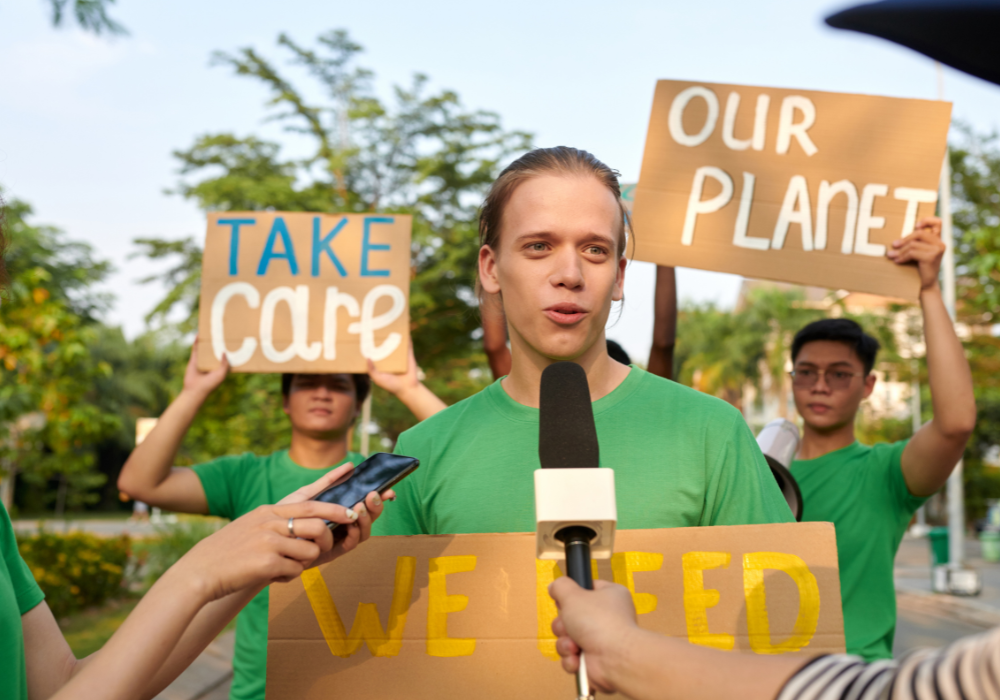
For many environmental activists, constant exposure to distressing climate news leads to exhaustion, anxiety, and despair. They often experience “activist burnout” — emotional fatigue from feeling that their efforts can’t keep pace with the scale of the crisis.
Experts emphasize the need for emotional resilience and community support among climate advocates. Taking breaks, sharing the emotional burden, and focusing on achievable goals can help prevent burnout while sustaining long-term engagement.
11. Children Growing Up Amid Crisis Are Internalizing Fear

Children exposed to constant climate headlines and disaster footage are showing higher rates of anxiety and sleep problems. Psychologists call this “climate fear conditioning” — when children learn to associate the future with danger or instability.
Experts say open, age-appropriate conversations can help kids process these fears without feeling overwhelmed. Empowering them through education and action can also foster hope, helping turn anxiety into agency rather than despair.
12. Experts Say Acknowledging the Emotional Toll Is Essential

Psychologists agree that the first step in addressing climate-related mental health issues is recognizing their legitimacy. For decades, the emotional dimension of the crisis has been overlooked in policy discussions.
Today, more clinicians and scientists are calling for global mental health frameworks that include climate stress and trauma. Understanding the emotional cost of environmental change, they say, is key to building psychological resilience — and ensuring people can cope with an increasingly uncertain future.