
Wildlife experts say increased sightings and bolder behavior signal a shift city residents should understand and prepare for.
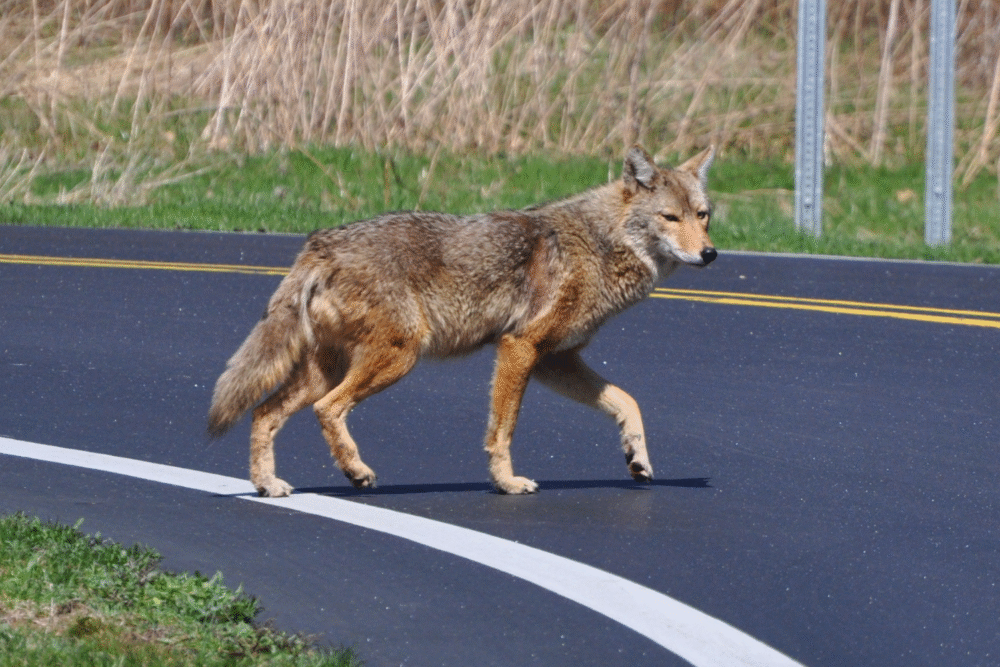
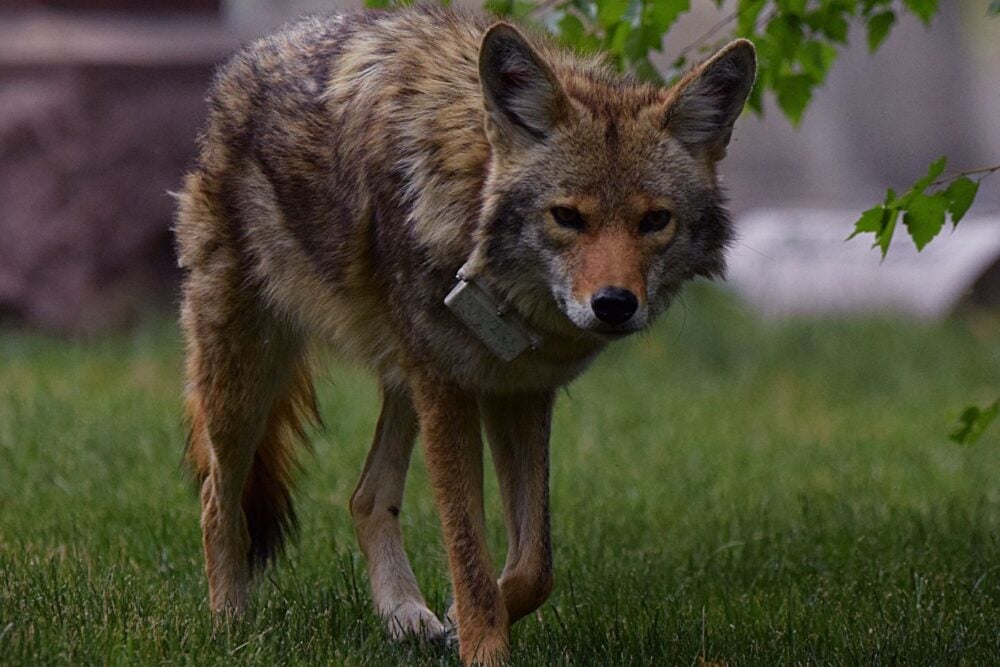
Coyotes have long lived on the edges of cities, but wildlife experts say something about their behavior is starting to change. In neighborhoods where sightings were once rare, residents are now spotting coyotes more often — sometimes in broad daylight, sometimes closer to homes and pets than expected.
Researchers stress this doesn’t mean coyotes are suddenly becoming aggressive, but it does signal a shift in how they’re adapting to urban life. Understanding what’s driving this change — and how people should respond — can help reduce fear, protect pets, and keep encounters from turning into problems for either side.
1. Coyotes Aren’t New to Cities — But They’re More Visible Now
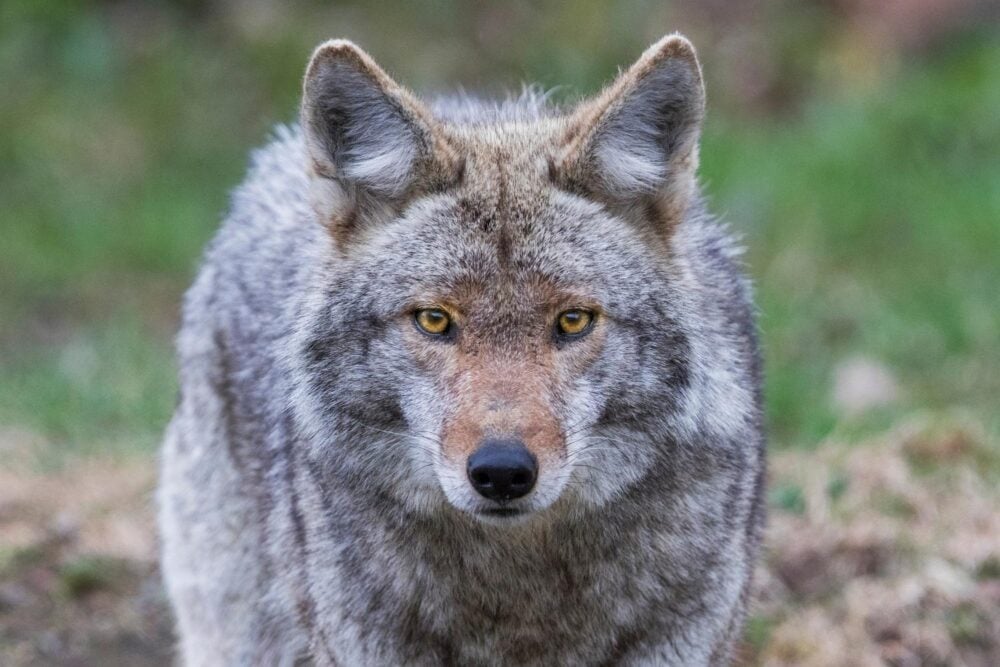
Coyotes have been living near cities for decades, often unnoticed as they moved mostly at night and kept their distance from people. What’s changing isn’t their presence, but how often humans are seeing them. More daylight sightings and appearances in parks and neighborhoods are catching attention.
Wildlife experts say this increased visibility is partly due to coyotes growing more comfortable navigating human-dominated spaces. It doesn’t necessarily mean their numbers have exploded, but it does mean people are encountering them more often than before.
2. Daytime Sightings Don’t Automatically Signal Danger

Seeing a coyote during the day can feel alarming, but experts say daytime activity alone isn’t a sign of aggression or rabies. Coyotes may be active during daylight while caring for pups, searching for food, or avoiding nighttime disturbances.
In urban environments, human schedules influence animal behavior. Construction noise, traffic patterns, and reduced nighttime quiet can push coyotes to adjust when they move. Awareness matters, but panic isn’t helpful or necessary in most daytime encounters.
3. Urban Food Sources Are Changing Coyote Behavior
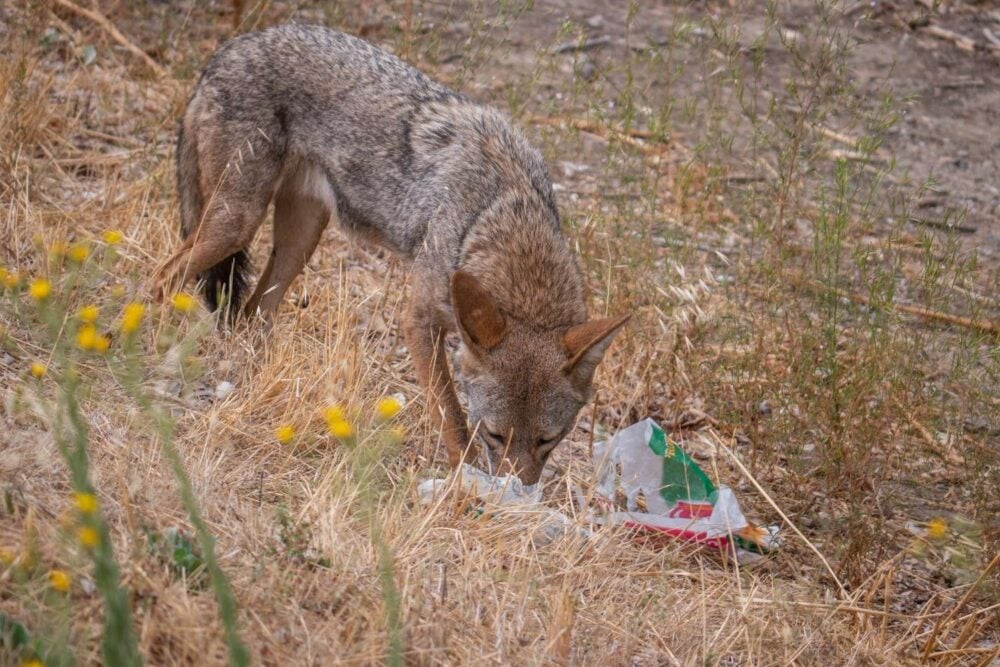
Cities unintentionally offer coyotes reliable food, from unsecured trash and compost to rodents attracted by human waste. Even fallen fruit, pet food left outdoors, or bird feeders can draw in prey species coyotes hunt.
When food becomes easier to find, coyotes don’t need to roam as far or stay as hidden. Experts warn that this can lead to bolder behavior, especially if animals associate neighborhoods with easy meals rather than natural caution.
4. Coyotes Are Highly Adaptable Survivors
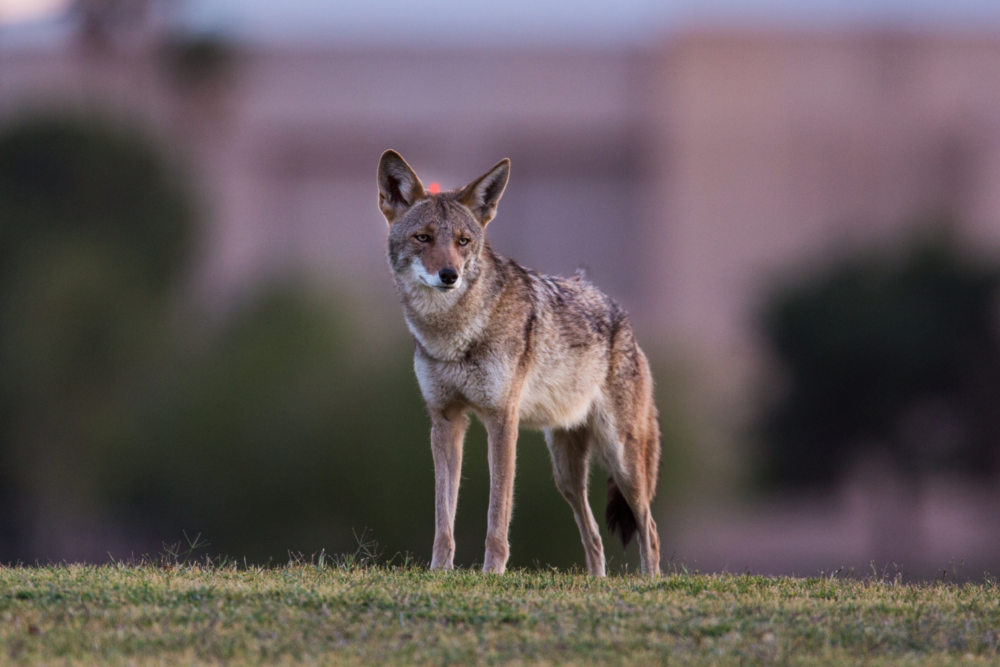
Coyotes are among North America’s most adaptable mammals, able to thrive in deserts, forests, suburbs, and dense cities. Their intelligence and flexibility allow them to quickly learn traffic patterns, human routines, and safe corridors through urban areas.
This adaptability helps explain why coyotes now appear in places once thought unsuitable, including city centers. Experts stress that adaptation doesn’t equal aggression — it reflects survival skills responding to rapidly changing environments.
5. Breeding Season Can Increase Sightings
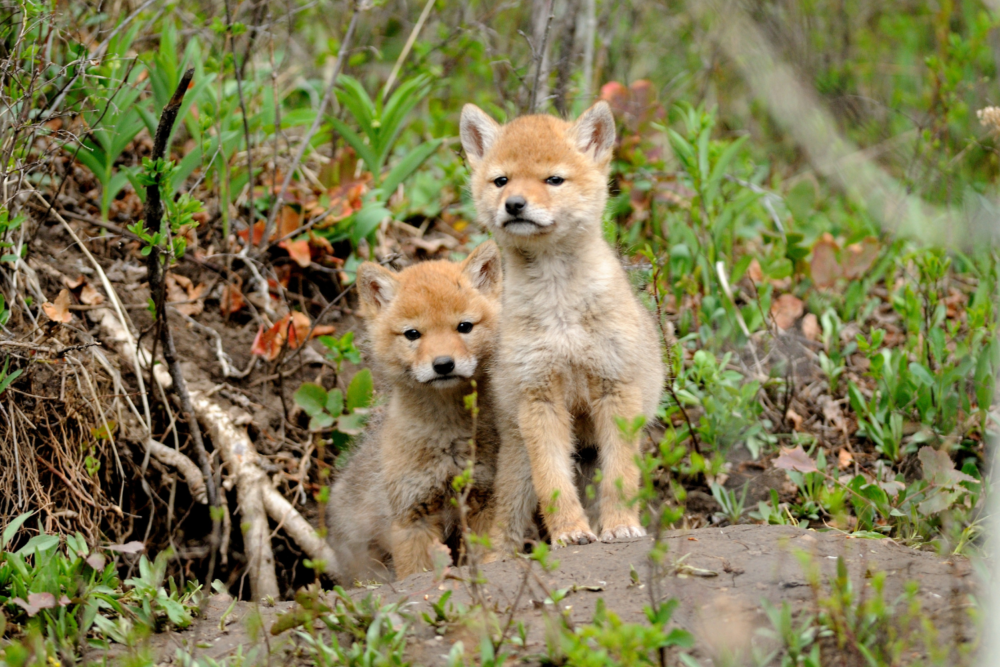
Coyote activity often increases during breeding and pup-rearing seasons, when adults are more focused on defending territory and finding food. This can lead to more frequent sightings near dens, parks, and green spaces.
During these periods, coyotes may appear more assertive if people or dogs approach too closely. Wildlife specialists say this behavior is protective, not predatory, and usually temporary as pups mature and family groups disperse.
6. Pets Are Often the Biggest Risk Factor

Experts consistently note that pets, especially small dogs and outdoor cats, face the greatest risk during coyote encounters. Coyotes may see small animals as prey or perceive dogs as territorial threats.
Keeping dogs leashed, avoiding dusk and dawn walks in known coyote areas, and never leaving pets unattended outdoors can significantly reduce risk. Awareness and simple precautions are far more effective than fear-driven responses.
7. Feeding Coyotes — Even Accidentally — Changes Everything
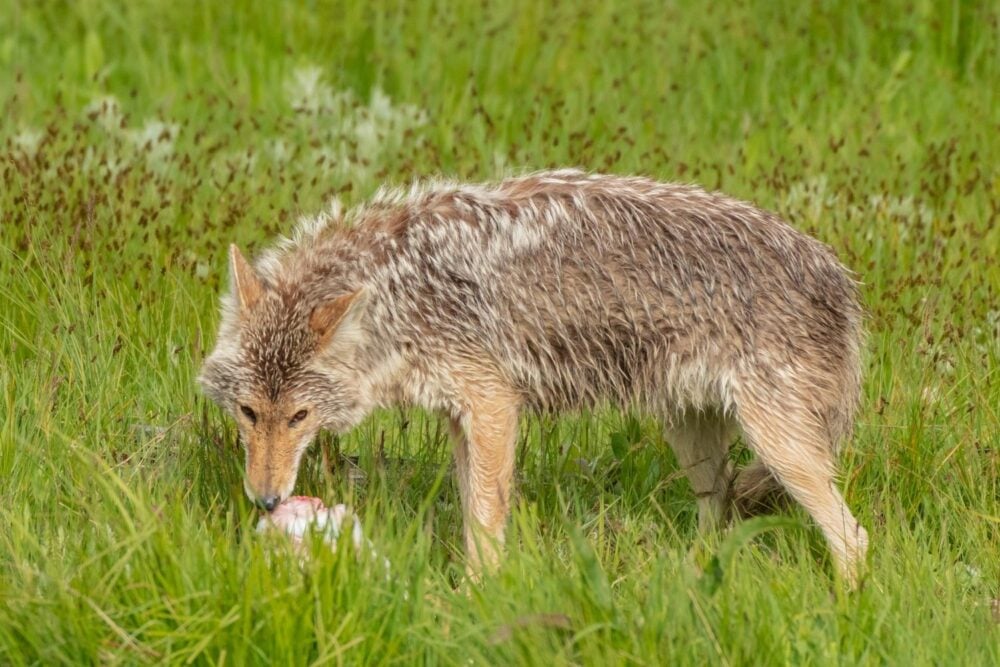
Intentional feeding is rare, but accidental feeding is common and far more dangerous in the long run. When coyotes associate people with food, they lose natural wariness and may approach more closely.
Experts warn that this learned behavior is one of the strongest predictors of future conflict. Securing trash, cleaning up food waste, and removing attractants helps keep coyotes cautious and interactions brief.
8. Hazing Is Meant to Reinforce Boundaries

Hazing involves making yourself appear loud, large, and assertive to discourage a coyote from lingering. This can include clapping, shouting, or using noisemakers when a coyote comes too close.
Wildlife officials emphasize that hazing is about reinforcing boundaries, not harming animals. When done consistently and calmly, it reminds coyotes that humans aren’t passive or predictable and helps maintain healthy distance.
9. Coyotes Rarely Target Humans
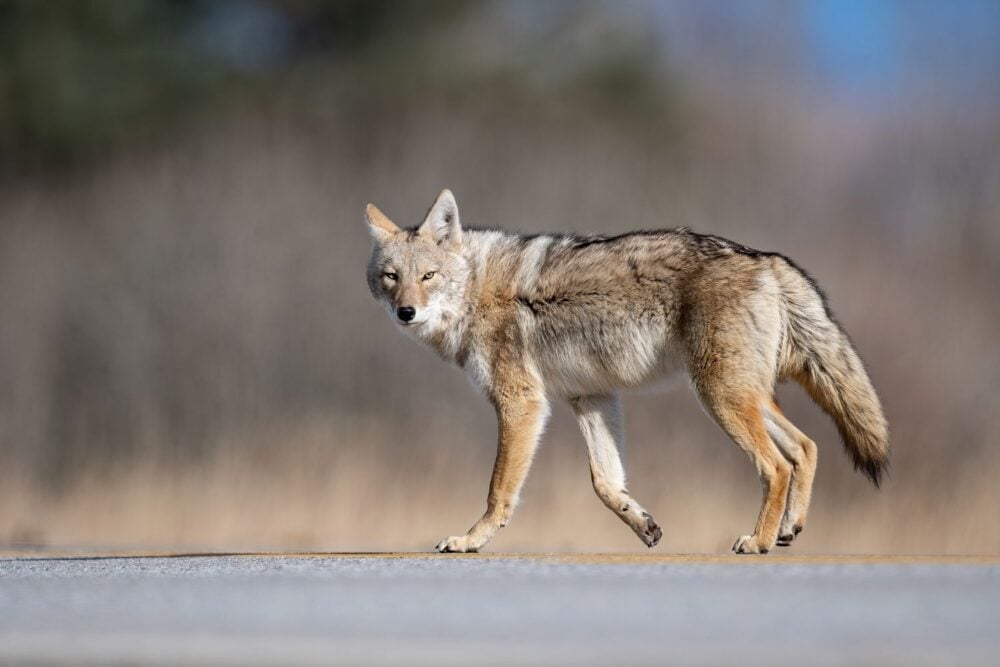
Despite increased sightings, attacks on humans remain extremely rare. Experts stress that coyotes generally avoid people and prefer to escape rather than engage. Media coverage can amplify fear beyond the actual risk.
Most reported incidents involve food conditioning, pets, or people unknowingly approaching dens. Understanding these patterns helps put risk in perspective and prevents unnecessary alarm.
10. Coexistence Is the Long-Term Reality
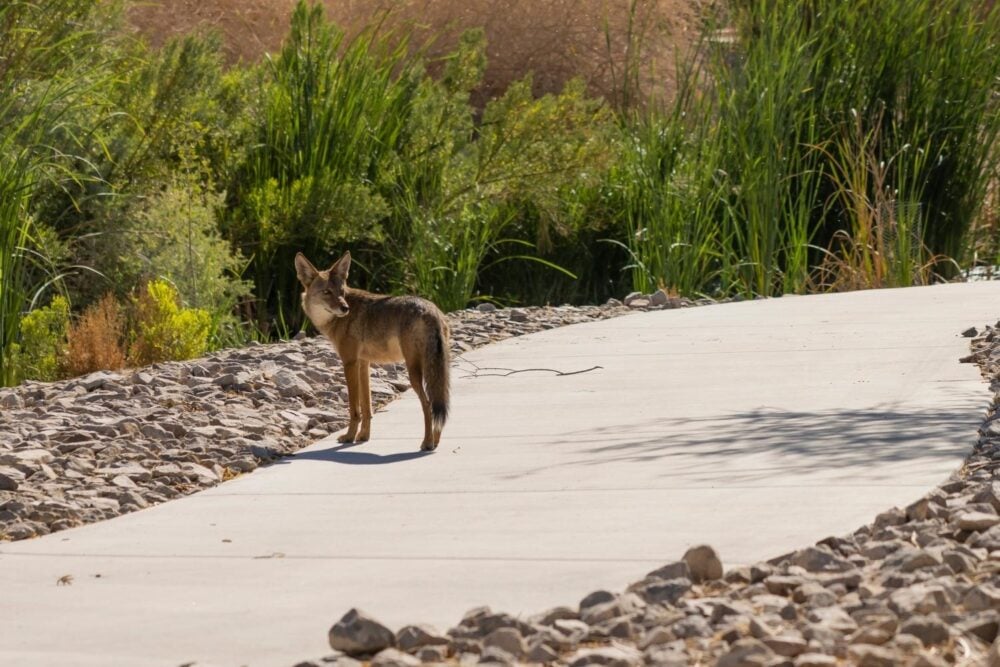
Experts widely agree that removing coyotes from cities isn’t realistic or effective. New animals quickly move into vacant territory, often restarting the same cycle of adjustment and conflict.
Instead, cities and residents are encouraged to focus on coexistence strategies that reduce attractants and reinforce boundaries. These approaches have proven more successful at keeping both people and wildlife safer.
11. Awareness Is the Most Powerful Tool
Wildlife specialists emphasize that informed communities experience fewer negative encounters. Knowing when coyotes are most active, how to respond calmly, and how to secure food sources makes a measurable difference.
As cities continue to expand into natural habitats, encounters with adaptable wildlife are likely to increase. Understanding coyote behavior helps replace fear with practical knowledge — and turns surprise sightings into manageable moments.