
Today’s storms feel bigger, darker, and far more dangerous than the ones we grew up with.

Storms across the globe are growing more intense and frequent due to interconnected climate changes. Rising sea surface temperatures and increased atmospheric moisture supply storms with extra energy and fuel, strengthening their impact. Altered weather patterns, including jet stream shifts and expanded tropical zones, also influence storm behavior. Understanding these climate trends clarifies why storms feel scarier and highlights the importance of adapting to a changing environment.
1. Rising global temperatures increase the energy available for intense storms.

Heat from rising global temperatures increases the amount of energy stored in the atmosphere. This added energy fuels stronger and more intense storms by providing the power necessary for them to develop and intensify. As storm energy increases, intensity follows suit.
Persistent warming trends elevate the base energy environment in which storms form, thereby exacerbating their destructive potential. This trend does not mean every storm will be intense, but overall, the likelihood of experiencing a powerful storm rises as temperatures continue to climb.
2. Warmer oceans provide more moisture, fueling heavier rainfall during storms.

Warmer ocean waters lead to increased evaporation, providing more moisture into the atmosphere. This additional moisture serves as potential fuel for heavy rainfall during storms, enhancing their overall impact. More moisture results in more rain, potentially causing significant flooding and water-related damage.
Increased sea surface temperatures not only enhance rainfall but can also extend the duration and reach of storms. This interaction strengthens the storm’s intensity over land, leading to more severe weather events, which can strain infrastructure and local ecosystems particularly where preparation is inadequate.
3. Increasing humidity levels amplify the severity of thunderstorm activity.
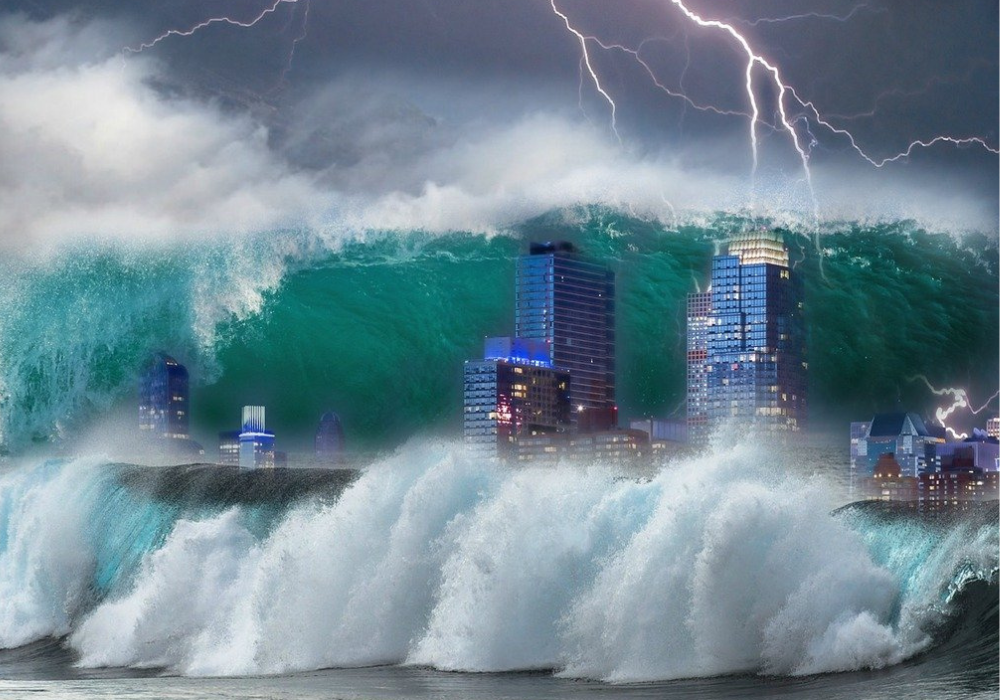
Higher humidity levels result from the atmosphere’s enhanced ability to hold moisture as temperatures rise. This can lead to more severe thunderstorms because moisture-laden air can lead to downdrafts and destabilize air masses, increasing storm vigor and duration.
With more moisture in the air, thunderstorm systems have increased energy to draw from, resulting in violent weather events more frequently. Such amplified thunderstorm activity poses challenges, particularly for regions where infrastructure is not designed to handle intense downpours.
4. Shifting jet stream patterns cause storms to stall longer over areas.
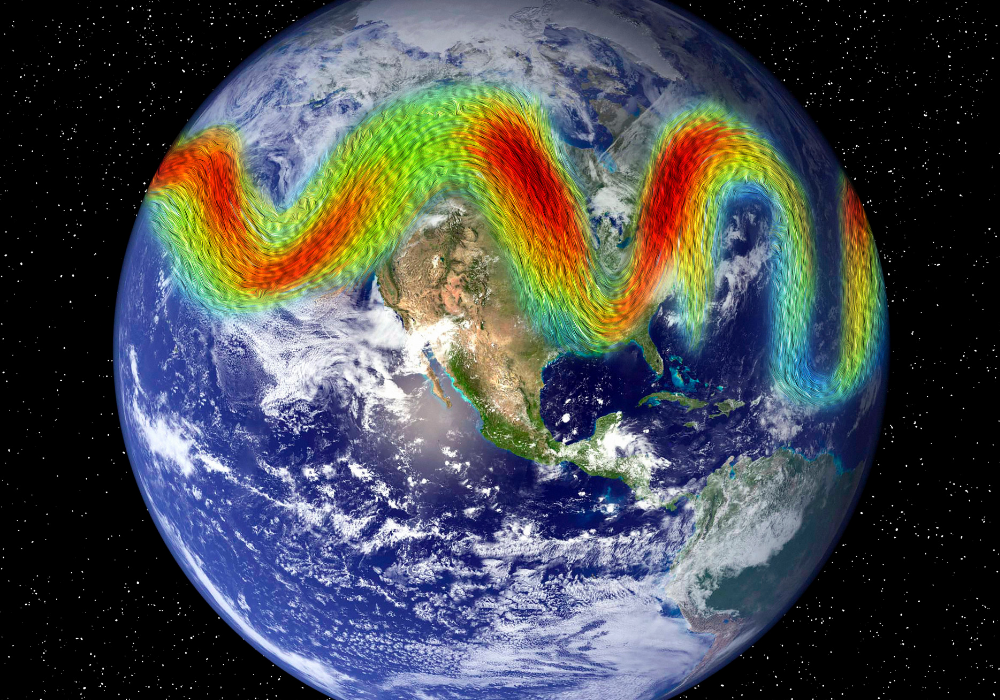
Jet streams, powerful winds high above the Earth, steer weather systems and influence storm movement. When these patterns shift, storms may stall over one area longer. This stalling increases the potential for prolonged rainfall, increasing the risk of flooding and extended damage.
Changed jet stream patterns can result from polar warming and other climate fluctuations. As these patterns become more erratic, forecasting storm behavior becomes challenging. This unpredictability can lead to significant impacts where storms linger longer than initially anticipated.
5. Melting polar ice reduces temperature gradients, altering storm paths unpredictably.
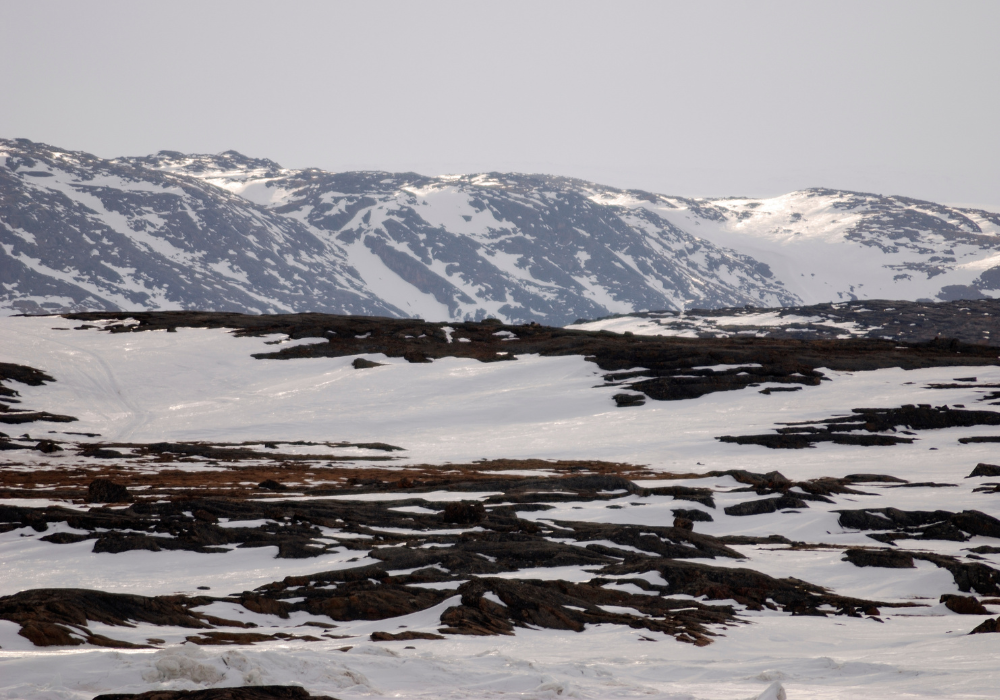
Polar ice melting due to climate change diminishes the temperature gradient between poles and equators. This gradient drives atmospheric circulation patterns and storm paths. As gradients weaken, storm paths become more erratic, leading to unpredictable weather systems worldwide.
The unpredictable nature of altered storm paths poses risks for areas traditionally unaffected by certain storm types. This unpredictability requires enhanced preparedness measures for diverse weather impacts, highlighting the necessity for adaptive strategies in regions with changing storm patterns.
6. Sea level rise boosts storm surge impacts on coastal communities.
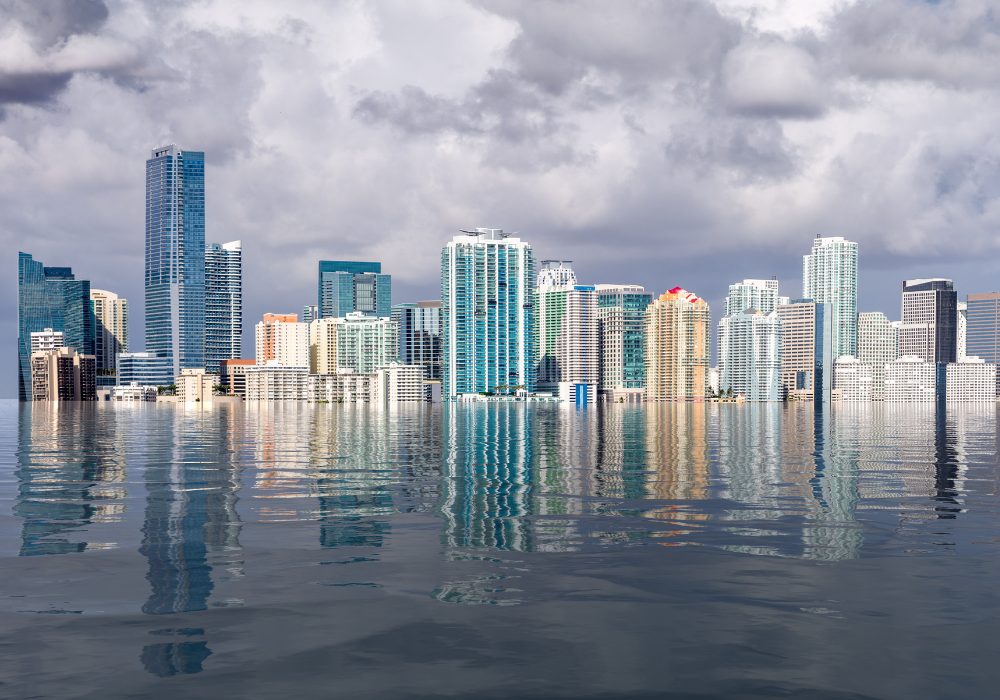
Rising sea levels, a direct outcome of global warming, increase the vulnerability of coastal regions to storm surges. Storm surges are higher due to elevated sea levels, leading to more coastal flooding during significant weather events.
Higher storm surges exacerbate the impact of storms on coastal communities. As homes, infrastructure, and local ecosystems face enhanced flood risks, the severity of potential devastation increases, demanding attention to coastal defenses and management strategies to mitigate these risks.
7. Expanding tropical regions support more frequent and stronger cyclones.
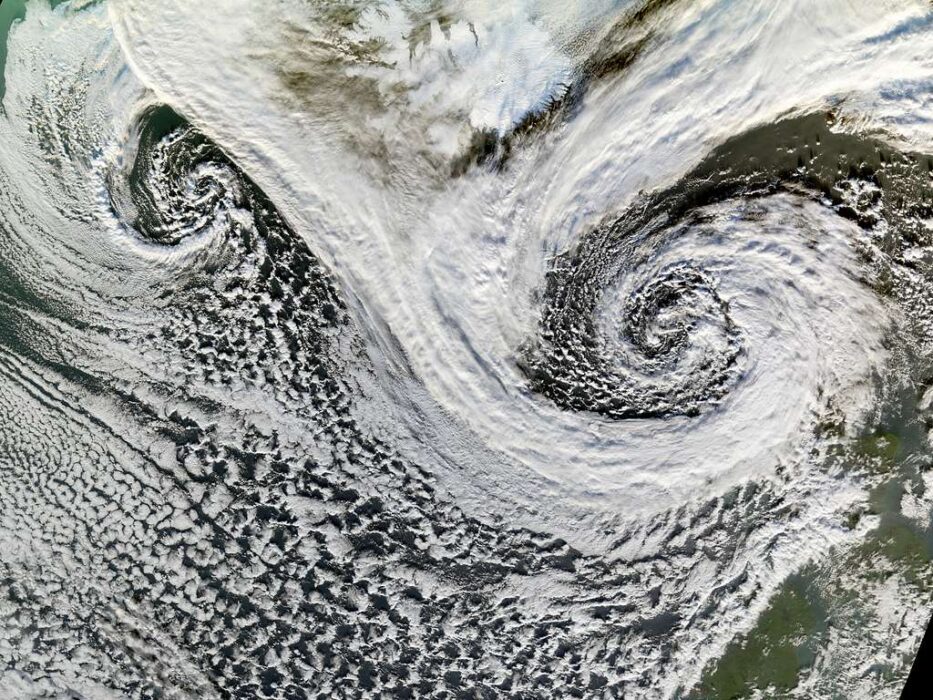
The expansion of tropical regions due to warming creates conditions conducive for more frequent and intense cyclones. Energy provided by warm waters in these enlarged tropical zones fuels cyclone development, enhancing their intensity and growth potential.
As tropical zones shift and expand, areas at the edges of previous cyclone basins might experience more storm events. This shift raises concerns for regions unaccustomed to cyclone intensity, necessitating adaptations and planning improvements to cope with this increased frequency.
8. Changes in atmospheric pressure patterns affect the intensity of storms.
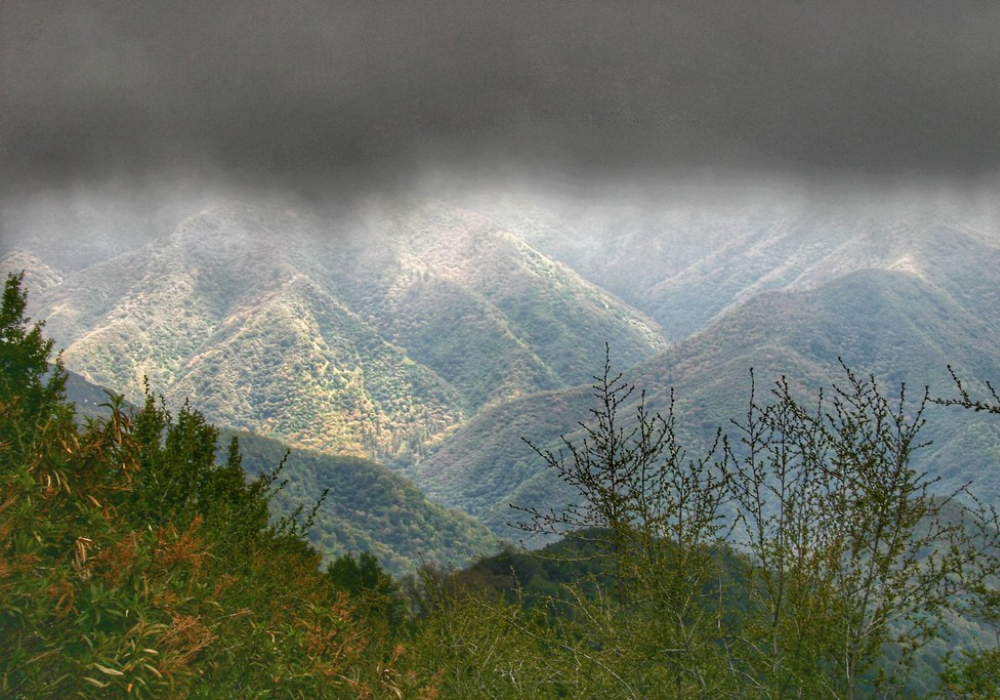
Changes in atmospheric pressure patterns, such as those associated with warmer temperatures, affect storms’ intensity. Altered pressure systems can either strengthen or weaken storm systems depending on the differing interactions between high and low-pressure areas.
Storm intensification can be magnified when low-pressure systems deepen due to such changes. Understanding these patterns and predicting their impact requires advanced meteorological research, as the alterations significantly affect how and where storms manifest.
9. Increasing atmospheric instability encourages rapid storm development and growth.
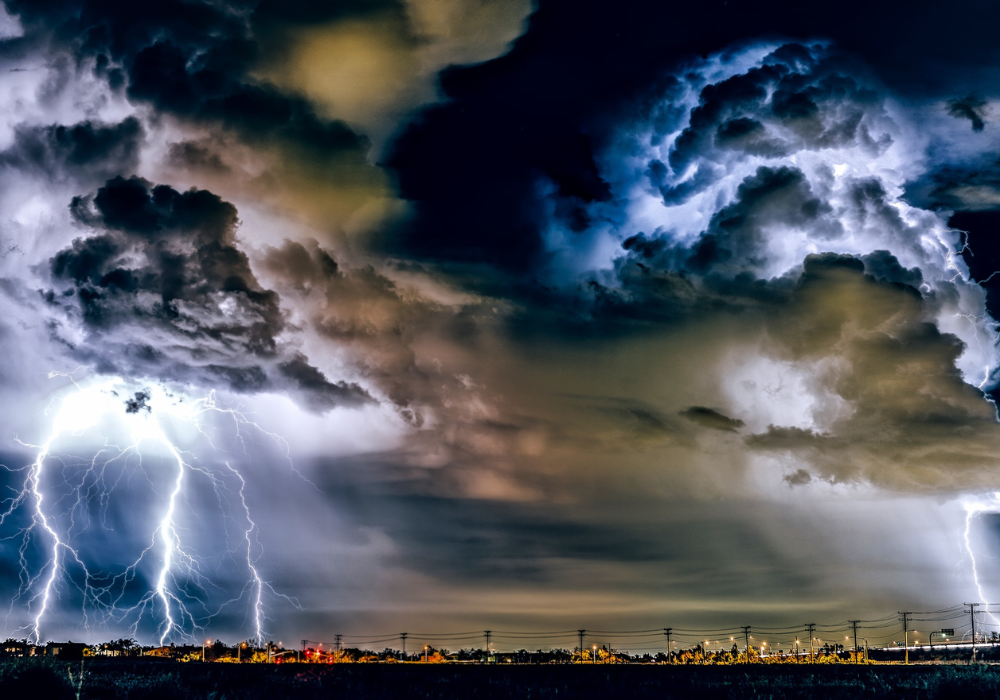
Increasing atmospheric instability occurs as warm, moist air interacts with cold upper levels, driving storm development. This instability fosters conditions where quick storm formation becomes common, allowing storms to grow rapidly and unpredictably.
Rapid development is a key characteristic of intense storms that form under these unstable conditions. The unpredictability and intense wind and rain associated with these storms require adaptive strategies to manage sudden shifts in weather conditions, particularly in vulnerable areas.
10. Deforestation alters local climates, contributing to more erratic storm behavior.
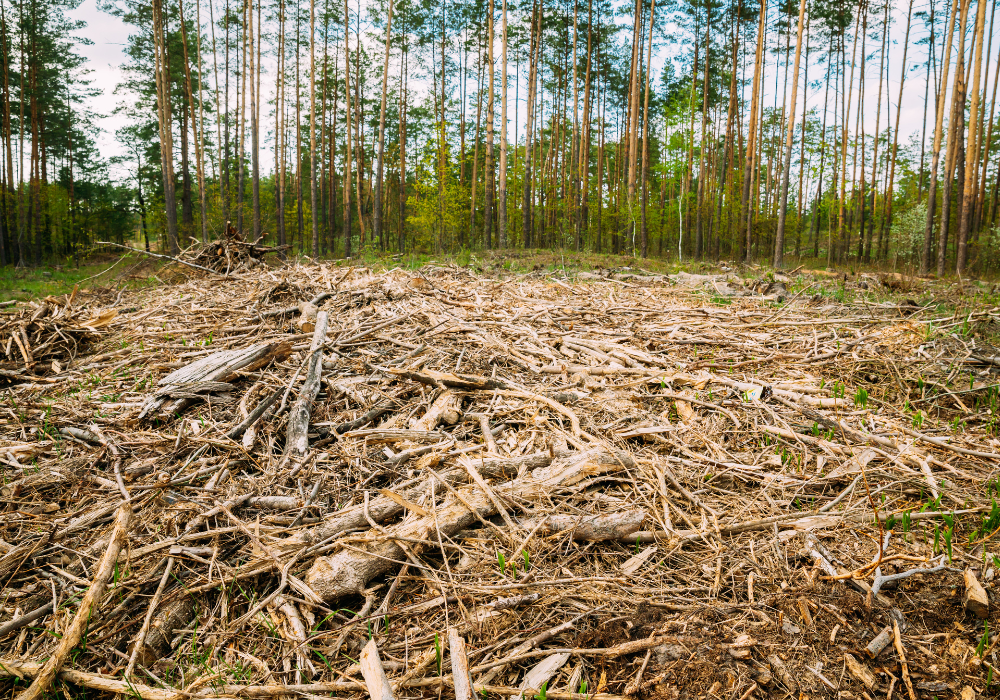
Deforestation alters local climates by removing the natural balance trees provide in temperature and humidity regulation. These changes contribute to erratic storm patterns as local microclimates lose stability. Disrupted rainfall patterns can intensify or prolong storms, causing unexpected local weather events.
Without trees, land areas heat more quickly and disrupt natural moisture cycles, creating a conducive environment for abnormal storm activity. Understanding the link between deforestation and weather irregularities guides strategies for sustainable environmental practices to mitigate these erratic storm patterns.
11. Urban heat islands intensify storm effects near densely populated cities.
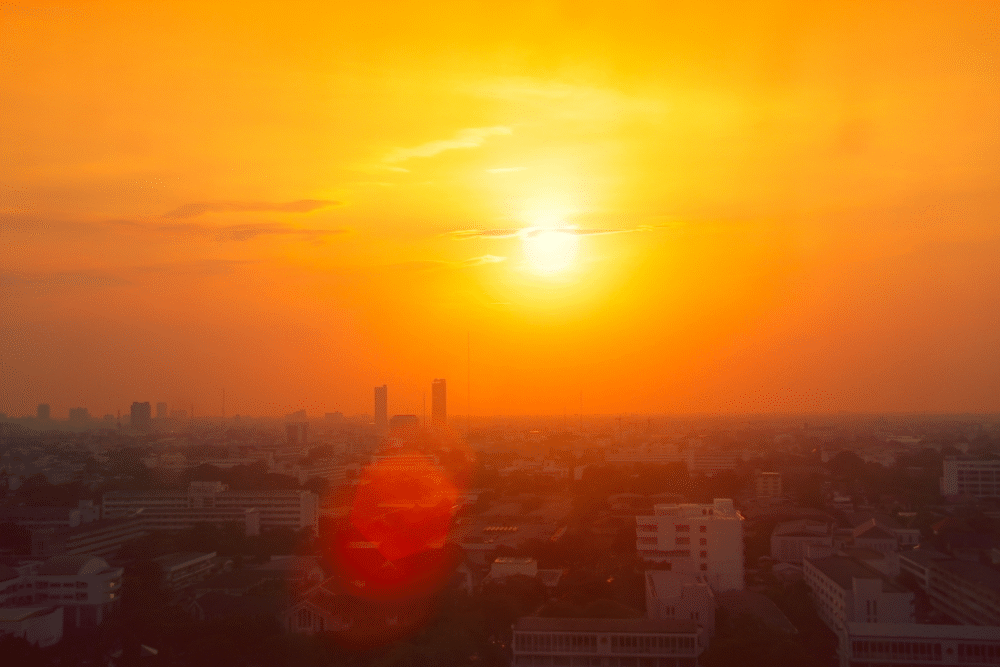
Urban heat islands occur when cities radiate heat absorbed during the day into the atmosphere, intensifying local weather systems. This effect can lead to stronger storms near cities as the additional energy encourages storm development and severity.
Cities’ higher temperatures can exacerbate rainfall intensity and winds during storms. This increased intensity affects urban areas markedly, challenging city infrastructures and amplifying risks associated with urban flooding and storm impacts, highlighting the need for urban planning and climate adaptation strategies.
12. Altered wind shear patterns influence the formation of severe weather events.

Wind shear, changes in wind speed and direction, influences storm development by either aiding or hindering storm formation. Altered shear patterns, affected by climate changes, impact the likelihood of severe weather events forming by changing storm dynamics significantly.
The influence of wind shear on storm systems underlines its vital role in determining storm intensity and potential development. As global climate patterns shift, so too do these shear patterns, complicating storm prediction and making understanding these dynamics critical for meteorological preparedness.