
It looks alarming at first, but the explanation is surprisingly simple.
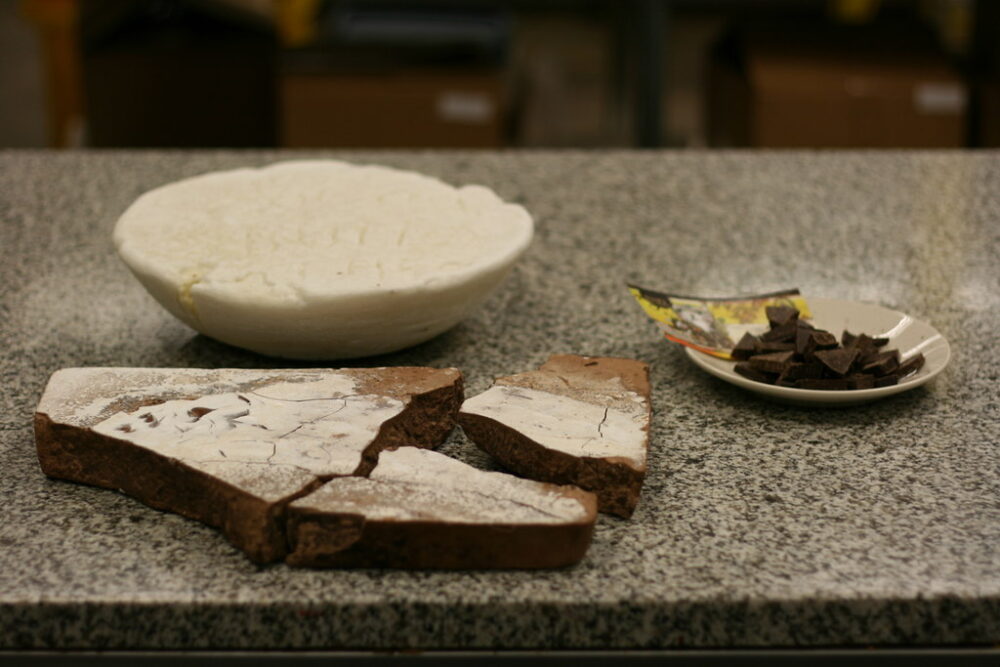
If your chocolate has ever developed an unexpected white coating, you’re not alone. This pale film, often mistaken for mold, is called bloom—a harmless change caused by fat or sugar rising to the surface. It usually results from temperature shifts or high humidity during storage. While the appearance and texture may suffer, the chocolate remains safe to eat. Understanding why bloom happens can help you store your treats more wisely.
1. Chocolate turns white because of fat or sugar bloom on the surface.

The pale, chalky film on chocolate comes from a process called bloom, which occurs when fats or sugars migrate to the surface and form visible crystals. It happens most often when storage conditions shift—temperature, humidity, or both—causing internal changes in the chocolate structure.
Though startling at first glance, bloom doesn’t mean the chocolate has gone bad. The bar in your desk drawer or the truffle stranded in foil may look off, but bloom signals a cosmetic flaw more than a safety issue. The chocolate is still edible, just less smooth or snappy.
2. Fat bloom happens when cocoa butter rises and rehardens unevenly.
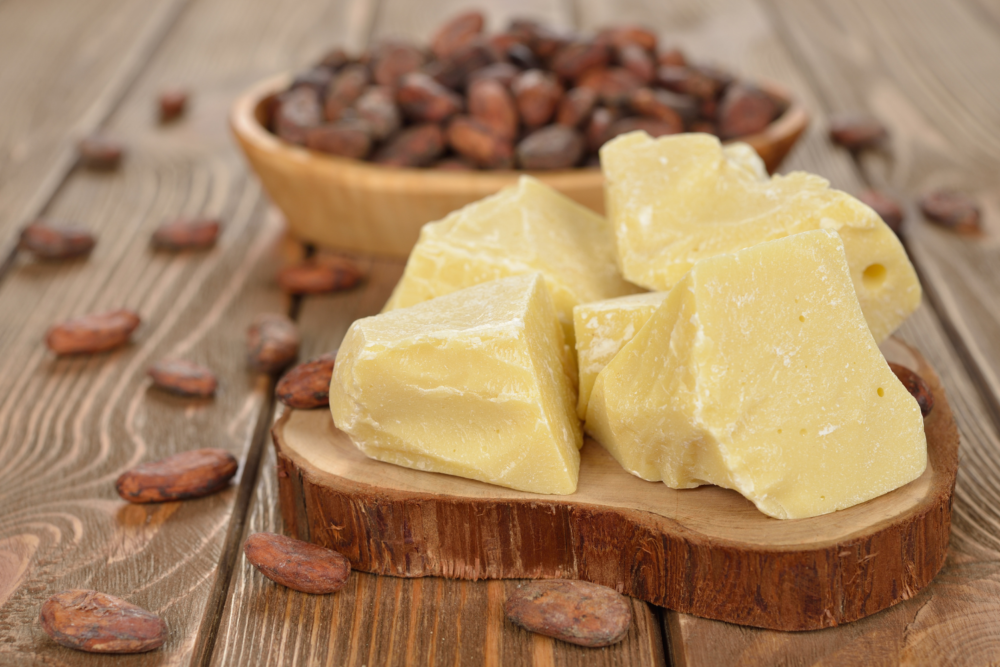
Fat bloom develops when cocoa butter separates from the chocolate mass inside, then resolidifies on the surface as thin, streaky white blotches. Heat accelerates the separation by softening the chocolate just enough to loosen the fat.
As temperatures fluctuate—say, from a warm kitchen counter to a fridge—the cocoa butter doesn’t reset in the same neat form. The result may look faded or greasy, but the bar is still structurally intact. A once-glossy square now feels waxy, and the snap may dull into a quieter crumble.
3. Sugar bloom appears after moisture dissolves sugars on the chocolate.

Sugar bloom forms when moisture lands on a chocolate’s surface, dissolves some sugar, then leaves behind fine crystals after the liquid evaporates. The result: a dry, gritty film that looks like powdered sugar dusted unevenly.
This kind of bloom often follows condensation. A chocolate bar moved from a cold environment into a humid room can develop sugar bloom as water droplets briefly settle on it. The bar might look frostbitten, but the underlying flavor and scent typically hold steady through the transformation.
4. Temperature changes can disrupt the chocolate’s smooth crystal structure.

Chocolate’s smooth structure comes from a delicate arrangement of fat crystals, established during tempering—a process of controlled heating and cooling. Sudden temperature swings disrupt that alignment, causing fats to separate and rise to the surface.
Picture a supermarket checkout, where packaged chocolates warm under lights, then chill near a freezer aisle on the way home. That shift invites irregular melting and cooling rates that sabotage the crystal stability, nudging cocoa butter outward. Once the surface changes, bloom becomes likely.
5. Humidity introduces moisture that leads to sugar recrystallization on top.

Warm air that carries moisture can trouble chocolate’s surface. When humidity levels rise, water may condense on the chocolate and draw out sugar, sparking sugar bloom. Even short exposure—like setting a bar on a damp counter—can leave a permanent mark.
The moisture doesn’t pool visibly but forms micro-droplets that quickly dissolve surface sugars. Once the water evaporates, those sugars crystallize, heading into a flaky layer that rubs off with a swipe. Inside remains sweet and smooth, but the shell looks dusted or fogged.
6. White patches don’t mean chocolate is spoiled or unsafe to eat.
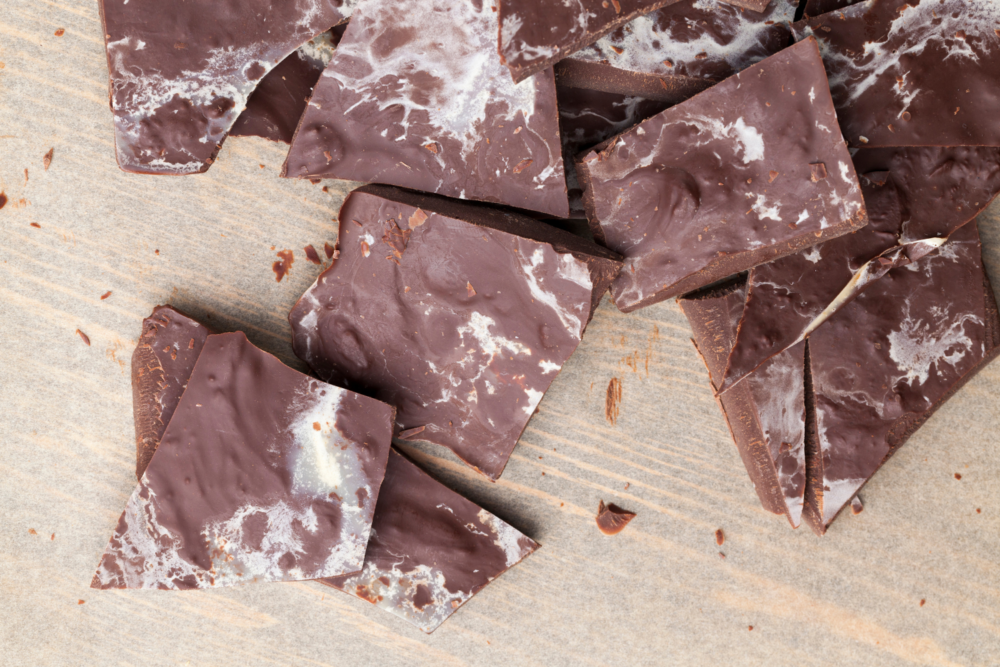
Chalky streaks or white spots don’t signal mold growth. Chocolate, with low moisture and high fat, doesn’t support mold easily. The discoloration almost always comes from fat or sugar crystallizing at the surface.
Texture may suffer—a bloom-affected truffle can feel crumbly instead of creamy—but the chocolate remains safe to eat. Most bloom simply alters aesthetics. A candy bar that once gleamed like polished marble might now look scuffed, but it’ll still melt with familiar flavor on the tongue.
7. Poor storage conditions are a common cause of chocolate blooming.

Leaving chocolate in warm rooms, refrigerators, or in sunlight exposes it to temperature or humidity shifts—prime conditions for bloom. Repeatedly warming and cooling the chocolate throws off the well-tempered structure that gives it sheen and snap.
Even thin plastic wrappings can’t block drastic environmental swings. A box of bonbons kept beside a sunny window or next to a dishwasher won’t show bloom overnight, but over time, the surface may whiten and lose its once sharp edges and silky texture.
8. Re-tempering bloomed chocolate can restore its glossy, smooth texture.
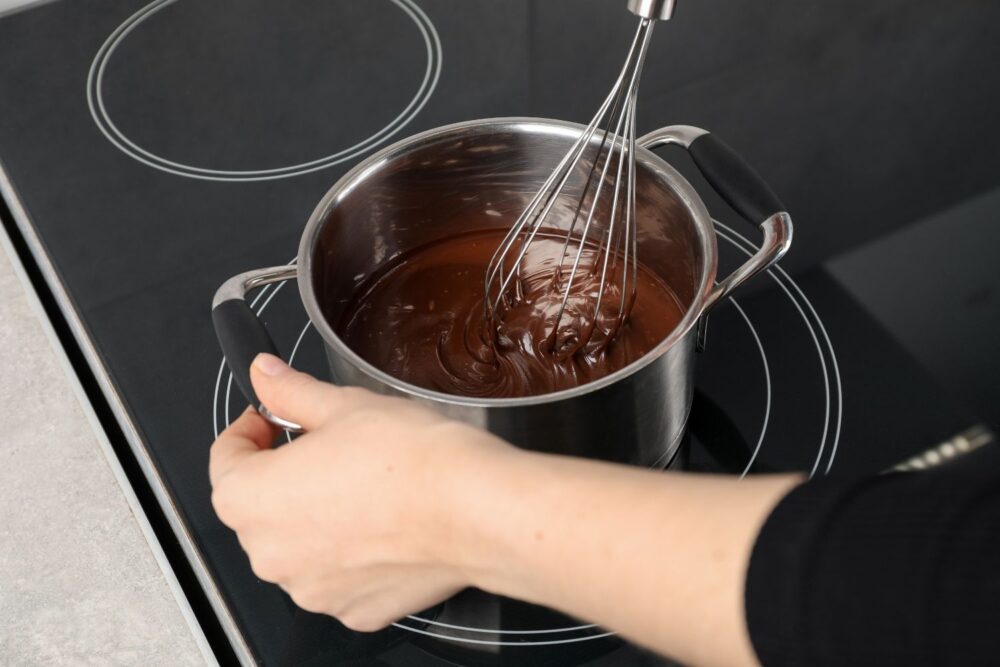
Re-tempering involves gently melting bloomed chocolate, then cooling it while stirring to rebuild stable fat crystals. This process restores gloss, consistency, and that clean snap when broken. It won’t undo sugar bloom, but it can fix fat bloom’s visual and textural flaws.
A home cook using a metal bowl and hot water bath can coax dull, splotchy chunks into new life. Once set, the chocolate gains back its mirror-shine and smooth finish. Though labor-intensive, re-tempering makes reclaimed chocolate suitable again for coating or molding.
9. Airtight containers help prevent moisture exposure and sugar bloom.
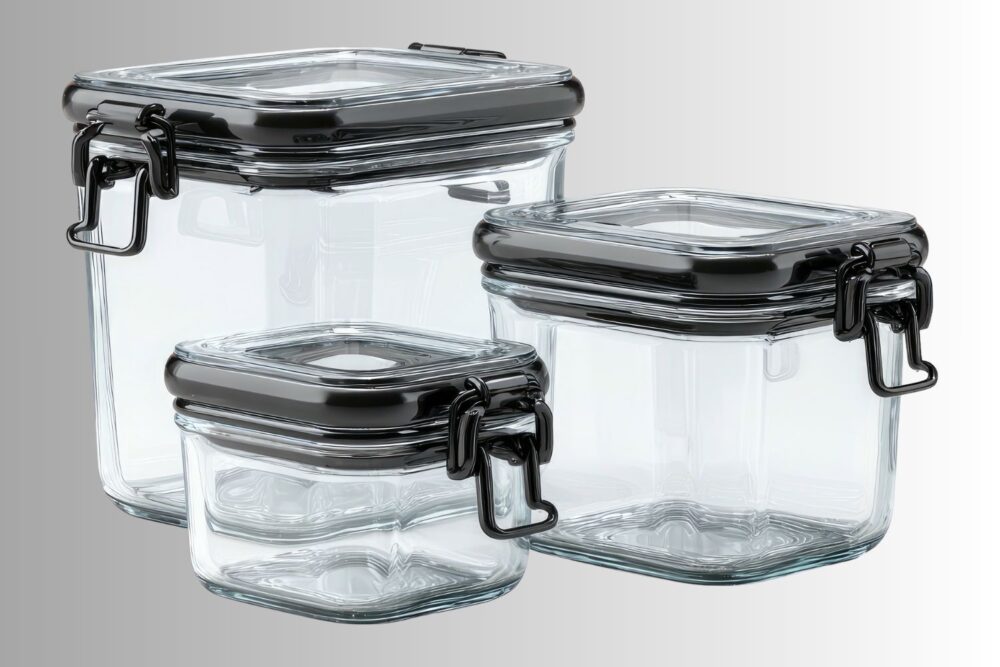
Moisture sneaks in through minor gaps if chocolate is stored in open or poorly sealed containers. Airtight packaging helps preserve the dry environment that prevents sugar dissolve-and-crystallize cycles.
Even in cool pantries, ambient humidity can shift subtly—say, from a boiling pot or damp towel nearby. An airtight box keeps the bar protected, reducing exposure that invites sugar bloom. Sealed containers preserve both the look and the break, keeping the smooth-textured surface intact for longer storage stretches.
10. Bloom affects appearance and texture more than flavor or quality.

Bloom changes chocolate’s look and mouthfeel—but the core flavor often stays dependable over time. A dusty white square may taste softer or melt differently, yet its basic sweetness and cocoa notes remain.
The sharp contrast: visual impact versus sensory reality. A glossy truffle dipped in fresh tempered chocolate entices the eye, while a bloomed version may appear aged. Still, beneath the surface, most chocolate holds onto its deep roasted character, even if the texture falters or the finish dulls.