
Blushing might seem awkward, but it often signals honesty, empathy, and emotional connection to others.

Blushing is often seen as a flustered reaction to embarrassment, but it can play a much deeper role in social dynamics. This involuntary response may serve as a powerful form of nonverbal communication, signaling everything from sincerity to remorse. Far from being a weakness, a blush can build trust, soften tense moments, and reveal emotional depth. Understanding its social value may help foster better communication and stronger interpersonal connections.
1. Blushing can signal sincerity, building trust in social interactions.

When someone blushes during a conversation, their reddened cheeks often read as involuntary signs of sincerity. The body reacts through a rush of blood to surface vessels, especially in the face and neck. That physical cue can act as a nonverbal timestamp of authentic emotion.
Instead of undermining confidence, this visible reaction can reassure others that a person isn’t hiding behind a social mask. In a job interview or heartfelt apology, a spontaneous blush may invite trust faster than a polished explanation or canned response ever could.
2. A flushed face may help defuse tension during awkward moments.

Blushing often arrives in moments of awkwardness—a misstep, a poorly timed comment, or an accidental interruption. That quick flush can act like a pressure release, signaling vulnerability before words form. In tense social situations, it may serve as a peace offering without anyone saying a thing.
Imagine knocking over a drink at dinner. A hot blush can disarm the moment more swiftly than scrambling to explain. The body fesses up in real time, letting others safely pivot from annoyance to amusement without requiring a formal fix.
3. People may view blushing as a sign of emotional honesty.

Many people instinctively interpret a blush as emotional honesty—a physical tell the blusher can’t control. It often reveals embarrassment, pride, or affection in moments when words stumble or fail. In that sense, blushing sometimes communicates more than a well-rehearsed statement ever could.
Others may soften their interpretation of you when they witness that involuntary vulnerability. Faced with someone who’s clearly invested or affected, they’re more likely to respond with patience or support, sensing there’s nothing calculated about the reaction.
4. Blushing can help strengthen bonds by showing vulnerability.

Vulnerability, when visible, can draw others closer. A blush offers just that: a moment where emotions leak naturally into view. Blushing during a mistake or compliment often stands as a wordless way of saying, I care how this lands or I wasn’t expecting that.
Rather than undermining your position, this transparency can make interpersonal ties more durable. People tend to remember not just what was said, but how someone showed up—especially when their cheeks turned red in a moment of connection or care.
5. A natural blush may soften criticism and invite empathy.

When criticism lands, a visible flush can soften the emotional texture of the exchange. Unlike a stiff reaction or forced smile, blushing reads as an unrehearsed cue of awareness or concern. The warmth across the skin can shift attention from conflict to reflection.
For example, in a feedback meeting, someone who blushes may appear more receptive than defensive. That perception may increase the chance of a more respectful dialogue, where both voices get heard without a cloud of judgment hovering overhead.
6. Blushing often communicates remorse more effectively than words alone.

Words can stumble during apologies, but blushes often speak where language falters. When someone reddens in the face after a slip-up or harsh remark, the reaction carries a weight words might lack. It tells the story of recognition, regret, and self-awareness with no script.
That kind of unscripted response often feels more trustworthy than a carefully phrased statement. In group settings, especially, people may read a blush as a heartfelt response—one that addresses the moment’s emotional temperature more accurately than a polished defense.
7. A quick flush can humanize you in group dynamics.

In group settings, especially new ones, a sudden blush can broadcast humility rather than fragility. It shows an emotional reaction you didn’t plan, which often comes across as refreshingly human in conversations that might otherwise feel performative or stiff.
That authenticity tends to reduce social distance. Instead of reading as incompetence, a blush during introductions or group brainstorming can signal presence and care—qualities that help others relate more easily and perhaps let down their own guard.
8. Blushing may trigger protective instincts in others toward you.

Blushing may evoke protective instincts, especially in companions who interpret the shift as emotional exposure. It often reads as an unguarded moment—evidence that someone feels vulnerable, caught off balance, or tuned in deeply to social nuance.
Rather than provoke judgment, that perceived rawness can invite compassion. In one-on-one dynamics, a friend or colleague might offer reassurance or soften their tone, reacting more to the emotion you show than the words exchanged. The color on your face becomes a kind of appeal.
9. Showing embarrassment can enhance likability in social situations.
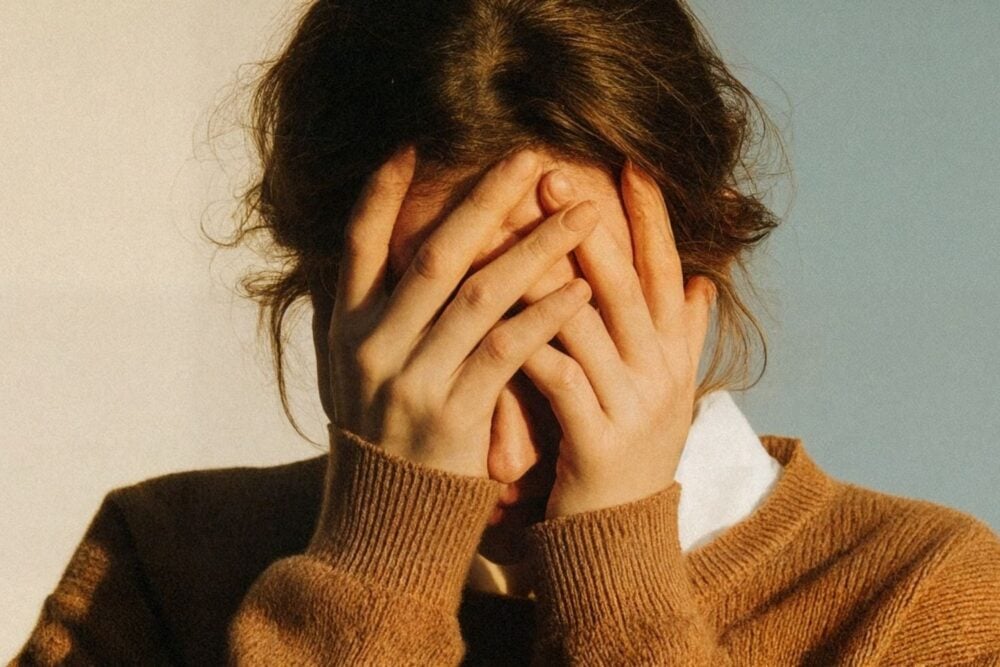
People tend to extend warmth toward those who show signs of embarrassment. A flushed face after a social slip cues others that the person recognizes the misstep—and crucially, cares what others think. That awareness often registers as social intelligence.
Rather than being mocked or dismissed, someone who blushes may become more relatable. In a casual setting like a dinner party or work retreat, that trait can make others more inclined to include them, sensing they bring sincerity rather than bravado into the mix.
10. A blush can lower defenses and open deeper conversations.

A blush, brief and unmistakable, can lower emotional walls. It often reveals what’s felt but not yet named—pride caught in a compliment, panic after a faux pas, or care under pressure. In doing so, it can open space for conversation to deepen.
Instead of skating across small talk, two people might pause when one blushes mid-story. That moment invites a shift from surface remarks into real exchange, as if the body extended an emotional hand before the mind caught up.
11. People might interpret blushing as a cue for emotional depth.

Blushing can stand in for words in moments when depth matters more than detail. Some people interpret it as a flash of self-awareness, proof that someone has skin in the game—perhaps literally, with flushed cheeks warming visibly under emotional weight.
Rather than seeing it as overreaction, observers might treat the blush as an entry point into emotional texture. Whether during a shared story or tough conversation, that physical cue often earns credibility as a mark of someone who feels what they say.