
Even animals that seem calm can react unpredictably when humans get too close.
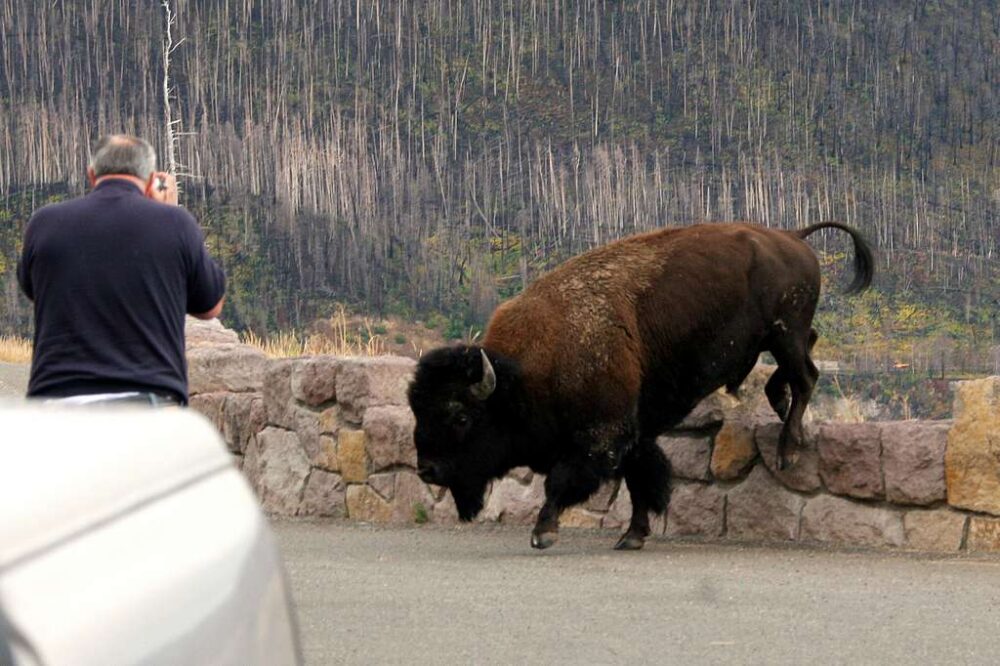
National parks offer rare chances to see wild animals in their natural habitats, but those encounters can create a dangerous illusion of safety.
Animals grazing near roads, resting in open fields, or moving slowly through popular areas can appear calm and approachable, especially to visitors who have never seen them up close before.
Social media and roadside pullouts often reinforce the idea that getting closer is harmless. In reality, wildlife encounters are one of the most common causes of injuries in national parks, and most of them begin the same way: a person crosses a distance boundary without realizing it.
Click through to see why approaching wild animals is risky, how these encounters typically unfold, and what real incidents reveal about how quickly things can go wrong.
1. Wild animals don’t understand human intentions
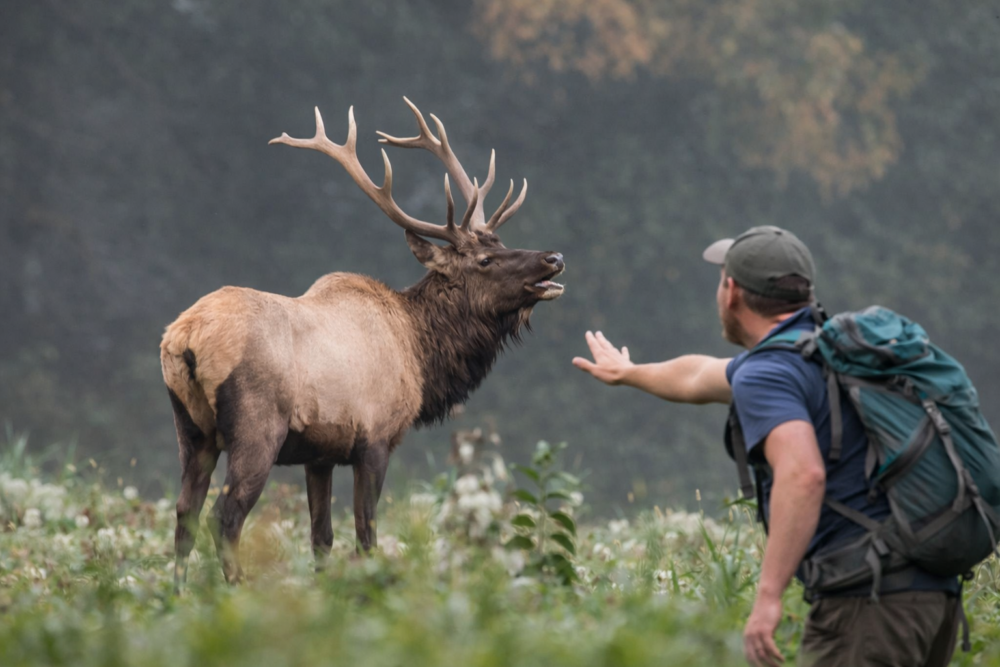
People often assume animals can sense friendly intentions or recognize when someone is just taking a photo. Wild animals don’t think that way. They react based on instinct, survival, and perceived threats.
An animal doesn’t know whether a human is harmless, curious, or dangerous. When someone approaches, the animal may interpret it as a challenge, a threat to offspring, or an invasion of territory, triggering a defensive response.
Follow us and access great exclusive content every day
2. Distance is the most important safety tool

Every wild animal has a comfort zone, often called a flight or reaction distance. When a person enters that space, the animal must decide whether to flee, defend itself, or stand its ground.
Park guidelines recommend specific distances for a reason. Staying far back reduces stress on animals and gives them room to move away instead of reacting aggressively.
3. Calm behavior can be misleading

Animals that appear calm or motionless are often conserving energy, not signaling safety. Grazing bison, resting bears, or standing elk may look relaxed, but they can react instantly if startled or pressured.
Many serious incidents happen because people mistake stillness for friendliness and assume they have more time than they actually do.
4. Large mammals can cause severe injuries very quickly
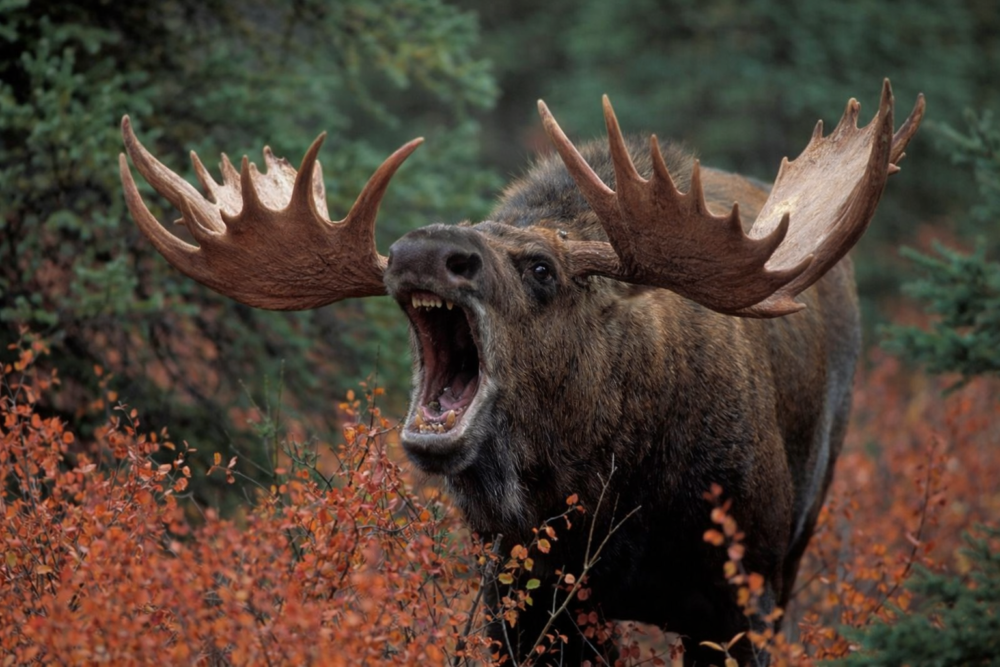
Large animals like bison, elk, moose, and bears are responsible for many injuries in national parks. Bison, in particular, injure visitors almost every year because they look slow and familiar.
In past incidents, people have been gored, lifted into the air, or thrown several feet after stepping too close. These injuries often occur within seconds, leaving no time to escape.
Follow us and access great exclusive content every day
5. Smaller animals are not harmless either
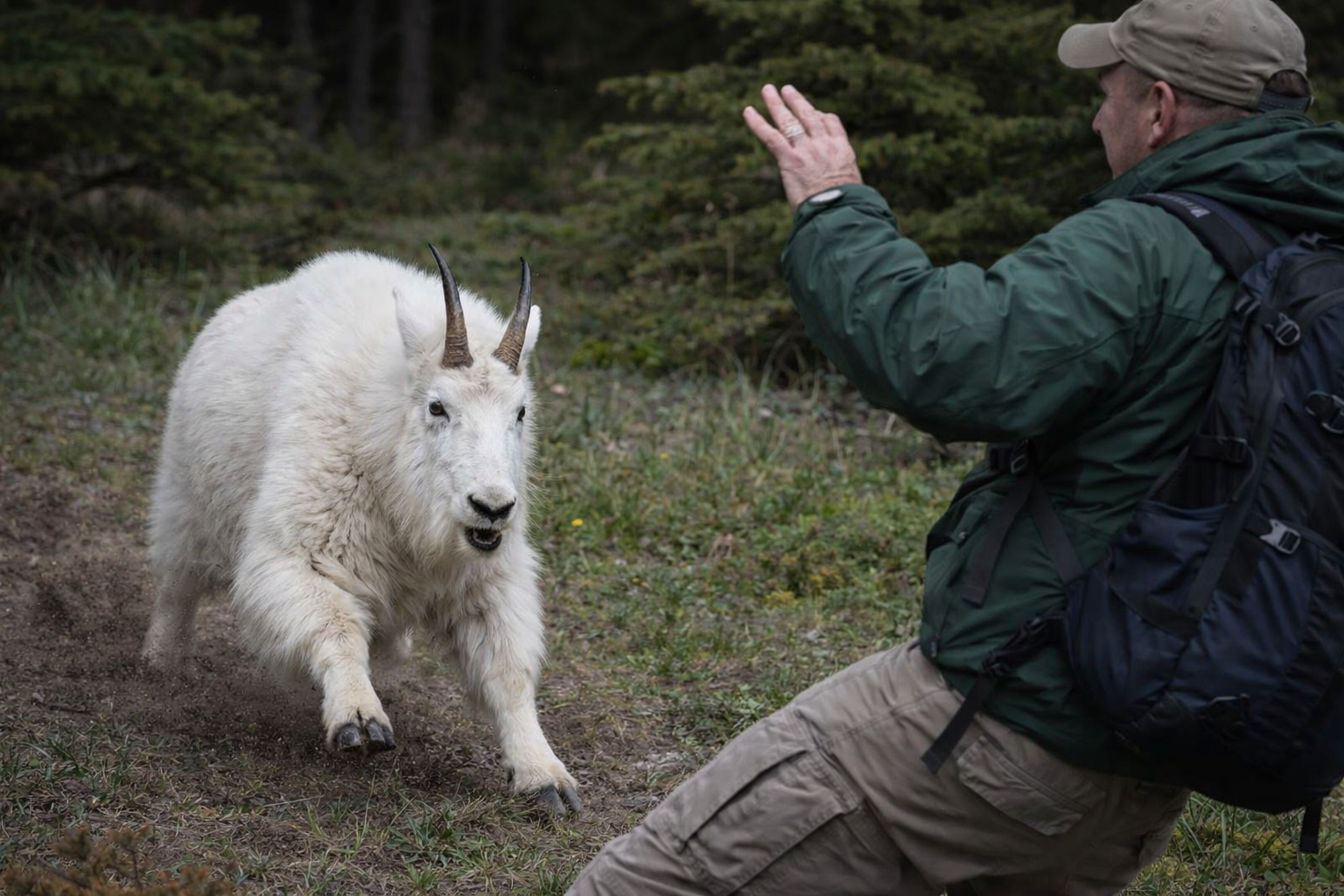
Even animals that seem small or familiar can be dangerous when approached. Deer can kick with powerful hind legs, mountain goats can charge with sharp horns, and smaller mammals like raccoons or squirrels can bite.
Bites and scratches can also transmit diseases, turning a seemingly minor encounter into a medical emergency. Size does not equal safety.
6. Real incidents show how fast situations can escalate
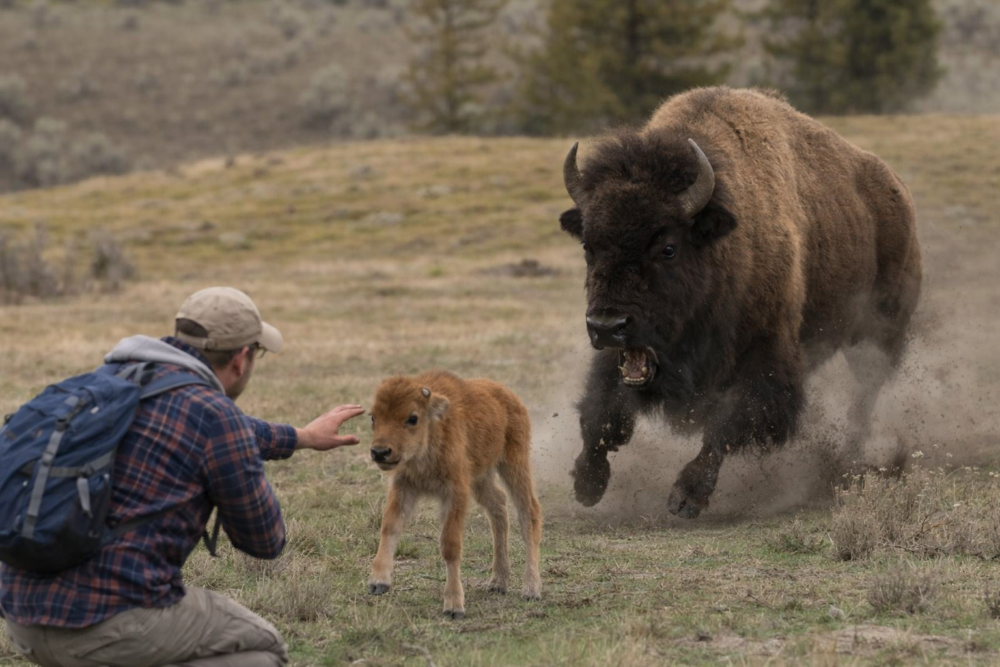
Over the years, park officials have documented numerous injuries that began with people approaching animals for photos or a closer look. Visitors have been injured after stepping between bison and their calves, ignoring warning signs, or assuming animals would move away.
There have also been fatal encounters involving bears and moose when people failed to retreat or underestimated how quickly an animal could close the distance. In many of these cases, witnesses reported that the animal appeared calm just moments before reacting.
These incidents highlight how little warning wildlife often gives and how quickly a bad decision can turn into a serious injury.
7. Approaching animals can put the animal’s life at risk
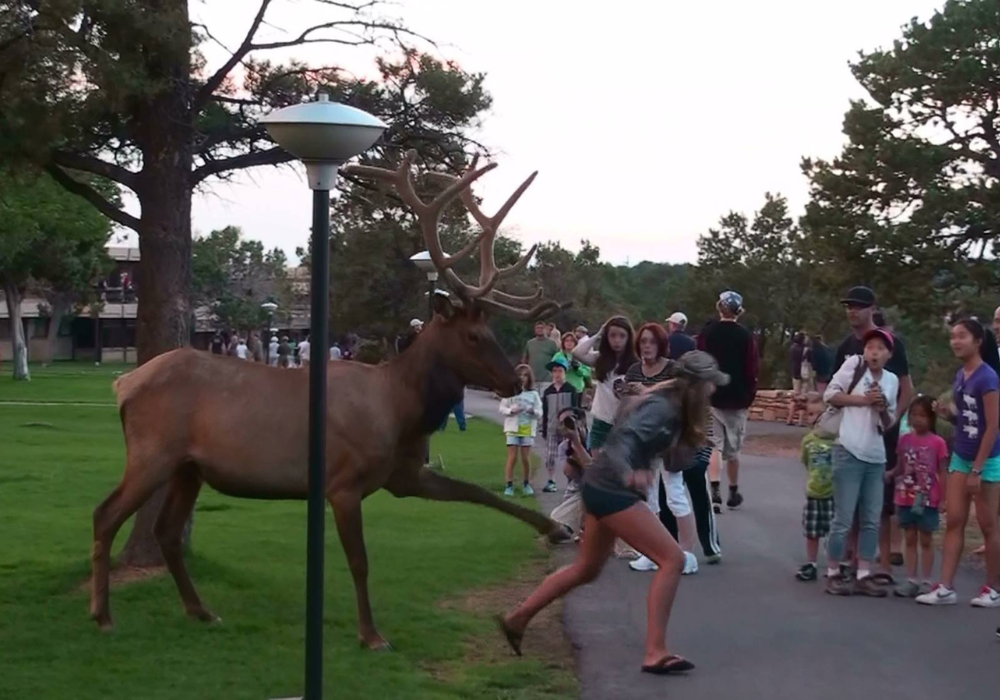
When an animal injures a person, the outcome is often worse for the animal than the human. Wildlife involved in attacks may be relocated or euthanized, even if the encounter was provoked.
This means a single moment of poor judgment can lead to the loss of an animal that was simply behaving naturally in its own habitat.
Follow us and access great exclusive content every day
8. Feeding wildlife makes future encounters more dangerous

Approaching animals to feed them, or allowing them to approach people, teaches wildlife to associate humans with food. Over time, this behavior erodes their natural caution.
Animals that lose fear of people are more likely to act aggressively when food isn’t provided, increasing the risk of future injuries.
9. Warning signs are often subtle and overlooked

Animals usually show stress signals before attacking, such as ear positioning, stomping, head lowering, or vocalizations. Many visitors don’t recognize these signs or choose to ignore them.
By the time aggression becomes obvious, the animal is already reacting, and it may be too late to move away safely.
10. Social media has normalized risky behavior
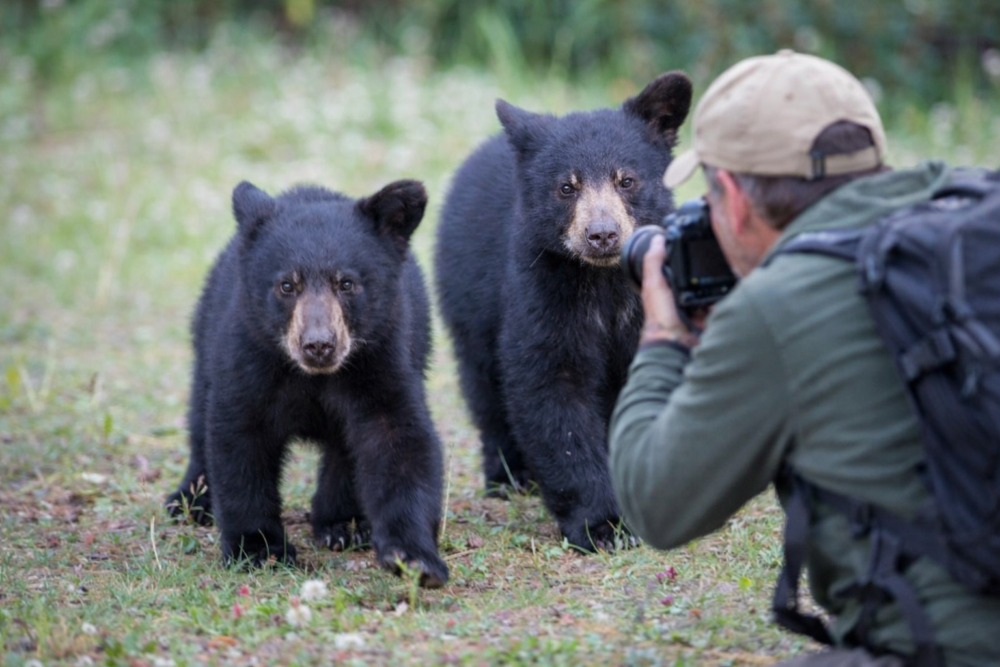
Photos and videos of people standing close to wildlife create a false sense that these encounters are safe or common. What isn’t shown are the near-misses or the moments just before something goes wrong.
Park officials consistently warn that social media trends encourage visitors to take risks they wouldn’t normally consider.
11. The simplest rule for staying safe around wildlife
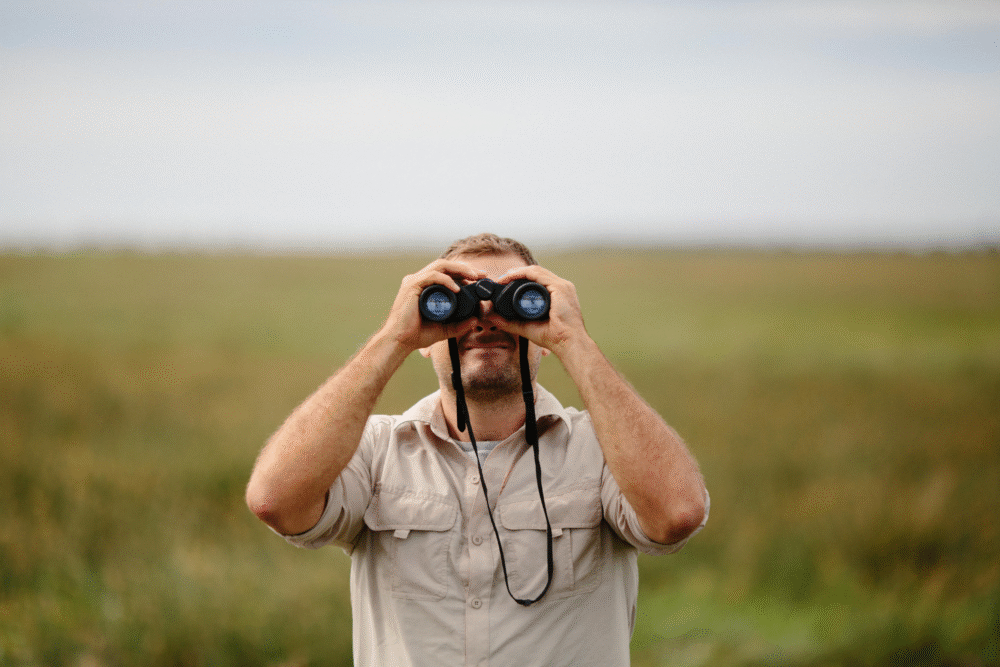
If you need to move closer for a better photo, you’re already too close. Using binoculars or zoom lenses allows you to observe animals without interfering with their behavior.
Keeping your distance protects you, protects the animal, and preserves the wild nature of the place you came to experience.