
Experts warn that worsening drought could cripple crops and drive up food prices nationwide.
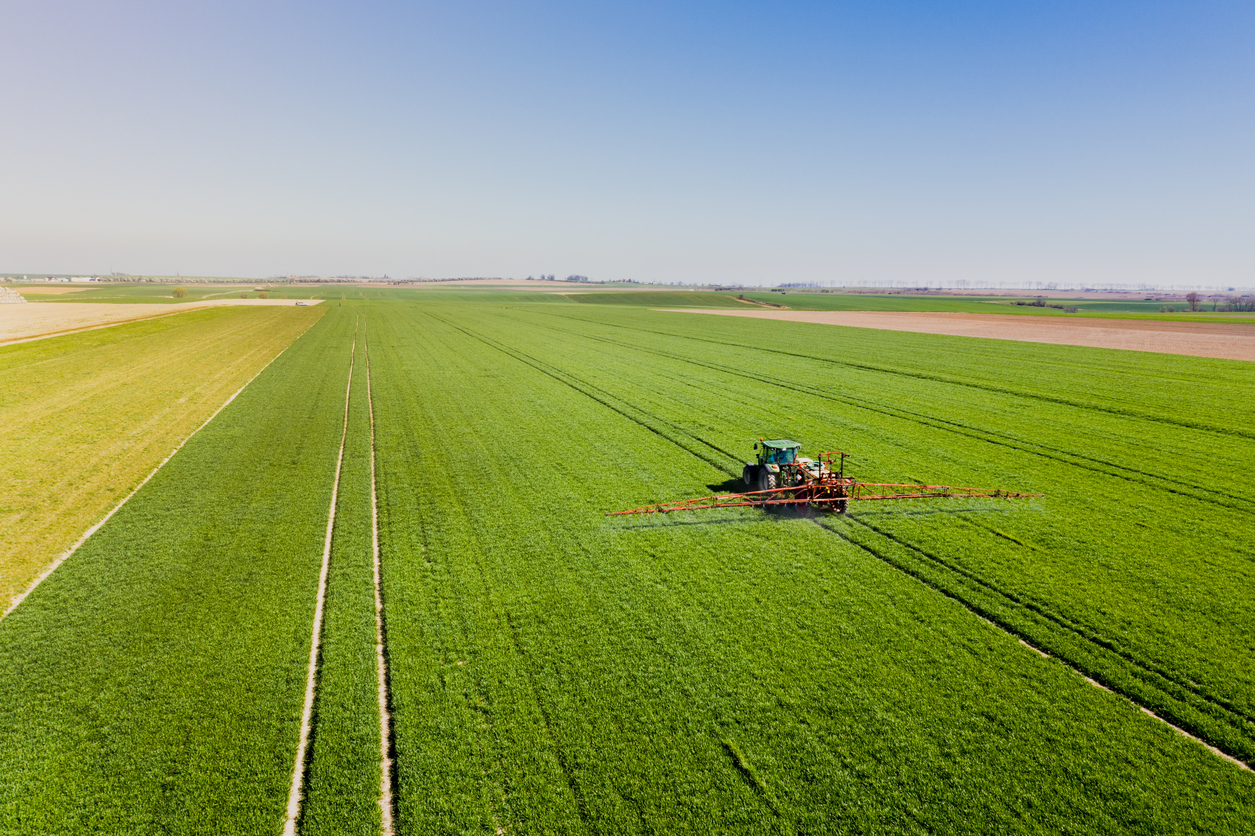
Aridification, the long-term drying of land caused by climate change, threatens U.S. agriculture in numerous ways. As water scarcity intensifies and soil conditions deteriorate, farmers face increased difficulty sustaining crop yields and livestock health. This gradual shift differs from temporary drought by affecting entire ecosystems and irrigation systems, demanding new strategies for water management and crop resilience to maintain food production over time.
1. Reduced water availability putting strain on crop irrigation systems.
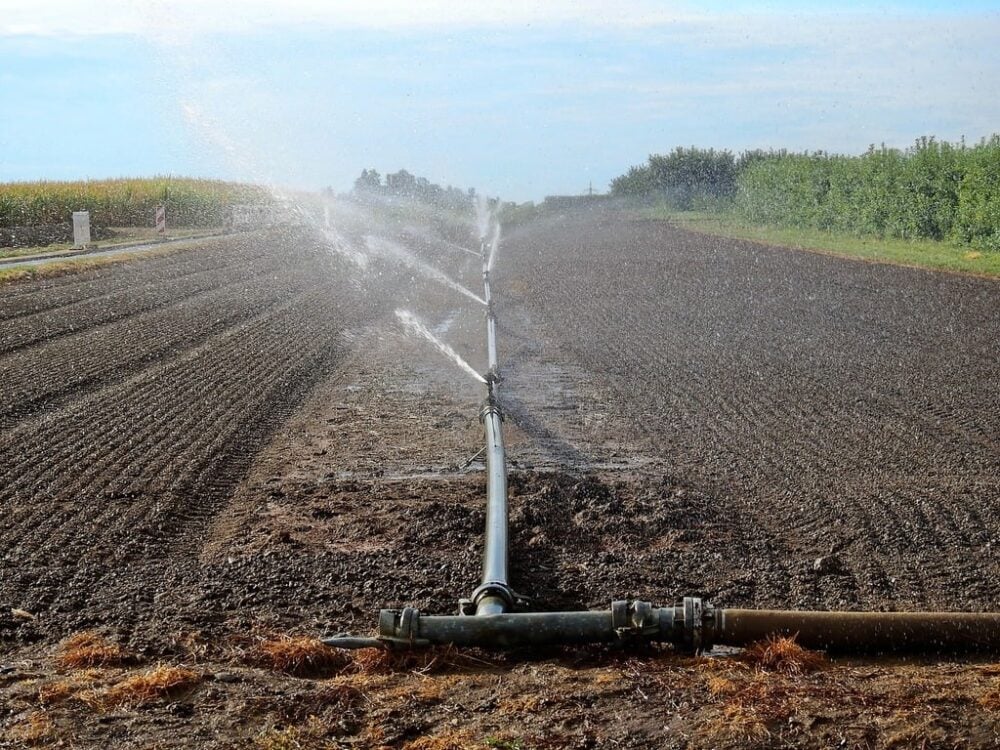
Agriculture relies heavily on water, yet reduced availability strains irrigation systems. Crops in vast fields require consistent moisture, which dwindling water supplies threaten. A once thriving cornfield may suffer, as farmers face increasing challenges maintaining adequate irrigation amid these shifting conditions.
As drought persists, reliance on irrigation intensifies, increasing pressure on limited water resources. Farmers encounter difficult choices: prioritize high-value crops or adapt systems to conserve water. Without effective management, entire harvests face diminished yields, underscoring the strategic importance of prudent water use in agriculture.
2. Increased soil degradation diminishing agricultural productivity nationwide.
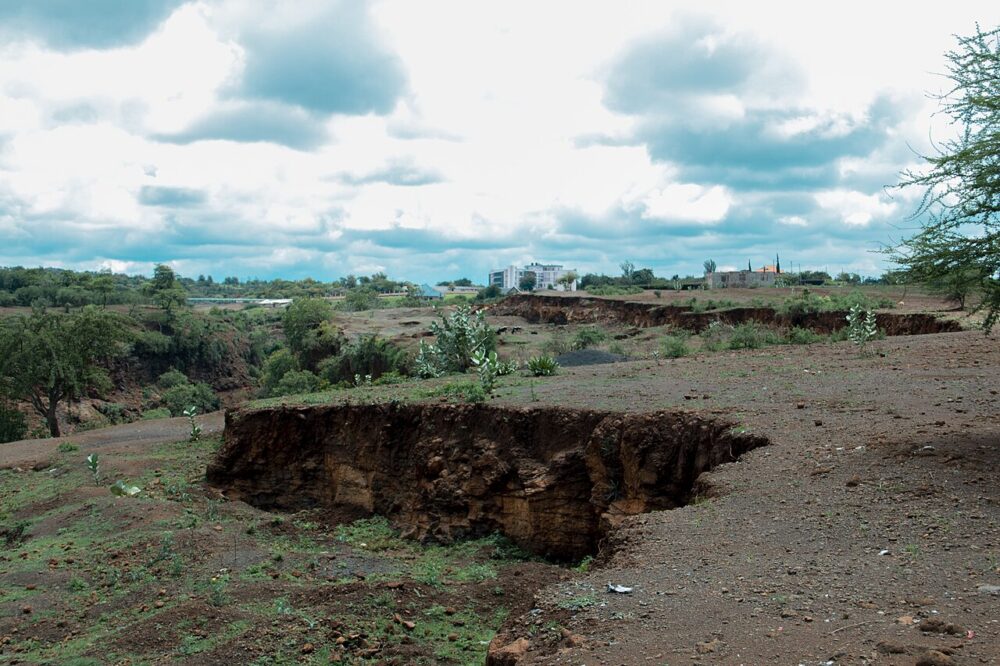
Soil degradation erodes farm productivity, influencing yields nationwide. Intensified aridification, with relentless heat and reduced rainfall, accelerates nutrient loss. Fields that once flourished suffer under these conditions, battling both physical erosion and fertility decline.
Beyond nutrients, organic matter decays, weakening soil structure crucial for plant roots. Over time, this transformation limits crop diversity and lowers potential yields, prompting consideration of regenerative practices to combat degradation. Such efforts emphasize the need for proactive soil management in sustaining agricultural success.
3. Higher temperatures accelerating crop water stress and failure risks.
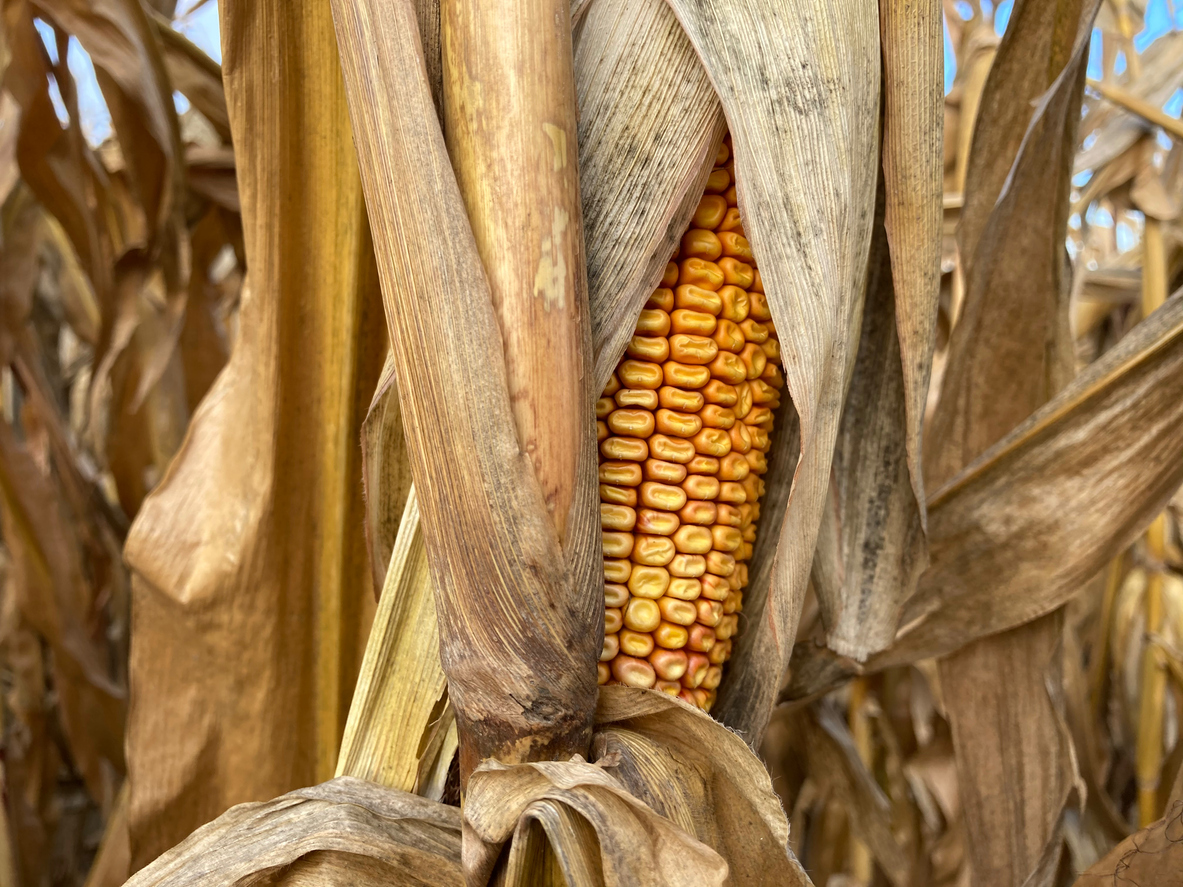
Higher temperatures heighten crop water stress, increasing failure risks. Record-breaking heat waves scorch fields, disrupting crucial growth phases. Many plants, unable to tolerate extreme heat, face reduced rates of photosynthesis, hindering their ability to thrive.
Plant metabolism accelerates in prolonged heat, demanding more water just as supplies dwindle. This dynamic reduces resilience against pests and diseases, compounding challenges. Acknowledging these complex interactions highlights the importance of adapting crop management practices to safeguard agriculture against mounting pressures.
4. Shifts in growing seasons disrupting traditional planting and harvest cycles.
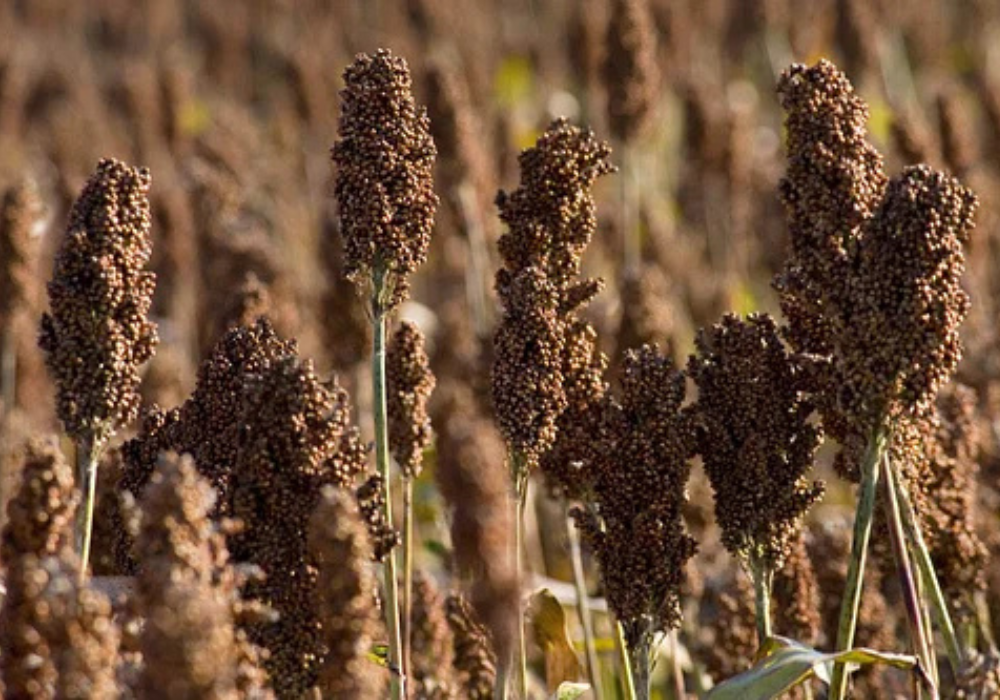
Altered growing seasons unsettle established planting and harvest patterns. A temperate spring may shift toward early heat, prompting premature planting. Farmers, accustomed to predictable cycles, must reevaluate timing to align with new environmental cues.
Devastating frosts or late winters upend expectations, threatening seedling survival. Such unpredictability necessitates informed decision-making, as traditional calendars hold less relevance. Embracing flexible approaches to planting ensures farms remain viable amid fluctuating climate conditions.
5. Declining river flows compromising freshwater supplies for farming operations.
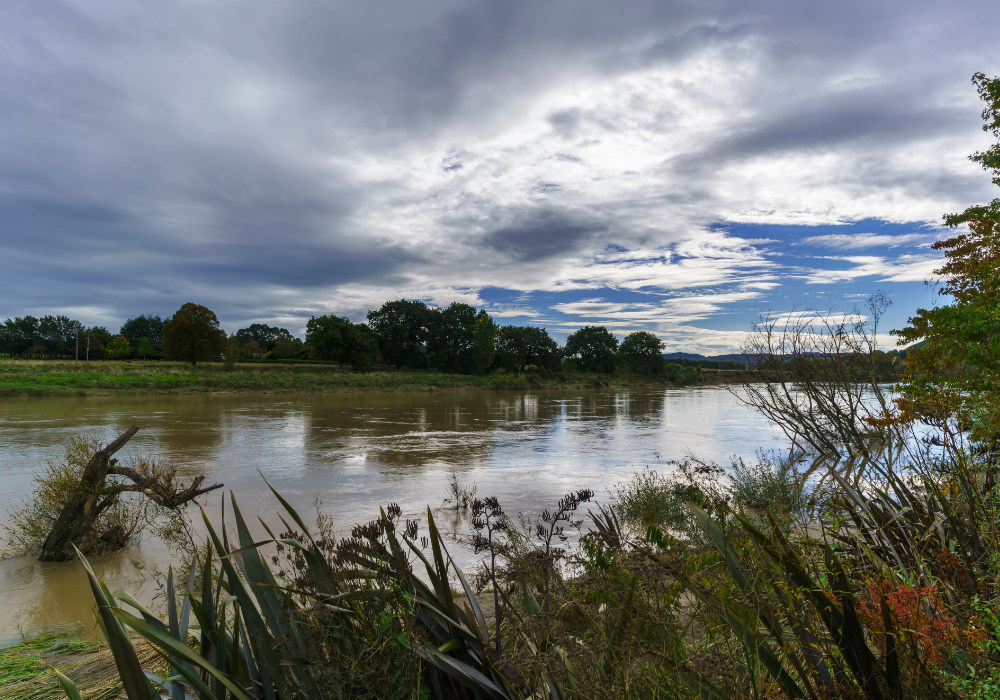
Weakening river flows jeopardize freshwater supplies essential for agriculture. Dwindling currents reduce both water availability for crops and energy produced by critical hydropower systems. Farmers relying on these streams face stark realities as they adapt to changing water conditions.
The reduced flow impacts irrigation-dependent regions significantly. Increased competition for water necessitates careful allocation and cooperation among multiple stakeholders. Negotiating new water rights and conserving existing resources maintain agricultural operations even in diminished circumstances.
6. Rising salinity in soils affecting crop health and yield potential.
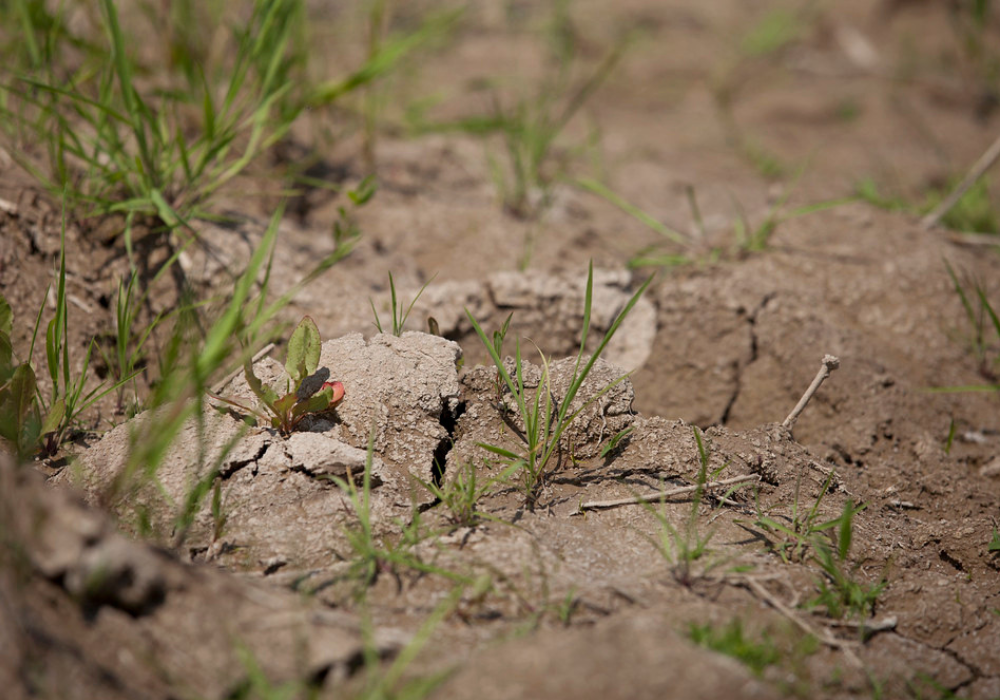
Increasing soil salinity burdens agricultural productivity, affecting crop health. As evaporative heat intensifies, salt concentrations rise in the soil, stressing plants. Sensitive crops struggle to uptake water and nutrients, endangering yields.
Salt-tolerant varieties might offer relief, yet adaptation involves more than choosing different seeds. Persistent salinity necessitates strategic irrigation and land management. Farms contending with these conditions must find ways to balance productivity demands with soil health maintenance.
7. Greater frequency of droughts causing inconsistent crop production outcomes.
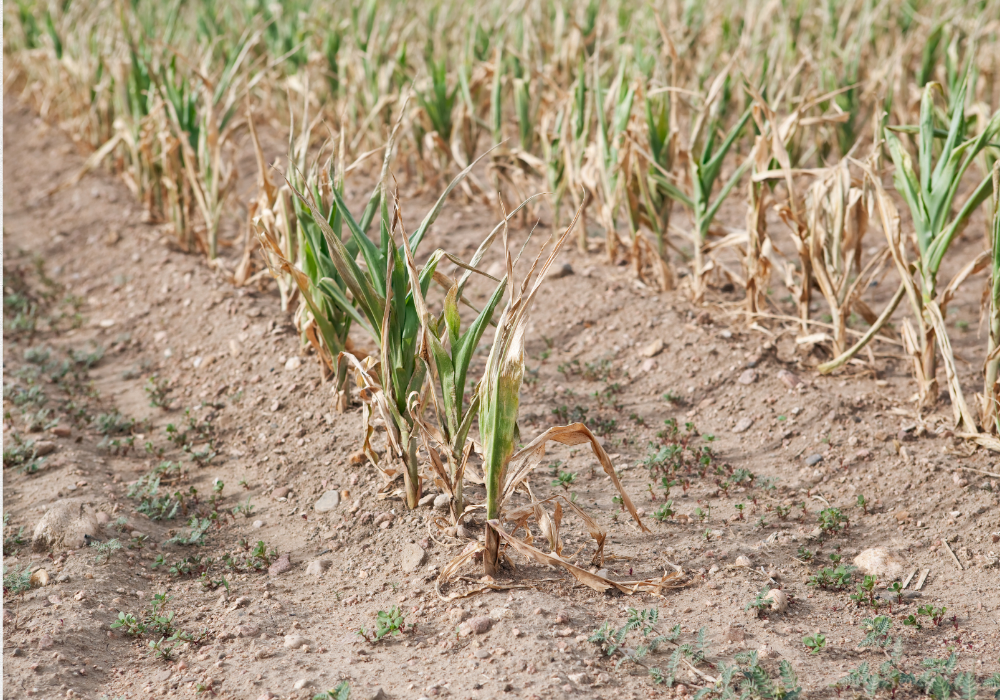
Frequent droughts disrupt consistent crop production, presenting hurdles. These dry spells impact sowing, growing, and harvesting schedules, often unpredictably. Farmers experience fluctuating productivity and quality, battling to mitigate these interruptions.
Compounded by other environmental stressors, such volatility challenges traditional agriculture practices. Adaptive strategies, including technology and data analytics, become invaluable. By understanding patterns and effectively planning, farms can better withstand droughts’ erratic effects.
8. Loss of arable land due to desertification expanding in key farming regions.
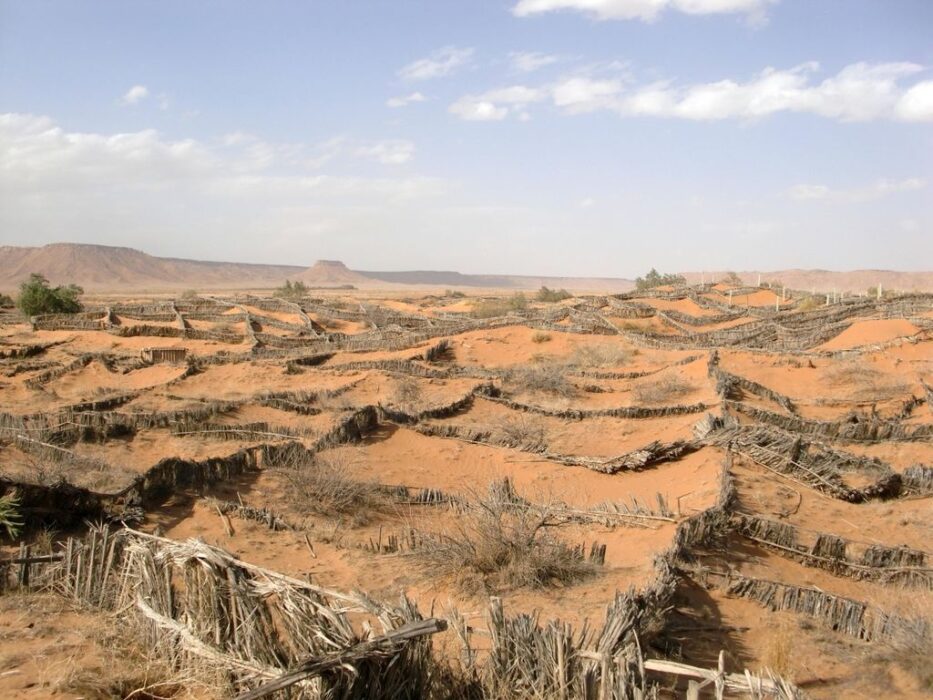
Desertification steadily reduces arable land, threatening key agricultural regions. Expanding drylands encroach on once-fertile areas, unsettling the balance between production and demand. Farmers contend with shrinking spaces for cultivation, revisiting methods to maintain food supply.
The issue extends beyond borders, affecting neighboring plots as landscapes transform. Collaborative efforts in land restoration emerge crucial to reversing this trend. Sustaining agricultural output amid growing deserts relies heavily on unified, innovative approaches.
9. Increased pest pressures exploiting weakened plant defenses under dry conditions.
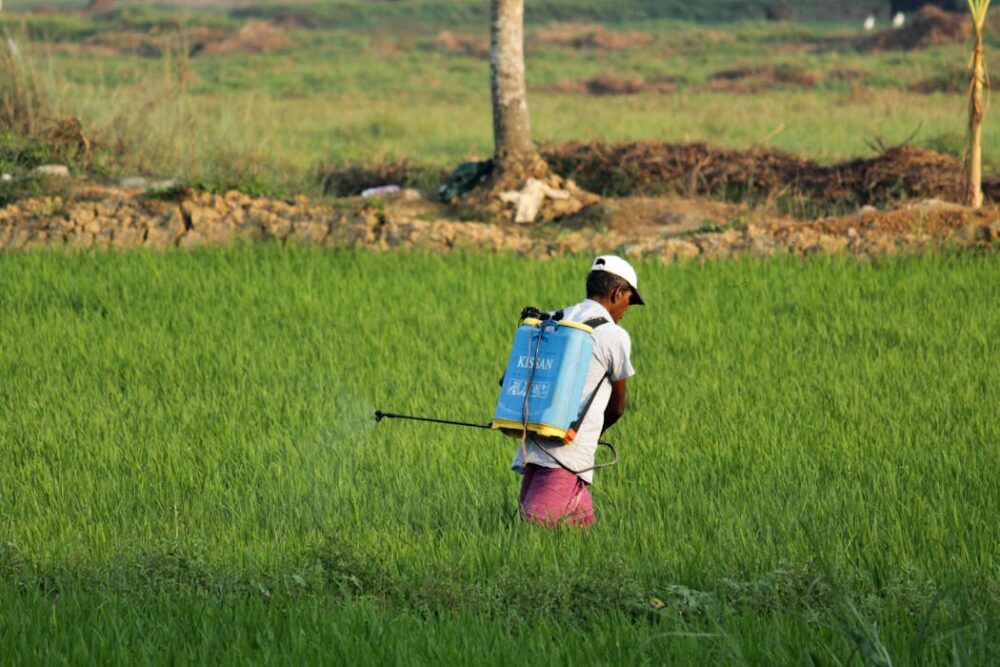
Drier conditions bolster pest pressures, exploiting vulnerable crops. Stress-affected plants provide easier access to insects and pathogens, reducing resilience. Under these weakened defenses, infestations can spread rapidly, leaving destruction in their wake.
Battling this scourge involves precision farming techniques that balance environmental health and pest control. Understanding these dynamics is critical. Farms adopting forward-thinking practices can considerably diminish risks of extensive damage, preserving crop health.
10. Reduced livestock forage quality impacting animal health and farm income.
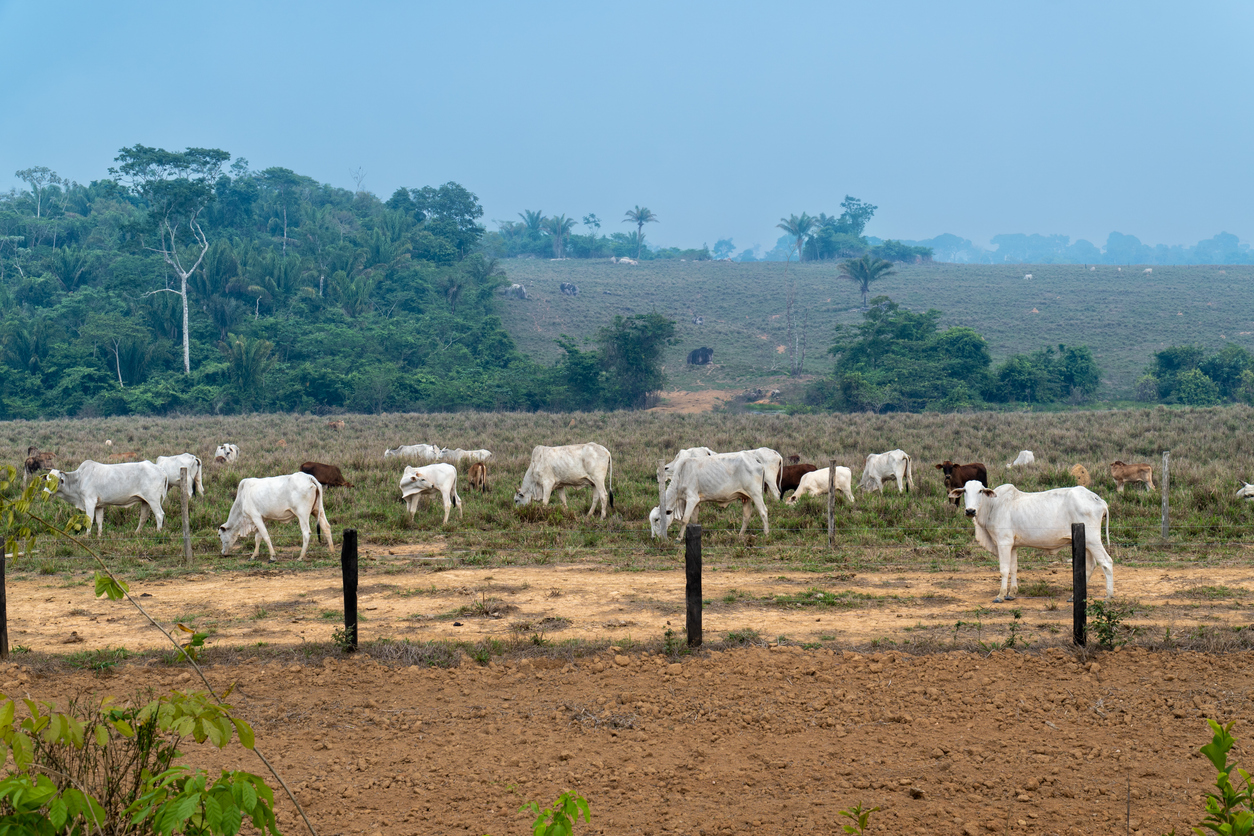
Forage quality deteriorates under arid conditions, impacting livestock health. Without lush pastures, animals receive reduced nutritional intake, affecting growth and milk production. This leads to double jeopardy for farms encountering lower yields and increased feeding costs.
Diminished pasture means farmers seek alternative feeds or rethink grazing strategies to support livestock. These adjustments, although demanding, uphold herd welfare and farm sustainability. Recognizing shifts in forage quality emphasizes the crucial interplay between climate and livestock.
11. Economic instability for farming communities from unpredictable weather patterns.
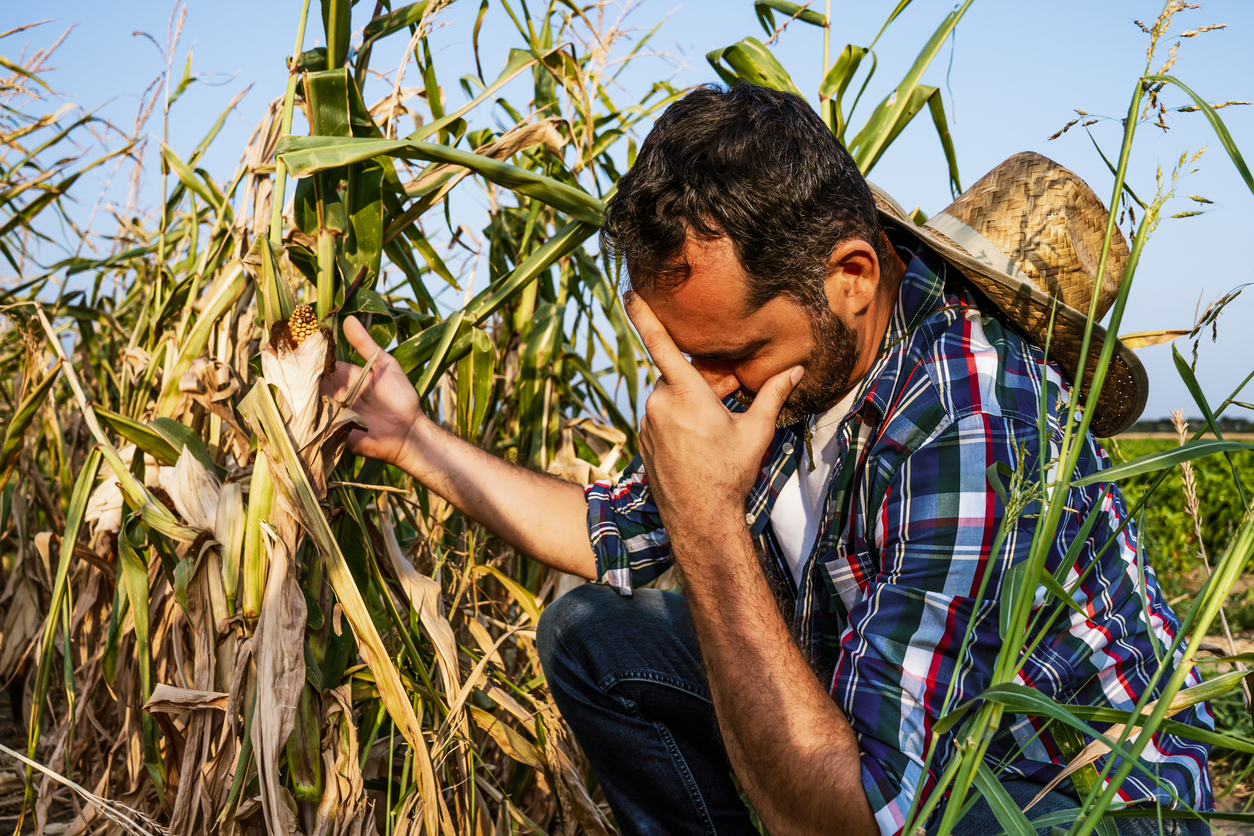
Weather unpredictability fosters economic instability for farming communities. Variability challenges financial planning, increasing risks of losses or reduced income. Farmers grapple with volatile prices and yields, urging attention to resilience and resource allocation.
Navigating these uncertainties necessitates cooperative efforts and adaptive policies. Communities unite over shared experiences and knowledge, fortifying operations against climate unpredictability. Insightful analysis and proactive measures form the foundation for steady economic footing amid upheaval.