
From rising seas to mega-storms, AI may help science predict Earth’s most dangerous shifts.

Artificial intelligence is changing the way scientists predict climate risks by sorting through massive amounts of environmental data faster than humans ever could. Machine learning can pick up patterns and early warning signs we’d likely miss, helping spot threats like extreme storms, wildfires, or water shortages before they hit. Experts at NASA’s Goddard Institute say combining AI insights with human expertise makes forecasts sharper and more timely, giving researchers and policymakers a clearer view of the challenges ahead.
1. AI analyzes vast climate data sets to identify emerging risk patterns.

Artificial intelligence excels at processing vast amounts of climate data to reveal complex patterns of emerging risks. By sifting through historical weather records, temperature fluctuations, and atmospheric conditions, AI identifies subtle trends that may hint at future climate threats.
An example would be using AI to detect patterns in rainfall data that suggest a shift towards more frequent droughts. Combining AI insights with expert analysis helps craft a comprehensive approach to managing and mitigating potential climate risks.
2. Machine learning models improve accuracy in forecasting extreme weather events.
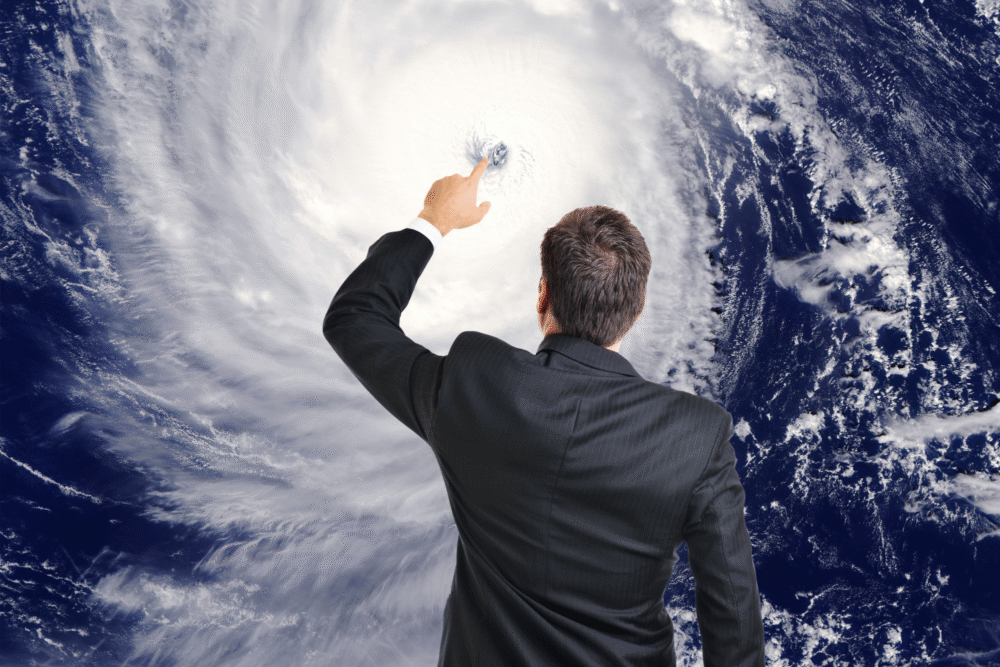
Machine learning models have significantly boosted the precision of weather forecasts, particularly for extreme events like hurricanes and floods. These models analyze intricate patterns in historical and real-time data to predict events with improved accuracy. For instance, AI evaluated satellite images and atmospheric data to provide early warnings for an approaching storm.
However, it’s important to cross-reference AI predictions with expert insights to ensure balanced decision-making. Enhanced forecasting aids policymakers and communities in preparing more effectively for severe weather.
3. AI automates real-time monitoring of environmental changes worldwide.

AI empowers environmental scientists by automating the real-time monitoring of ecological changes on a global scale. Sensors and satellite technologies gather data on deforestation, ice melt, and pollution levels, which AI then processes to spot anomalies or areas needing attention.
AI algorithms can detect declining forest health by analyzing seasonal variations in foliage colors from satellite images. This continuous surveillance enables timely intervention and resource allocation, ensuring prompt response to emerging ecological threats and maintaining environmental health.
4. Deep learning enhances prediction of wildfire occurrences and spread.
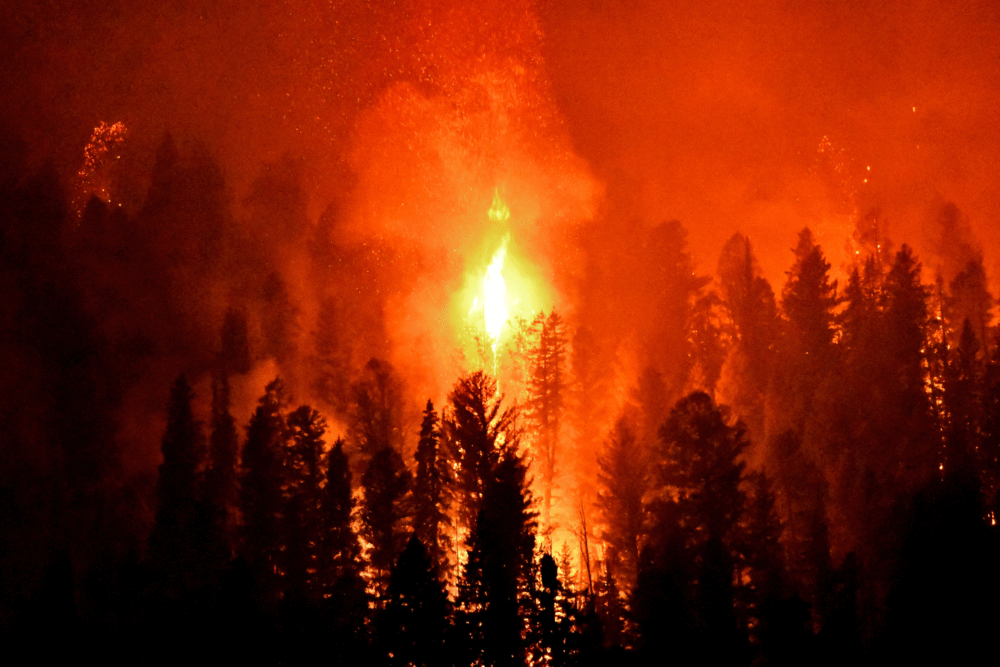
Deep learning plays a vital role in enhancing wildfire prediction by analyzing variables such as weather, vegetation, and land topography. AI models discern patterns invisible to the human eye, potentially indicating where and how wildfires might ignite and spread.
By predicting fire pathways, AI supports effective resource deployment and community protection plans. Integrating AI-driven insights with traditional fire management strategies can significantly reduce the impact of wildfires on both ecosystems and human populations.
5. AI integrates satellite imagery to track coastal erosion and flooding.
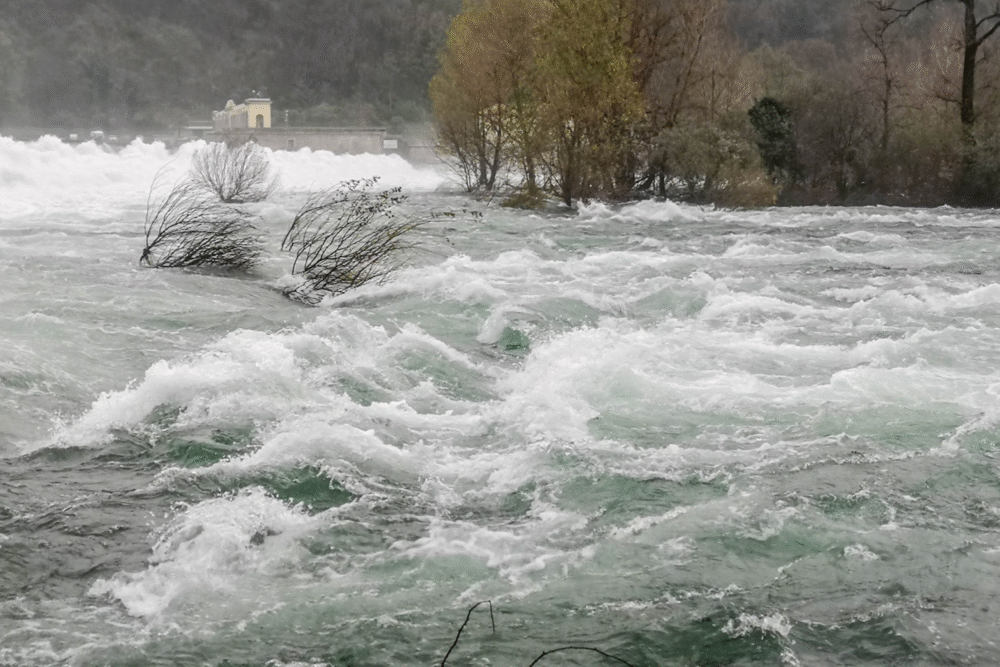
AI leverages satellite imagery to monitor and analyze changes in coastlines, providing crucial insights into coastal erosion and potential flooding risks. These models can identify patterns of shoreline retreat and rising sea levels, offering early warnings for vulnerable areas. By analyzing imagery over time, AI can highlight sections of coastlines at greatest risk of erosion.
Supporting sustainable development, these insights inform not only urgent protective measures but also long-term planning for communities located near coasts.
6. Predictive algorithms assess infrastructure vulnerability to climate hazards.

Predictive algorithms powered by AI have become essential in assessing the vulnerability of infrastructure to climate hazards. By analyzing how past events like storms, heatwaves, and floods have impacted buildings and transportation systems, AI forecasts potential damage under future climate scenarios.
AI might suggest reinforcing a dam that shows signs of stress under projected high flood risk. By highlighting critical areas, these tools help guide maintenance and upgrade decisions, reducing risk and enhancing infrastructure resilience.
7. AI-driven simulations model future climate scenarios with greater precision.

Simulations driven by AI technologies model future climate scenarios with intricate precision, offering insights into the potential impacts of various climate variables. These models incorporate diverse data sources to simulate climate dynamics, such as temperature rise and precipitation changes.
For instance, an AI-driven simulation might demonstrate the long-term effects of global warming on a specific ecosystem. With these simulations, scientists and policymakers can test different mitigation strategies before implementing them in real-life scenarios, ensuring informed and strategic decision-making.
8. Natural language processing extracts insights from scientific climate reports.

Natural language processing (NLP) within AI extracts valuable insights from vast collections of scientific climate reports. By processing language patterns and key phrases, AI identifies important trends, emerging risks, and potential solutions within these documents.
NLP can highlight frequently mentioned concerns in scientific papers, such as the rapid decline of polar ice caps. This helps researchers, policymakers, and the public access critical information quickly, aiding in informed decision-making and facilitating a coordinated approach to climate adaptation efforts.
9. AI accelerates identification of climate-related financial risks for businesses.

AI accelerates the identification of climate-related financial risks for businesses by analyzing vast sets of data on environmental trends and economic metrics. This technology can project how future climate scenarios might impact industry performance, supply chains, and asset values.
AI analysis could identify that prolonged droughts could affect agricultural outputs, presenting financial risks for related sectors. Businesses leverage these insights for adapting their strategies, investing in sustainability, and ensuring resilience in the face of evolving climate risks.
10. Automated systems deliver timely alerts for disaster preparedness and response.

Automated AI systems deliver timely, accurate alerts for disaster preparedness and response, crucial in safeguarding lives and property. These systems analyze historical and live data to detect the onset of natural disasters, such as hurricanes or earthquakes.
By providing early warnings, communities can implement evacuation plans, secure infrastructure, and mobilize emergency resources more effectively. Coordinated with human expertise, AI-based alerts significantly enhance the speed and efficacy of disaster response, minimizing the impact on affected populations and regions.
11. AI supports sustainable resource management by forecasting water scarcity risks.

By forecasting water scarcity risks, AI aids in sustainable resource management, helping address one of the most pressing concerns related to climate change. Through data-driven analysis of precipitation patterns, reservoir levels, and consumption trends, AI predicts future water availability scenarios.
AI can be used to project declining river flows, informing water conservation planning. These forecasts allow governments and organizations to implement efficient water management strategies, ensuring communities and ecosystems have access to vital water resources despite changing climate conditions.