
Inside the cutting-edge world of AI and robots that are quietly transforming the recycling industry.

Think your soda can or plastic takeout box is being sorted by a human at a recycling plant? Think again. Across the globe, a new generation of AI-powered robots is revolutionizing waste management—silently scanning, grabbing, and sorting your recyclables faster than any human ever could.
These machines aren’t just futuristic gimmicks; they’re already reducing contamination, improving efficiency, and saving cash-strapped cities millions. With machine learning and advanced sensors, they can tell a milk jug from a mayonnaise jar in milliseconds.
And they never need a coffee break. If you haven’t paid attention to the high-tech overhaul of recycling yet, now’s the time—because the future of trash might be smarter than you.
1. AI-powered robots can sort recycling faster and more accurately than humans.

Forget conveyor belts lined with workers manually picking through garbage—AI robots are taking over that gritty job. Using computer vision and advanced sensors, these machines can identify, grab, and sort materials at speeds of 60 to 80 picks per minute. Humans usually manage around 30. Not only that, but the accuracy rate is jaw-droppingly high. Some systems reach over 95% precision, ensuring the right material goes to the right bin.
This means cleaner recycling streams, fewer rejected batches, and more material actually getting reused. Companies like AMP Robotics are leading this charge, transforming once-chaotic sorting lines into efficient, AI-run operations that work day and night.
2. Machine learning helps these systems get smarter with every item they sort.
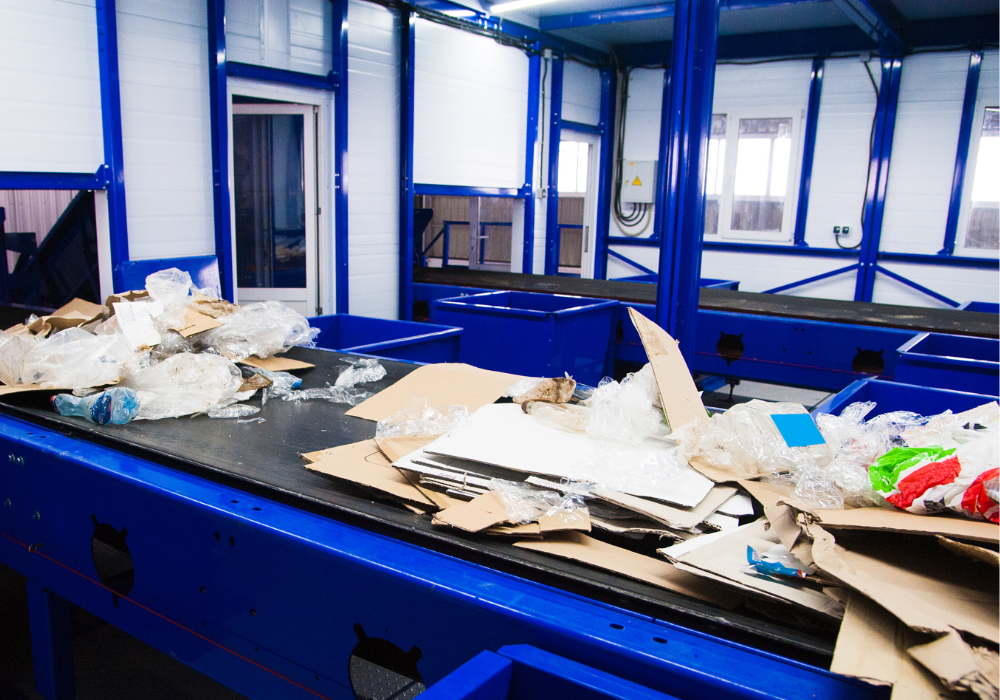
AI systems used in recycling aren’t static—they learn as they go. The more materials they sort, the better they get at recognizing differences in shape, texture, labels, and color. That’s the power of machine learning. If a new type of packaging hits the market, these systems can quickly adapt, updating their algorithms in real time.
Some even link to cloud-based networks to share knowledge across facilities. It’s like a brain trust of trash. This dynamic improvement helps keep pace with ever-changing waste streams, which human sorters often struggle to keep up with. Smarter sorting means higher recovery rates and less landfill overflow.
3. Robots never get tired, sick, or distracted—boosting efficiency 24/7.

Human workers are prone to fatigue, injury, and illness—especially in messy, fast-paced recycling facilities. Robots, on the other hand, don’t need breaks, healthcare, or protective gear. They can operate around the clock, rain or shine. That consistent performance reduces downtime and increases facility throughput. Recycling centers facing labor shortages or high turnover have found AI robotics a dependable replacement—or supplement—for human teams.
These machines maintain peak performance regardless of conditions, which is critical in an industry where small errors can contaminate entire loads. With AI, the recycling line doesn’t stop—making operations more stable and cost-effective over time.
4. AI systems are reducing contamination rates and saving recycling programs money.
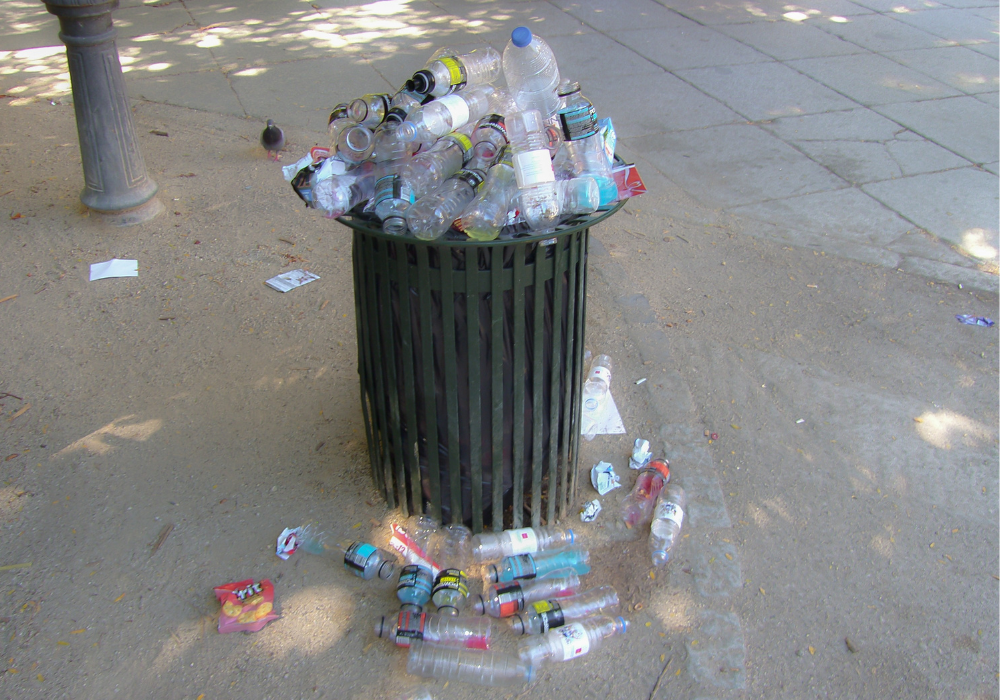
One of the biggest challenges in recycling is contamination—when non-recyclables are mixed in, rendering entire batches useless. AI robots dramatically cut these mistakes. With their high accuracy and speed, they can more effectively remove the wrong items and recover valuable materials that might otherwise be missed. Cleaner output reduces processing costs and improves the market value of recyclables.
Cities like Denver and San Francisco have reported cost savings and higher recycling revenue after installing AI systems. In a time when many municipal recycling programs are struggling financially, this technology offers a rare win-win: better results and lower costs.
5. Some AI robots are designed to recognize brands and specific packaging.

These aren’t your average grab-and-go machines—some AI systems are smart enough to recognize brands and packaging types by logo, shape, or color pattern. That’s right: your soda bottle might be getting sorted based on the label, not just the plastic type.
This granular detail allows for more targeted recycling, such as separating food-grade containers from industrial plastics. It also opens the door for producer responsibility tracking, where manufacturers are held accountable for the recyclability of their packaging. In the future, brands may receive data on how often their products are recycled—adding transparency and motivation to design smarter packaging.
6. AI-powered sorting allows plants to recycle materials once deemed too tricky.

Before AI entered the scene, many complex or flexible materials—like black plastics, multilayered cartons, or certain foams—were rejected because humans struggled to identify them quickly. Now, robots trained on thousands of images can spot these materials with surprising accuracy. That means previously unrecyclable items are getting a second chance.
For example, a robot might distinguish between two similar-looking food trays, sending one to be recycled and the other to waste. This level of precision helps reduce landfill use and expands the types of materials that can be economically processed. The more the AI learns, the more it can divert.
7. Facilities using AI can process more waste without expanding labor costs.
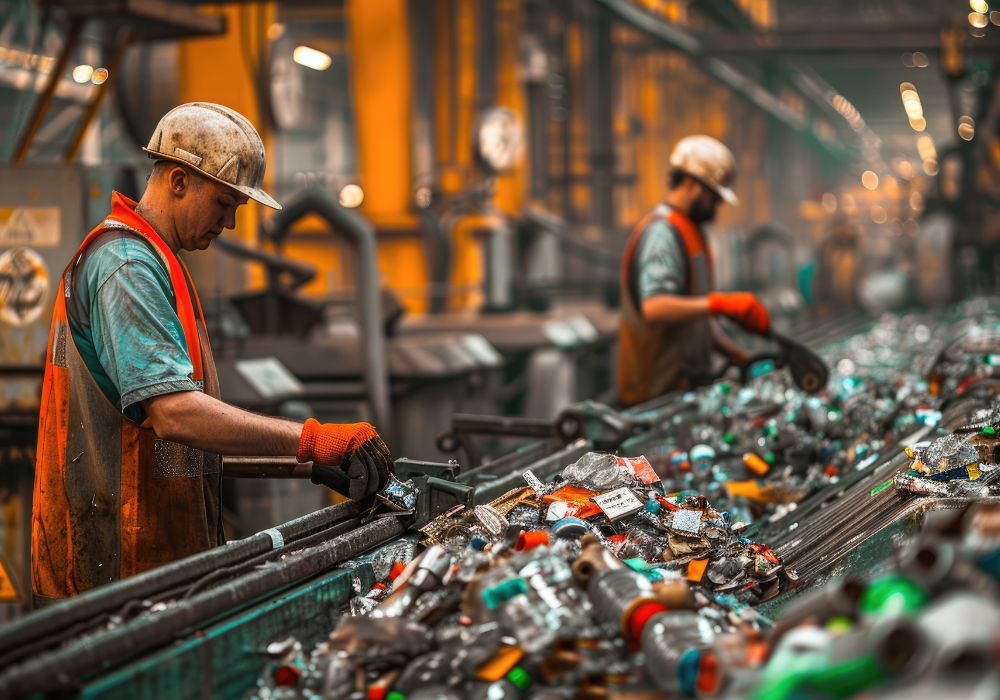
Adding more human workers to a facility often means higher costs, more training, and greater logistical complexity. But adding a robot? It’s a one-time investment with scalable benefits. AI recycling systems can increase throughput by 20–50% without adding staff. That’s crucial for cities and waste companies trying to meet growing demand while operating under tight budgets.
These systems also improve safety by reducing the need for people to work close to sharp objects, hazardous materials, or fast-moving machinery. The result? A leaner, safer, more productive operation that scales without breaking the bank—or burning out the workforce.
8. Recycling robots can gather data to improve operations in real time.

One of the underappreciated perks of AI recycling systems is data. These robots don’t just sort—they analyze. Every item they process is logged and categorized, creating a real-time stream of information about what’s entering the waste stream and how it’s being handled. This data helps facilities spot trends, adjust sorting strategies, and even inform local education campaigns (like discouraging pizza boxes if they’re contaminating too many loads).
Managers can monitor contamination rates, material volumes, and missed opportunities—allowing for continuous improvement. With every scan and grab, the system becomes a real-time environmental analyst as well as a worker.
9. Experts believe AI could be the future of zero-waste goals.

As cities and nations strive for ambitious zero-waste goals, AI-powered recycling may be the key to achieving them. Experts see the tech as essential for closing the loop—making sure that more products end up reused instead of trashed. It’s especially useful in densely populated areas where waste volumes are high and space for landfills is limited.
AI’s ability to sort quickly, accurately, and tirelessly is unmatched by human labor. While some worry about job displacement, many facilities see AI as a tool to support workers, not replace them. Together, they could finally make efficient, sustainable recycling a reality.