
Inside the global push for food sovereignty and who benefits from it.

Most of us think we “choose” what we eat, but many choices are pre-made—by seed patents, commodity markets, supermarket contracts, and rules that shape what farmers can grow.
Food sovereignty is a movement that asks a blunt question: who should control food systems—global markets, or the people who grow, distribute, and eat the food? It was popularized by La Via Campesina in the 1990s and later shaped by the Nyéléni Declaration.
Today it shows up in debates about land, seeds, Indigenous rights, climate resilience, and corporate concentration in the grain trade. The idea isn’t just “local food”—it’s power, and who gets it.
1. “Control” Starts Before Food Is Even Grown
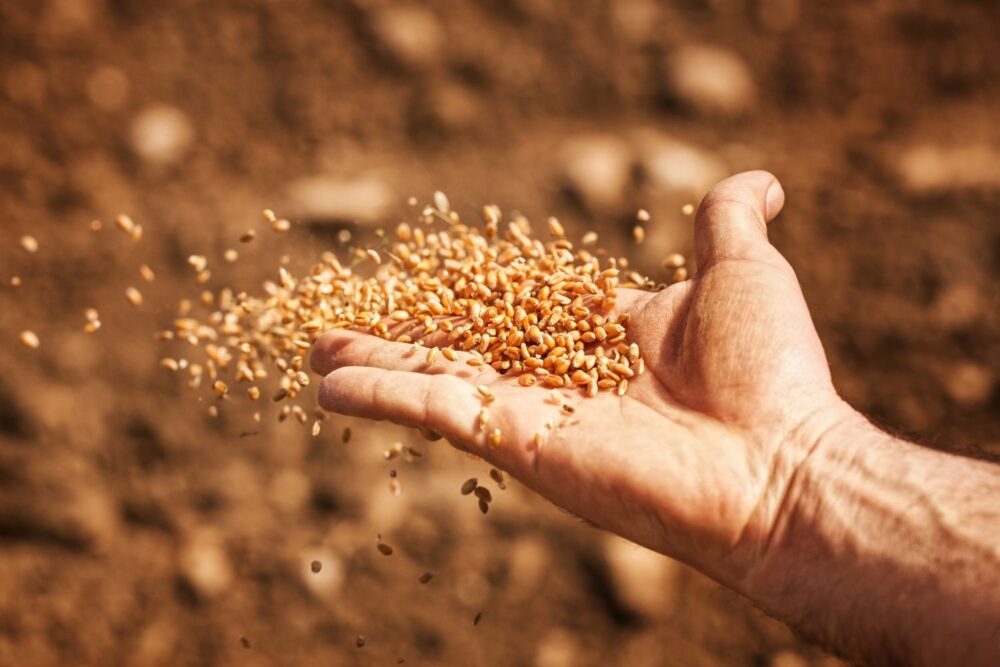
Food control isn’t just about prices at the store. It begins with who owns seeds, who finances farms, and who sets the standards that decide what counts as “marketable” food. When a handful of actors shape inputs and rules, farmers and consumers inherit the menu.
Food sovereignty flips the lens. Instead of asking how to feed markets efficiently, it asks how communities can shape food systems around health, culture, fair livelihoods, and ecological limits—without being overruled by distant buyers.
2. What “Food Sovereignty” Actually Means
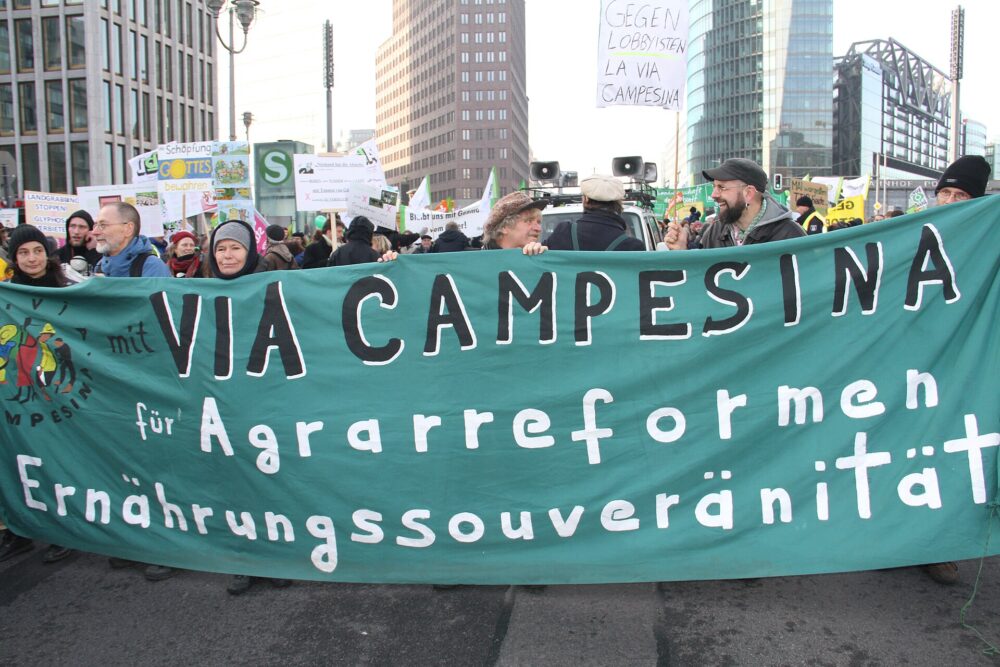
La Via Campesina introduced the term at the 1996 World Food Summit, and the idea later expanded through the 2007 Nyéléni Declaration. The core claim is simple: people have a right to define their own food and agriculture systems, not just receive calories. It also centers those who produce and harvest food.
Practically, that means prioritizing local producers, fair access to land and water, and rules that protect communities from dumping and sudden market shocks. It’s not anti-trade by default—it’s pro-democracy in the food chain.
3. Food Security vs. Food Sovereignty
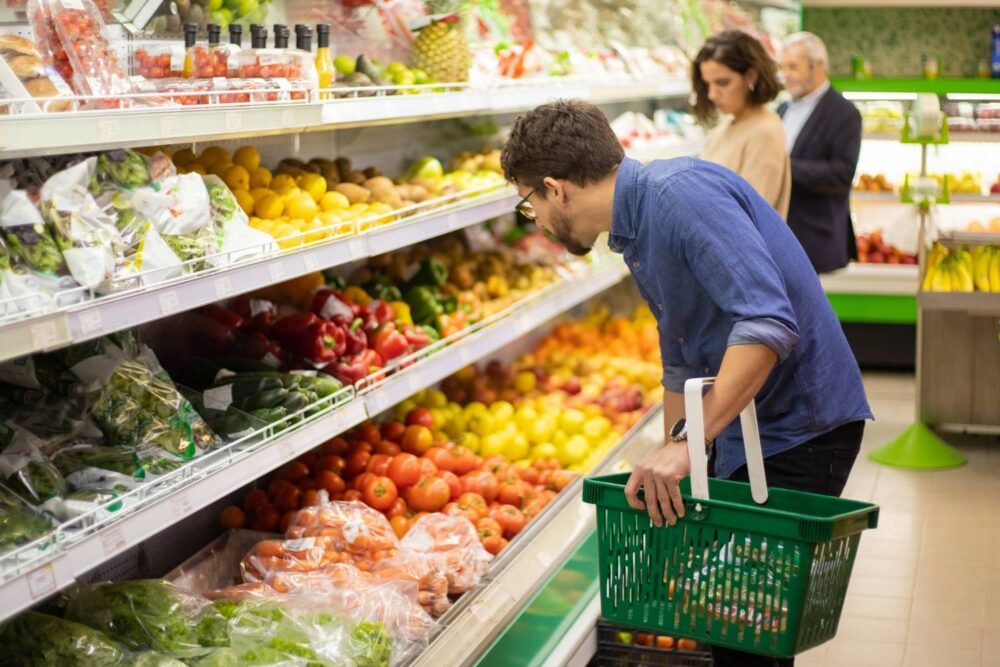
Food security asks whether people can access enough food. Food sovereignty asks who decides what food is produced, how it’s produced, and who benefits. You can be “food secure” on cheap imports while local farmers collapse and diets become less diverse. The shelves stay full, but power stays elsewhere.
That’s why sovereignty supporters talk about resilience, not just supply. They argue that when communities control seeds, land, and markets, they’re better able to handle price spikes, climate shocks, and disruptions like wars or export bans.
4. The Middlemen You’ve Never Heard Of
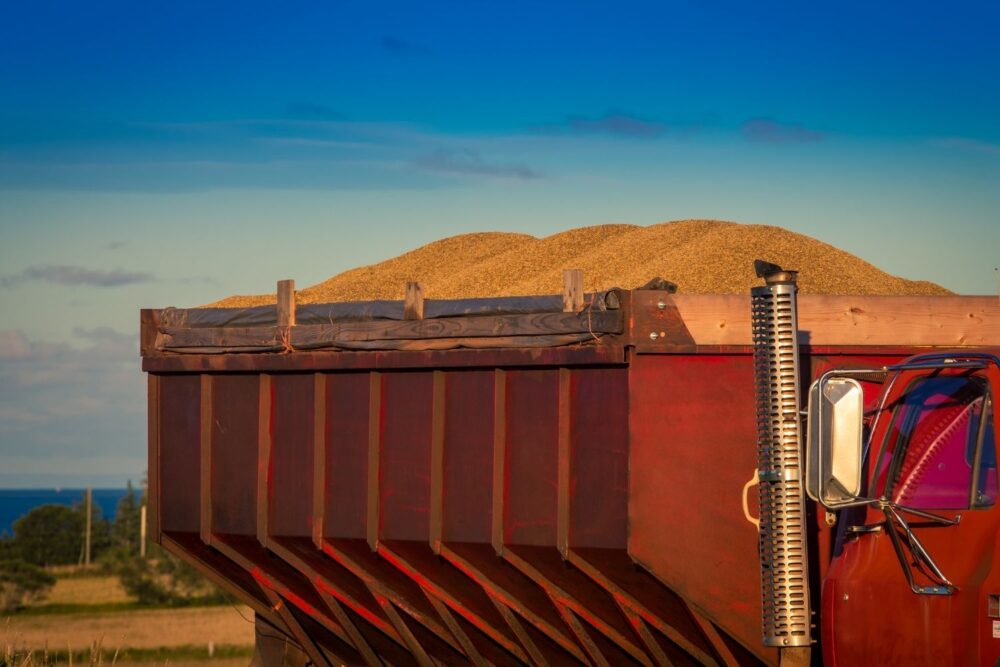
A lot of “control” sits in the trading layer between farms and your pantry. Four giant commodity traders—often nicknamed the ABCD firms—move enormous shares of the world’s grain and oilseed flows, even though most consumers never see their names.
When a small group manages storage, shipping, and pricing signals, disruptions can ripple fast. During shocks, their logistics networks can keep food moving—but critics say concentration also reduces transparency and leaves farmers and countries with fewer bargaining options.
5. Seeds Are a Power Source, Not Just a Product

Seeds determine what can be grown, saved, and shared. In many places, farmers rely on commercial seed systems shaped by patents, contracts, and regulations that can limit saving seed from one season to the next. That shifts control from fields to paperwork.
Food sovereignty groups push “seed sovereignty,” arguing that biodiversity and farmer-led breeding are essential for climate resilience. International frameworks increasingly recognize farmers’ rights to seeds as a foundation of food control.
6. Land, Water, and the Fight Over Who Gets to Farm

Food sovereignty gets real the moment you talk about land. Around the world, small farmers and Indigenous communities can be displaced by land grabs, debt, or zoning that favors export crops and large operations. When land access shrinks, so does local control.
Supporters argue that secure land and water rights are the foundation for stable food systems. Without them, it’s hard to invest in soil health, diversify crops, or pass farms to the next generation—especially as climate extremes make farming riskier.
7. Agroecology: The “How” Behind the Movement
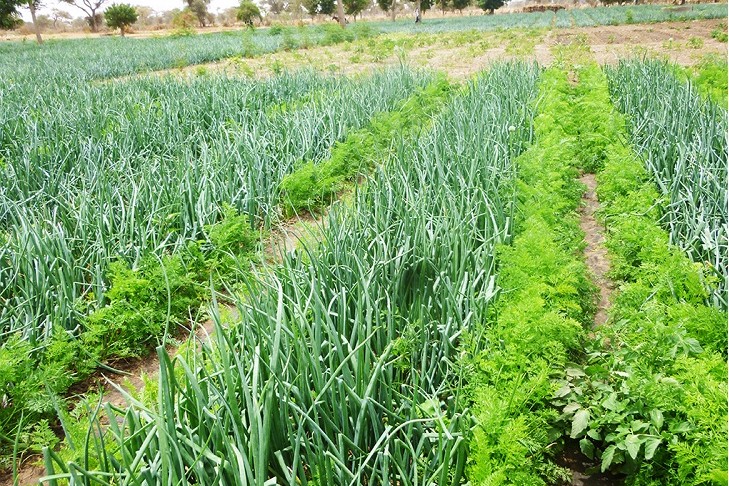
Food sovereignty is not just about who decides—it is also about methods. Many groups link it with agroecology: farming that builds soil, favors diversity, and reduces dependence on expensive inputs. The pitch is that healthier ecosystems can also mean steadier harvests.
In practice, that can look like intercropping, composting, integrated pest management, and locally adapted seeds. Critics worry yields can fall without synthetic inputs, but advocates counter that long-term resilience, lower costs, and local knowledge are the real metrics.
8. Why Farmers Can Be “Essential” and Still Underpaid
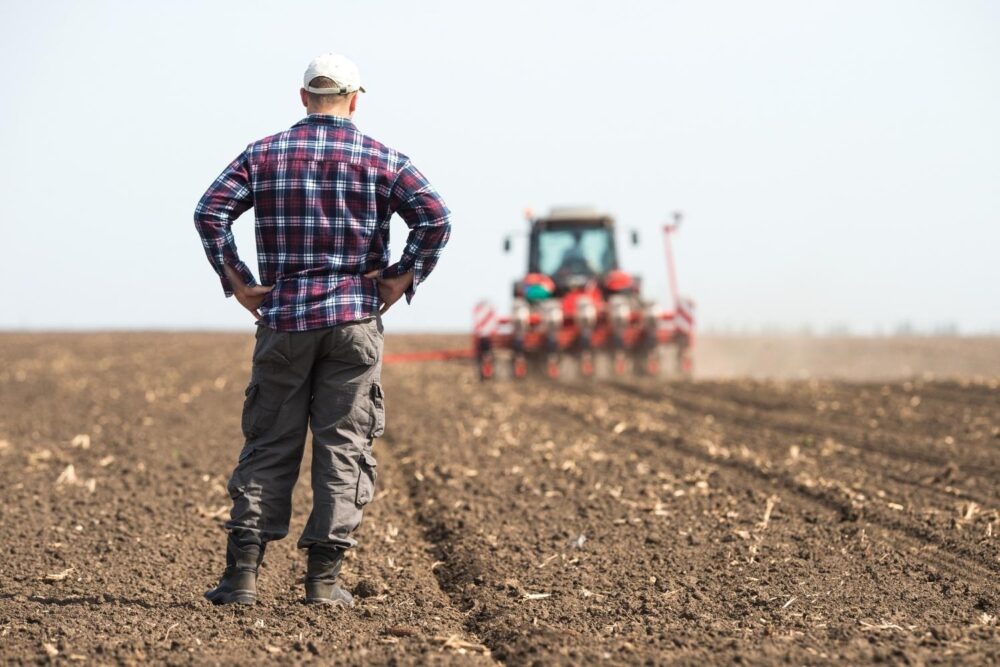
Even when food prices rise, the farm share of a food dollar is often small once processing, transport, branding, and retail margins pile up. That gap is one reason sovereignty advocates talk about rebuilding regional processing and shortening supply chains.
They also argue for policies like fair-price supports, stronger labor protections, and anti-monopoly enforcement. The goal is not nostalgia—it is making sure food work can actually pay, so farms do not disappear and communities are not forced into dependence.
9. The Quiet Lever: Who Governments Buy Food From
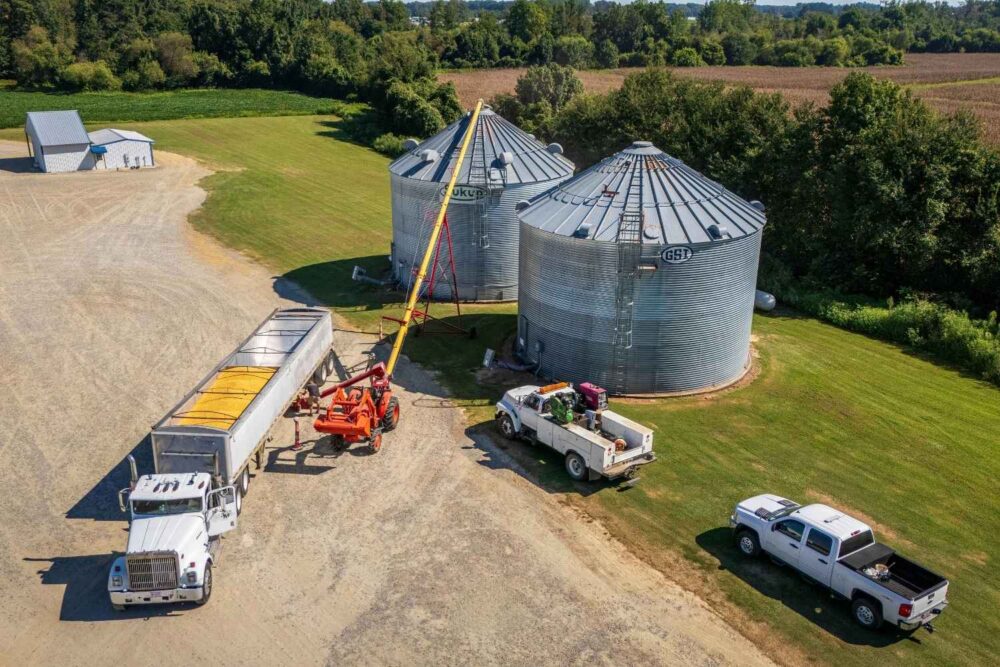
One under-discussed power tool is public procurement. When schools, hospitals, and city programs buy food, they can steer demand toward local farms, small producers, and healthier diets—or they can lock in the cheapest large-scale contracts. That choice shapes entire regional markets.
Food sovereignty campaigns often focus here because it is concrete and measurable. If public money prioritizes regional supply, it can justify local processing plants, strengthen farmer co-ops, and keep more value in the community, even when global prices swing.
10. The Hard Part: Trade, Shocks, and Real-World Tradeoffs

Food sovereignty is often framed against a highly globalized food system, but reality is messy. Many countries rely on imports for staples, and climate change is making harvests more volatile. So the question becomes: how much local control is enough to be safe?
Researchers note that sovereignty policies can clash with trade rules, and export bans can backfire by raising prices elsewhere. Supporters respond that the goal is not isolation—it is reducing vulnerability, diversifying supply, and keeping decision-making closer to people.
11. What You Can Watch for in Your Own Food System
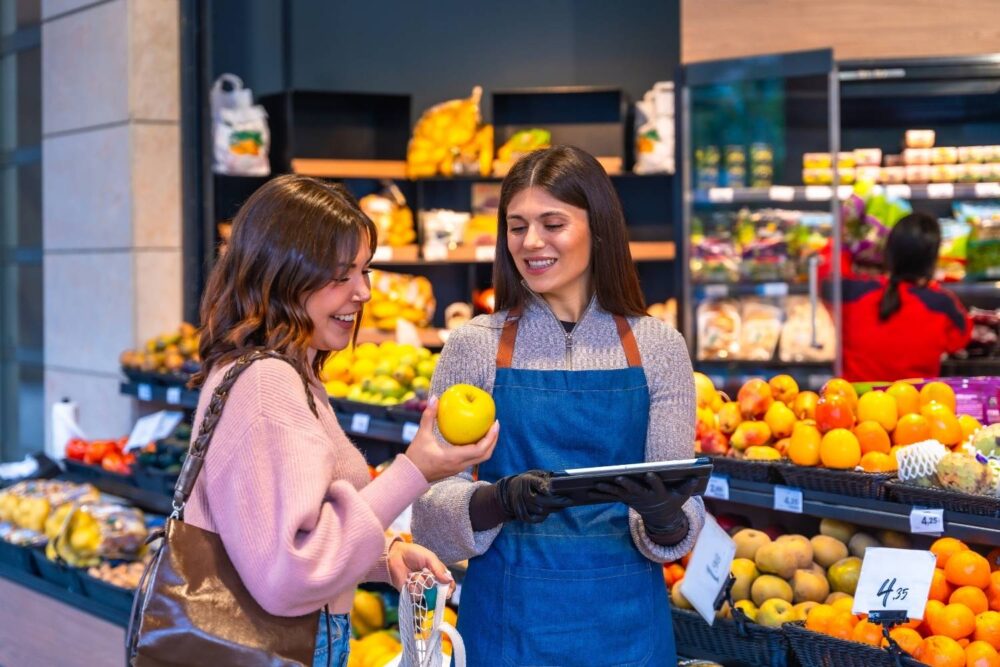
You do not need to pick a side in a policy fight to see the pattern. Ask simple questions: Where were these foods grown? Who processed them? Are there multiple suppliers, or just one dominant chain? The answers reveal how concentrated—or resilient—your local system is.
If you want more sovereignty, the practical moves are boring but powerful: support farmer co-ops, buy from growers who save seed and diversify crops, and pay attention to antitrust and procurement decisions. Food control is built from thousands of small rules.