
Using early sources and historical criteria, scholars identify the teachings and actions most likely to trace back to Jesus.
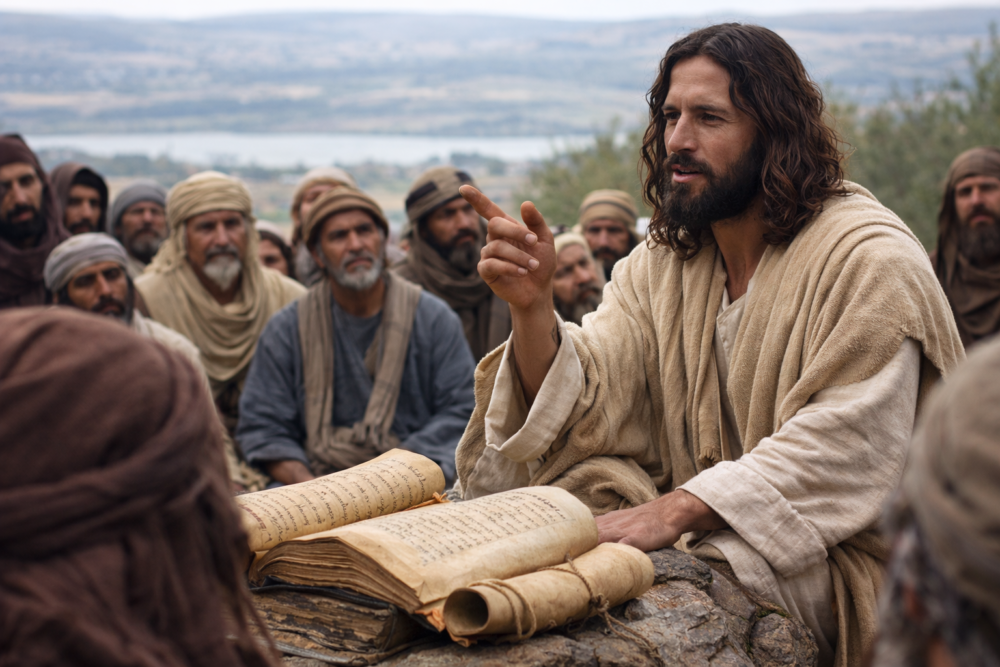
Historians cannot replay a recording of Jesus’ voice. What they can do is sift early sources, compare traditions, and ask which sayings and actions make the most sense in first-century Judea.
Using criteria like multiple attestation, historical context, and coherence with Jewish life under Rome, scholars try to identify a core that likely traces back to him.
The result is not certainty, but a carefully reasoned picture of words and deeds many experts believe are historically grounded.
1. How Scholars Decide What Jesus Really Said

When historians talk about “authentic” Jesus material, they usually mean “most likely” rather than “100% certain.” They look for traditions that show up early, in more than one source, and that make sense in first-century Jewish settings.
They also watch for clues that a line was probably not invented later. For example, sayings that were awkward for early Christians, or that do not neatly match later church debates, can sometimes carry extra weight.
2. The Moment He Steps Into Public View: John’s Baptism
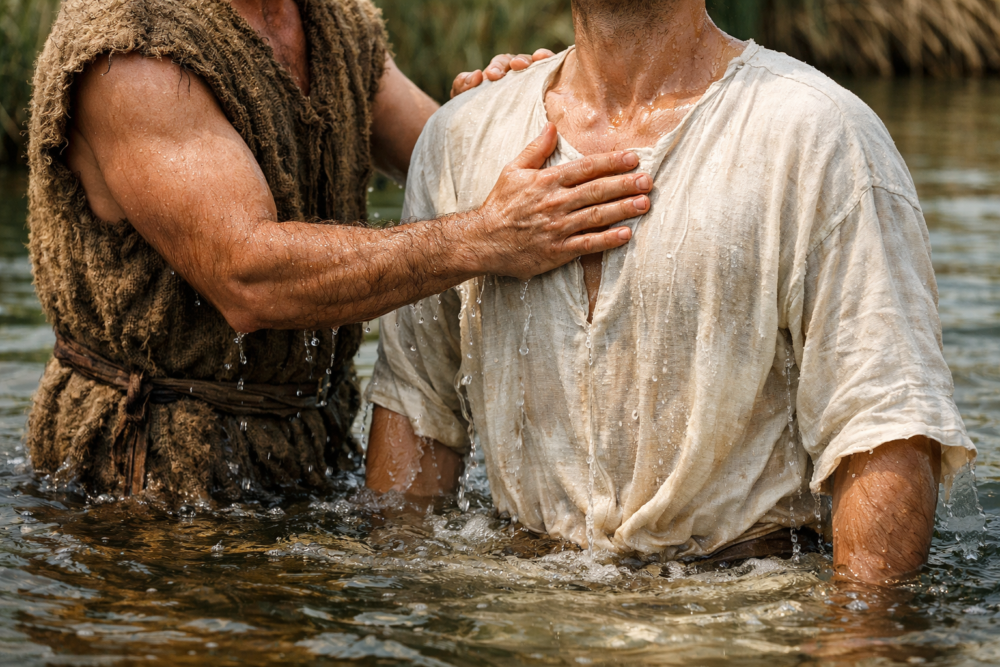
One event many historians see as historically strong is Jesus being baptized by John the Baptist. It is a simple scene, and it is tied to an identifiable historical figure, John, who preached repentance and baptism.
It also creates an early problem for Jesus’ followers: why would the one they called Lord submit to another preacher’s baptism? That “why would they keep this in?” factor is one reason scholars often treat the baptism as one of the best-attested starting points.
3. The Core Message Most Scholars Hear: God’s Kingdom Is Near
If you strip Jesus’ teaching down to a few recurring notes, the Kingdom of God is the loudest one. Historians regularly describe Jesus as announcing God’s coming rule, using language that fits Jewish hopes in a land under Roman power.
This is not just a stray theme. It threads through his short sayings and his longer stories, and it matches how early traditions remember him. Even when scholars disagree about details, “the kingdom” sits near the center of the historical picture.
4. The Teaching Style That Feels Most Like Him: Parables
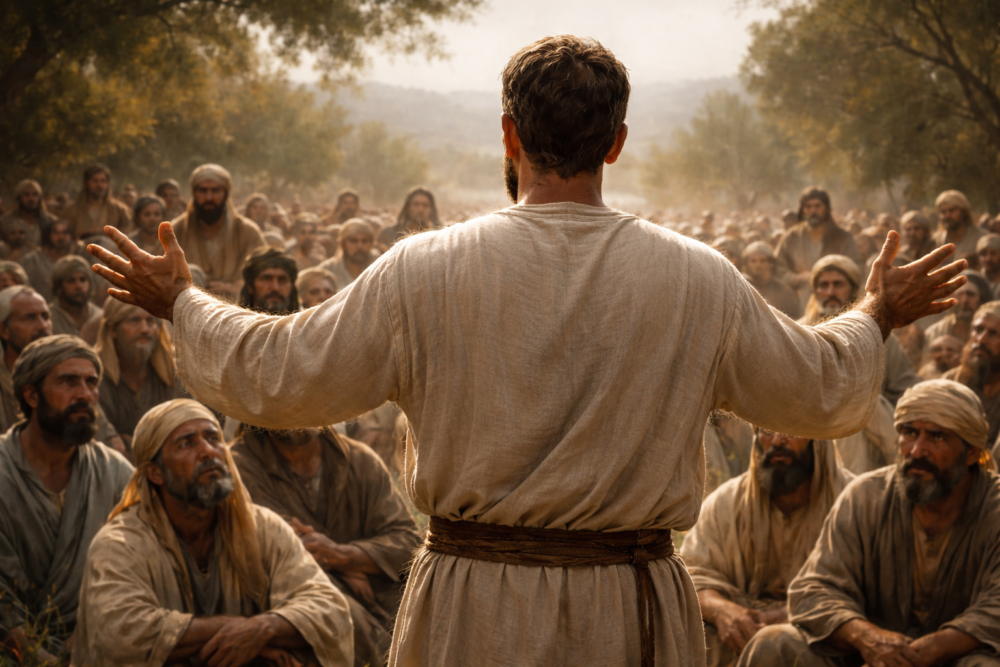
Jesus taught in quick, sticky stories. Parables about seeds, farmers, debts, feasts, and family drama are exactly what you would expect from a Galilean teacher speaking to ordinary people.
Scholars debate which specific parables go back to Jesus, but many agree the parable style itself is authentic to his ministry. Some researchers are very cautious and argue only a small number can be traced with high confidence.
5. A Simple Prayer That May Preserve His Voice: The Lord’s Prayer

The Lord’s Prayer appears in two Gospel forms, a shorter version in Luke and a longer one in Matthew. That alone suggests it was circulating early and being used as a model prayer in the movement.
No one can reconstruct Jesus’ exact wording with certainty, but many scholars see a historically plausible core: direct address to God as Father, the coming kingdom, daily provision, forgiveness, and deliverance. It sounds like the themes Jesus preached, just in prayer form.
6. The Action People Kept Talking About: Eating With Outsiders
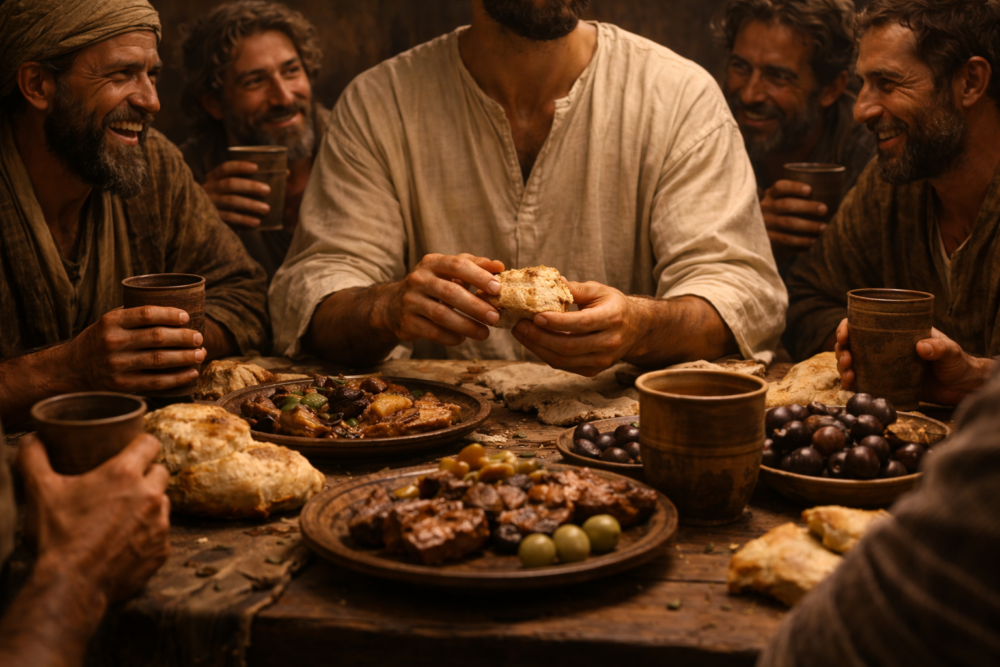
One of the most repeated memories of Jesus is how he used meals. He ate with people others avoided, and he treated table fellowship as a sign of what God’s kingdom looked like in real life.
This is not just about being friendly. In that culture, meals drew boundaries. So the stories of Jesus sharing food with the wrong crowd also explain why he attracted attention and criticism. Many scholars see this pattern as historically credible, even if details vary by Gospel.
7. What People Likely Experienced: Healings and Exorcisms
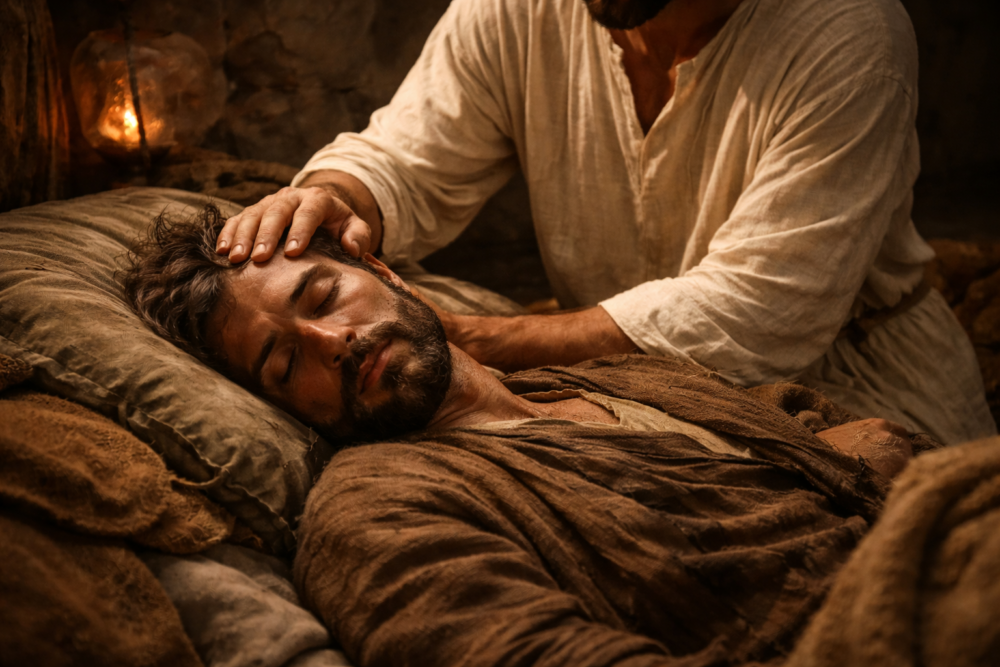
Historians cannot verify miracles as miracles. But many do think Jesus had a public reputation as a healer and exorcist, because these reports show up consistently and help explain his early popularity.
In the ancient world, healing and casting out spirits were ways people described real suffering and recovery. Whether you interpret them medically, spiritually, or symbolically, the historical point is that crowds experienced Jesus as someone with unusual power to help, and that drew more crowds.
8. The Flashpoints: Sabbath and Purity Arguments
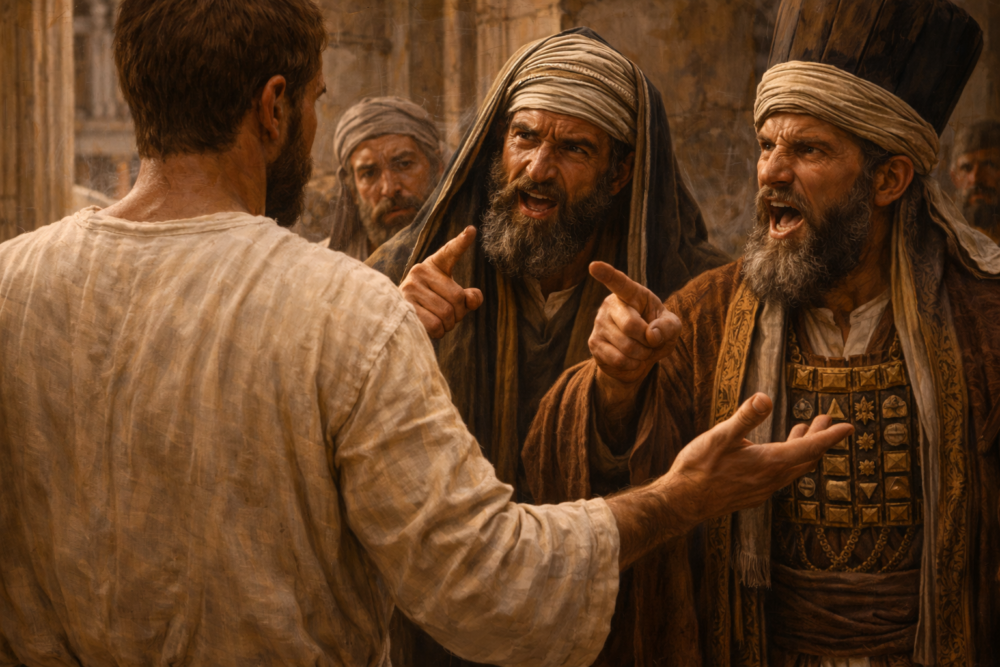
Jesus also got into arguments about how to live faithfully. The Gospels preserve disputes over Sabbath practice, purity, and what really makes a person “clean.” Even skeptical historians often accept that these conflicts reflect something real.
The reason is simple: the disputes fit the religious landscape of the time, and they show Jesus acting with authority in public. Specific lines are debated, but the general pattern is hard to erase without losing the historical logic of why opposition to him grew.
9. The Protest That Turned Up the Heat: The Temple Incident
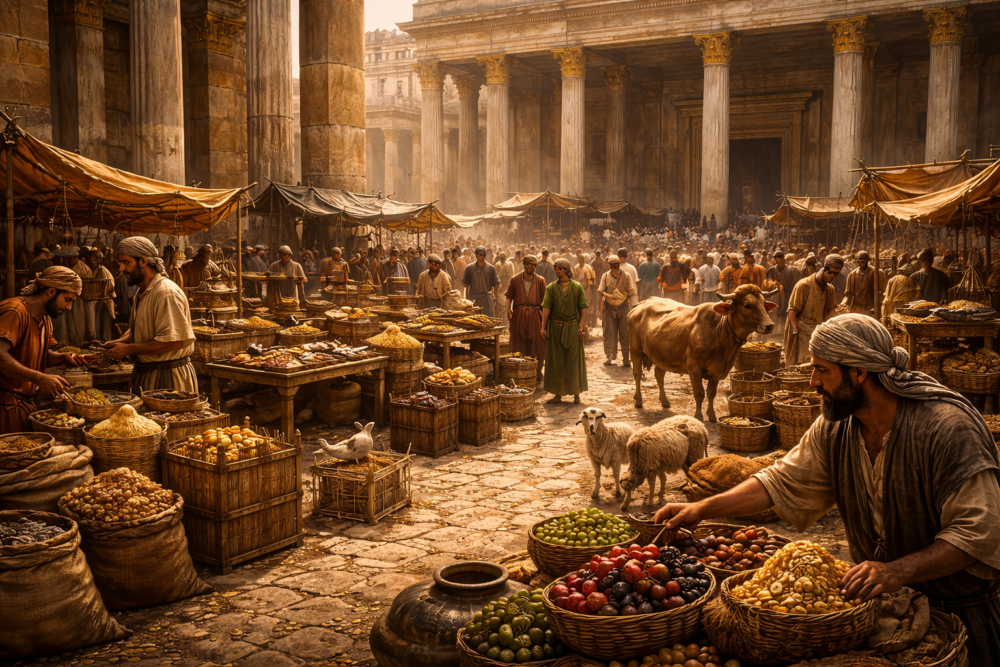
Most scholars think Jesus did something provocative at the Jerusalem Temple, often described as disrupting commerce or symbolically condemning the system. All four Gospels preserve some version of the story.
Historically, it makes sense as a trigger. Passover brought huge crowds, Roman nerves were high, and the Temple sat at the center of politics and faith. A public protest there would not stay private for long, and it helps explain why the final week escalated fast.
10. The Line Everyone Quotes Because It Sounds Like a Trap: “Caesar”

The “Render to Caesar” exchange is debated in details, but many historians consider it plausible because it reads like a real public confrontation. It is short, sharp, and built around a political landmine: taxes under Rome.
It also does not neatly serve any one later agenda. It can be read as cautious, clever, or subversive depending on your angle. That interpretive flexibility is one reason scholars often think a core of the exchange may go back to Jesus.
11. The Most Secure Historical Anchor: Crucifixion Under Pilate
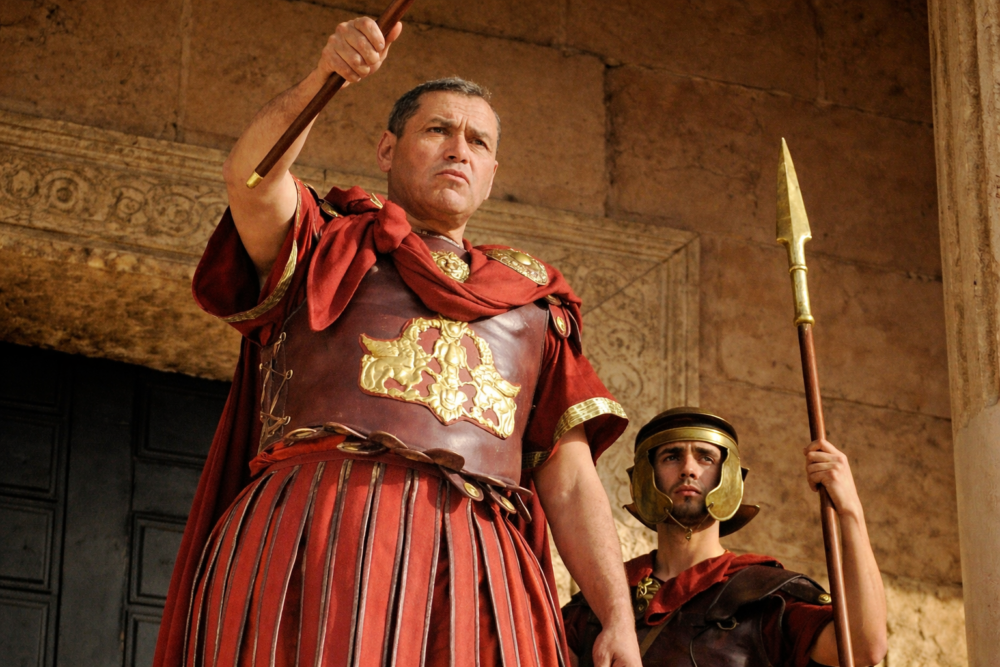
The action historians treat as most certain is Jesus’ execution by crucifixion under Pontius Pilate, likely around 29–30 CE. It fits what Rome did to perceived threats, and it is central in early sources.
Even outside Christian writings, ancient references point to Jesus being executed in Judea under Pilate. Whatever else one concludes, historians generally start here: Jesus was a real first-century figure whose public ministry ended with a Roman cross.