
Veterinarians say these changes are often misunderstood but deeply meaningful to attentive owners.
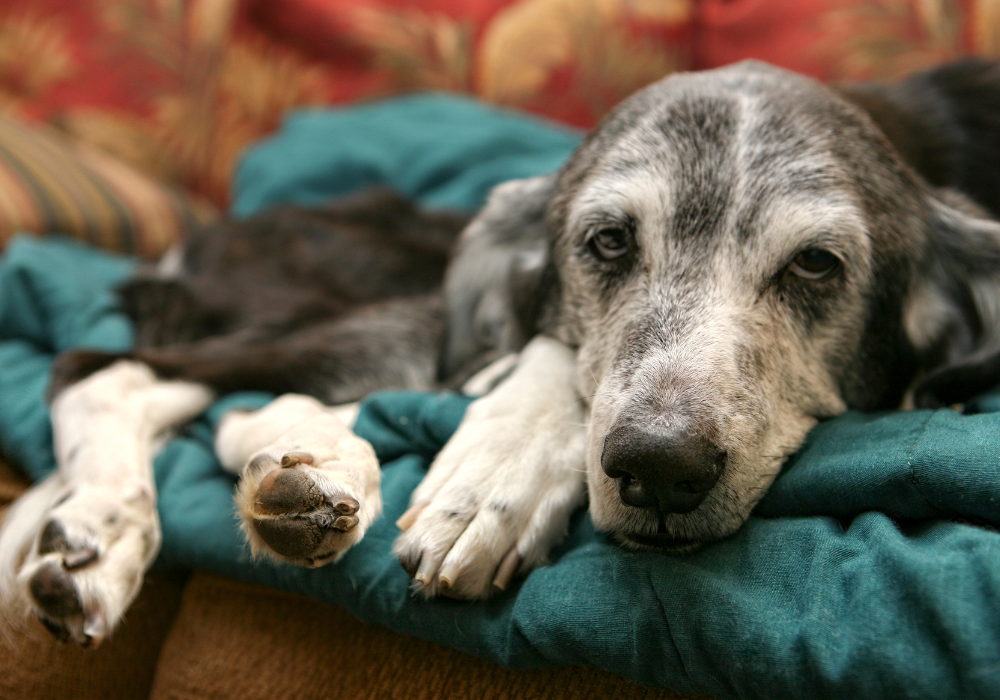
Many dog owners say they sense something has changed before they ever hear difficult news from a veterinarian. As dogs near the end of life, subtle shifts in behavior, routines, and connection often appear first.
These changes aren’t mystical, but they aren’t random either. Veterinarians say aging dogs and those with serious illness frequently show recognizable patterns as their bodies slow down.
Understanding these signs can help owners respond with patience, comfort, and presence during an emotional time. While every dog is different, certain behaviors tend to appear again and again in a dog’s final stage of life.
1. Dogs often sense physical changes before owners do

Dogs are highly attuned to changes inside their bodies. Long before symptoms become obvious, discomfort, fatigue, or pain can alter how a dog moves, rests, or responds to stimulation.
Owners may notice small shifts first, such as slower reactions or hesitation during routine activities. These early changes are often subtle and easily dismissed, but they can mark the beginning of a deeper physical transition. Many veterinarians say this awareness often appears before any formal diagnosis.
2. Daily routines may quietly start to unravel

As dogs feel weaker, routines that once brought excitement can become exhausting. Walks may shorten, playtime may pause, and meals may take longer to finish.
These changes usually happen gradually, which makes them easy to overlook. But when familiar habits begin fading without a clear cause, it can signal that a dog is conserving energy as its body slows. Owners often mistake this for simple aging at first.
3. Sleep patterns often change noticeably

Dogs nearing the end of life frequently sleep more during the day and wake less often at night. Their bodies require additional rest as energy becomes harder to sustain.
Some dogs may seem restless despite sleeping more, shifting positions or waking briefly. These changes reflect internal discomfort or metabolic changes rather than simple aging or boredom. Sleep becomes less restorative during this phase.
4. Appetite can decrease or become selective

Loss of appetite is common as dogs approach the final stage of life. Food that once sparked excitement may be ignored or eaten only in small amounts.
This is not stubbornness or behavioral regression. As the body redirects energy away from digestion, hunger cues weaken, making eating less appealing or physically uncomfortable. Owners often notice weight loss soon after.
5. Dogs may withdraw from stimulation

Many dogs become less interested in toys, visitors, or noisy environments. Sounds and movement that once felt normal can suddenly feel overwhelming.
This withdrawal is often a coping response. Reducing stimulation helps conserve energy and maintain comfort as physical reserves decline and sensory tolerance narrows. Calm environments often feel safest during this stage.
6. Clinginess or distance can increase unexpectedly

Some dogs suddenly seek constant closeness, following owners from room to room or resting nearby. Others do the opposite, choosing quiet, isolated spaces instead.
Both responses are normal. Dogs that cling may be seeking reassurance and warmth as their bodies weaken. Dogs that withdraw may be instinctively protecting themselves from stress.
Neither behavior means a dog has “given up.” These shifts reflect instinctive self-regulation during physical decline. Owners often notice these changes happening quickly.
7. Changes in breathing may appear

Breathing patterns can shift as dogs near the end of life. Owners may notice shallower breaths, longer pauses, or occasional labored breathing.
These changes often occur during rest and may come and go. While concerning to witness, they usually reflect the body adjusting to reduced oxygen efficiency rather than sudden distress. Monitoring comfort becomes more important.
8. Awareness of surroundings may fluctuate

Some dogs appear less responsive to voices or movement, while others seem unusually alert for brief periods. Awareness may come in waves rather than remaining constant.
This fluctuation can be emotionally confusing for owners. A dog may seem present one moment and distant the next, reflecting neurological and metabolic changes rather than confusion or fear. These shifts are often temporary.
9. Physical weakness becomes more visible

Standing, climbing, or repositioning may require assistance. Muscles weaken, balance fades, and coordination declines as the body conserves remaining energy.
These changes often accelerate near the end. Providing support, soft bedding, and help with movement can significantly reduce discomfort during this stage. Small adjustments can make daily life gentler.
10. Dogs often choose familiar resting places

Many dogs gravitate toward favorite spots, such as a bed, a sunny patch, or a quiet corner. These spaces provide emotional and physical comfort.
Choosing familiarity is not withdrawal from owners. It reflects a desire for safety and predictability during a time when the body feels increasingly uncertain. Owners often choose to sit nearby.
11. Emotional connection may intensify

Some owners report deeper eye contact, calmer presence, or longer moments of quiet companionship. These interactions often feel different from everyday bonding.
While not intentional signaling, these moments reflect a dog’s instinct to remain close and calm as physical needs outweigh playful behavior or stimulation. Many owners later remember these moments clearly.
12. The final signs focus on comfort, not fear

Near the very end, dogs typically become still, sleep deeply, and respond less to their environment. This stage is usually quiet rather than distressing.
Veterinarians note that the body naturally releases chemicals that promote calmness. Understanding this can help owners focus on comfort, presence, and reassurance rather than fear or urgency. Being present often matters most.