
Cremation isn’t always the greenest choice—new research compares burial methods by their real environmental impact.

Most people don’t give much thought to what happens after they’re gone. When they do, cremation often feels like the simplest and most environmentally responsible option. It’s common, familiar, and widely seen as cleaner than burial.
But that assumption doesn’t always hold up. When researchers look closely at emissions, energy use, land impact, and long-term effects on the environment, the picture becomes more complicated. Some methods that seem “natural” can carry hidden costs.
As greener alternatives gain attention, families are starting to ask tougher questions. Which choices actually reduce harm to the planet, and which ones just feel better on the surface? The answers may not line up with what most of us have always believed.
1. The question nobody wants to Google until they have to

Most of us try to be decent to the planet in daily life, then we hit one final decision we’ve never practiced: what happens to our bodies. Suddenly you’re comparing flames, vaults, water, and even “compost,” and it all feels like shopping while grieving.
The helpful part is that the “best” option usually isn’t the newest gadget. It’s the one that uses the fewest materials, the least energy, and leaves the least behind, so your last act of care doesn’t quietly create a new problem.
2. Traditional burial’s hidden “stuff” problem
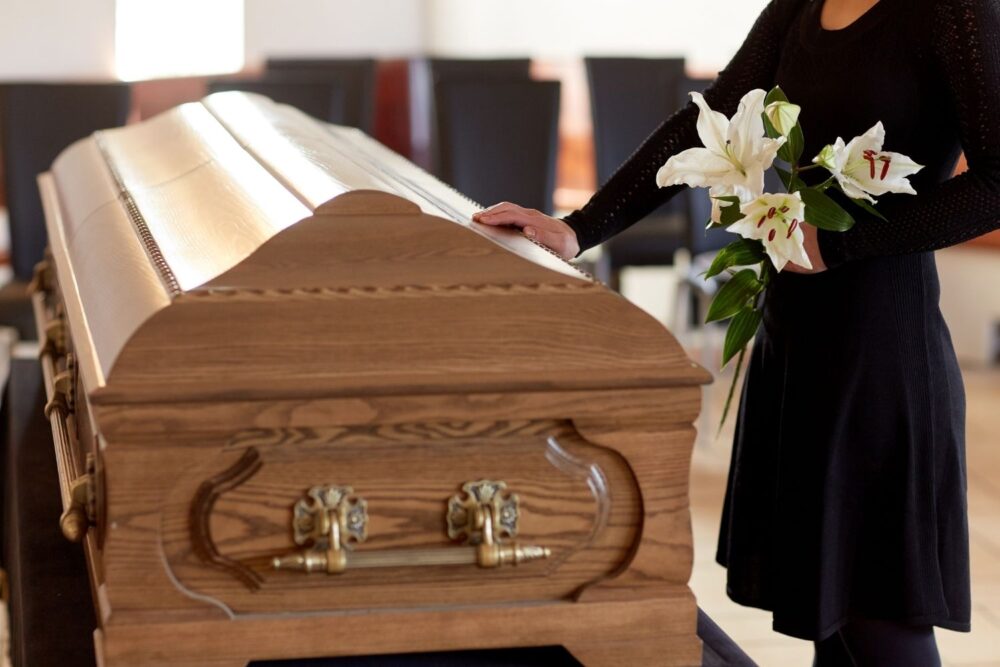
Conventional burial looks peaceful, but it’s often a heavy industrial project for most families. Embalming fluids, hardwood or metal caskets, and concrete or fiberglass vaults all require manufacturing, mining, and shipping before the cemetery even opens.
Then there’s the long tail: mowing, watering, fertilizers, and landscaping for years. Add land disruption to all that material, and the “classic” option can rack up a surprisingly big footprint, even if it feels familiar, respectful, and rooted in family tradition for generations and generations.
3. Cremation feels cleaner, but the smoke has a footprint
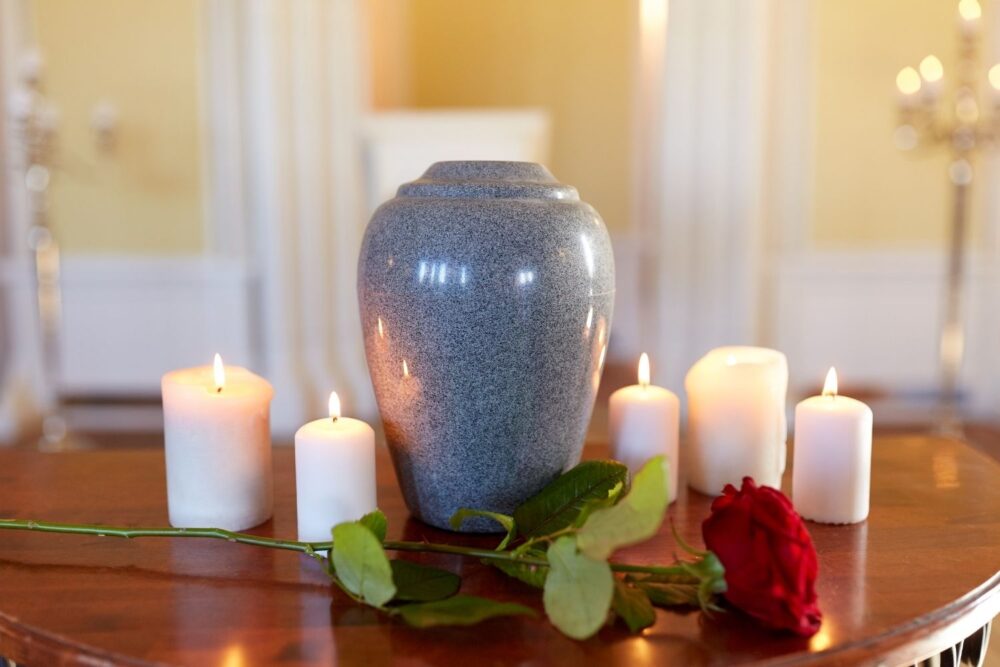
Cremation is popular because it’s straightforward and often cheaper than a full burial. In the U.S., the cremation rate has been projected at about 61.9% for 2024, and it continues to climb each year.
But convenience has tradeoffs: burning fuel, carbon emissions, and the release of mercury from dental fillings. Even what happens after—scattering ashes in sensitive places—can create environmental issues if it’s done carelessly, without permission, or in ways that harm waterways.
4. When ritual meets climate math
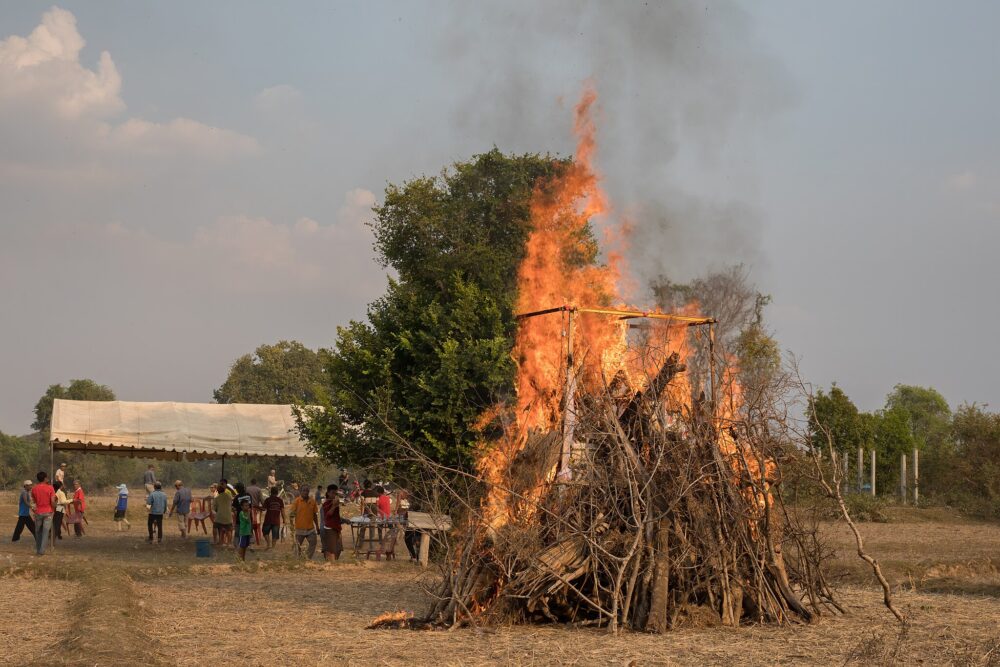
In some cultures, cremation isn’t just a choice; it’s a sacred duty. That’s why the environmental numbers from open-air funeral pyres can be startling: one study estimated roughly 880–1,100 pounds of wood per body, releasing about 500–600 kilograms of CO₂.
The point isn’t “stop traditions.” It’s that traditions can adapt with cleaner fuels, improved systems, and options that honor ritual without intensifying deforestation, smoke, and local air pollution for nearby communities that are already breathing enough.
5. Aquamation sounds gentle—then the fine print shows up

Aquamation (also called alkaline hydrolysis) uses heated water and an alkali solution to break down soft tissue, leaving bones behind. It’s legal in many states and is often marketed as a gentler, lower-emissions alternative for families who dislike the idea of flames.
Even so, it’s not magic. Experts note emissions may be about 20% lower than flame cremation, but the process can create 100–300 gallons of liquid waste routed into wastewater systems. So it can be greener in one lane and complicated in another.
6. Human composting: the buzzword that still leaves leftovers
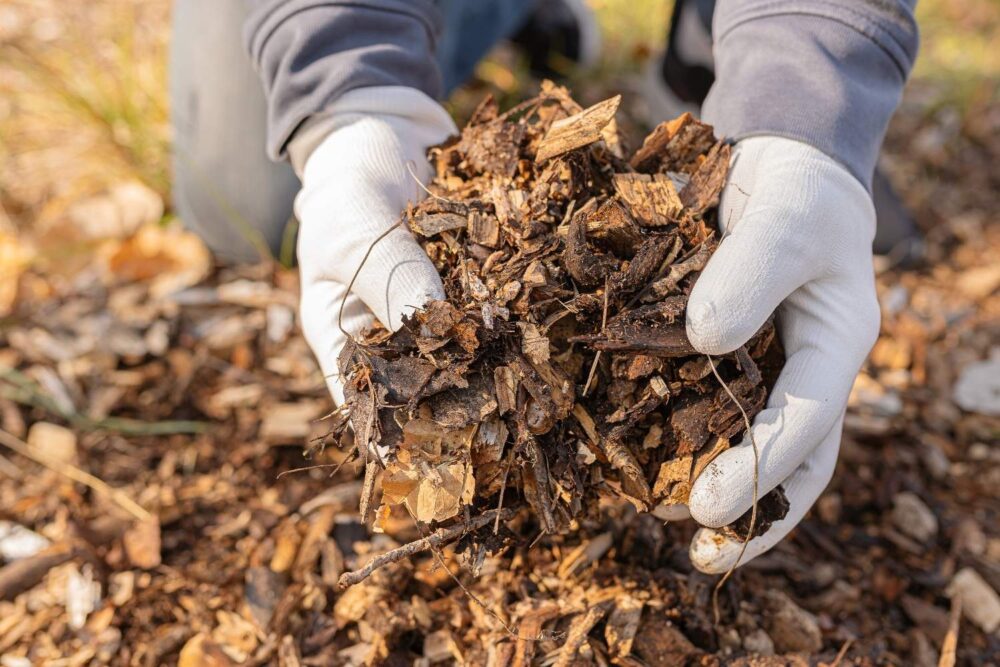
Human composting (natural organic reduction) sounds like the perfect modern fix: no flames, no vaults, no marble. A body goes into a vessel with materials like wood chips, straw, and alfalfa, and microbes break it down over roughly 60 days.
Here’s the catch: it still produces a lot of material that must be managed afterward, about a cubic yard to a yard and a half per person. Some of that can be unfinished wood chips, roughly three-quarters of a ton.
And the inputs have footprints too. If the added plant material is grown in water-stressed regions or shipped long distances, the “green” benefit depends on the supply chain, not the buzzword.
7. Why “green” labels can be marketing, not meaning
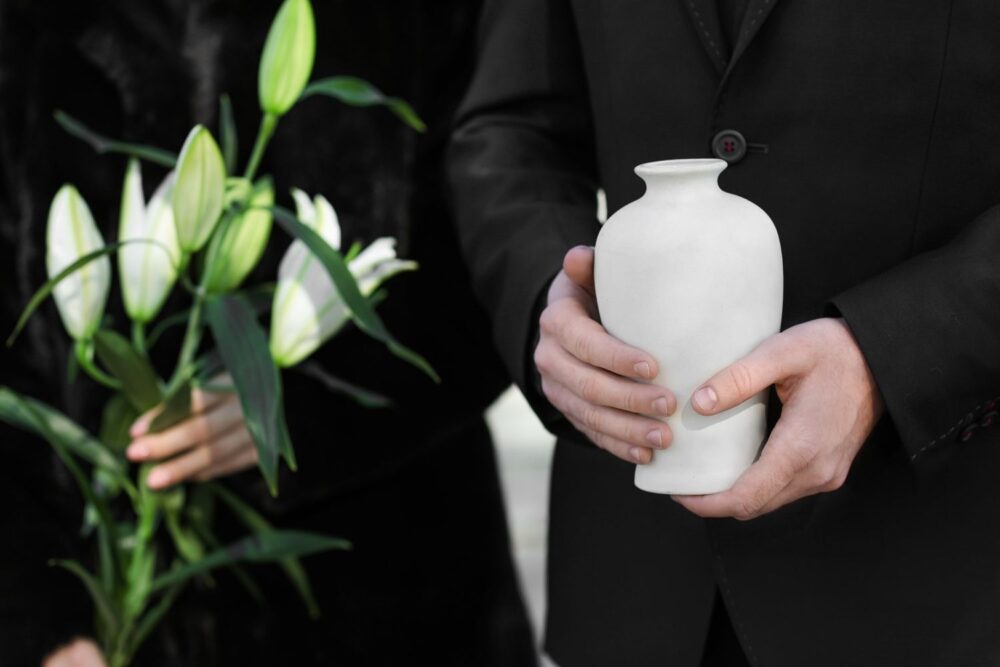
“Eco-friendly” can mean very different things in the funeral world. One method might reduce air pollution but raise wastewater concerns. Another might avoid chemicals but rely on transported materials, mined inputs, or specialized equipment.
A smart rule is to ask, “What are the inputs, and what’s left afterward?” If the answer involves concrete, industrial chemicals, or big hauling trips, it may be greener than the old way, but it might not be as green as the brochure makes it sound.
8. The simplest option is also the oldest
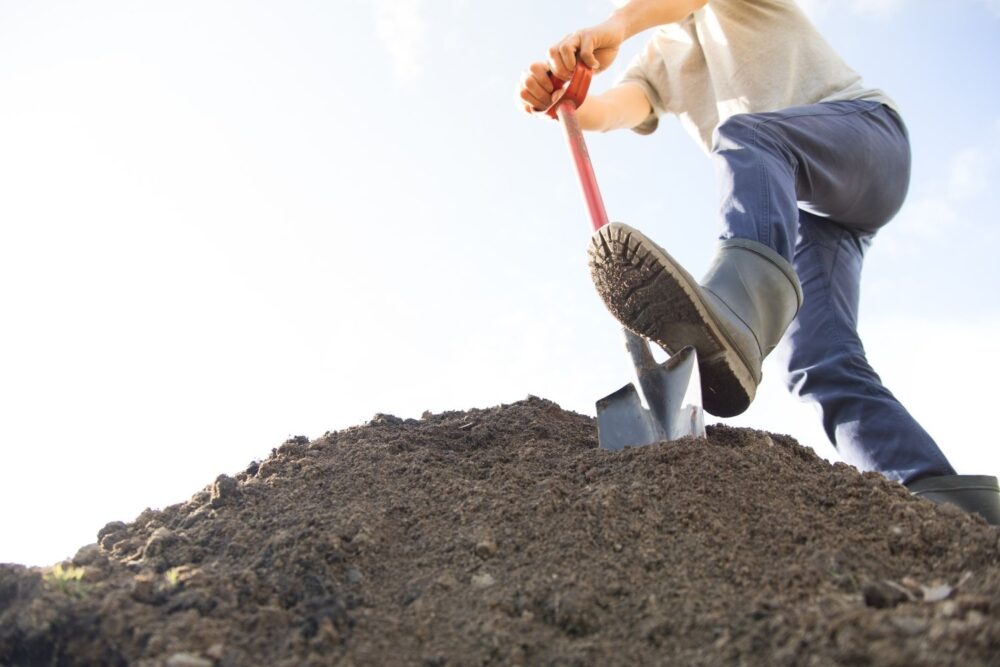
After all the new options, many experts still land on a surprisingly old-school answer: natural burial. That means body-to-earth decomposition with no embalming, no vault, and no materials designed to block nature from doing what it does.
A life-cycle assessment cited by experts found natural burial consistently carries the lowest overall environmental “price tag” because it avoids high energy use and heavy manufacturing. Sometimes “simpler” is the real innovation, and it’s available in every state today, right now.
9. What natural burial actually looks like on the ground
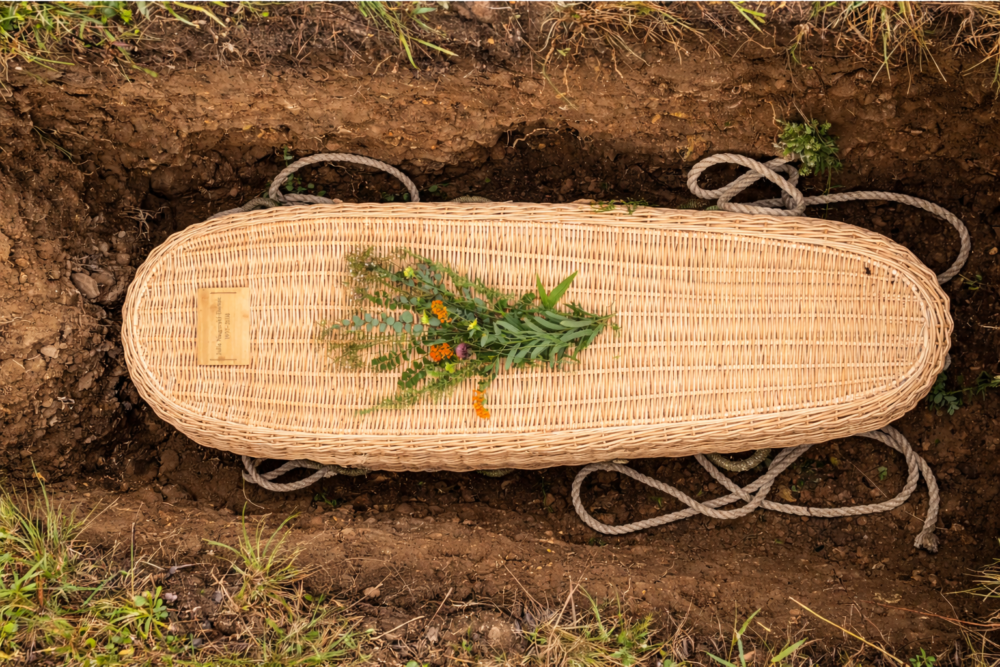
Natural burial isn’t the spooky movie version of a grave. It’s typically a shroud or simple biodegradable container, placed directly into the soil, often around 3.5 to 4 feet deep, so microbes can do their work.
Because there are no vaults or chemical preservatives, there’s no leftover effluent to manage and far less material overall. For many families, that simplicity is emotionally grounding, too: it feels like returning to the earth instead of sealing someone away from it.
10. The cemetery shift you might start seeing near you

You don’t necessarily need a special “hippie cemetery” to choose something greener. Many conventional cemeteries are adding designated sections for lower-impact burials, sometimes called hybrid models, so families can keep familiar traditions close to home.
That matters because it makes the option easier for people who want a marked grave, but not the vault-and-embalming package. Over time, these sections can also help preserve land by reducing infrastructure, lowering chemical use, and encouraging more natural management practices in the same community.
11. The practical checklist for a lower-impact goodbye
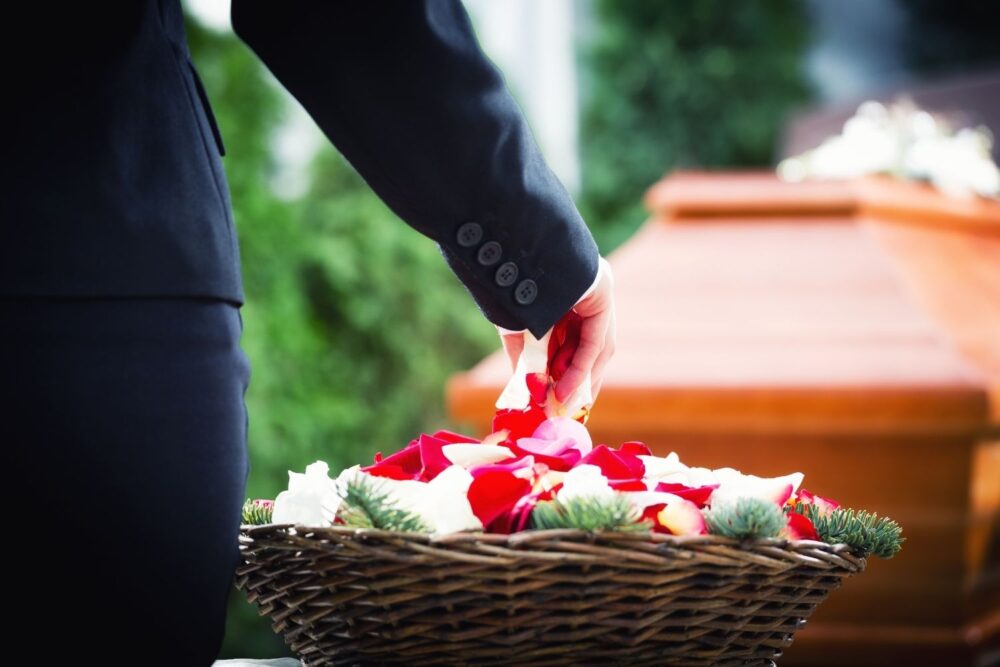
If you want a lower-impact goodbye, focus on choices you can control. Ask about skipping embalming, avoiding a vault, and using a biodegradable shroud or simple wood container. If cremation is preferred, ask about efficiency and emissions controls.
Then ask what happens after: Where do ashes go? Where does liquid waste go? Where does composted material go? The best plan is the one with fewer materials, fewer surprises, and clear answers to those “after” questions—before you’re making decisions under stress.