
Experts warn the supervolcano could unleash global chaos in days.
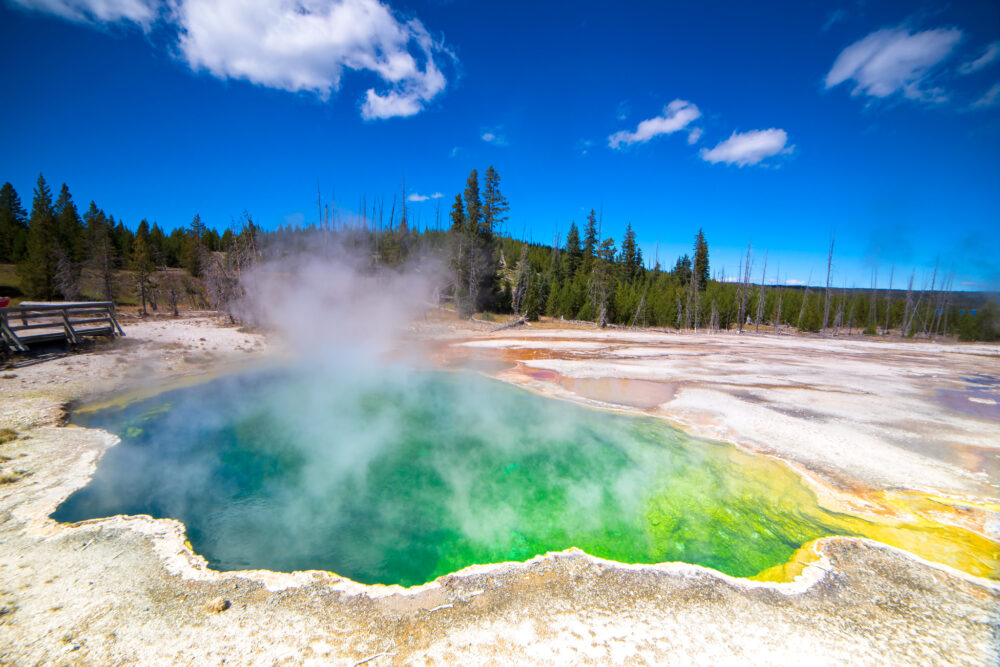
Most people think of Yellowstone as a stunning national park, but beneath its beauty lies one of Earth’s most powerful supervolcanoes. Scientists say if it erupted, the blast wouldn’t just affect Wyoming—it could disrupt life across the globe. Ash clouds might block sunlight, food systems could collapse, and modern life as we know it would face an unprecedented crisis. While the odds of such an eruption happening soon are low, experts agree the consequences would be nothing short of catastrophic.
1. The Blast Would Be Bigger Than Any Modern Eruption

Scientists estimate a full-scale Yellowstone eruption could release thousands of times more material than Mount St. Helens in 1980. The explosion would send molten rock, ash, and toxic gases skyward in an instant, reshaping the landscape forever.
Unlike typical volcanic eruptions, a supervolcano can alter entire continents. The initial blast alone could destroy everything for miles, leaving behind craters and a barren wasteland. It would mark the most violent natural event in recorded human history, setting the stage for global disruption that few societies are prepared to face.
2. Ash Would Blanket Much of the United States
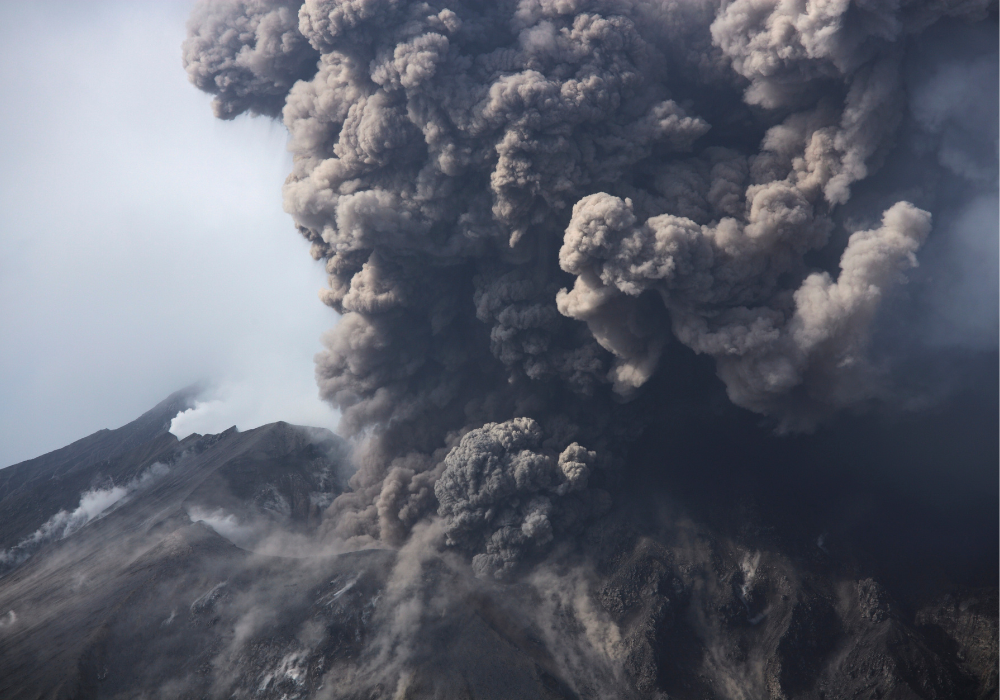
Volcanic ash is more than just dust—it’s fine, razor-sharp particles of rock and glass. Scientists predict that within hours, much of the western and central United States could be coated in layers of ash several feet thick.
Airports would shut down, crops would be smothered, and power systems would fail under the crushing weight. Even places thousands of miles away could experience hazardous ashfall. Breathing would become dangerous, water supplies would be poisoned, and cleanup could take decades. The country’s infrastructure would struggle to withstand the sheer scale of devastation.
3. Sunlight Could Be Blocked for Years
When volcanoes erupt, they release sulfur dioxide and other gases high into the atmosphere. These chemicals reflect sunlight, creating a global cooling effect known as a “volcanic winter.”
If Yellowstone erupted, the skies could darken worldwide, and average global temperatures might drop by several degrees. Agriculture would suffer massive losses as growing seasons shortened and sunlight became scarce. This chilling effect has been observed after smaller eruptions, like Mount Tambora in 1815, which led to the infamous “Year Without a Summer.” Yellowstone’s impact would be far more severe.
4. Food Supplies Would Collapse Quickly

The disruption of agriculture would cause global food systems to fail. Ash-covered fields in North America would stop producing, while volcanic winter conditions would cripple farms around the world.
Grain reserves would run out in months, sparking mass hunger and unrest. The global food trade would grind to a halt as nations hoarded what little supply remained. Livestock would die from poisoned water and contaminated feed. Scientists warn that famine could affect billions of people, making food scarcity one of the deadliest long-term consequences of a Yellowstone eruption.
5. The U.S. Economy Would Face Immediate Collapse
The United States would be hit hardest, both geographically and economically. Trillions of dollars in infrastructure, agriculture, and industry could be lost overnight. Millions of jobs would vanish, and entire regions could become permanently uninhabitable.
Financial markets would crash worldwide as supply chains collapsed. Insurance systems would be overwhelmed, and government aid would fall short of the colossal need. Economists believe it could take generations for the U.S. economy to recover—if recovery were even possible. The eruption would mark one of the greatest financial disasters in human history.
6. Billions Could Struggle to Survive Globally
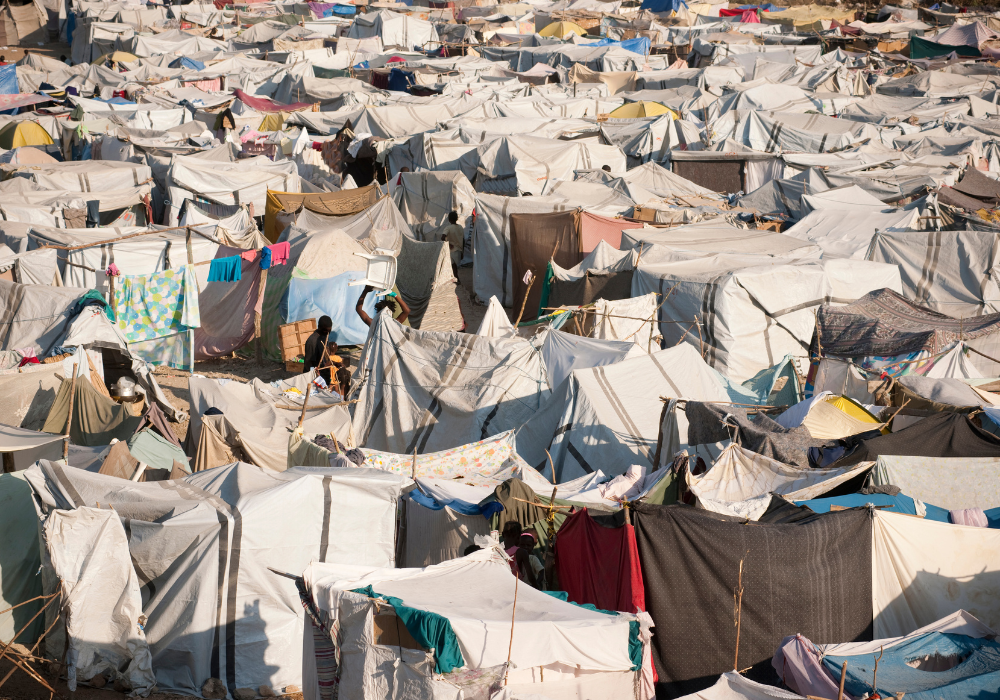
The effects wouldn’t stop at America’s borders. As food and resources dwindled, billions of people worldwide would face starvation, disease, and displacement. Global trade networks would crumble under the weight of disrupted agriculture and blocked transport routes.
Developing countries, already vulnerable to food shortages, would suffer the most. Even wealthy nations would face riots and unrest as supplies disappeared. Experts warn that international cooperation could break down, with countries turning inward in desperation. The eruption could trigger a humanitarian crisis on a scale never seen before.
7. Air Travel Would Become Nearly Impossible
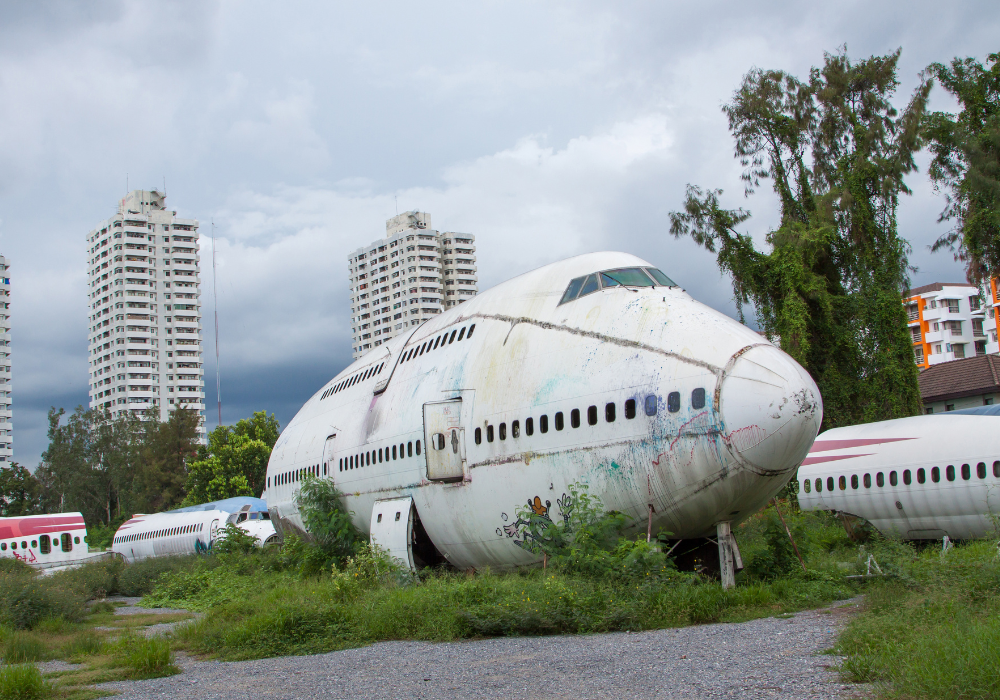
Ash clouds can cripple jet engines, making flying through them deadly. After past volcanic eruptions, flights were grounded across entire continents. A Yellowstone eruption would release ash so widespread that global air travel could be shut down for months or even years.
This collapse of aviation would sever global supply lines, halt international travel, and leave millions stranded. Emergency aid would be nearly impossible to deliver, further deepening the humanitarian crisis. The skies themselves would become a lethal hazard, cutting off the modern world’s most critical connection points.
8. Climate Shifts Could Last for Decades
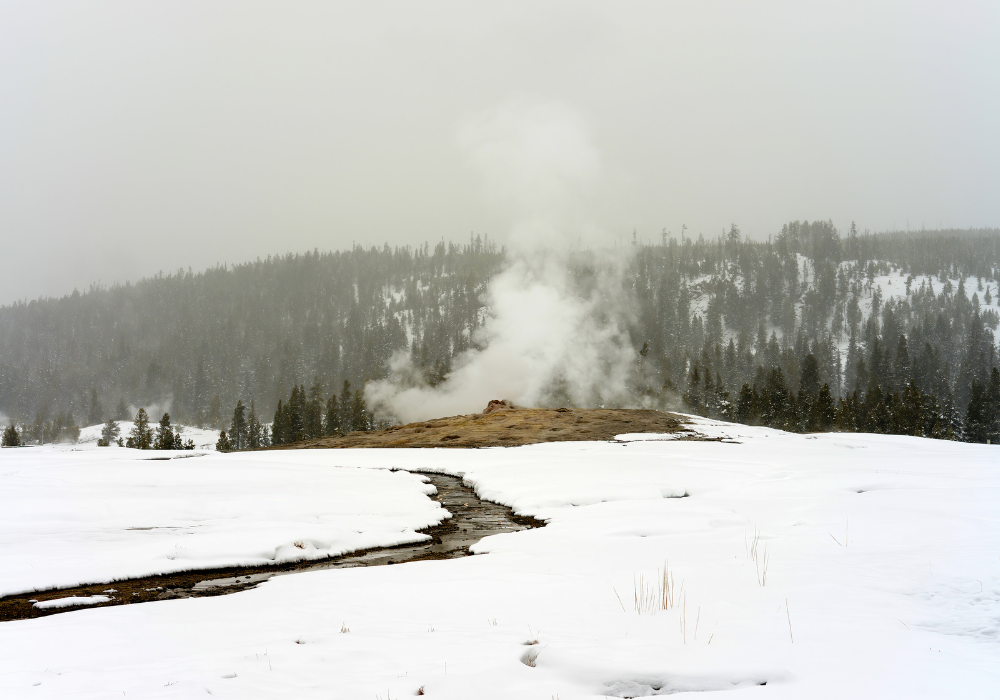
The volcanic winter triggered by Yellowstone would not be a short-term event. Scientists estimate global cooling could last for a decade, with weather patterns taking centuries to fully recover.
This would mean longer winters, failed harvests, and persistent storms in regions unaccustomed to such extremes. The delicate balance of ecosystems would unravel as plants and animals struggled to adapt. Entire habitats could collapse, pushing countless species toward extinction. For humanity, the long-term climate chaos would make survival a daily battle.
9. Entire Regions of the U.S. Would Become Unlivable
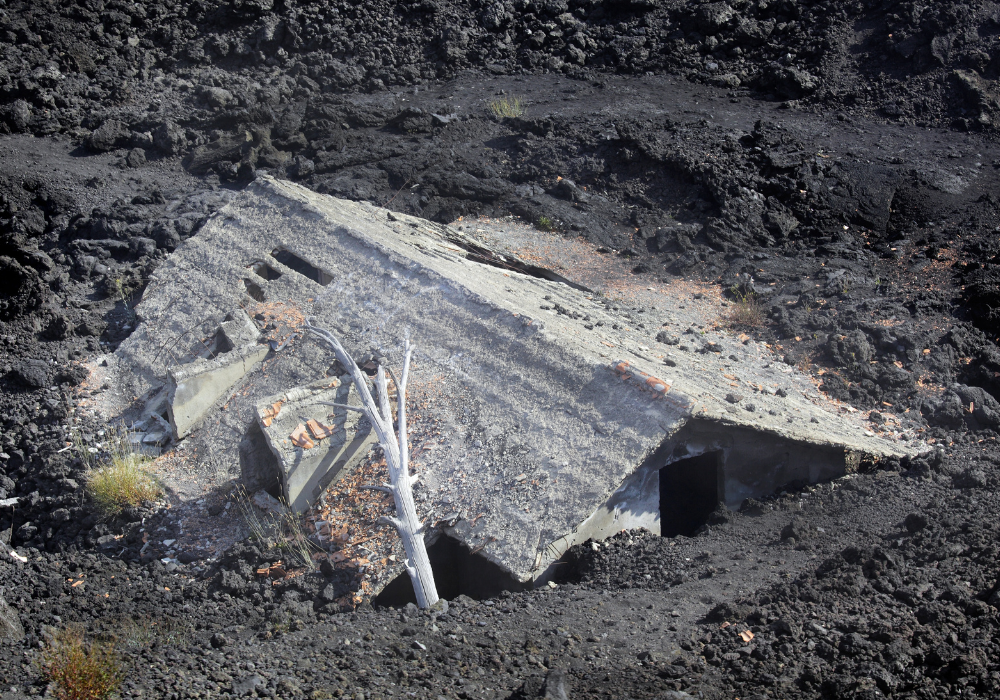
The immediate blast zone around Yellowstone would be annihilated, but the destruction would ripple far beyond. States like Wyoming, Montana, and Idaho would be buried under ash and rendered permanently unsafe for habitation.
Cities hundreds of miles away could face partial collapse as ash clogged water systems and crushed infrastructure. Even states untouched by direct fallout would suffer as resources dwindled and populations migrated. The U.S. would be forced into a massive reshuffling of where and how people could survive.
10. Global Power Structures Could Shift Overnight
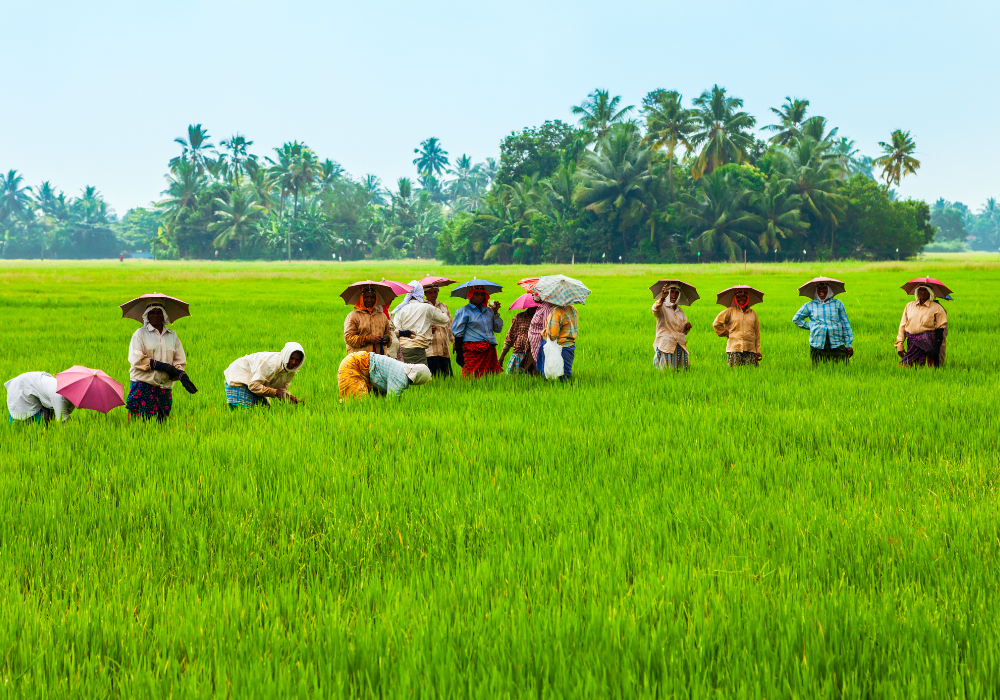
Nations with surviving farmland and resources would suddenly hold immense power. Countries less affected by the eruption might become the new centers of global influence as others struggled to endure.
This sudden shift could ignite wars over scarce supplies. Long-standing alliances might fracture, replaced by desperation-driven conflicts. The Yellowstone eruption would not only devastate the natural world but could also redraw the political map in ways that permanently alter the course of human history.
11. Humanity Could Face an Extinction-Level Threat
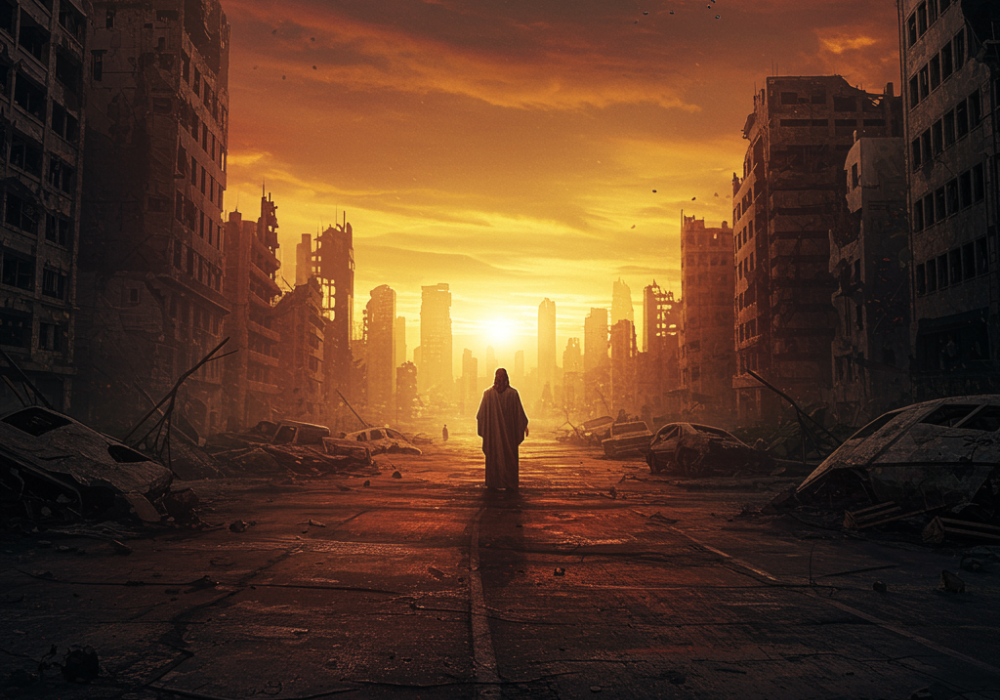
While scientists stress that not every Yellowstone eruption would be apocalyptic, the worst-case scenario could threaten human survival itself. If the volcanic winter lasted too long, food production might never recover, and populations could collapse.
This possibility has led some researchers to label Yellowstone an “existential risk” to humanity. Though the odds of such an eruption happening in our lifetimes are low, the scale of devastation makes it one of the most frightening natural threats on Earth.
12. Why Scientists Say It Probably Won’t Happen Soon
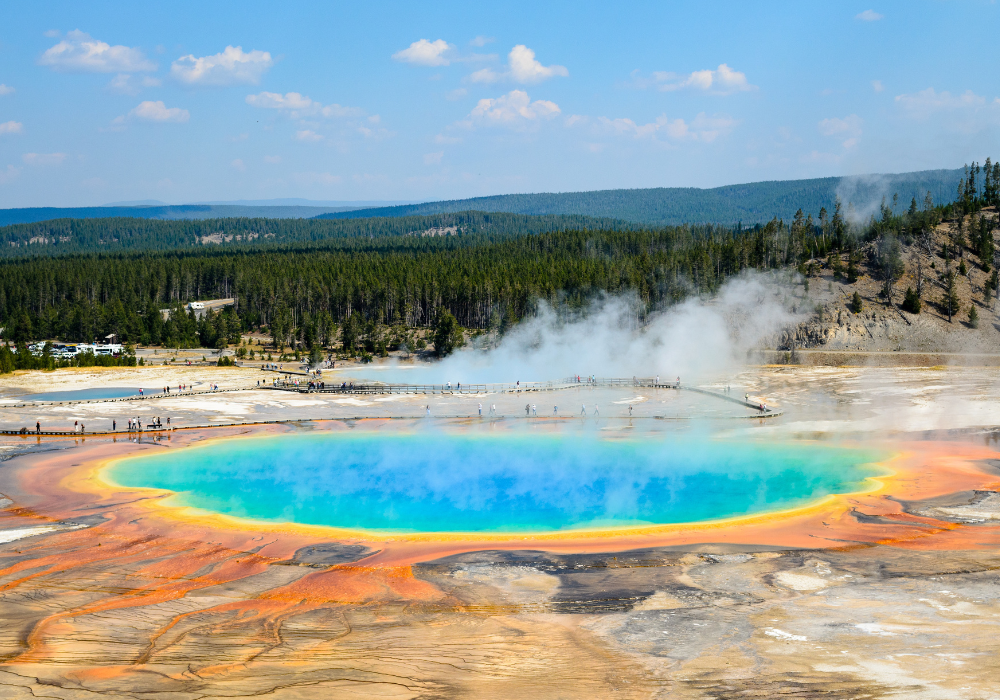
The good news is that geologists monitor Yellowstone constantly, and current data shows no signs of an imminent eruption. The volcano has erupted only three times in the last 2.1 million years.
Most experts believe smaller eruptions or geothermal activity are far more likely than a catastrophic blow. Still, the possibility remains, and studying Yellowstone helps scientists prepare for future volcanic threats. For now, humanity can breathe a little easier—but Yellowstone reminds us how fragile our existence truly is.