
Experts outline the terrifying chain of events that could unfold within a single day of nuclear conflict.

Within minutes of a nuclear exchange, the world would plunge into chaos. Military analysts say the first 24 hours after a nuclear strike would determine the fate of millions—and possibly civilization itself. Global communication networks would collapse, governments would scramble to respond, and radiation would spread through major population centers. Scientists warn that even a “limited” conflict could unleash mass casualties, trigger firestorms, and send shockwaves through the planet’s atmosphere within a single day.
1. The First Minutes: Blinding Flashes and Instant Destruction
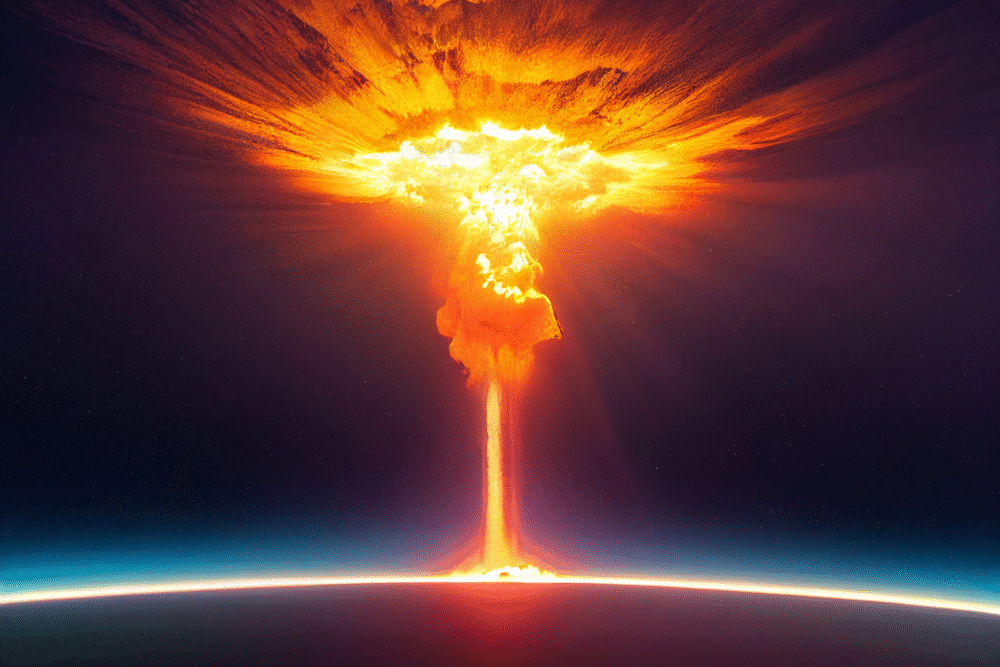
Within seconds of detonation, temperatures at ground zero would reach several million degrees Fahrenheit—hotter than the surface of the sun. The explosion would vaporize everything within the immediate blast radius.
Shockwaves traveling faster than sound would level buildings, ignite fires, and create a fireball visible for hundreds of miles. In a large city, hundreds of thousands could die instantly, while millions more would suffer burns, radiation exposure, and trauma in the surrounding areas.
2. Communication Networks Would Collapse Almost Immediately

Nuclear detonations generate electromagnetic pulses (EMPs) strong enough to disable most unshielded electronics. A single high-altitude blast could disrupt power grids, internet servers, GPS systems, and emergency communications across an entire continent.
Governments and militaries rely on hardened facilities and satellite backups, but civilian infrastructure would be largely paralyzed. In many regions, phones, radios, and even hospital equipment could stop working within seconds of the first explosion.
3. Governments Would Move to Identify the Attacker

Within minutes, military radar and satellite systems would track missile trajectories to identify the origin of the strike. Command centers in the United States, Russia, and other nuclear powers are built to confirm launches and determine whether to retaliate.
This process involves automated warning networks and rapid communication with top officials. Analysts say miscommunication or delayed verification in these early moments could determine whether a conflict stays regional—or escalates into a full-scale global exchange.
4. Retaliation Decisions Could Happen in Under 15 Minutes
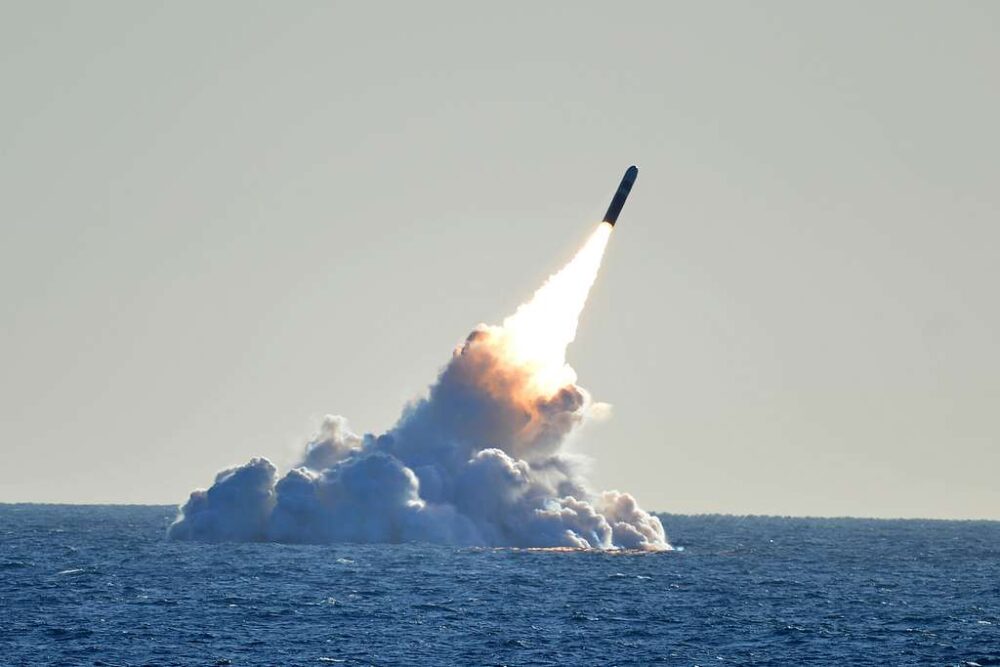
Nuclear-armed nations maintain strict “launch-on-warning” protocols, meaning they can respond before an incoming strike even lands. Commanders have only minutes to confirm data and authorize counterstrikes.
Experts warn that in a real crisis, political leaders might have less than 10 minutes to make a decision that could decide the fate of millions. The pressure to act quickly leaves almost no room for diplomacy or verification errors.
5. The First Waves of Radiation Would Spread Quickly

Within the first hour, radioactive particles would begin falling over large areas downwind of the explosion. Fallout consists of microscopic debris coated with radioactive isotopes such as cesium-137 and strontium-90, which can remain dangerous for decades.
People outdoors during this period would face lethal radiation exposure. Those who reach basements or underground shelters could survive, but the level of protection depends on building materials, depth, and air filtration systems.
6. Medical Systems Would Be Overwhelmed

Hospitals and emergency services would be inundated within hours. Burns, blast injuries, and radiation sickness would far exceed the capacity of medical staff and supplies. Power outages would make it difficult to sterilize equipment or keep patients alive.
Even in countries not directly hit, global supply chains for medicines and equipment would break down. Experts estimate that in the aftermath of a single nuclear detonation in a major city, tens of thousands of survivors could go untreated.
7. Panic and Mass Evacuations Would Paralyze Cities
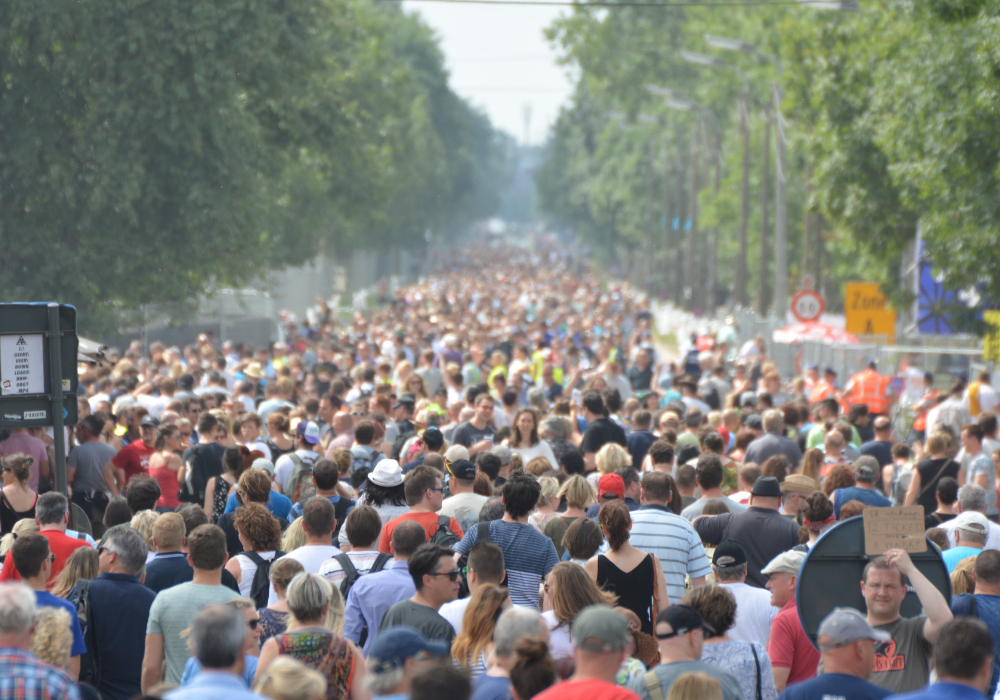
If multiple detonations occurred, chaos would spread instantly. Millions of people would try to flee urban centers, clogging highways and overwhelming fuel supplies. Panic could erupt in regions hundreds of miles away from the initial targets.
With communications crippled, misinformation would flourish. False alarms, rumors of additional strikes, and social media chaos could trigger further panic. In many areas, authorities would struggle to maintain any form of public order.
8. Fires Would Merge Into Massive Storm Systems

The intense heat from nuclear explosions can ignite entire city blocks. In larger detonations, these fires can merge into “firestorms” that create their own wind systems, pulling oxygen inward and spreading flames across miles.
Scientists studying Hiroshima and Nagasaki found that temperatures during firestorms exceeded 1,800°F, consuming everything combustible. Modern cities with dense fuel loads and flammable infrastructure could experience even greater destruction and loss of life.
9. The First 12 Hours: Global Military Alerts and Retaliatory Strikes

Once a nuclear weapon is used, other nations’ armed forces would immediately raise their alert levels. The U.S., Russia, China, and NATO maintain systems designed to detect and respond to additional launches.
If multiple countries perceived incoming threats, the result could be a cascade of retaliatory strikes across continents. In this window, the world would face the greatest risk of escalation into a full-scale global exchange.
10. By the 18th Hour: Radiation, Fallout, and Blackouts Spread Worldwide

As the planet’s winds circulate radioactive dust, fallout would begin drifting across borders and oceans. Power plants, refineries, and transportation hubs damaged by EMPs or shockwaves would worsen blackouts and food shortages.
Even areas far from initial targets could experience acid rain, contaminated water, and air pollution. Satellite data and global monitoring networks would detect radioactive plumes within hours, forcing nations to prepare emergency responses.
11. The 24-Hour Mark: A Planet on the Brink

By the end of the first day, the world would face cascading humanitarian and environmental crises. Hundreds of cities could be without power, millions displaced, and communication networks shattered.
Experts warn that a large-scale nuclear exchange would likely trigger further launches, panic-driven retaliation, and potential collapse of global governance. What happens beyond that point—the onset of nuclear winter or possible ceasefire—would depend entirely on whether leaders could regain control amid unimaginable chaos.
12. Scientists Say Even a “Limited” War Could Be Catastrophic

Modeling studies by Princeton University and the International Campaign to Abolish Nuclear Weapons show that even a small-scale exchange—such as 100 warheads—could kill tens of millions within hours.
Beyond the immediate loss of life, soot from burning cities could block sunlight and cool the planet, disrupting agriculture for years. Experts say the science is clear: even a “limited” nuclear war could end modern civilization within weeks.