
A successful brain upload could transform identity, memory, and human experience in profound ways.
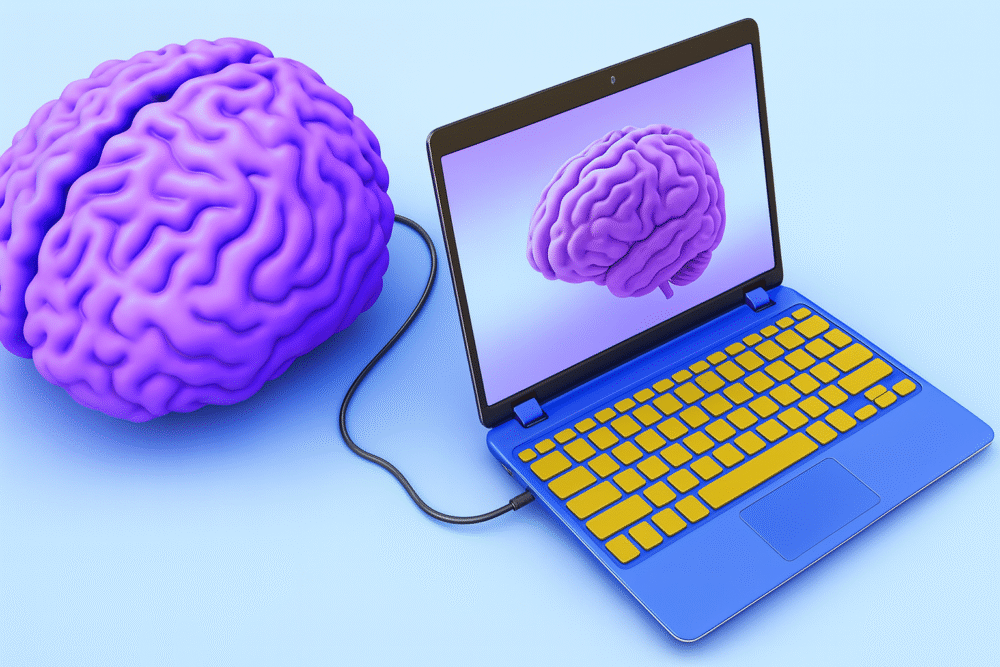
Uploading the human brain involves transferring the mind’s processes and memories into a digital format, a concept that raises complex questions in neuroscience and technology. While it promises preservation beyond biological limits and enhanced cognitive abilities, challenges remain in replicating consciousness authentically. Experts from leading institutions like MIT and Harvard Medical School highlight ethical concerns and the impact on personal identity, emphasizing the need for thoughtful consideration as this technology advances.
1. Personal memories could be preserved beyond natural life span.
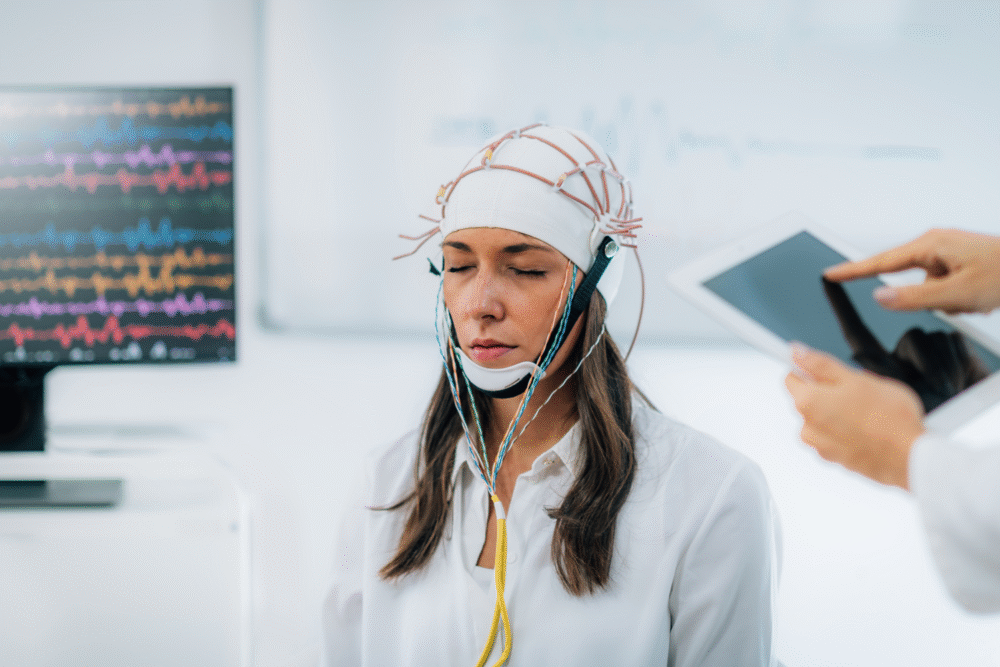
Imagine a world where personal memories could surpass the limits of biological life, stored indefinitely within digital architecture. Brain uploading, a concept that once belonged to science fiction, might allow for the preservation of one’s entire life experiences, potentially shared with future generations or digital entities.
However, memories stored in a digital format could lose the sensory richness that accompanies human recollection. The emotional textures of a childhood park or the sounds of an old melody might emerge altered, filtered through the parameters of technology, rendering a slightly different version of oneself.
2. Consciousness might be transferred into a digital environment seamlessly.
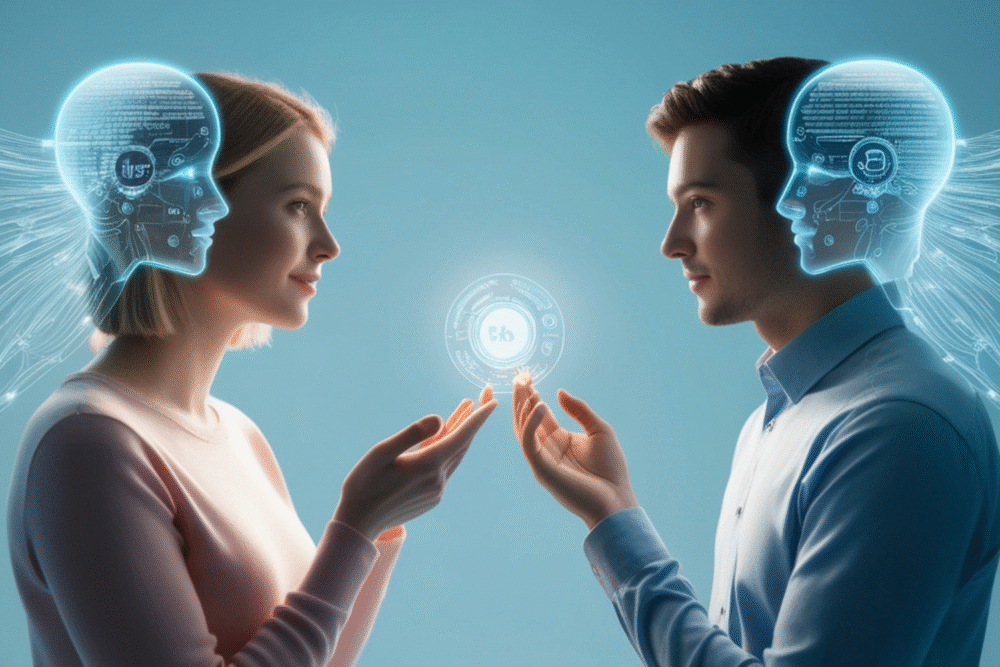
The concept of transferring consciousness into a digital realm hinges on advanced neuroimaging and computational power, promising a seamless transition. If implemented, individuals might navigate virtual landscapes, retaining awareness similar to waking from a vivid dream.
Yet, maintaining continuous self-awareness within a digital environment poses significant challenges. The absence of a physical body could impact sensory perceptions and emotional connections, fundamentally altering how consciousness experiences and reacts to the world, reshaping our understanding of human existence.
3. Identity questions would arise about what defines the self.

When questioned, what defines the self may spark profound identity dilemmas. Without a physical form, the essence of individual identity could become ambiguous, leading to debates about whether a digital copy retains the ‘soul’ of the original.
Distinguishing between the original and digital entities might blur personal, legal, and ethical boundaries. Philosophical intersections between memory, consciousness, and identity could prompt existential inquiries, challenging pre-existing notions of what it means to be human in a post-upload era.
4. Emotional responses could shift due to artificial neural networks.

Emotional responses, rooted in complex neural processes, might undergo significant transformations in artificial networks. Brains interacting with digital interfaces could experience emotions processed differently, shifting the way pleasure, empathy, or fear manifest.
These networks, potentially stripped of organic nuance, could lead to unpredictable emotional dynamics in uploaded minds. Coping with artificial responses may redefine traditional human interactions, as the synthetic interpretation of love or sorrow offers a new dimension to emotional experience.
5. Learning and information processing speeds would increase significantly.
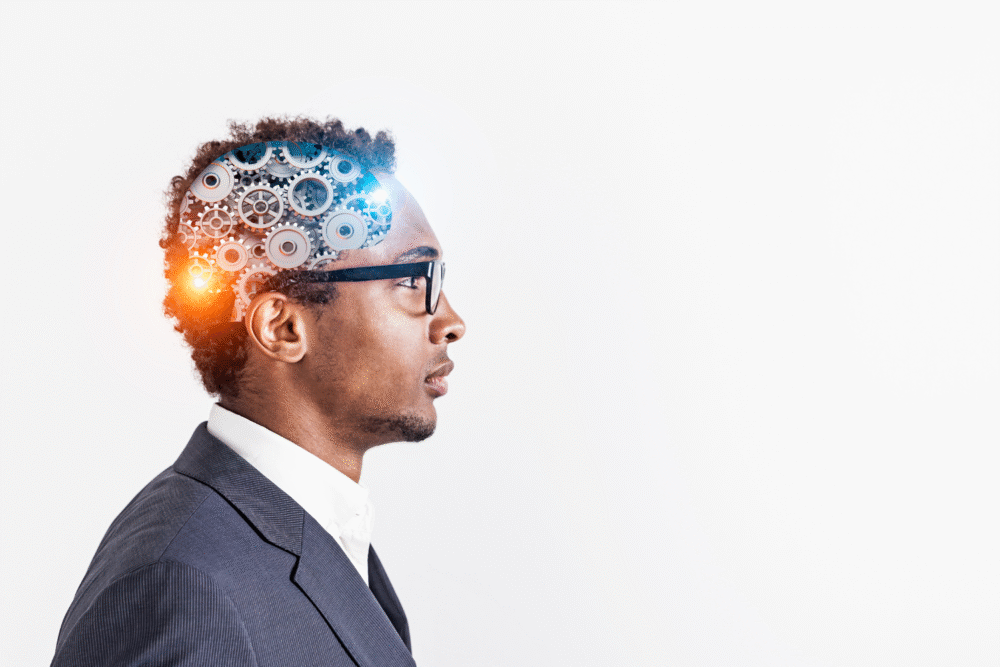
Fascinatingly, the potential for increased learning and processing speeds offers new horizons. In a digitally enhanced brain, accessing vast stores of information with unprecedented speed might become normal, influencing cognitive development and intellectual boundaries.
But while mental capabilities could soar, the rapid pace of information reception might alter attention spans. The depth of understanding could give way to breadth, requiring adaptation to a faster, possibly more superficial, cognitive style.
6. Physical limitations would no longer restrict cognitive experiences.
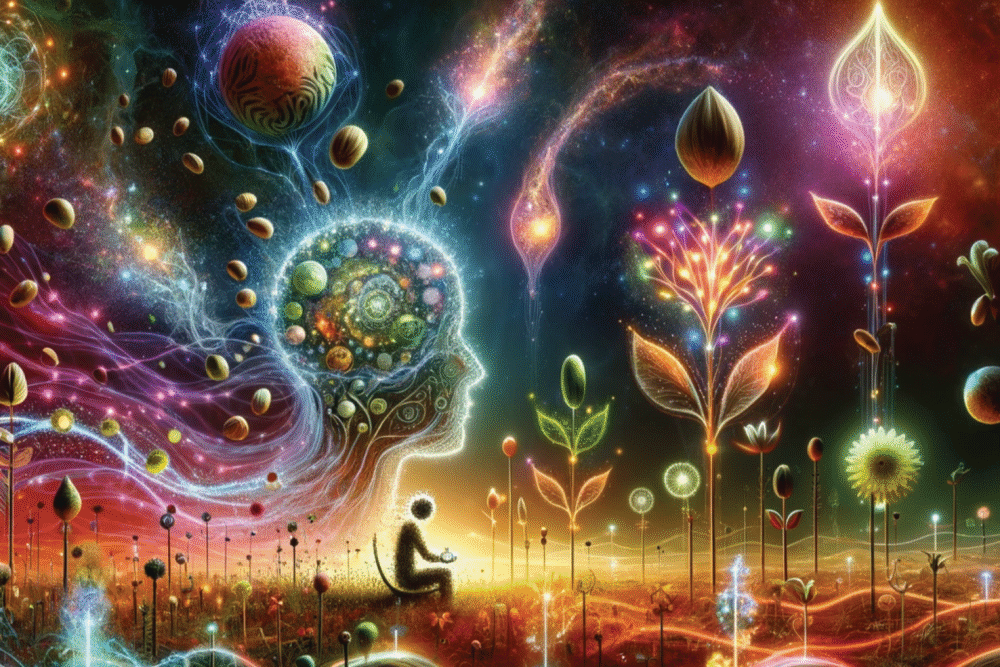
Cognitive experiences could transcend the constraints of physical limitations, opening the mind to uncharted territories. Mental activities once limited by the body—like experiencing flight or deep-sea exploration—might become possible as pure digital impressions.
Yet, the absence of a physical anchor might prompt an existential shift. Activities previously valued for their immersive, tactile nature could morph into purely cerebral experiences, requiring redefinition of fulfillment and satisfaction in mental pursuits.
7. Privacy concerns would intensify with digital mind data storage.

Privacy concerns might amplify as uploaded minds transform into datasets subject to storage, retrieval, and potential breaches. Sensitive personal thoughts and memories, encapsulated in digital form, raise questions about data security and unauthorized access.
Digital consciousness could make individual mental privacy elusive. An arena for cyber ethics emerges, balancing technological advancement with the right to mental sanctity, potentially regulating how mind data is managed and protected worldwide.
8. Social interactions might evolve through virtual or augmented realities.
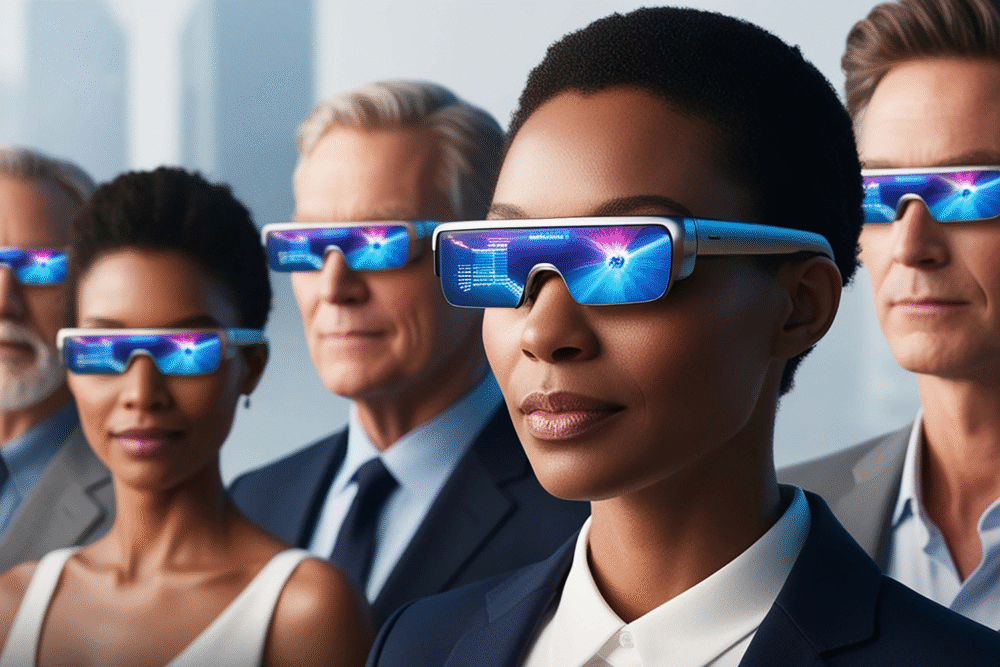
Virtual and augmented realities might revolutionize social dynamics, moving interactions into digitally constructed environments. Such spaces could blend digital avatars with human qualities, connecting individuals on novel sensory planes beyond geographical boundaries.
Interpersonal relationships could gain new dimensions, integrating tactile feedback and nuanced expressions via technology-enhanced interactions. Traditional concepts of community and friendship might evolve, influencing the fabric of human connection across virtual landscapes.
9. Ethical debates would deepen surrounding digital immortality implications.

Ethical debates might reach new depths concerning digital immortality and its societal implications. Detractors often argue about potential disparities in access to life-prolonging technology, while supporters envision a future of eternal knowledge and wisdom.
Contentious issues arise around equality and the moral ramifications of digital life extension. The potentially eternal existence prompts reflections on humanity’s core values and raises polarizing discussions regarding what constitutes a life worth living.
10. Creativity could expand in unprecedented ways with instant idea sharing.

Creativity could expand dramatically with real-time idea sharing, unimpeded by physical or intellectual barriers. Collaboration across diverse minds might spark innovation at rates unheard of, melding art and science in unforeseen ways.
Yet, the velocity of creating could overpower reflection. The sheer influx of novel concepts might overwhelm comprehension, challenging the balance between prolific creative expression and the deliberate, thoughtful maturation of ideas.
11. Psychological effects of disembodiment could challenge mental wellbeing.

The psychological impact of leaving one’s biological form might pose significant challenges to mental wellbeing. Operating without a physical entity could disrupt traditional experiences of presence, raising both philosophical and psychological conundrums.
Feelings of detachment or alienation might surface as individuals adjust to existing solely in digital form. Such shifts could impact personal identity and mental health, necessitating exploration into methods for sustaining emotional resilience in virtual life.