
A rare solar superstorm could disrupt power grids, satellites, and daily life. Are we truly ready?
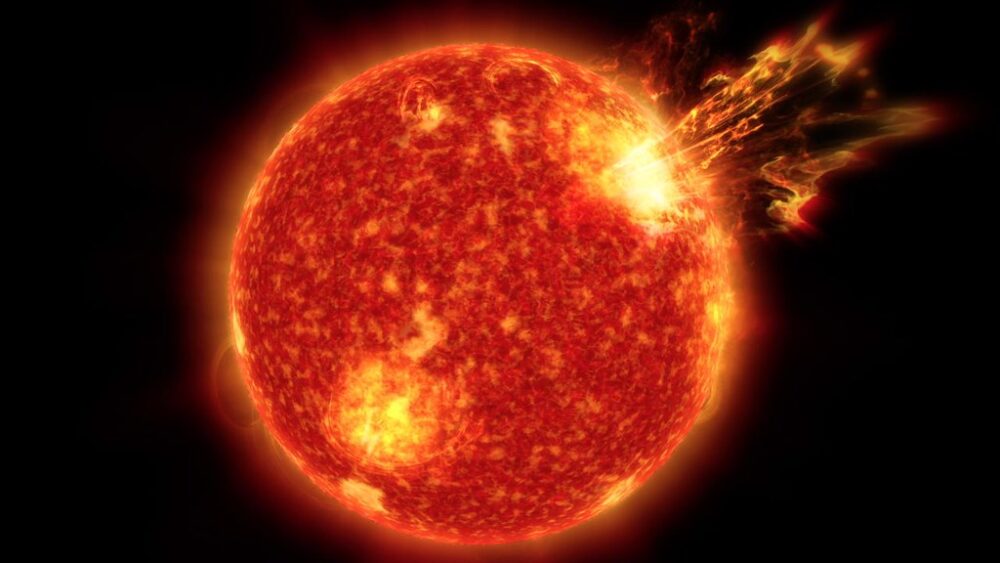
When the sun erupts, it is not just a beautiful aurora story. A rare, powerful solar storm can shove enormous energy into Earth’s magnetic field, triggering geomagnetic disturbances that strain power grids, disrupt satellites, and scramble radio and GPS signals.
Scientists often point to the 1859 Carrington Event as the historical benchmark. A storm of that scale today would hit a world that depends completely on electricity and space-based technology. Forecasting has improved, and grid operators have response plans, but the question remains: if a truly extreme event arrives, will preparation be enough?
1. It begins with an explosive burst from the sun
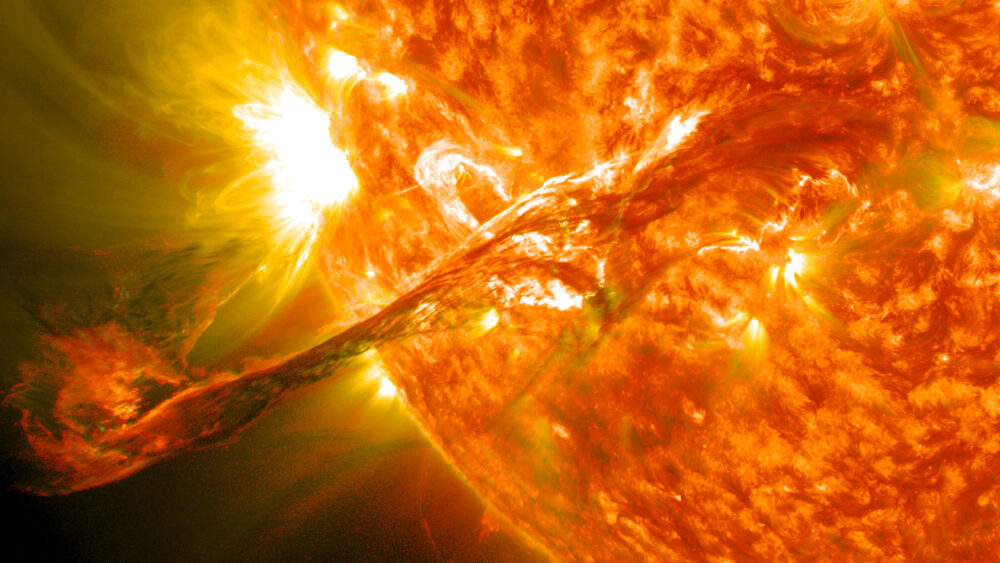
Major space weather events usually start with solar flares and coronal mass ejections. These eruptions hurl massive clouds of magnetized plasma into space at incredible speeds.
If one of those clouds is aimed at Earth and its magnetic orientation aligns in just the wrong way, it can strongly interact with our planet’s magnetic field. That interaction is what turns a solar outburst into a geomagnetic storm with real-world consequences.
2. The Carrington Event still looms large

In 1859, a massive solar storm caused auroras to appear far from the poles and disrupted telegraph systems around the world. Operators reported sparks, electric shocks, and equipment failures.
At the time, telegraph wires were the most advanced technology at risk. Today, our infrastructure is vastly more complex and interconnected. A storm of similar strength would not just light up the sky. It would test the backbone of modern civilization.
3. The power grid is the biggest concern
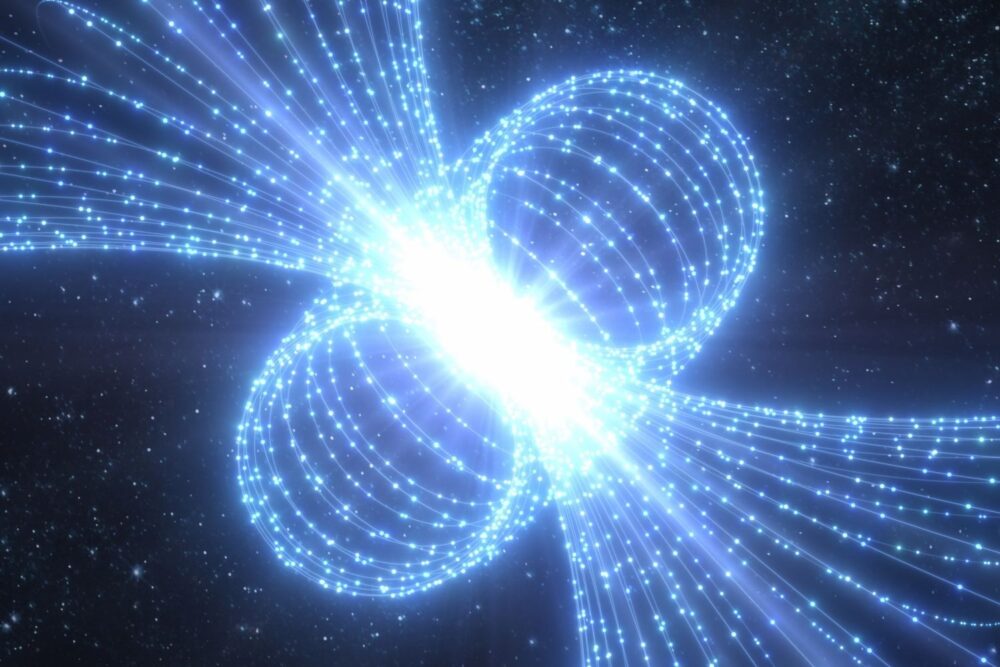
When Earth’s magnetic field fluctuates during a strong storm, it can induce electric currents in long transmission lines. These geomagnetically induced currents can overload and overheat high-voltage transformers.
The danger is not just temporary outages. Large transformers are expensive, custom-built pieces of equipment that cannot be replaced overnight. If enough are damaged, recovery could take weeks or even months.
4. Blackouts could trigger a chain reaction

Electricity powers more than lights. Water treatment plants, hospitals, financial systems, fuel distribution, and communication networks all rely on steady power.
A prolonged outage in a large region would quickly ripple into other sectors. The risk is not a simple inconvenience but a cascading disruption that affects daily life, public health, and economic stability.
5. Satellites are exposed in orbit
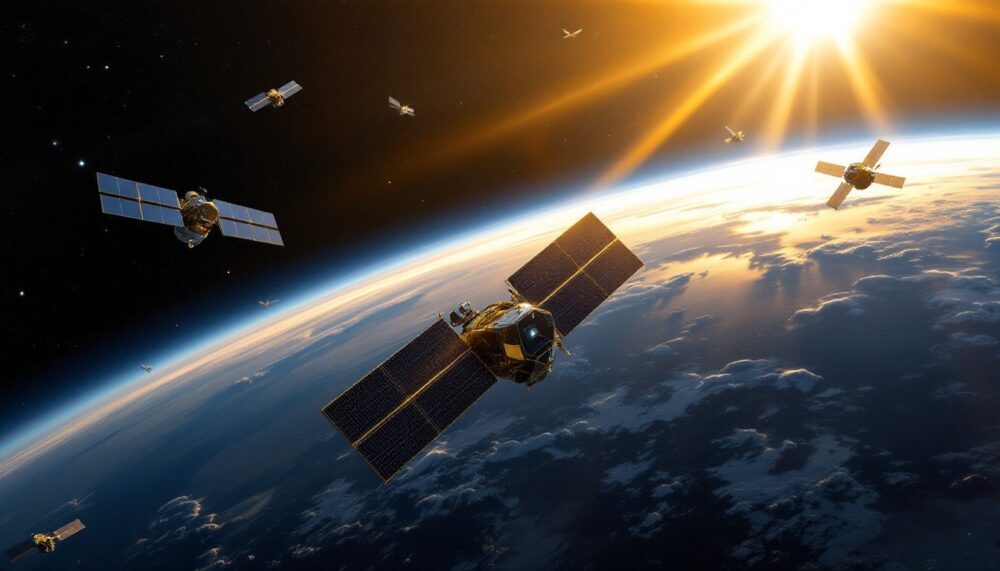
Solar storms can heat and expand Earth’s upper atmosphere, increasing drag on satellites and altering their orbits. They can also expose spacecraft electronics to higher levels of radiation.
Navigation systems like GPS depend on stable signals passing through the ionosphere. When that layer becomes disturbed, accuracy can degrade, creating problems for aviation, shipping, agriculture, and emergency services.
6. Airlines and communications feel it quickly

High-frequency radio signals used in aviation can be disrupted during intense solar activity, especially along polar routes. Airlines may reroute flights to maintain communication and limit radiation exposure.
Emergency responders also rely on radio networks and GPS timing. During a strong storm, communication reliability can drop at exactly the moment clarity and coordination are most critical.
7. Forecasting has improved but remains imperfect
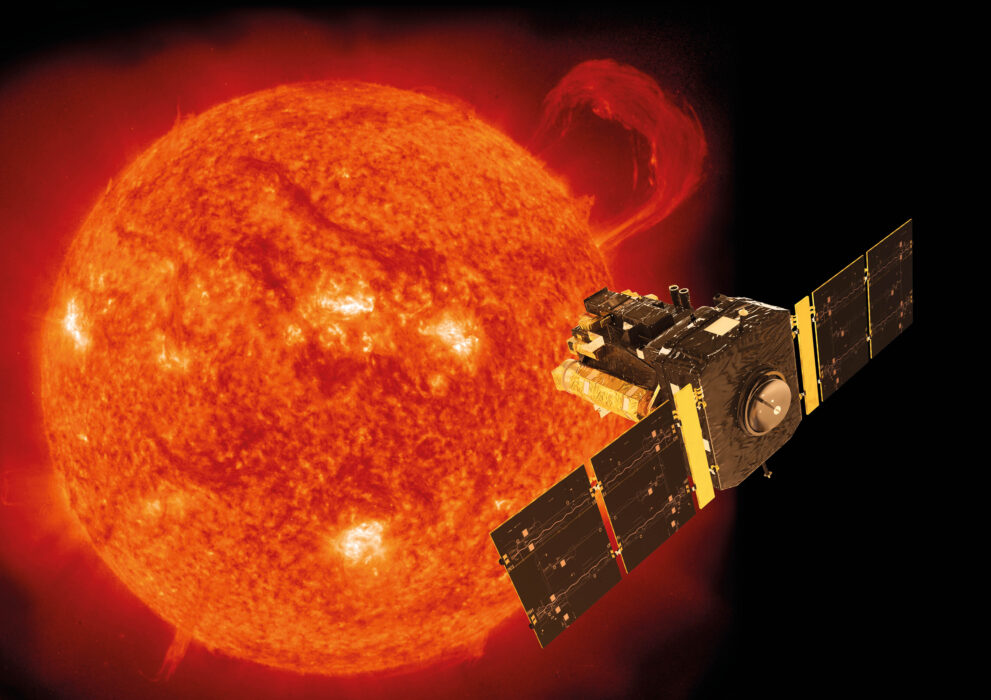
We now have satellites that monitor the sun constantly, giving scientists early warning when a coronal mass ejection is heading toward Earth. In some cases, operators may have a day or more to prepare.
The hardest part to predict is the magnetic orientation of the incoming plasma. That detail determines how strongly it will interact with Earth’s magnetic field, and it often becomes clear only hours before impact.
8. Utilities can take protective measures
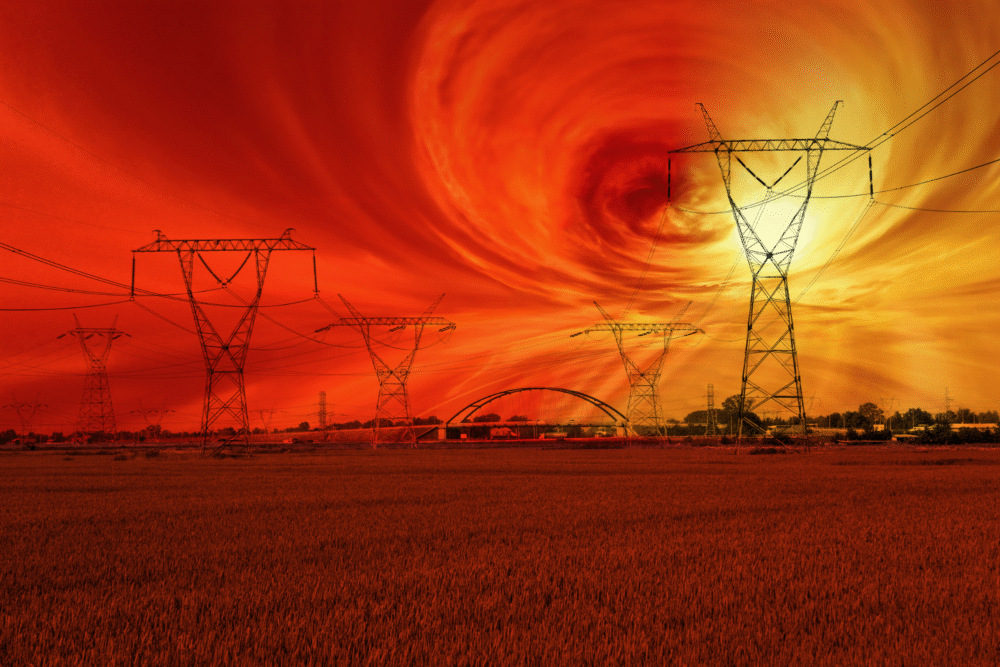
When storm warnings are issued, grid operators can adjust loads, temporarily reduce power flow through vulnerable lines, and closely monitor transformers for signs of stress.
These actions do not eliminate risk, but they can reduce strain during the most intense phases of a storm. Short-term operational changes can mean the difference between manageable disruptions and serious equipment damage.
9. Long-term resilience requires investment
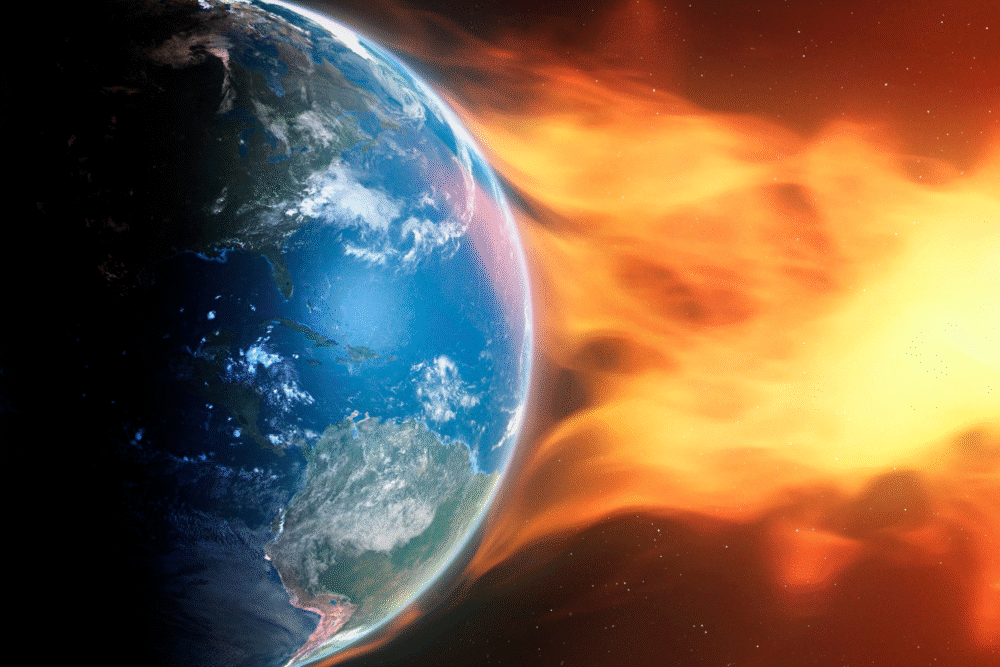
Beyond emergency responses, strengthening the grid involves upgrading infrastructure, improving monitoring systems, and designing equipment that tolerates induced currents more effectively.
These measures take time and funding. Because extreme storms are rare, resilience projects can struggle to compete with more immediate priorities, even though the potential cost of inaction is enormous.
10. Governments treat space weather as a real threat

National and international agencies consider severe space weather a significant risk. Planning discussions often resemble disaster preparedness for hurricanes or earthquakes.
The challenge is maintaining momentum. When the sun is quiet, it is easy to shift focus elsewhere. But preparedness depends on steady investment, drills, and coordination before the next major event arrives.
11. Individuals can prepare without panic

For most people, preparation looks similar to planning for any extended power outage. Keep basic emergency supplies, backup power for critical devices, and a way to receive official updates.
Staying informed through reliable sources is key. Space weather alerts are issued regularly, and clear communication can prevent confusion when solar activity spikes.
12. We are better prepared, but not invulnerable
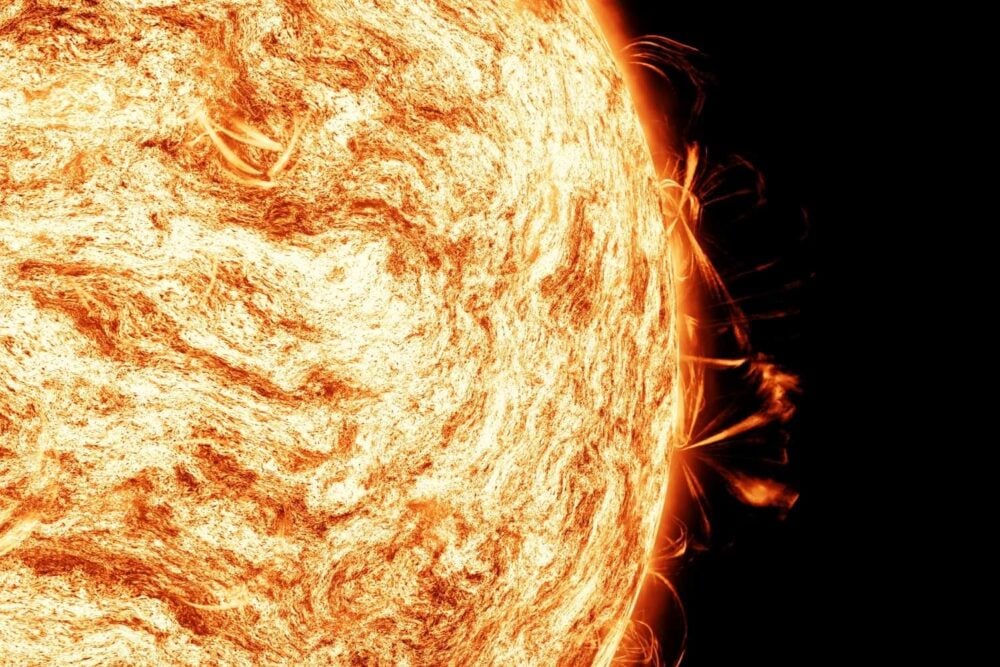
Compared to previous generations, we understand solar storms far more deeply and monitor the sun continuously. That knowledge gives us time to react and tools to mitigate damage.
Still, a truly extreme event would test systems in ways we have not experienced in modern times. The sun will continue its cycles. The real question is whether our preparation keeps pace with our growing dependence on technology.