
This fiery space storm could disrupt technology, travel, and even your morning routine.
The sun is gearing up for a dramatic show in 2025—and Earth is sitting front row. As we approach the peak of the solar cycle, known as the solar maximum, scientists are warning that things could get seriously chaotic. This isn’t just about pretty auroras lighting up the sky. We’re talking about powerful solar flares and geomagnetic storms that could fry satellites, mess with navigation systems, and knock out power grids without warning.
The last few solar cycles were relatively tame, but this one’s looking rowdier—and we’re more tech-dependent than ever. If you’ve never paid attention to space weather before, now’s the time. Because when the sun starts acting up, life here on Earth could get a lot more unpredictable.
1. Major power grids could fail without warning during peak solar storms.
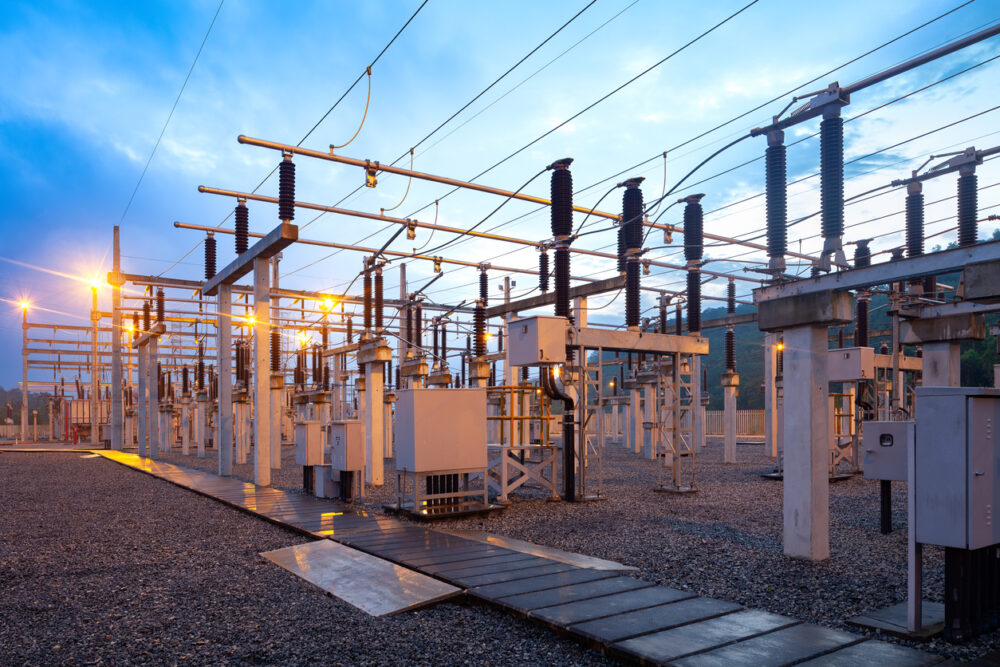
One massive burst of energy from the sun, and boom—entire sections of the power grid could go dark. These geomagnetic storms mess with Earth’s magnetic field and induce surges in power lines. Transformers can fry, and the blackout that follows could last days or even weeks. We’re not talking flickering lights here—we’re talking widespread outages that could cripple cities.
The worst part? It can happen fast and without much warning. Utilities are preparing, but most people have no idea how fragile the system really is. If a strong enough flare hits, we’ll all be scrambling for flashlights and backup batteries.
2. GPS navigation could become completely unreliable for hours or even days.

You might want to relearn how to read a map. During the solar maximum, charged particles from solar flares can seriously mess with the satellites we rely on for GPS. Whether you’re driving, flying, or hiking, location services could glitch, freeze, or give wildly inaccurate directions. For emergency services, pilots, or anyone relying on precision—this is a huge deal.
Even timing systems used in banking and power grids depend on GPS signals. So it’s not just your phone getting confused—it’s entire infrastructures potentially taking a hit. When the sun flares up, your navigation might just ghost you.
3. Air travel routes could be forced to detour or cancel mid-flight.
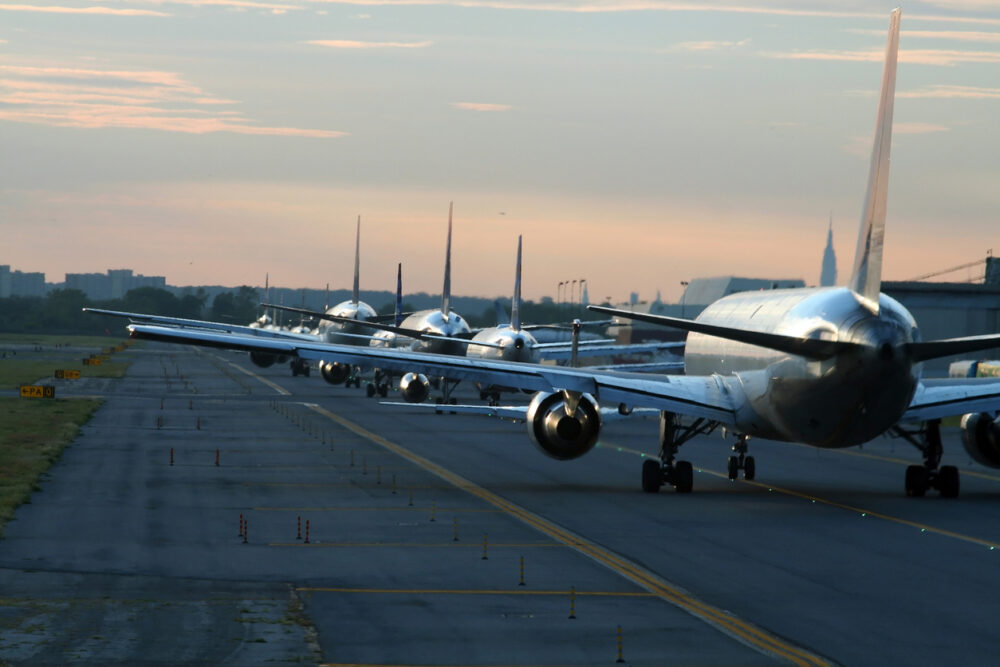
Flying over the poles might sound routine now, but during solar maximum? It gets risky fast. That’s where radiation exposure from solar storms hits hardest, and airlines won’t take chances. Flights may have to reroute, delay, or even cancel altogether to keep passengers and crew safe. Communications between aircraft and control towers could get fuzzy, especially on transpolar routes.
That means longer travel times, more expensive fuel costs, and serious headaches for travelers. If you’re planning to fly internationally during a solar flare spike, expect the unexpected—because the sun doesn’t care about your boarding time.
4. Internet connectivity could glitch or disappear in entire regions.

It sounds dramatic, but under the right conditions, solar storms can knock out or disrupt the internet—especially in areas relying on undersea cables or older infrastructure. The issue isn’t the cables themselves but the repeaters and network hubs that keep them running.
A strong solar event can create surges or interfere with signal flow, causing outages that ripple across networks. Think slower load times, dropped video calls, and even full-scale disconnection. If you’ve ever screamed at your Wi-Fi for buffering, imagine doing that while the whole world’s online backbone is fried by solar fury.
5. Satellite-based services could suffer widespread outages.

Streaming your favorite show? Checking the weather? Using satellite radio? All of that depends on satellites behaving—and solar storms love to mess with them. The particles from a solar flare can damage onboard electronics, interfere with signals, or knock satellites out of orbit slightly. Some may go offline temporarily, others permanently.
Even military and climate-monitoring satellites aren’t immune. So, in 2025, if the sun gets feisty, you might lose more than a few episodes of your favorite series—you could lose access to key information and tools we all rely on daily without even realizing it.
6. Communication systems could break down during solar storms.
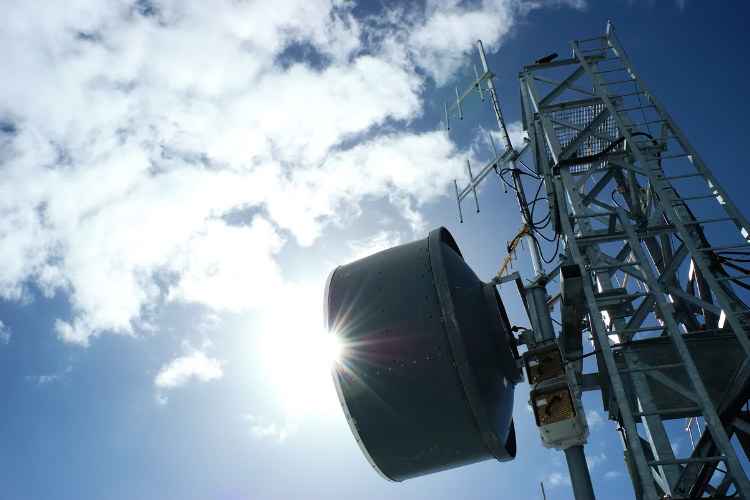
When a solar storm hits, it doesn’t just light up the sky—it can silence the airwaves. Shortwave radio, used by pilots, ships, and emergency responders, often goes haywire during geomagnetic events. Cell towers can struggle too, especially in rural or remote areas where connections are already shaky. Even satellite phones might not work reliably.
In an emergency, that kind of disruption is a huge problem. We take constant communication for granted, but during a strong solar flare, you might suddenly find yourself cut off—from texts, news, or critical updates. It’s a reminder that even invisible systems aren’t invincible.
7. Auroras could appear in places that never see them.

This is one of the cooler (and less terrifying) side effects of the solar maximum. When the sun sends charged particles toward Earth, they collide with our atmosphere and create those glowing green and red lights known as auroras. Usually, you’d have to go far north—or south—to see them.
But in 2025, if the storms are strong enough, people as far south as Texas or Italy might get a front-row seat. It’s rare, eerie, and absolutely beautiful. Just don’t let the pretty lights fool you—those dancing skies often mean chaos is brewing behind the scenes.
8. Spacecraft and satellites could suffer permanent damage.

Satellites orbiting Earth are constantly bombarded by particles from the sun, but during a solar maximum, the intensity skyrockets. Radiation can fry circuits, scramble data, or even knock entire systems offline. Spacecraft may lose control or be forced to shut down temporarily to protect their electronics. In extreme cases, some satellites could fail for good.
This affects everything from national defense to weather tracking to global communications. These aren’t minor hiccups—they’re the kinds of failures that could cost billions and disrupt daily life for people who never think twice about what’s orbiting above them.
9. Astronauts on space missions will face serious radiation risk.
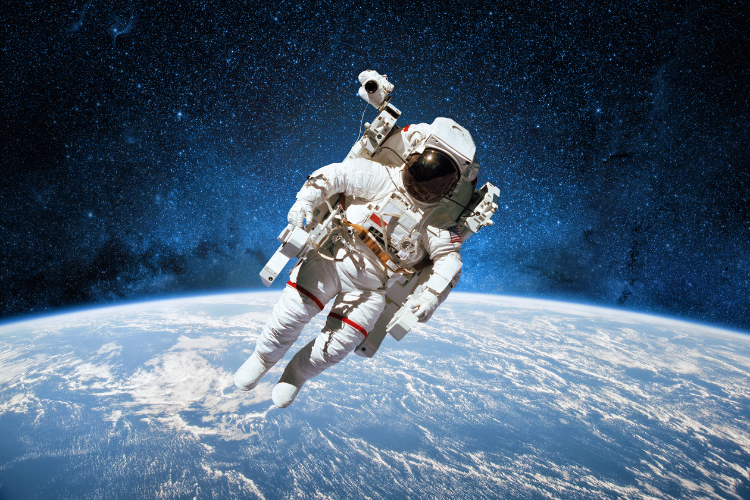
Being in space during a solar flare isn’t just risky—it’s dangerous. Without Earth’s atmosphere to shield them, astronauts are exposed to far more radiation during these events. That means NASA and other agencies will need to monitor the sun constantly and plan missions around solar activity. If something flares up unexpectedly, crews aboard the International Space Station might have to shelter in specially shielded sections.
Long-term missions—like a future trip to Mars—get even trickier. With solar maximum approaching, anyone in space will be on high alert, because out there, a strong storm could do serious biological harm.
10. Banking systems and financial networks could experience unexpected disruptions.

You might not think of the sun when swiping your credit card, but solar flares can mess with the timing systems that support global banking. Financial transactions rely on precise time signals—often pulled from GPS satellites. If those signals glitch or disappear, the chain reaction can delay transfers, freeze transactions, or mess up market data.
High-frequency trading systems could suffer. While banks have backup protocols, most people aren’t ready for a digital wallet freeze or ATM network error caused by a sunstorm. The financial world moves fast—but solar chaos can bring it to a halt instantly.
11. Military and defense systems could go dark at the worst possible moment.

Military operations rely heavily on satellites for surveillance, GPS targeting, and communications. A strong solar storm could blind those eyes in the sky, disrupt encrypted messages, or scramble navigation systems. During peacetime, that’s frustrating. In a conflict? It’s dangerous. The unpredictability of solar events makes it tough to defend against or prepare for.
Forces around the world are watching the sun carefully—and developing workarounds—but the vulnerability is real. A well-timed flare could take out systems that are otherwise bulletproof. In 2025, national security may depend just as much on solar forecasts as intelligence briefings.
12. The world could finally start taking space weather seriously.
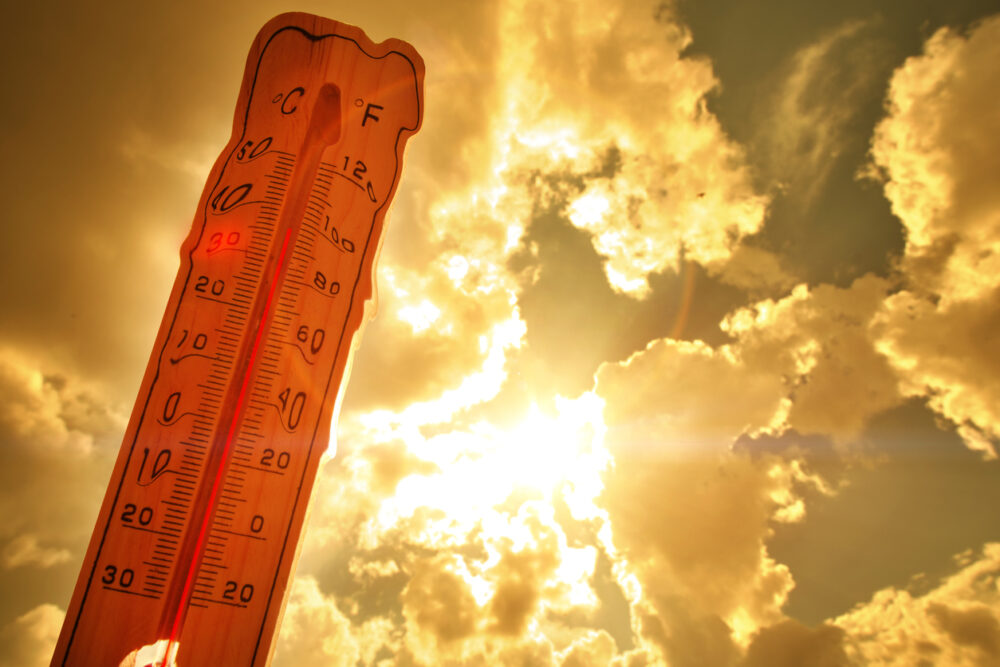
Most people don’t think twice about the sun beyond getting a tan or checking the UV index. But 2025 might change that. If the solar maximum causes enough chaos—blackouts, tech failures, travel disruptions—it could spark a massive shift in awareness and preparedness. Governments might invest more in forecasting tools.
Tech companies may build more resilient infrastructure. Schools could start teaching space weather right alongside climate change. It might take some scary wake-up calls, but this solar cycle could be the tipping point. Because once people realize how much the sun controls, they’ll stop calling it “just another flare.”