
Bear encounters are on the rise. Here’s how to handle them without making deadly mistakes.

Encountering a bear in the wild can be unsettling, but understanding bear behavior and proper reaction techniques can significantly reduce risks. Many dangerous encounters happen not because bears are aggressive, but because people panic or misread warning signs.
Knowing what a bear is likely to do in a given situation can help you respond calmly instead of reacting on instinct. Experts from the National Park Service and U.S. Fish and Wildlife Service emphasize the importance of staying calm, keeping a safe distance, and carrying bear spray.
They also stress that different species and situations require different responses, which is why one-size-fits-all advice can be dangerous.
1. Stay calm and avoid sudden movements when you see a bear nearby.
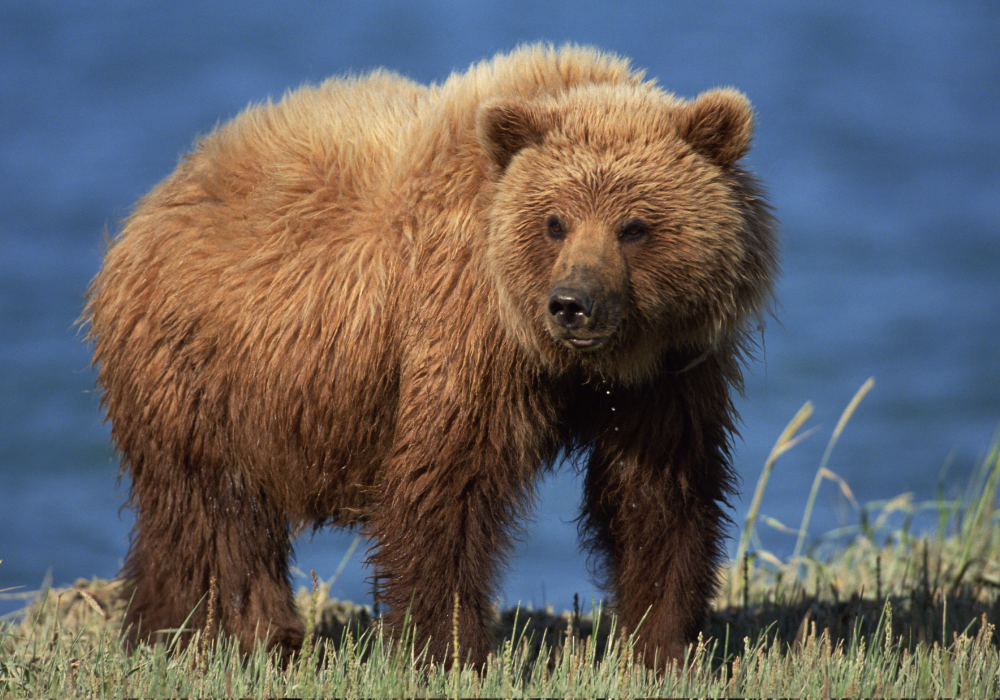
Spotting a bear can naturally trigger adrenaline, but quick motions might alarm the animal. Bears are often more curious than aggressive, and remaining composed gives them cues to feel the same. A deep breath can help offset tension while assessing the situation.
While human instinct might lean toward panicking, keeping reactions steady contributes to a peaceful encounter. Subtle movements convey non-aggression, allowing time to evaluate the best course of action. Wildlife generally reacts to confidence, maintaining a non-threatening demeanor helps bears perceive humans as benign presences.
2. Speak in a steady, calm voice to help the bear recognize you.

Using a calm and level voice communicates to bears that you’re not a threat. Bears typically rely on their acute sense of hearing to understand their surroundings, and speaking calmly clarifies your identity as human. Tone serves as a critical form of nonverbal communication
Uttering a steady stream of soothing words can help demystify your presence in the wild. Bears, being more familiar with human voices, often respond less defensively to them. Amid potential surprise, a calm cadence helps manage one’s own anxiety, promoting measured reactions.
3. Slowly back away without turning your back on the bear.

Backing away cautiously signals to bears that you’re retreating without alarming them. Maintaining eye contact while watching the bear with your peripheral vision helps track its response. This way, humans can ensure a safe withdrawal without turning vulnerable backs to the animal.
Stepping backward at a controlled pace ensures personal safety while reassuring the bear of your intentions to exit. Backs turned might trigger predatory instincts in animals, whereas a consistent but gentle retreat suggests no immediate threat. Every choice made should reflect knowledge of animal behavior.
4. Do not run, as this may trigger a chase response from the bear.
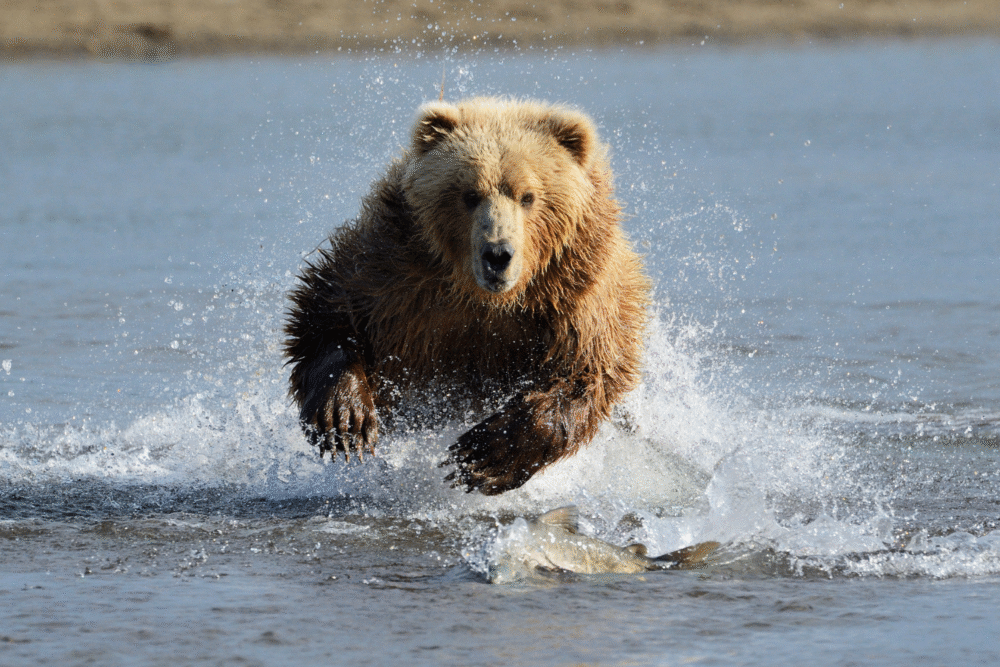
Running might provoke a chase, tapping into a bear’s natural instincts. Bears can exceed human speed easily, making flight an impractical and risky choice. Instead, resisting the urge to sprint aids in reducing potential bear aggression and preserves the calm landscape.
Understanding bear dynamics often includes recognizing how flight might translate to vulnerability or prey behavior in their eyes. A slow, deliberate retreat communicates non-aggression more effectively than attempting to flee. This principle applies regardless of the bear species encountered in the wild.
5. Keep your food sealed and stored away to avoid attracting bears.

Ensuring food is stored securely minimizes the likelihood of attracting bears to campsites. Bears possess an extraordinary sense of smell, capable of detecting odors from miles away, and unsecured food acts as an unintended invitation. Adequate storage is crucial for peaceful co-habitation with wildlife.
Bear-proof containers or hanging bags reduce temptation for bears to explore human areas. Preventing bears from associating human spaces with easy snacks reduces future encounters. Campers often find that following local guidelines on food storage secures both humans and bears from unwanted interactions.
6. Make yourself appear larger by raising your arms or opening your jacket.
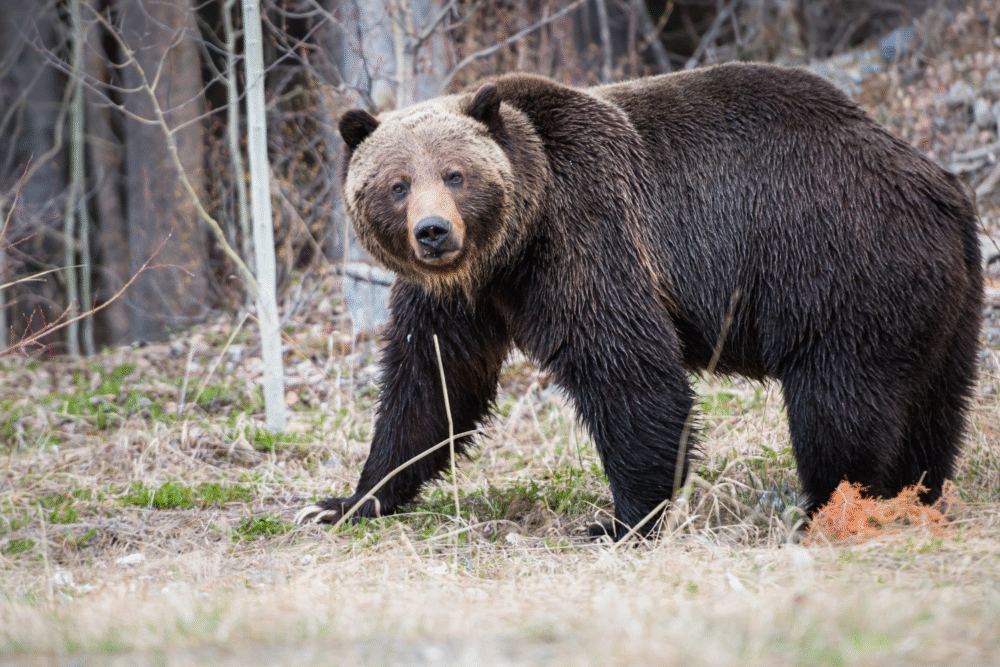
Making oneself look larger can deter bears from approaching too close. Bears interpret size as dominance or potential threat, and an extended arm span or open jacket can contribute to expanding one’s silhouette. This method communicates self-confidence without suggesting aggressive behavior.
Increased size might persuade a cautious bear to reconsider proximity. Experience shows that subtle visual cues can influence wildlife decisions to engage or retreat. Unlike abrupt movements, creating an illusion of largeness serves as a passive deterrent without antagonizing the animal.
7. Carry bear spray and know how to use it in an emergency.

Bear spray provides a non-lethal defense mechanism during close encounters. Comprising concentrated capsaicin, it deters bears through intense sensations without lasting effects. Knowing the right technique to deploy ensures this tool is effective when seconds count during a charged encounter.
Practicing how to unholster and aim maximizes reaction speed, crucial in active wildlife zones. Proficiency builds comfort and readiness, fundamental elements of a confident approach to wildlife management. Safety measures like these align with broader goals of coexistence in shared habitats.
8. Avoid eye contact, which can be perceived as a threat by bears.

Direct eye contact often signals aggression or challenge among animals. When perceived as such, bears might escalate their response to perceived threats. Observing a bear with indirect glances minimizes tension and frames the encounter as non-confrontational.
Establishing a neutral stance incorporates avoiding behaviors bears might misinterpret. Utilizing soft and receptive body language facilitates smoother interactions in their territory. Experienced wildlife enthusiasts practice implicit trust-building by consciously modifying gestures and eye movements during bear sightings.
9. If the bear approaches, stand your ground and prepare to defend yourself.
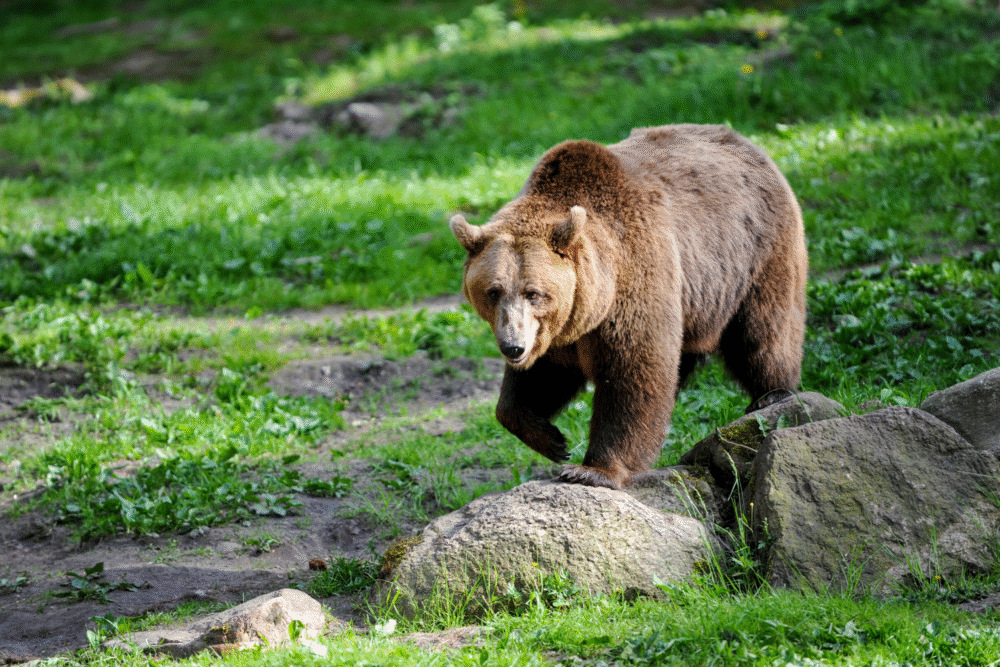
If a bear continues advancing, holding one’s position signals readiness to respond. Such assertive body language might prompt the animal to assess its approach. Confidence, conveyed through an unwavering stance, often decreases the bear’s perceived need for a closer investigation.
Preparing to act if necessary includes readying protective items like bear spray. Standing ground conveys self-assurance and intent to defend, often leading bears to reconsider their curiosity. Standing firm without aggression helps change the dynamic from potential threat to harmonious standoff.
10. Know the difference between defensive and predatory bear behaviors.

Understanding bear behavior involves distinguishing between defensive and predatory actions. For instance, a mother bear protecting cubs acts defensively, while a bear silently stalking humans suggests a predatory intent. Each behavior pattern requires separate responses tailored to disarm the situation thoughtfully.
Defensive displays include bluff charges or loud huffing, contrasting silent observations typical of predatory behavior. Being attuned to these signs allows for educated reaction planning, critical for preserving the balance of respect and safety in wildlife territories.
11. Travel in groups and make noise to alert bears to your presence.

Traveling in groups and creating noise reduces surprise encounters with bears. Human activities generate natural sounds that wildlife species learn to recognize and often choose to avoid. Conversing loudly or gently clapping can signal presence long before direct sighting occurs.
Bears generally prefer to sidestep humans, making self-announced presence vital in shared environments. Cohesive group dynamics double as mutual support systems, where collective awareness minimizes potential risks. The unity of a group provides layered protection beyond individual capabilities.
12. Learn to identify bear signs like tracks and scat before hiking.

Recognizing bear signs like tracks or scat informs hikers of recent bear activity. These traces, when identified correctly, act as crucial indicators of proximity, allowing cautious preparation. Awareness of such environmental clues aids in forecasting potential bear meetings along the trail.
Prior knowledge about distinguishing between black and grizzly bear signs enhances situational awareness. Trail users who integrate this knowledge into their routine better gauge potential encounters, adjusting routes or behaviors accordingly for personal and wildlife safety alike.