
Scientists say the next decade will bring faster warming, rising seas, and more extreme weather—but also major advances in renewable energy.
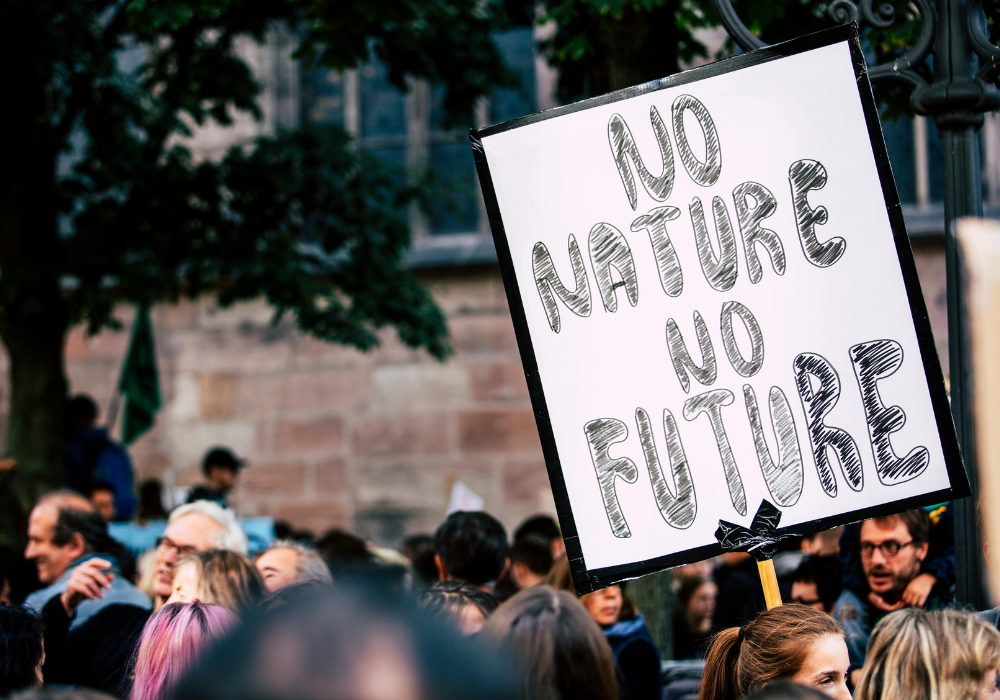
Over the next ten years, climate change will shift from a distant concern to a defining global reality. According to new projections from NASA, the IPCC, and leading climate scientists, Earth is on track to warm by up to 0.3°C more by 2035—pushing many regions past critical thresholds for droughts, wildfires, and coastal flooding. Yet experts say it’s not all bleak: rapid innovation in clean energy, carbon capture, and adaptation could still determine how livable the planet remains.
1. Global Temperatures Will Continue to Climb
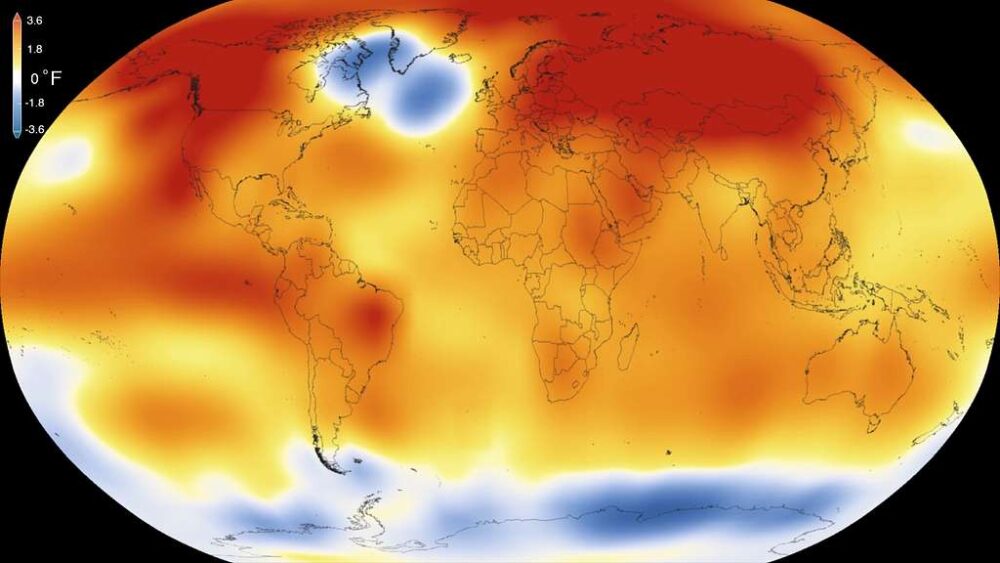
Over the next decade, the planet is projected to warm by another 0.2 to 0.3 degrees Celsius, according to NASA and the Intergovernmental Panel on Climate Change (IPCC). While that might sound small, it’s enough to amplify heat waves, melt ice sheets faster, and disrupt rainfall patterns worldwide.
Scientists warn that even short-term warming can push ecosystems past tipping points. Coral reefs, Arctic permafrost, and mountain glaciers are already nearing critical thresholds that could trigger irreversible environmental change.
2. Heat Waves Will Become More Frequent and Deadly
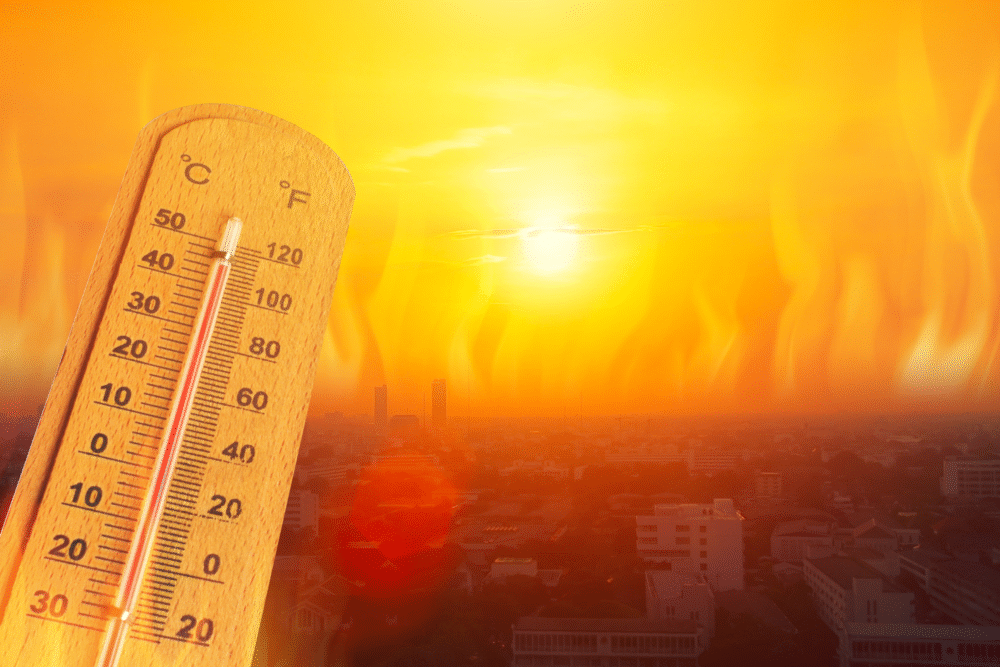
Extreme heat events are expected to intensify across nearly every continent by the mid-2030s. Studies show that by 2035, summers like the record-breaking heat of 2023 could occur every other year, not once a decade.
Cities in Europe, Asia, and North America are already planning for heat emergencies, as prolonged high temperatures strain power grids, worsen air quality, and threaten vulnerable populations. Adaptation measures—like cooling centers and reflective infrastructure—will become increasingly essential.
3. Sea Levels Will Rise Faster Than Ever

Sea levels are projected to rise by another three to five inches by 2035, continuing a trend now accelerating faster than at any time in the past 4,000 years. The primary drivers remain melting ice sheets in Greenland and Antarctica and the expansion of warming ocean water.
This rise may seem modest but could worsen flooding in coastal cities like Miami, Jakarta, and Mumbai. Even small increases multiply storm surge risks, pushing saltwater into freshwater systems and displacing millions of people.
4. Extreme Weather Will Redefine “Normal”
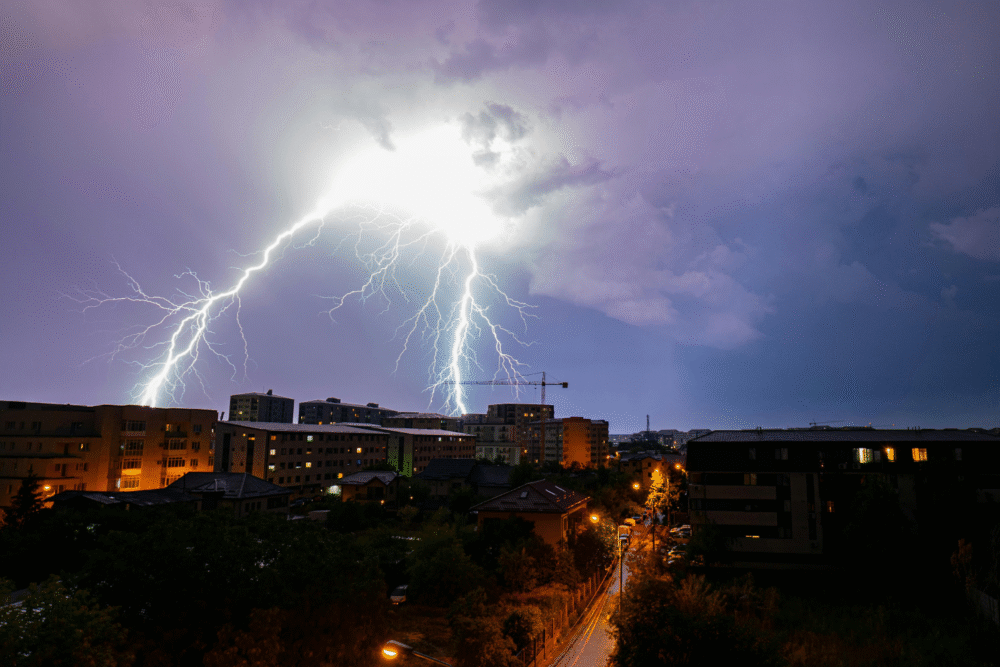
The next ten years are likely to bring more frequent and severe storms, floods, droughts, and wildfires. Climate scientists call this “global weirding”—a world where weather patterns become harder to predict and more destructive.
In the United States, stronger hurricanes and atmospheric rivers could reshape coastlines and overwhelm infrastructure. Meanwhile, parts of Africa and Asia may face longer dry seasons punctuated by flash floods, challenging food security and water management.
5. The Arctic Will Warm Nearly Four Times Faster Than the Rest of the Planet
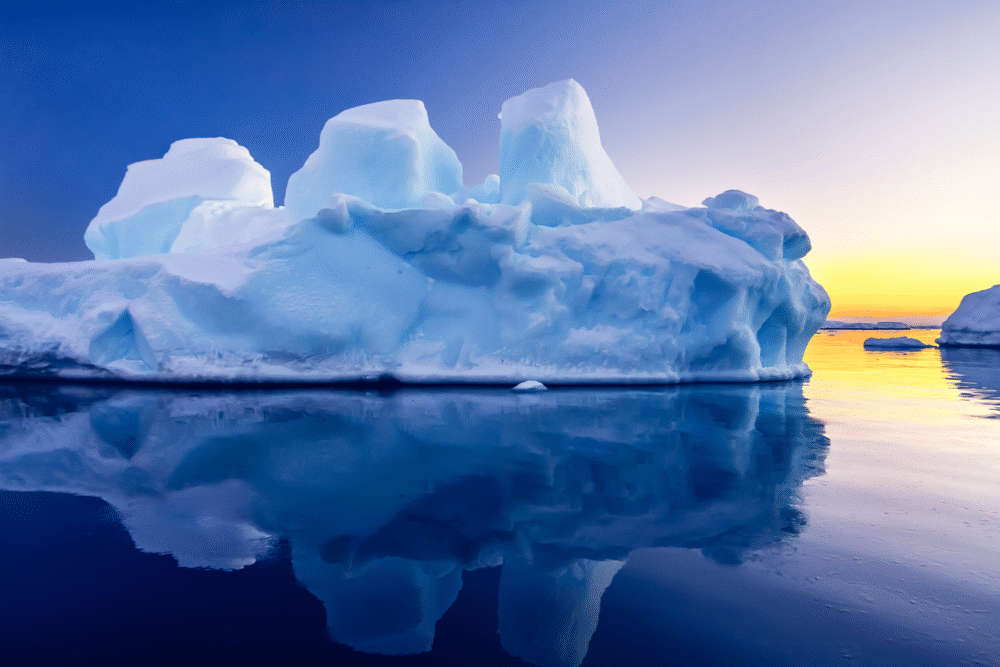
By 2035, the Arctic could experience its first ice-free summer, according to several independent climate models. The loss of sea ice accelerates global warming because darker ocean surfaces absorb more heat than reflective ice.
This rapid polar warming has global consequences. It can disrupt jet streams, alter storm tracks, and even affect mid-latitude weather patterns—making cold winters and heat waves more unpredictable across North America, Europe, and Asia.
6. Droughts Will Threaten Global Food Supplies

Hotter temperatures and shifting rainfall patterns are projected to increase drought frequency in key agricultural regions, including the U.S. Southwest, the Mediterranean, and parts of Sub-Saharan Africa. Crop yields for wheat, corn, and rice could decline by up to 10% if emissions continue at current levels.
Farmers are already adapting with drought-resistant crops and smarter irrigation systems, but experts warn that food prices could rise and malnutrition may worsen in developing nations if adaptation lags behind climate change.
7. Oceans Will Become Hotter and More Acidic

As oceans absorb excess heat and carbon dioxide, their chemistry and ecosystems are changing rapidly. Marine heatwaves are becoming more common, bleaching coral reefs and threatening fisheries that millions rely on for food and income.
By 2035, ocean acidity is expected to increase by another 10%, making it harder for shellfish, corals, and plankton to form protective shells. This cascade effect disrupts entire food chains, from microscopic organisms to large fish and marine mammals.
8. Climate Migration Will Accelerate

Rising seas, crop failures, and heat stress could drive an estimated 150 million people to migrate within their countries or across borders by 2035, according to the World Bank. Regions most affected include South Asia, Sub-Saharan Africa, and coastal Latin America.
These movements will reshape economies and politics, as cities face pressure to absorb displaced populations. Some nations are already developing “climate visas” and relocation strategies to handle the growing humanitarian challenges ahead.
9. Renewable Energy Will Outpace Fossil Fuels in Growth

Despite the worsening impacts of climate change, the coming decade could mark a major turning point in clean energy adoption. Solar and wind power are now the cheapest sources of electricity in most regions, and investment in renewables is expected to double by 2030.
Countries including China, India, and the U.S. are racing to expand battery storage and grid modernization. The International Energy Agency predicts that by 2035, renewables could supply over 60% of global electricity if current policies hold.
10. Electric Vehicles and Cleaner Transport Will Go Mainstream
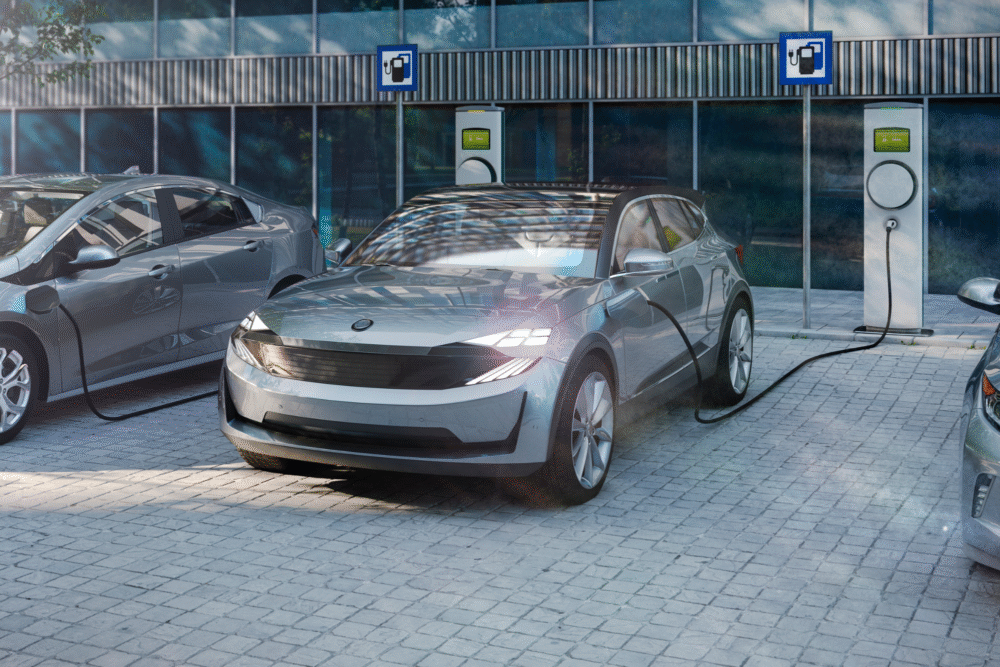
Transportation accounts for nearly a quarter of global emissions, but that share may begin to fall in the next decade. Electric vehicle sales are projected to surpass half of all new car sales by 2035, driven by better batteries and lower costs.
Major automakers are phasing out gas-powered models, while cities expand public transit and build EV infrastructure. Cleaner aviation fuels and shipping innovations could also reduce emissions in sectors once thought too difficult to decarbonize.
11. Climate Policy Will Be Tested by Economics and Politics

The 2020s have seen growing momentum for climate action, but the next decade will determine whether that progress holds. Political divisions, economic downturns, and energy shocks could slow investment in green technologies.
Experts warn that consistent international cooperation is critical. Policies like carbon pricing, reforestation incentives, and global adaptation funds could make or break the world’s ability to limit warming to 1.5°C—the threshold scientists say is key to avoiding the worst impacts.
12. The Next Decade Will Shape Humanity’s Long-Term Future
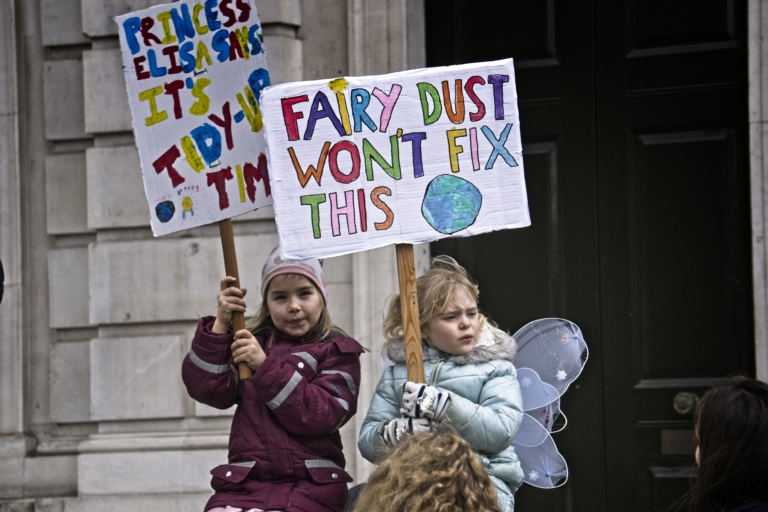
Climate scientists emphasize that what happens between now and 2035 will echo for centuries. The choices made in this decade—how we produce energy, use land, and adapt to change—will determine whether Earth stabilizes or enters a self-reinforcing warming cycle.
While the challenges are immense, experts stress that the solutions already exist. With faster clean energy transitions, smarter policies, and public engagement, the next ten years could still mark the turning point between a warming planet and a sustainable one.