
A closer look at how certain sweeteners avoid raising insulin while still delivering sweetness

Not all low-calorie sweeteners affect the body in the same way, especially when it comes to insulin response. Some alternatives, often used in drinks and packaged foods, show little to no effect on blood sugar or insulin levels. Scientists study how these compounds are absorbed and processed, noting differences in digestion, hormonal triggers, and even gut microbe activity. Understanding these distinctions can help people make more informed choices about sweeteners and metabolic health.
1. Studies show this sugar may help limit blood sugar fluctuations.
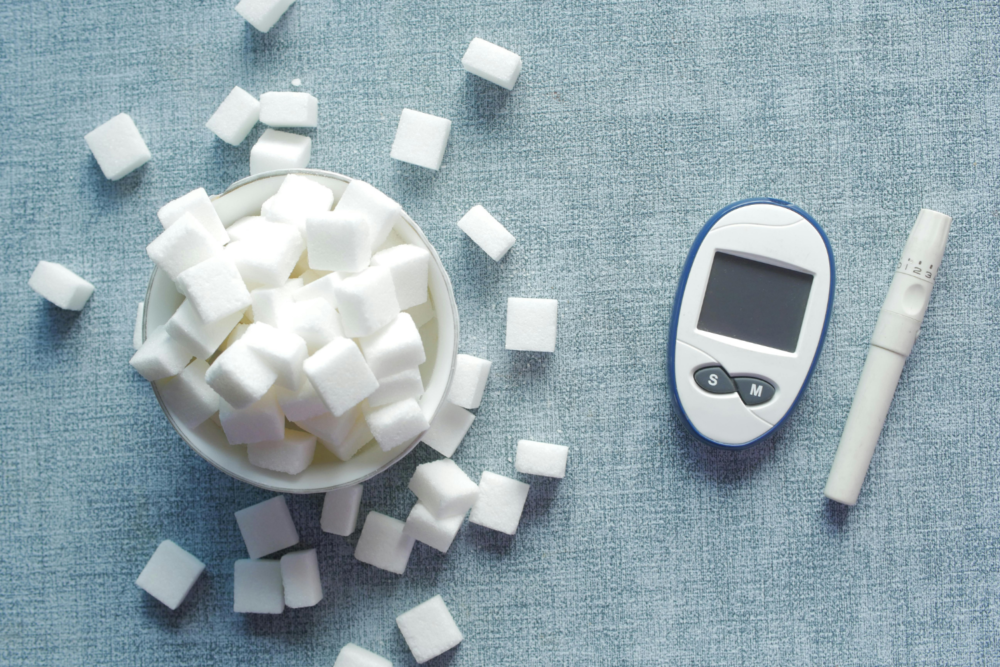
In a controlled setting, researchers monitored how blood sugar changed after ingestion of a specific low-calorie sweetener derived from plants. Unlike glucose or sucrose, it triggered a minimal rise in blood glucose levels even when consumed with a carbohydrate-rich meal.
That stability matters for managing energy dips—like the ones that show up midmorning after a sweet cereal breakfast. Some participants in trials reported consistent focus and less need for snacks between meals, pointing to possible benefits for people tracking their glucose levels daily.
2. Research links this sweetener to minimal impact on insulin response.
When measuring how certain sweeteners affect the body, scientists look at plasma insulin concentrations over time. One sugar alternative in particular barely moves the needle—its molecular structure doesn’t stimulate insulin-releasing cells in the pancreas the way table sugar does.
In practical terms, it behaves more like water than syrup in metabolic tests. People with insulin sensitivity or diabetes may benefit from this gentle profile, although long-term studies are still unfolding. The difference becomes clearer when switching beverages: tea with this sweetener doesn’t create the same blood chemistry pattern as one with honey.
3. Scientists confirm this sugar is absorbed differently by the body.

Once ingested, some low-calorie sweeteners skip metabolic steps used by traditional sugars. Instead of being broken down and absorbed in the small intestine, this type often travels into the colon where gut microbes may ferment it—or excrete it unchanged.
Because of that detour, blood sugar barely rises and insulin production stays low. That absorption path also means lower calorie retention, but some individuals experience mild bloating or a brief rumble after large doses—think soda with more than one serving per can.
4. Findings reveal this alternative sweetener may support steady energy levels.

In small-scale trials, participants who used a specific sugar substitute instead of glucose showed more stable energy levels over several hours. Blood glucose graphs flattened, with fewer sharp peaks and crashes, resembling the curve you’d get from a protein-forward breakfast.
Momentum matters in day-to-day routines. A long afternoon meeting or brisk neighborhood walk calls for even fuel—not a spike then slump. While not fully calorie-free, this sweetener blends into foods without jarring the body’s usual rhythm.
5. Evidence suggests this sugar can satisfy cravings without glucose spikes.

Certain sweeteners activate taste receptors just like sugar but slide past the glucose pathways that cause dramatic blood sugar spikes. That makes them effective at curbing dessert cravings without the fallout of insulin-driven hunger later.
Think: a yogurt cup flavored with this compound, finished without reaching for a second snack. While not a license to eat sweets endlessly, its presence may make it easier to stop after one serving compared to conventional sugar-laden options.
6. Studies highlight how this sugar bypasses typical insulin triggers.
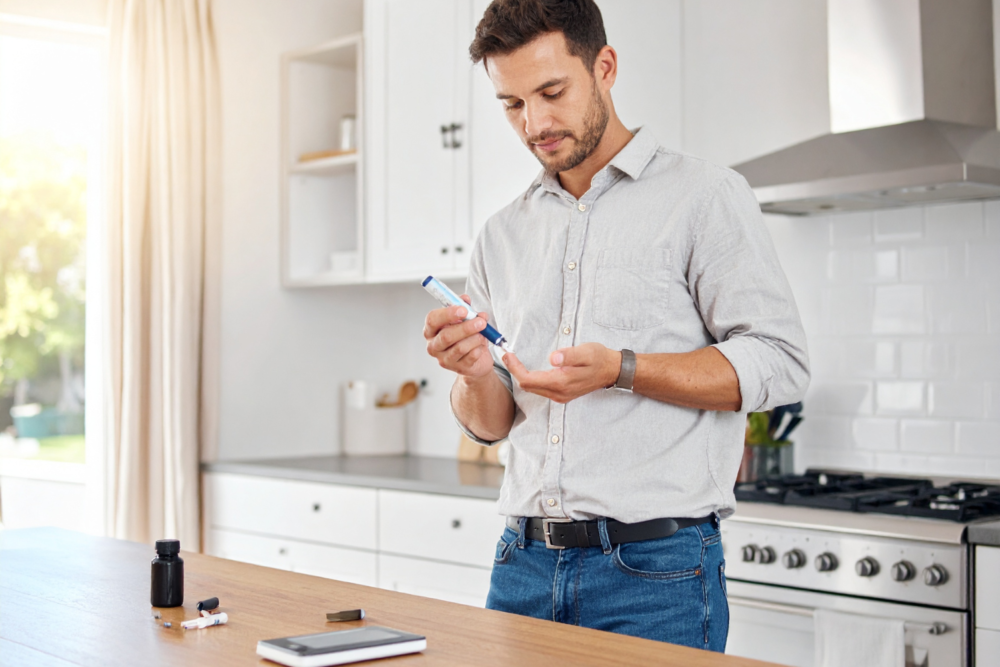
Some sugar substitutes avoid triggering the digestive hormones that usually prompt insulin release. In one lab analysis, even when given at higher doses, this sugar kept oral glucose tolerance curves nearly flat, suggesting a nontraditional route through the metabolic system.
During meals, that detour can make a difference. Someone using this type of sweetener in morning coffee may avoid the subtle fatigue that often hits after a pastry-heavy breakfast. The trick lies in its chemistry: it doesn’t bind to receptors that alert the pancreas.
7. Researchers compare insulin responses across different low-calorie sweeteners.

In comparative studies, not all sugar alternatives share the same metabolic fingerprint. One common sweetener spiked insulin nearly as much as sucrose, while another showed only trace impact—despite both registering minimal calories.
This variation surprises many who assume low calorie equals low effect. The labels rarely tell the full story. For someone mixing a bakery glaze or blended drink, the specific source—stevia, aspartame, erythritol—will subtly steer how the body reacts over hours, not just taste buds in the moment.
8. Data points to unique metabolic handling of this uncommon sugar.
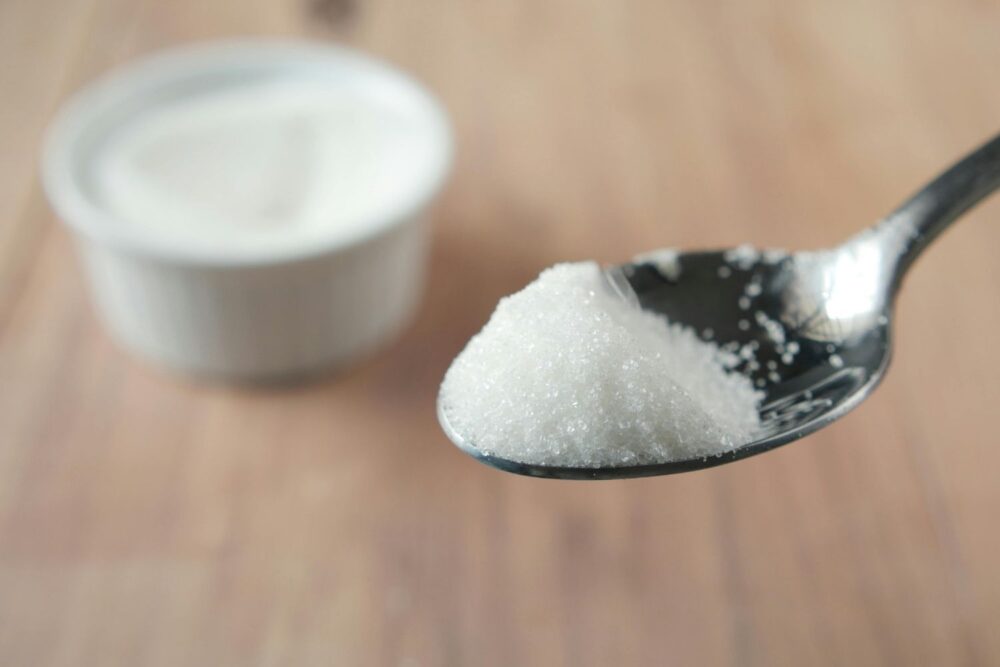
Unlike glucose, which travels quickly into the bloodstream, this lesser-known sugar substitute often takes a slower course and remains partially unabsorbed. Once in the colon, it behaves more like fiber than fuel, leading to minimal insulin involvement.
Such metabolic insulation helps explain its mild reputation among researchers. One common use appears in gum or mint candies, where the flavor lingers but the systemic effect stays muted. That quirk makes it a candidate for people monitoring post-meal insulin trends closely.
9. Clinical trials note reduced glycemic response after sweetener consumption.

Controlled trials tracking glycemic indexes found that participants consuming this sugar alternative showed stabilized blood glucose curves with no secondary insulin surge. Trained researchers drew blood samples at intervals to chart real-time shifts over two hours.
Results stayed consistent across meals that included complex carbohydrates and fats, suggesting the sweetener didn’t behave differently under varied food conditions. Eating a bran muffin with this ingredient produced less metabolic disruption than one using cane sugar—even when calorie counts matched closely.
10. Experts find this sugar does not stimulate insulin the usual way.
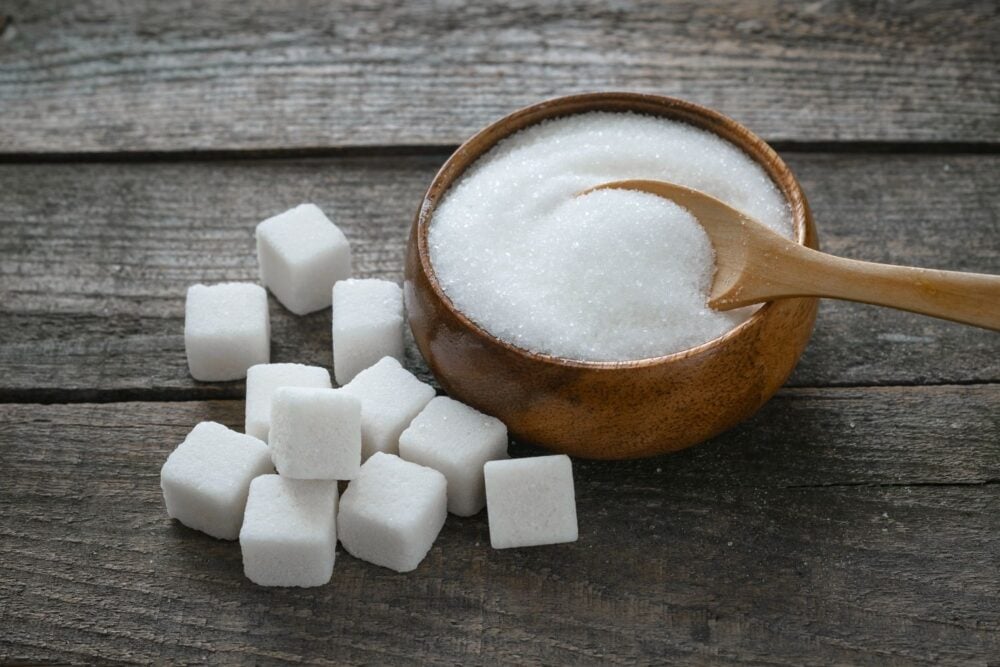
Insulin usually kicks in shortly after sugar enters the bloodstream, but this substitute prompts no such signal. Lab tests using human pancreatic cells show little hormonal activation when this compound is present during digestion.
That quirk led to further animal testing, then human trials, all pointing to the same conclusion: the pancreas doesn’t detect this sugar as a threat. The body effectively lets it pass, which leaves fewer biochemical reminders of dessert—no crash, no insulin spike, no rebound hunger.