
Experts warn of global risks if containment failures happen again — and what it could mean for us all.
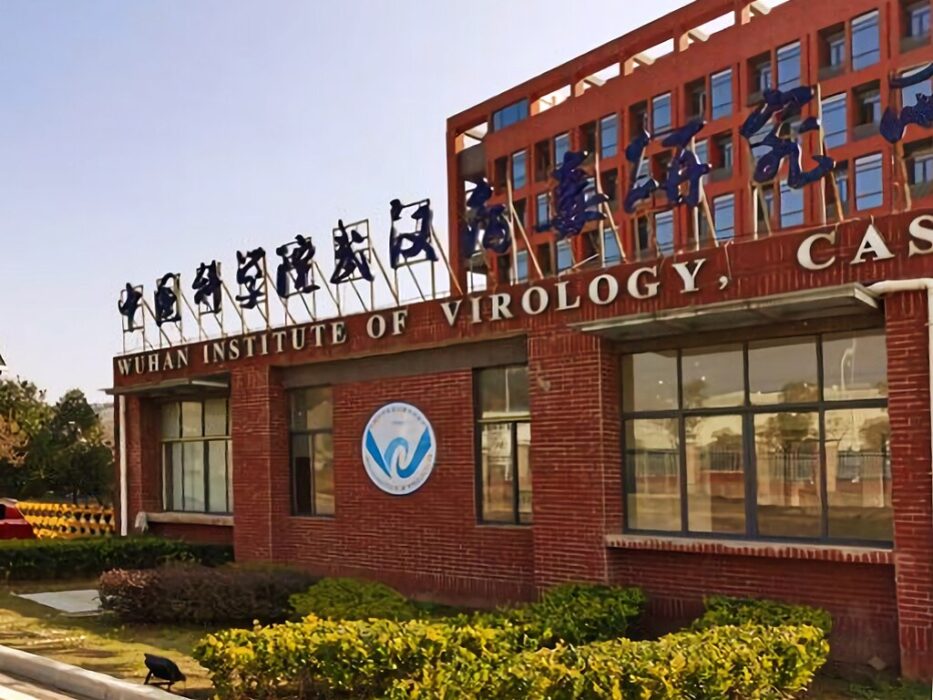
When viruses escape the lab, even by accident, the consequences can be devastating. Scientists around the world have studied how easily a small mistake could spark another global outbreak, similar to or worse than the COVID-19 pandemic. Research labs handle some of the world’s most dangerous pathogens, and even with strict safety measures, accidents still happen. Experts are now warning that if another lab leak occurs, it could trigger rapid transmission, global panic, and long-term public health crises.
1. Accidental Exposure Can Happen Even in Secure Labs
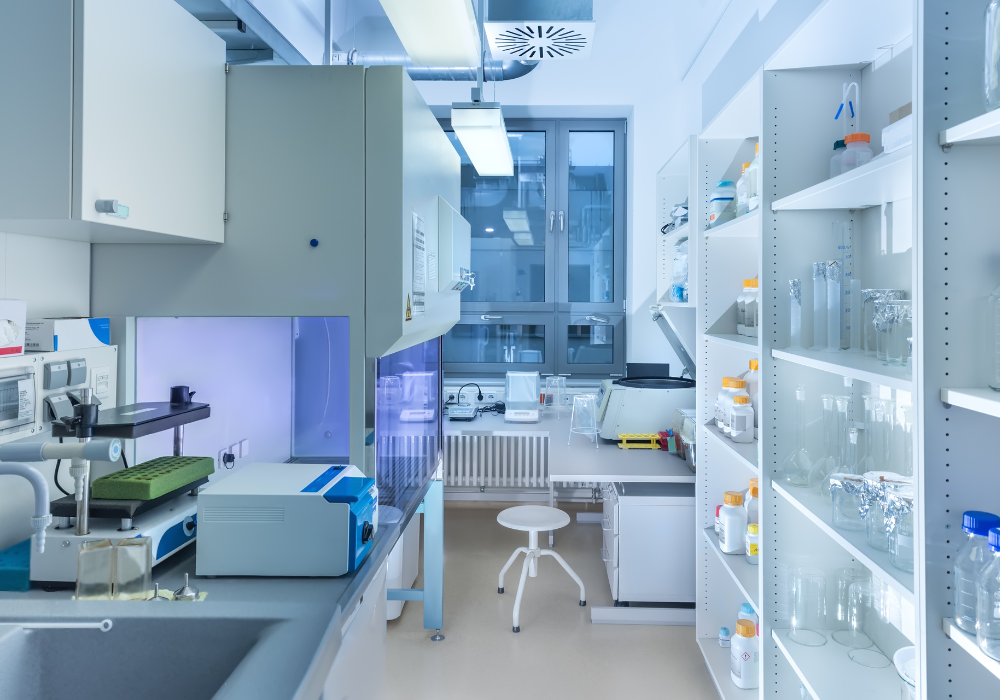
Even the world’s most advanced labs can’t guarantee absolute safety. The U.S. Centers for Disease Control and Prevention (CDC) has documented incidents where lab workers were accidentally exposed to pathogens such as anthrax and influenza. Equipment malfunctions, improper handling, or a momentary lapse in protocol can be enough to release a virus into the surrounding environment.
While containment labs operate under strict biosafety levels (BSL-3 or BSL-4), human error remains an unavoidable factor. Scientists emphasize that “zero risk” is impossible — meaning even rare incidents can have serious consequences.
2. Global Travel Could Spread a Leak in Days
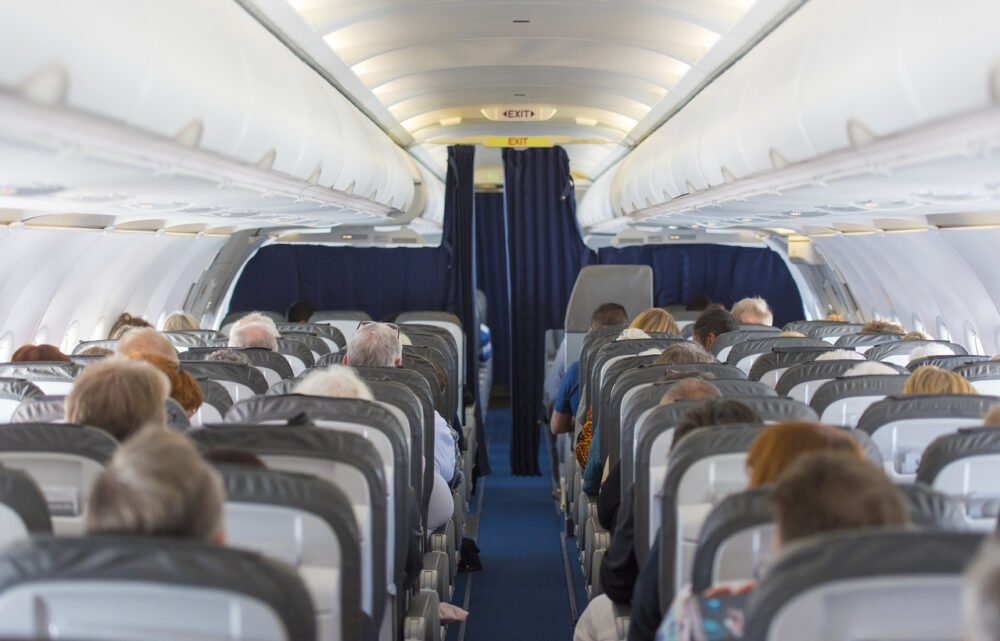
Modern air travel allows diseases to move across continents faster than ever. The 2003 SARS outbreak spread to more than two dozen countries in a matter of weeks — largely through airline passengers. A similar event caused by a lab accident could follow the same pattern but unfold even faster.
With today’s interconnected cities, a single infected individual could unknowingly expose thousands before showing symptoms. Epidemiologists say this rapid mobility makes containment much harder than in past decades.
3. New Variants Could Emerge Unchecked
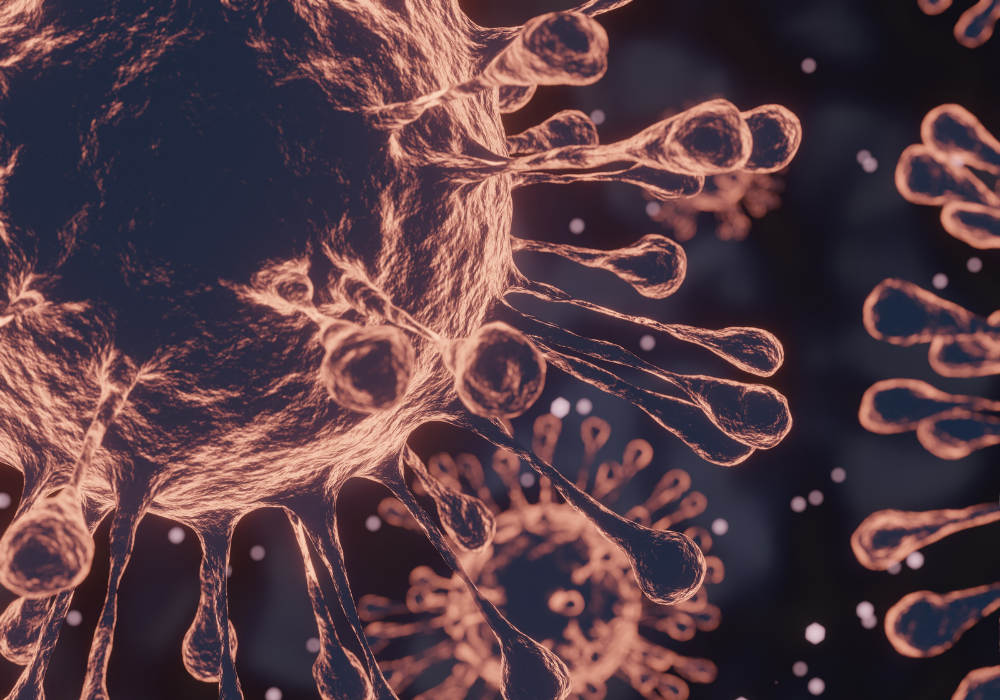
One of the biggest scientific fears is that a lab-modified virus could mutate in unpredictable ways once outside controlled conditions. When pathogens interact with human hosts, they often adapt quickly, potentially making them more contagious or resistant to treatments.
Researchers stress that viruses used in “gain-of-function” studies — designed to understand transmission or virulence — require extreme oversight. If such a strain escaped, tracking mutations could become a race against time for global health authorities.
4. Public Trust in Science Could Collapse

Another lab leak could erode public faith in research institutions and health agencies. During the COVID-19 pandemic, misinformation about origins fueled widespread skepticism toward science and government guidance. Experts worry that another incident could deepen that divide.
Once public confidence breaks down, people are less likely to follow safety measures or vaccination efforts. That could worsen any outbreak and slow down containment, even when accurate information is available.
5. Local Health Systems Could Overload Quickly
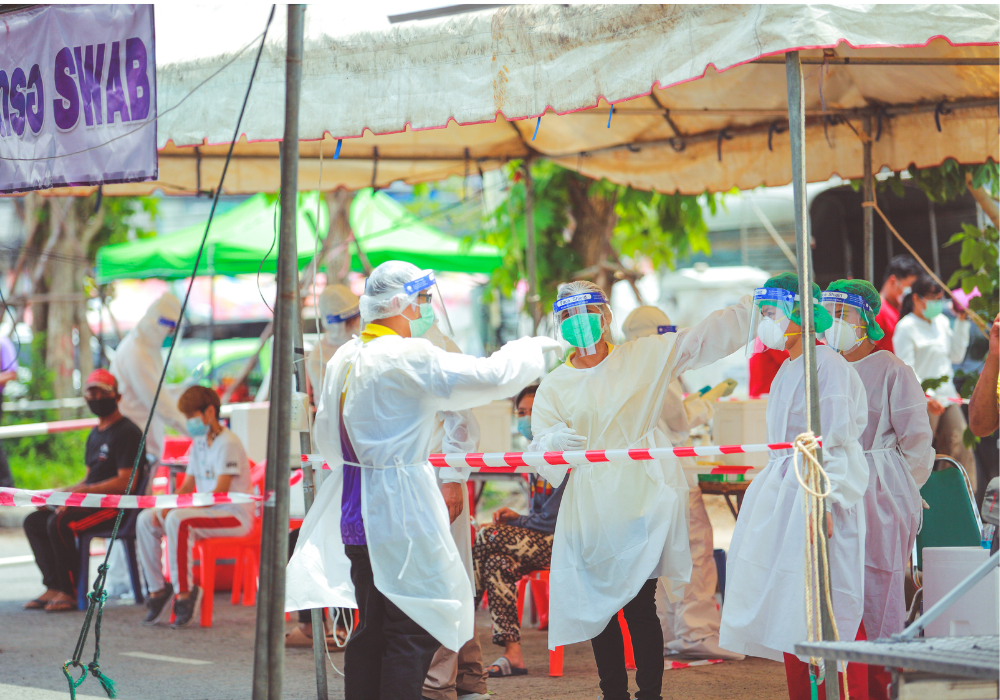
Even a small outbreak can overwhelm hospitals if it spreads rapidly. Most healthcare systems operate close to capacity during flu seasons, leaving little room for emergencies involving new infectious diseases. A lab leak leading to an unfamiliar pathogen could trigger shortages of protective gear, test kits, and ICU beds within weeks.
The World Health Organization (WHO) warns that many countries still lack the infrastructure to manage another global health crisis on the scale of COVID-19. That makes early detection and transparency crucial.
6. International Cooperation Could Break Down

If a lab leak occurred, geopolitical tensions could quickly escalate. During COVID-19, accusations over origin theories strained relationships between major powers, especially the United States and China. Experts say a repeat scenario might lead to even greater mistrust and reduced data sharing.
Without international collaboration, scientists would have fewer tools to trace the source or develop countermeasures quickly. Delayed communication between nations could allow an outbreak to grow unchecked.
7. Economic Shockwaves Could Follow Instantly
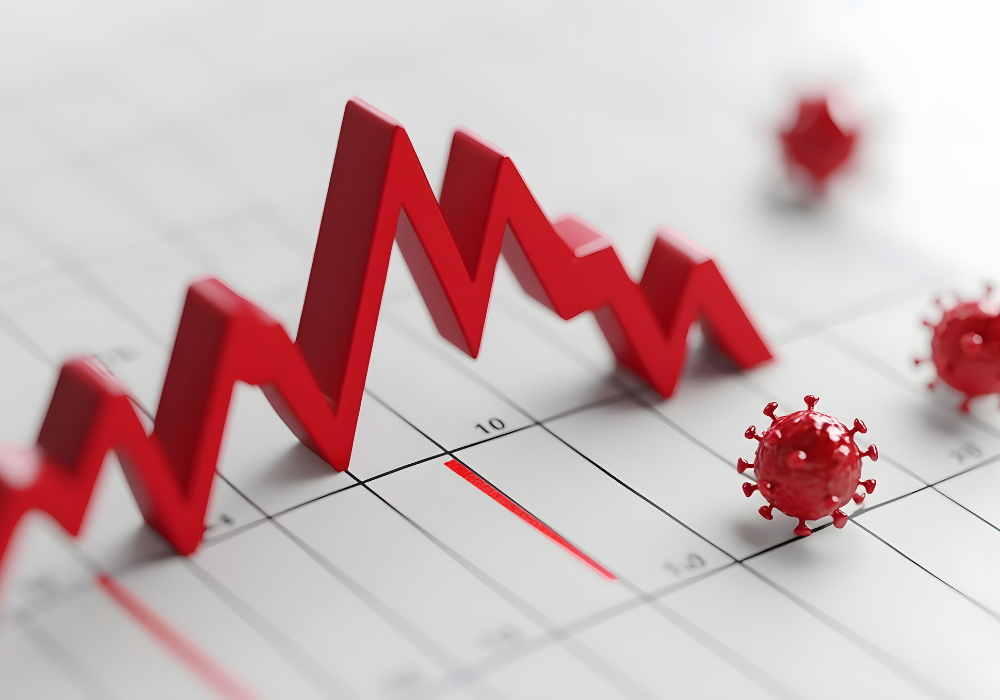
The economic impact of another pandemic-level event could be staggering. The International Monetary Fund estimated global losses from COVID-19 exceeded $12 trillion by 2024. A future lab-related outbreak could cause similar market crashes, supply chain disruptions, and job losses almost overnight.
Industries dependent on travel, tourism, and manufacturing would be hit first, but ripple effects would reach nearly every sector. Economists warn that the global economy has not fully recovered from the last pandemic, leaving it more vulnerable to new shocks.
8. Scientists Could Face Harsher Restrictions

A future incident could lead to widespread calls for tighter limits on biological research. Governments might suspend or ban controversial studies involving dangerous pathogens, even when such work helps prevent future pandemics.
Experts worry that blanket restrictions could slow progress in vaccine development and infectious disease research. The challenge, they say, is finding a balance between innovation and biosecurity that keeps both science and the public safe.
9. Disinformation Could Spread Faster Than the Virus
During the COVID-19 pandemic, conspiracy theories and false claims circulated online faster than verified information. If another lab leak happened, social media platforms could again amplify misinformation before health officials could respond.
Public health experts stress that disinformation can worsen crises by promoting fear, distrust, and resistance to lifesaving measures. Combating false narratives would require coordinated communication between scientists, media outlets, and technology companies.
10. Emergency Preparedness Might Still Fall Short
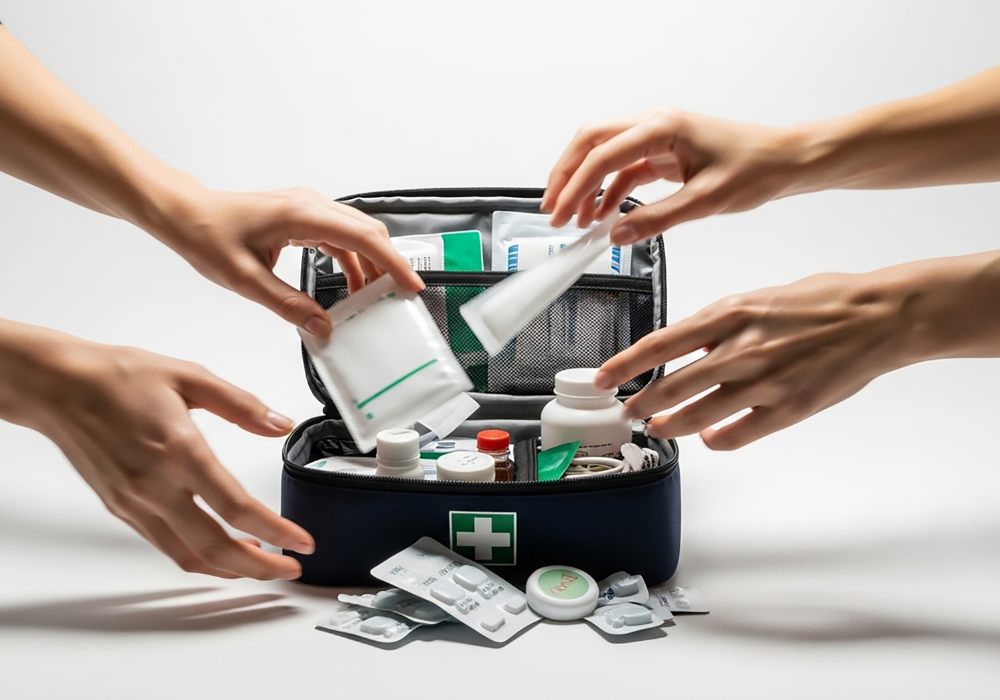
Despite lessons learned from recent pandemics, many nations remain underprepared for biological emergencies. The Global Health Security Index shows that more than half of all countries lack sufficient lab oversight and disease surveillance systems.
Scientists emphasize that emergency drills, faster vaccine production, and transparent reporting must improve globally. Without those upgrades, even a small laboratory accident could spiral into a large-scale disaster before containment efforts begin.
11. Ethical Oversight Is Still a Global Weak Spot

Bioethics experts warn that inconsistent international standards leave dangerous gaps in lab safety. Some facilities operate under strict national laws, while others rely on voluntary compliance. That inconsistency creates risk — especially when research involves high-risk pathogens.
Calls for a global framework on biosafety and transparency have grown stronger in recent years. Experts argue that better coordination and enforcement could prevent future accidents and ensure scientific progress doesn’t come at the expense of public safety.