
Recent reports and investigations shed new light on ExxonMobil’s global environmental footprint.

Recent investigations and legal actions are drawing new attention to ExxonMobil’s global environmental impact. Several state attorneys general, including New York and Massachusetts, have brought high-profile cases examining whether the company misled investors about climate-related financial risks. California has filed a lawsuit alleging the company contributed to plastic pollution, while federal agencies continue reviewing emissions and environmental compliance at major facilities. These inquiries, along with academic analyses of historical internal documents, offer a clearer picture of how one of the world’s largest energy companies affects the environment.
1. Investigators Are Examining ExxonMobil’s Climate Disclosures

Several state attorneys general and regulatory bodies have opened inquiries into how ExxonMobil has described climate-related risks to investors. These actions focus on whether disclosures accurately reflect the company’s understanding of long-term environmental impacts and market pressures. Public documents and testimony provide the basis for these investigations.
Although the outcomes remain unresolved, the inquiries indicate increasing scrutiny of how large energy companies communicate climate data. ExxonMobil has denied wrongdoing and maintains that its disclosures meet regulatory requirements.
2. New Reports Revisit ExxonMobil’s Early Climate Research

Recent analyses by academic researchers and journalists have reexamined internal Exxon scientific documents from past decades. These reports show that the company funded climate modeling research that aligned with mainstream scientific projections. The findings suggest Exxon’s internal understanding of climate risks was similar to that of independent scientists at the time.
ExxonMobil has publicly argued that these reports mischaracterize its historical work, stating that it has long supported climate research. The debate continues to inform discussions about the company’s role in early climate communication.
3. Plastic Pollution Investigations Have Gained Momentum

Some recent investigations and lawsuits focus on the role of major petrochemical producers in global plastic pollution. Reports from environmental groups and state officials claim that plastics derived from fossil fuels contribute significantly to waste and microplastic contamination in ecosystems.
ExxonMobil, which manufactures chemical feedstocks used in plastics, has responded that plastics are essential materials and that the company supports recycling technology and waste reduction initiatives. The legal actions are ongoing, and no final determinations have been made.
4. Emissions Data Highlight the Scale of Industrial Output

Environmental agencies, including the EPA, publish annual emissions data for major industrial facilities. These reports show that ExxonMobil refineries and chemical plants contribute to greenhouse gas emissions, air pollutants, and industrial waste in accordance with their operational scale.
ExxonMobil states that it is working to reduce emissions through carbon-capture technologies, facility upgrades, and improved efficiency. The company has announced net-zero goals for certain operations, though critics note these commitments vary by region and scope.
5. Global Operations Have Drawn Local Environmental Concerns

In regions where ExxonMobil operates offshore platforms, refineries, or chemical facilities, local watchdog groups have raised concerns about air quality, flaring, and water pollution. These concerns are typically documented through public environmental agencies, local reporting, or community monitoring.
ExxonMobil asserts that its operations meet applicable environmental regulations and that it invests in safety and monitoring systems. Regulators continue to review and enforce compliance as part of standard oversight.
6. Legal Actions Focus on Consumer and Investor Transparency

Some investigations center on whether ExxonMobil’s public statements about climate change and energy strategy accurately reflect internal assessments. These cases often involve consumer protection or securities laws. Documents from discovery phases are frequently cited in media reports.
ExxonMobil rejects allegations of misleading conduct and argues that lawsuits targeting its speech violate its First Amendment rights. Court proceedings remain ongoing.
7. Researchers Track Downstream Impacts of Petrochemical Production

Scientific studies published in environmental journals examine how petrochemical production contributes to air and water contaminants. These studies evaluate emissions from industrial clusters along the Gulf Coast, where several ExxonMobil facilities operate.
While the research does not target ExxonMobil exclusively, it provides context for understanding broader regional pollution patterns. The company emphasizes its investments in emissions controls and compliance with regulatory standards.
8. International Projects Receive Environmental Assessments

Large energy developments, such as ExxonMobil’s offshore projects in Guyana and Papua New Guinea, undergo environmental impact assessments conducted by governments and independent reviewers. These assessments document potential risks to marine habitats, fisheries, and coastal communities.
ExxonMobil states that its operations follow international best practices and that environmental safeguards are incorporated into project design. Monitoring continues through local regulatory agencies.
9. Carbon Capture Efforts Are Growing but Remain Limited
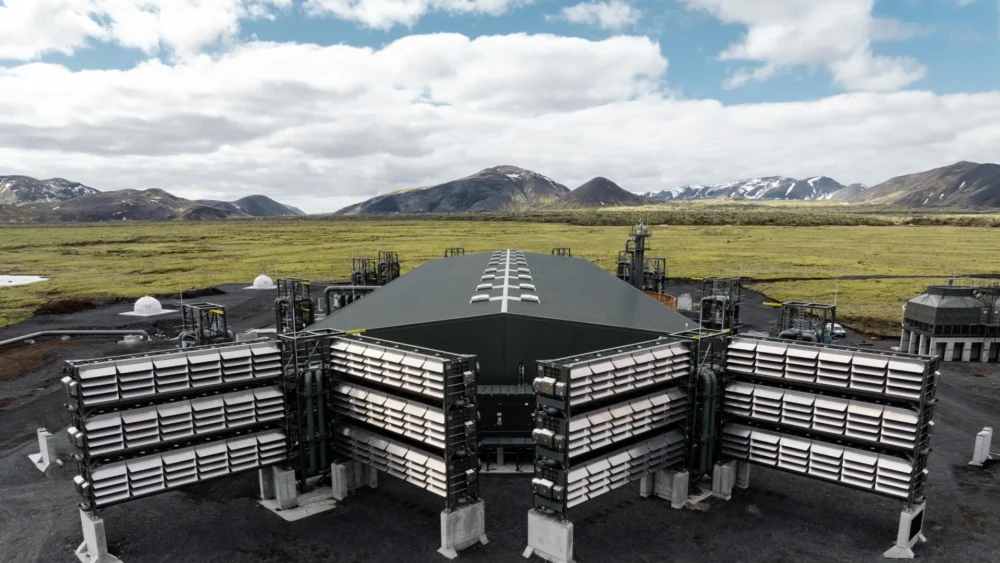
ExxonMobil has expanded its development of carbon-capture and storage technology and announced plans for large-scale hubs. Independent analysts note that while these technologies can reduce emissions, their current deployment remains small relative to total industrial output.
The company argues that carbon capture is essential for long-term decarbonization and that investment will accelerate as policies and markets evolve. Researchers continue evaluating the effectiveness of these solutions.
10. The Full Environmental Picture Is Still Developing

Because many investigations, lawsuits, and regulatory reviews remain active, the complete environmental assessment of ExxonMobil’s operations is still evolving. New findings continue to emerge from academic studies, government audits, and public data analysis.
Experts say that understanding the environmental impact of a global energy company requires examining both its emissions and its investments in cleaner technologies. As research advances, a clearer overall picture is slowly taking shape.