
Experts say President Kennedy’s survival could have changed everything—from Vietnam to civil rights to the Cold War.

When President John F. Kennedy was assassinated in Dallas on November 22, 1963, it marked one of the most tragic turning points in American history. His death reshaped the decade that followed—fueling political upheaval, deepening divisions, and altering global power dynamics. But what if he had survived? Historians say Kennedy’s continued leadership could have steered the United States down a drastically different path. From war policy to social progress, the ripple effects might have transformed both America and the world.
1. Kennedy Planned a Gradual Withdrawal from Vietnam

Before his death, Kennedy had approved National Security Action Memorandum 263, which ordered the withdrawal of 1,000 U.S. military advisers from Vietnam by the end of 1963. His advisers, including Robert McNamara and General Maxwell Taylor, later said Kennedy was skeptical about deeper involvement.
If he had lived, historians believe he likely would have continued to reduce U.S. presence rather than escalate the conflict. Without the Gulf of Tonkin incident under Johnson, the Vietnam War might never have reached the massive troop levels that defined the late 1960s.
2. The Civil Rights Movement Might Have Progressed More Slowly
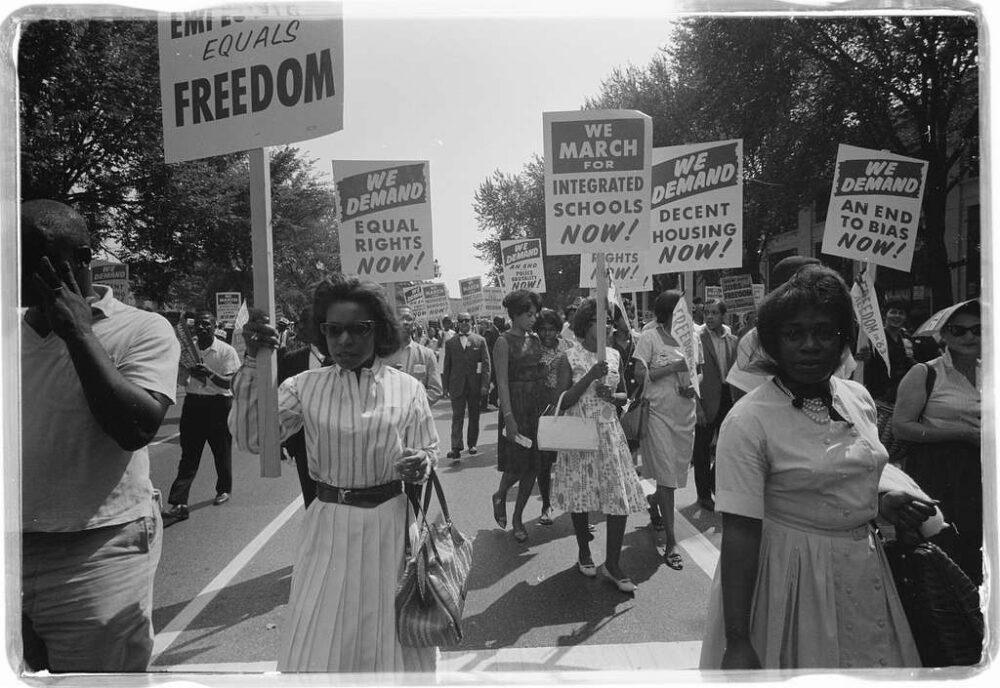
Kennedy had begun supporting civil rights legislation in 1963, but his political strategy was cautious. He feared losing support from Southern Democrats who controlled Congress. His successor, Lyndon Johnson, used his legislative experience and the nation’s grief to push through the Civil Rights Act of 1964.
If Kennedy had remained president, many historians believe progress would still have come—but likely at a slower pace. Kennedy favored negotiation and persuasion over confrontation. Johnson’s forceful leadership on civil rights may have been unique to that post-assassination moment.
3. The Space Race Could Have Taken a Collaborative Turn

Kennedy famously declared that America would land a man on the Moon before the decade’s end, fueling national pride and technological innovation. But less known is his 1963 proposal to the Soviet Union for a joint lunar mission.
Documents released later show Kennedy’s genuine interest in cooperation rather than competition. Had he lived, the Cold War’s symbolic “space race” might have evolved into a shared scientific endeavor. Such collaboration could have softened U.S.–Soviet tensions and fostered earlier international partnerships in space exploration.
4. U.S.–Soviet Relations Might Have Eased

After the Cuban Missile Crisis of 1962, Kennedy and Soviet Premier Nikita Khrushchev began secret back-channel communications to reduce nuclear tensions. The two leaders signed the Limited Nuclear Test Ban Treaty in 1963—the first significant arms control agreement of the Cold War.
If Kennedy had remained in power, historians believe this cautious thaw could have deepened. Kennedy’s diplomacy emphasized coexistence and dialogue over brinkmanship. A sustained détente might have delayed or prevented later flashpoints such as the escalation of the arms race or the 1970s’ renewed geopolitical rivalries.
5. The Great Society Likely Wouldn’t Have Existed

Lyndon Johnson’s presidency ushered in sweeping domestic reforms, including Medicare, Medicaid, and the War on Poverty. While Kennedy had proposed limited social initiatives, his focus was more on economic growth through tax cuts and moderate welfare expansion.
Without Johnson’s aggressive legislative drive and political capital gained after 1963, it’s unlikely the Great Society programs would have been enacted on the same scale. Kennedy’s domestic agenda was pragmatic rather than visionary, suggesting a more incremental approach to social policy.
6. U.S. Politics Might Have Stayed More Centered
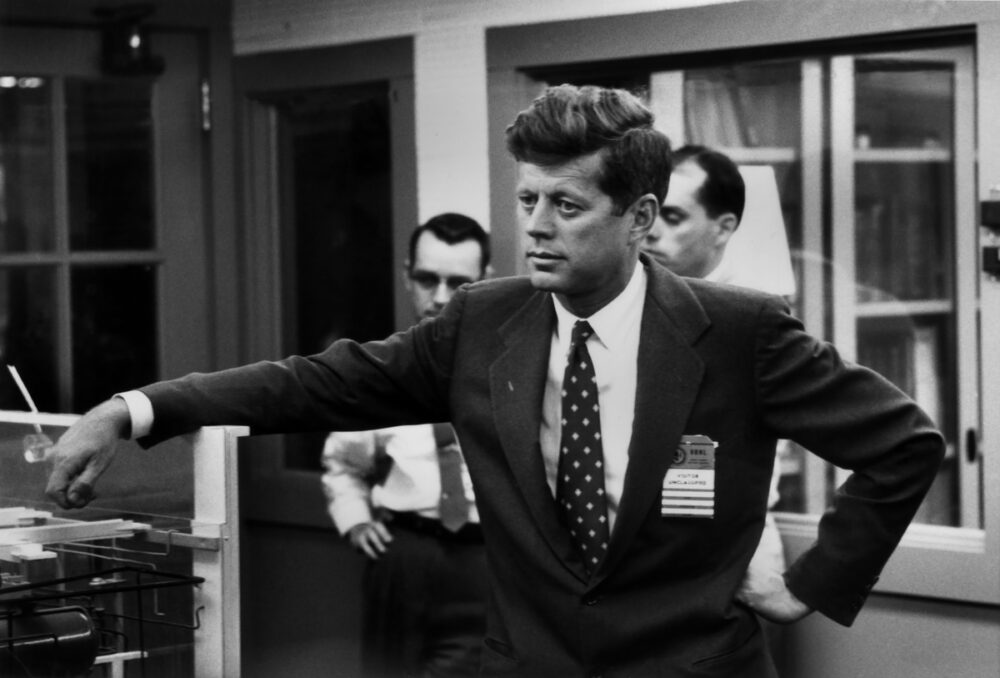
Kennedy’s charisma and broad appeal allowed him to bridge divides between liberals and conservatives within his party. His survival might have delayed the political polarization that deepened under Johnson and Nixon.
Historians suggest that Kennedy’s continued presidency could have preserved a sense of postwar consensus politics longer into the 1960s. Without Vietnam’s divisive impact or the cultural backlash that followed, the partisan realignment that reshaped modern American politics might have occurred more gradually.
7. The Counterculture Movement Might Have Been Less Confrontational

The disillusionment of the late 1960s was fueled by the Vietnam War, civil unrest, and the assassinations of major leaders. Kennedy’s presence might have mitigated some of that despair. His youth and optimism inspired trust among younger Americans who later grew alienated from authority.
If he had lived, historians argue, the student protests and antiwar movements might have emerged more moderately. The cultural revolution would still have occurred, but its tone—less defined by anger and loss—might have been tempered by continued faith in democratic institutions.
8. Relations With Cuba Might Have Normalized
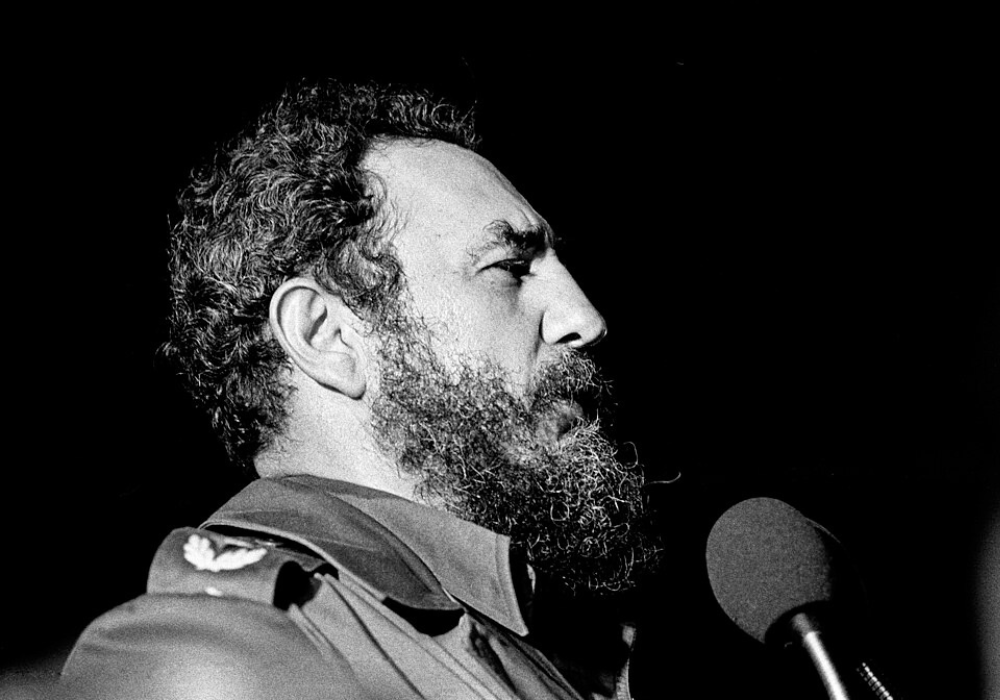
By late 1963, Kennedy had privately expressed interest in reopening dialogue with Fidel Castro. Declassified documents from the U.S. National Archives show that secret communications between Washington and Havana had already begun.
If Kennedy had remained in office, it’s possible that diplomatic relations could have resumed within a few years. Such a shift might have altered decades of Cold War tension in the Western Hemisphere, preventing Cuba from becoming a long-term flashpoint in U.S. foreign policy.
9. The Warren Court Might Have Faced Different Pressures

The Supreme Court under Chief Justice Earl Warren issued landmark rulings on civil rights and individual liberties throughout the 1960s. Kennedy’s continued presidency might have affected both judicial appointments and the political climate surrounding those decisions.
Kennedy’s moderate temperament suggests he would have supported many of the Court’s progressive decisions while maintaining broader political stability. Without Johnson’s massive social agenda and Nixon’s backlash, the judiciary might have evolved with less controversy and greater public support.
10. The Cold War Could Have Softened Earlier

Kennedy’s foreign policy after the Cuban Missile Crisis reflected a growing caution toward military intervention. He had resisted calls to invade Cuba and was increasingly focused on diplomacy through the United Nations and bilateral talks.
If this approach had continued, the U.S. might have adopted a more cooperative global stance a decade earlier than détente under Nixon. Kennedy’s emphasis on restraint and negotiation might have produced an earlier era of relative peace between the superpowers.
11. Bobby Kennedy’s Political Future Would Have Changed
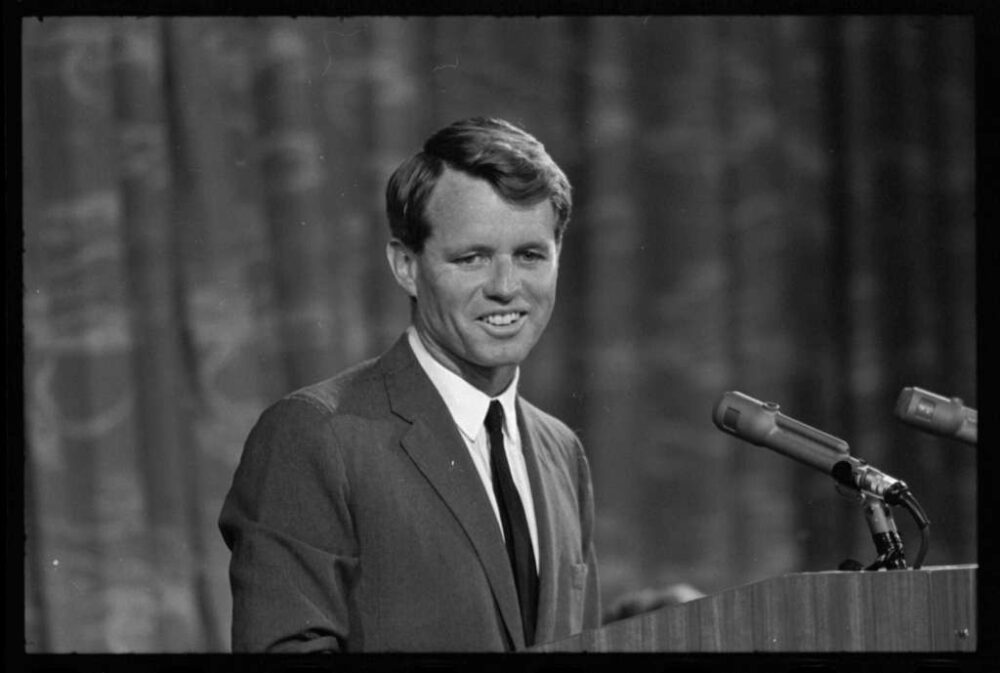
John Kennedy’s survival would have profoundly affected his brother Robert F. Kennedy’s career. Without the assassination, Robert likely would have remained attorney general through 1968 and might have run for president later, after John’s second term.
Historians suggest this alternate timeline could have made Robert Kennedy a unifying figure in postwar politics—without the tragic arc that defined his real-life campaign. The Kennedy family’s political influence might have continued far longer into the late 20th century.
12. America’s Identity Might Have Been More Optimistic
Kennedy’s death became a cultural trauma that shattered the optimism of postwar America. It marked the symbolic end of the nation’s age of innocence and the beginning of a more cynical era.
If Kennedy had lived, that optimism—anchored in his “New Frontier” vision—might have endured longer. His leadership could have maintained a national sense of purpose through the 1960s, shaping a country more confident in progress and less defined by division and doubt.