
A few famous movie scenes may have rewritten ancient history more than you realized.

Hollywood’s ancient world looks so solid you can almost smell the marble. But that “realistic” look is often built from modern assumptions, not evidence. The details are chosen to feel familiar to us, not to them.
When archaeologists study pigments, bones, tax records, and street graffiti, the past starts to feel less like an action set and more like a crowded, colorful place full of rules and worries.
Below are movie moments you probably remember, from Gladiator to 300 to Cleopatra, plus what historians say those scenes usually get wrong, and what the evidence suggests instead. Some myths are harmless. Some are not.
1. The “White Marble” Look Is a Modern Invention

Movies like Gladiator and Troy love the look of pure white marble, as if the ancient world was built for a museum. The reality is that many Greek and Roman statues, temples, and reliefs were painted and sometimes gilded, with color used to signal status and power.
Pigment traces and lab analysis have shown polychromy on surviving works. So that “clean” aesthetic is mostly a modern afterimage of weathering, restoration, and taste. Ancient cities were louder visually than Hollywood usually allows.
2. 300 Turned Spartan Warfare Into a Shirtless Fantasy

In 300, Spartans fight nearly bare-chested, moving like comic-book ninjas. The historical Spartans at Thermopylae fought as hoplites, typically using heavy shields and spears, and often wearing armor such as helmets and cuirasses, even if gear varied by wealth and period.
The film is based on a graphic novel, so stylization is the point. But it leaves viewers thinking ancient battles were all individual duels. In reality, discipline, formation, and sheer endurance mattered more than six-pack heroics.
3. Gladiator Combat Was Not Constant 1-on-1 Chaos
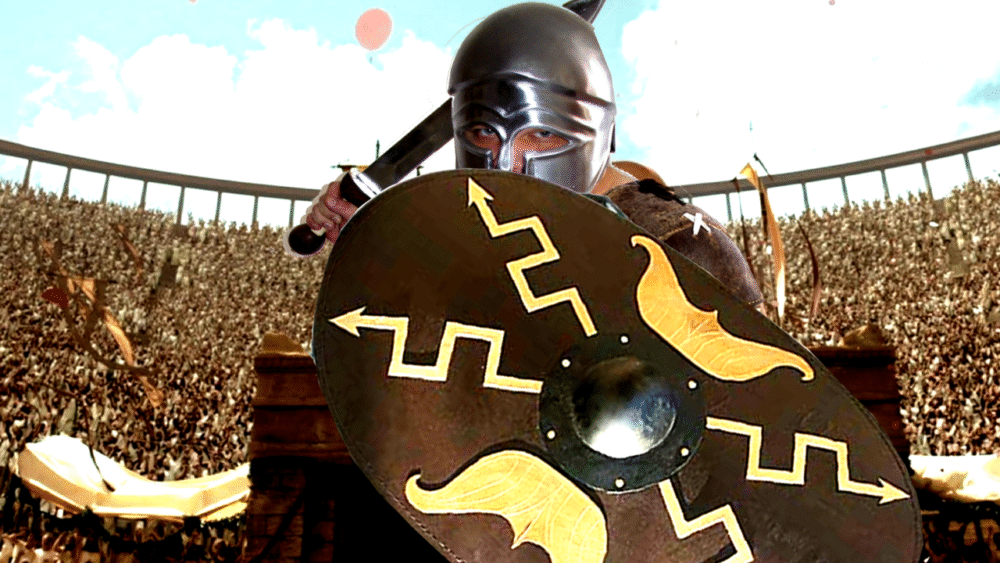
Gladiator makes arena fights feel like nonstop free-for-alls, with improvised weapons and last-second rule breaking. Real gladiatorial games were staged entertainment with categories, referees, and training schools. Fighters were expensive investments, so organizers had reasons to manage risk and keep popular stars alive.
That does not mean it was “safe,” and deaths happened. But the vibe was closer to regulated spectacle than random slaughter. Hollywood simplifies the system because rules, contracts, and referees are harder to film than chaos.
4. Cleopatra Did Not Look Like a 1960s Fashion Icon

The 1963 film Cleopatra gave Elizabeth Taylor a glam, modern look and outfits that feel more Las Vegas than Alexandria. Historically, Cleopatra VII was a Ptolemaic ruler of Greek Macedonian ancestry in Egypt, operating in a very specific political and cultural world.
We cannot know her exact appearance, but we do have coins, busts, and texts that suggest a more realistic range than the movie’s styling. The biggest miss is not beauty, it is context: she was a strategist in a brutal Roman power struggle.
5. Ancient People Did Not Speak in British Accents
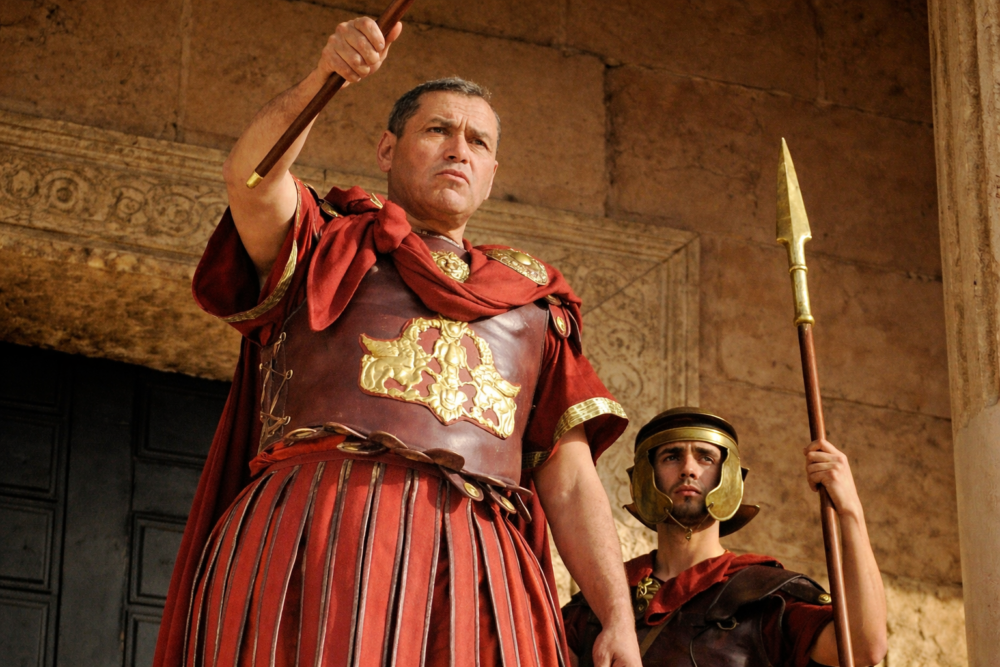
From Troy to Gladiator to Cleopatra, everyone speaks modern English with prestige accents, as if Rome and Greece sounded like a London stage. In reality, the Mediterranean was multilingual. Latin and Greek dominated different regions, and local languages thrived everywhere.
That language mix shaped identity, class, and politics. Even within Rome, education and status affected how people spoke. Films flatten that complexity because subtitles can scare studios. But the ancient world sounded far more varied, and more surprising, than Hollywood suggests.
6. Slavery Was Not a Side Plot You Could Ignore

Big epics like Gladiator and Spartacus show slavery, but often treat it as a temporary obstacle for the hero. In many ancient societies, slavery was structural, tied to war, debt, and household economy. It shaped labor, wealth, and social status at every level.
Enslaved people worked in homes, workshops, fields, and mines, and their lives were recorded in laws, sales contracts, and inscriptions. When movies soften this, they make the ancient world feel morally simpler. The reality was harsher and more entangled.
7. Romans Were Not Always Filthy, and Not Always Clean
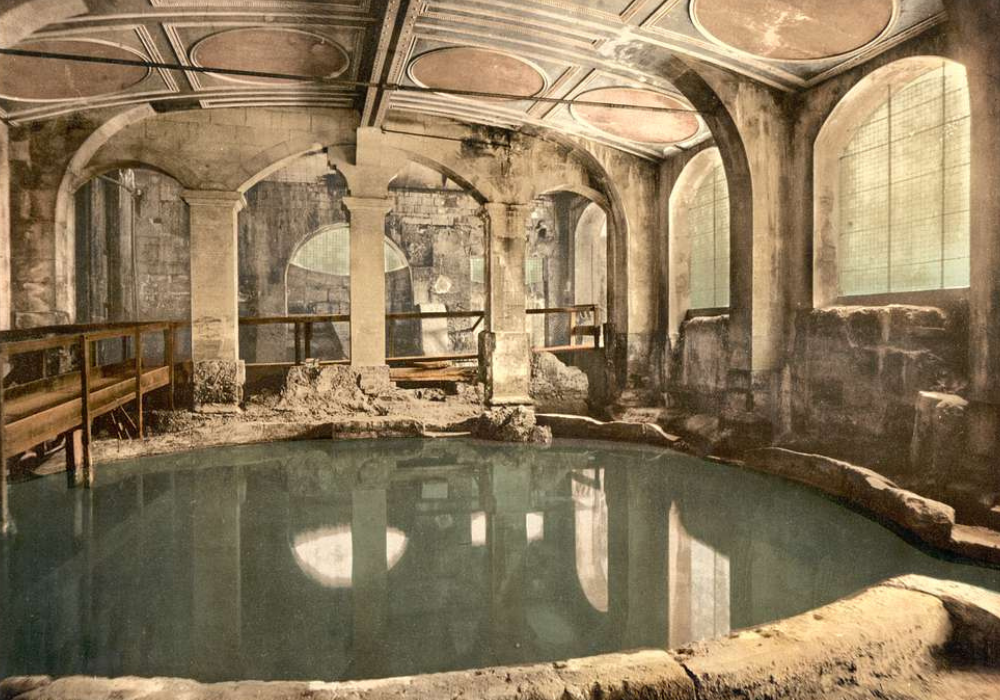
Hollywood loves the contrast of grimy streets and decadent elites, especially in films like Gladiator. Roman cities did have sewage, smoke, and crowding. But they also had bath complexes, public fountains, and surprisingly organized infrastructure for water in many places.
Bathing was social, not rare, and cleanliness had cultural value. At the same time, parasites and disease were common, and sanitation was uneven by neighborhood and region. The truth is messier than either stereotype: neither spotless marble nor constant sludge.
8. Feasts Were Less “Grapes and Gold” Than You Think
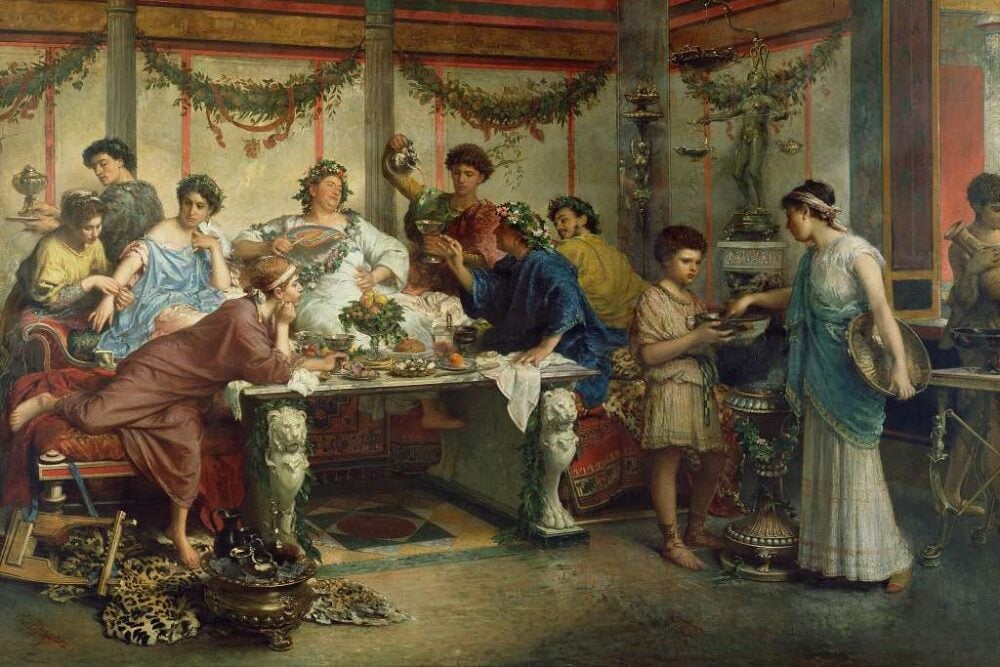
Movie banquets, from Cleopatra to Roman epics, lean on endless grapes, whole animals, and casual waste. Elite feasts could be extravagant, but most people ate simple staples most days: grains, legumes, vegetables, olives, and whatever local protein they could afford.
Even at high-status meals, food carried social rules about seating, serving, and display. Archaeology, recipes, and trash deposits show a real menu that is more regional and practical than the fantasy table. Hollywood turns diet into décor, but it was daily economics.
9. Women Were Not Only Victims or Seductresses
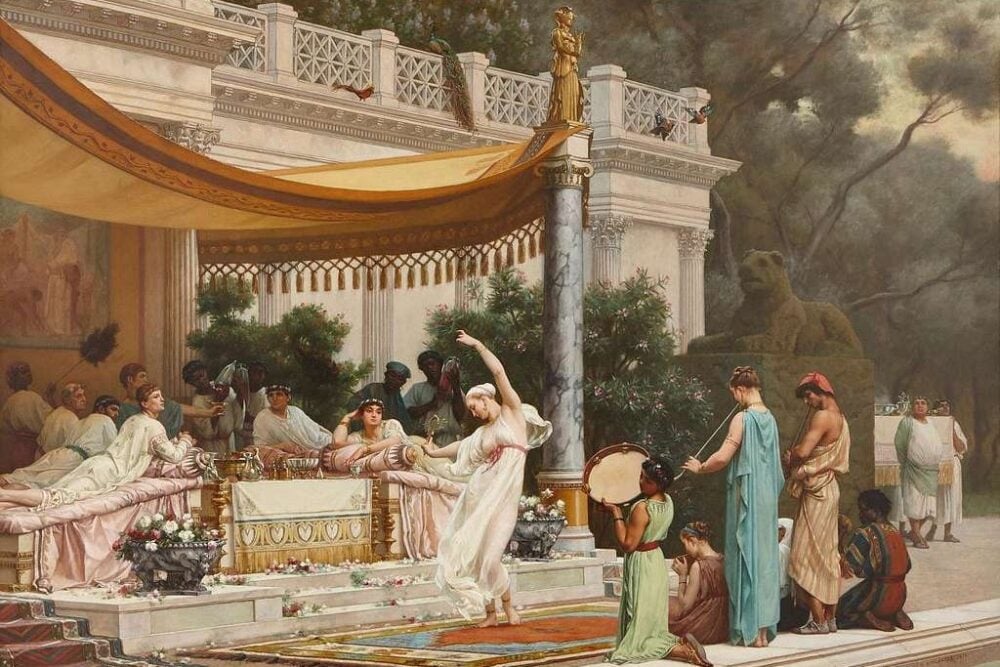
In Troy and Cleopatra, women often exist mainly to motivate men, suffer, or tempt. Ancient societies were patriarchal, but women’s lives were not one-note. Depending on time and place, women could own property, run businesses, fund temples, and hold religious authority.
Inscriptions, tomb art, and legal documents record real women as patrons, traders, and professionals. Films keep roles narrow because it fits familiar story archetypes. History is not “girlboss” fantasy either, but it is far more textured than Hollywood usually shows.
10. Religion Was Everyday Logic, Not Background Superstition

Movies often treat ancient religion as scenery, like offerings in the corner, or as simple magic that only villains take seriously. In many ancient societies, ritual and omens shaped politics, farming, travel, and war planning. It was a framework for interpreting risk and fate.
That is why characters in films like Troy can feel oddly modern, debating faith like a personal hobby. For many ancient people, religion was public, civic, and constant. It was less about private belief and more about keeping the world in balance.
11. Time and Distance Were Not Movie-Montage Friendly
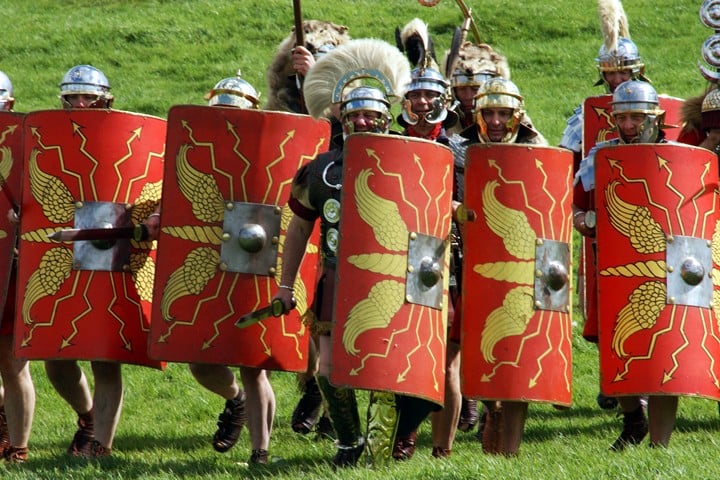
Epic films compress travel so heroes can sprint from battle to palace to desert in a few scenes. In Troy, Alexander, and Roman dramas, journeys that would have taken weeks or months become quick transitions. Seasons, weather, and sickness mattered, and delays were normal.
This changes how we understand politics and war. Messages traveled slowly, supply lines were fragile, and rulers could not micromanage far territories. When films speed everything up, they make ancient states look more centralized and responsive than they often were.