
It looks harmless, but tossing that battery could spark a disaster.

Tossing a lithium battery in the trash might not feel like a big deal—but it absolutely is. That little power pack in your old phone, vape pen, or electric toothbrush can turn into a fire-starting, toxin-leaking nightmare once it hits a landfill or garbage truck. These batteries are packed with flammable materials and reactive metals that don’t play nice with heat, pressure, or moisture.
And once they’re crushed, punctured, or overheated? Boom—fires, toxic fumes, and environmental damage that lingers for decades. It’s not just bad recycling—it’s a real hazard. If you’ve ever tossed one without a second thought, you’re not alone.
But once you know what really happens next, you’ll never look at that “harmless” little battery the same way again.
1. That “harmless” battery could start a fire inside your garbage truck.

It sounds dramatic, but it’s true—lithium batteries are one of the top causes of trash and recycling truck fires. When compacted under pressure, they can spark, overheat, and ignite surrounding materials. Suddenly, your everyday trash becomes a rolling fire hazard.
These fires can burn hot and fast, putting workers and first responders in serious danger. Even worse? They’re hard to put out because lithium reacts violently to water.
Fire departments across the country are seeing more of these battery-fueled blazes, and most start with one careless toss. You might think it’s no big deal, but that tiny battery in your junk drawer could end up causing a full-blown inferno once it hits the back of a compactor.
2. Toxic chemicals leak out and poison the environment around them.

Inside that battery are heavy metals and nasty chemicals like cobalt, manganese, and lithium salts. When you toss one in the trash, it eventually ends up crushed or broken open, letting all that gunk seep into landfills—and then into the soil and groundwater.
That means the same stuff that once powered your favorite gadgets could wind up in the water supply, harming wildlife, damaging ecosystems, and possibly affecting human health. This isn’t some abstract danger that takes decades to unfold—some of these toxins leach out quickly and don’t go away easily.
What starts as a casual disposal mistake becomes a long-lasting environmental problem with ripple effects far beyond your trash bin.
3. Landfills become unstable—and sometimes explosive.

When lithium batteries are buried in landfills with mountains of other waste, they don’t just sit quietly. As organic matter breaks down and heats up, it can trigger the battery to react. That chemical reaction releases gases, builds pressure, and creates pockets of highly flammable material.
In the worst cases, it leads to smoldering fires deep underground—or even sudden explosions. Once ignited, these landfill fires are insanely difficult to control and can burn for days or even weeks.
The cost to contain them is massive, both financially and environmentally. And it can all start with a single battery tossed where it doesn’t belong. What seems like trash today could turn into tomorrow’s disaster zone.
4. The fumes released are dangerous to breathe—and they spread fast.

When a lithium battery catches fire or ruptures, it releases a toxic cocktail of fumes, including hydrogen fluoride, carbon monoxide, and other nasty gases. These chemicals can irritate your eyes, skin, and lungs—and in high enough concentrations, they’re seriously hazardous.
For sanitation workers, firefighters, and even bystanders, a battery fire isn’t just about flames—it’s about what’s floating in the air. And the scary part? You can’t always see or smell the worst of it.
In a closed environment like a garbage truck or processing facility, these fumes can reach dangerous levels fast. A careless toss of a battery can turn an ordinary workday into a health emergency.
5. Recycling centers shut down operations after just one battery fire.

Facilities that handle trash and recycling operate like well-oiled machines—until a lithium battery throws a wrench in the system. One fire caused by a single battery can lead to full shutdowns, expensive equipment damage, and days of cleanup.
Workers are evacuated, sorting lines are halted, and materials are lost or contaminated. It’s not just an inconvenience—it’s a major disruption with real costs. Many centers report multiple fire incidents per year, and they’re all caused by improper battery disposal.
Your battery might seem too small to matter, but multiplied by thousands of others, it becomes a ticking time bomb that can derail entire operations.
6. Valuable materials inside the battery are completely wasted.
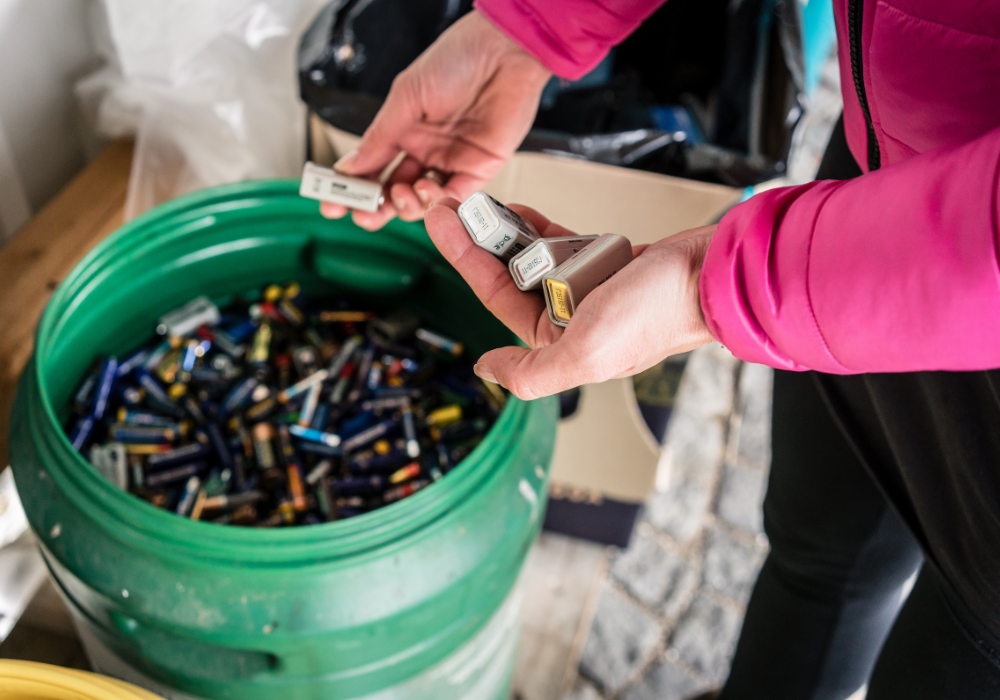
Ironically, lithium batteries are full of materials that can be reused—lithium, nickel, cobalt, and even copper. But once you throw one in the trash and it ends up in a fire or buried in a landfill, all of those valuable resources go to waste.
Instead of being recovered and used to build new batteries or electronics, they’re lost forever. That’s a big deal, especially as demand for these metals skyrockets with the rise of electric vehicles and renewable energy storage.
Recycling batteries the right way helps reduce mining, lowers environmental impact, and supports a more sustainable supply chain. Throwing them away doesn’t just pollute—it throws away future potential.
7. Animals and marine life can suffer from long-term exposure.

When battery chemicals leak into soil and water, they don’t just sit there—they spread. And as they do, they’re absorbed into ecosystems that can’t handle them. Fish, birds, and other wildlife can ingest or absorb these toxic materials, leading to neurological damage, reproductive problems, and even death.
Over time, these poisons move up the food chain, affecting larger animals—and possibly humans. It’s a slow, invisible crisis that begins with everyday actions like tossing a dead battery in the trash.
Most people don’t picture a fish struggling to survive when they toss a vape battery, but that’s the chain reaction we’re creating.
8. You risk fines in cities where tossing batteries is actually illegal.

Many places have laws that prohibit throwing lithium batteries in the trash—and for good reason. Municipalities know the risks and have put recycling programs in place to keep batteries out of landfills and incinerators.
If you get caught tossing them where they don’t belong, you could be hit with a hefty fine. And yes, that includes everything from AAAs to rechargeable vape and laptop batteries.
Cities are cracking down harder as battery-related fires increase, and they’re investing in public awareness campaigns to get people on board. The safest bet? Look up your local battery disposal rules—and skip the trash can entirely.