
Nature changes your brain in ways you never expected.

Modern life has pulled people away from green spaces, replacing fresh air with screen time and outdoor exploration with endless to-do lists. But stepping into a natural environment isn’t just a break from routine—it’s a biological reset that transforms cognitive function.
Immersion in outdoor settings reduces tension, enhances creativity, and sharpens focus. Scientists are uncovering remarkable links between time spent outdoors and psychological well-being, showing that the human mind was never meant to thrive in confined spaces.
From reducing anxiety to improving problem-solving skills, the benefits of reconnecting with the outdoors are both immediate and long-lasting. Whether it’s a walk through a park or an afternoon surrounded by trees, being in open spaces leads to measurable improvements in mood and overall mental clarity. These discoveries highlight one undeniable truth: stepping outside isn’t just refreshing—it’s essential for optimal brain function.
1. Stress fades faster than you think.

Being in natural surroundings lowers cortisol, the body’s primary stress hormone, in a way that city life simply can’t. A 2019 Harvard Health study shows that spending just 20 minutes in a green space significantly reduces physiological markers of stress, restoring balance to the nervous system. Urban environments, filled with constant noise and movement, keep the brain on high alert, while nature provides the opposite effect.
The sights, sounds, and scents of the outdoors activate the parasympathetic nervous system, signaling relaxation and counteracting the body’s fight-or-flight response. Even brief exposure to trees, water, or open fields can trigger this effect, making natural spaces a powerful antidote to daily stressors. For those dealing with chronic stress, integrating nature into a daily routine may lead to lasting mental health improvements.
2. Mental clarity improves with fewer distractions.

Urban environments overload the brain with noise, screens, and constant stimulation, leading to mental fatigue. Exposure to natural environments enhances working memory, cognitive flexibility, and attentional control, contributing to overall cognitive improvement.
A walk through a wooded area or along a quiet beach helps the brain recover from information overload, making it easier to focus and process complex thoughts. A concept called attention restoration theory suggests that time in nature engages the mind in a soft, effortless way, giving overworked neural pathways a chance to recover.
Even those without attention disorders experience noticeable improvements in focus and efficiency after spending time outside. Stepping away from overstimulating environments helps regain mental clarity and energy, making outdoor breaks essential for anyone working in high-pressure or mentally demanding fields.
3. Your mood shifts toward positivity.

Natural settings stimulate the brain’s reward system, increasing serotonin and dopamine levels—neurotransmitters closely linked to happiness and emotional balance. These chemical shifts help combat symptoms of depression while fostering a more optimistic mindset. Unlike artificial mood boosters, such as social media engagement, nature’s effect is longer-lasting.
For instance,a study published in the Journal of Environmental Psychology found that participants who walked through a pine forest reported increased happiness relative to those who walked in urban environments. Brain scans show that exposure to natural spaces decreases activity in regions linked to repetitive negative thinking, offering relief from stress and emotional exhaustion.
4. Creativity flourishes when surrounded by nature.

Spending time outdoors helps the mind think more expansively. Research suggests that exposure to nature enhances divergent thinking, the cognitive process responsible for generating original ideas. Without the distractions of digital devices and artificial environments, the brain is free to explore new possibilities. In one experiment, backpackers performed 50% better on creative problem-solving tests after spending several days in nature without digital distractions.
Whether it’s artistic inspiration or tackling a tough challenge, stepping away from routine settings into a natural space can unlock new ideas that wouldn’t have emerged otherwise. For individuals working in creative industries, regular time outdoors may serve as a catalyst for deeper inspiration and problem-solving skills.
5. Anxiety levels decrease within minutes.
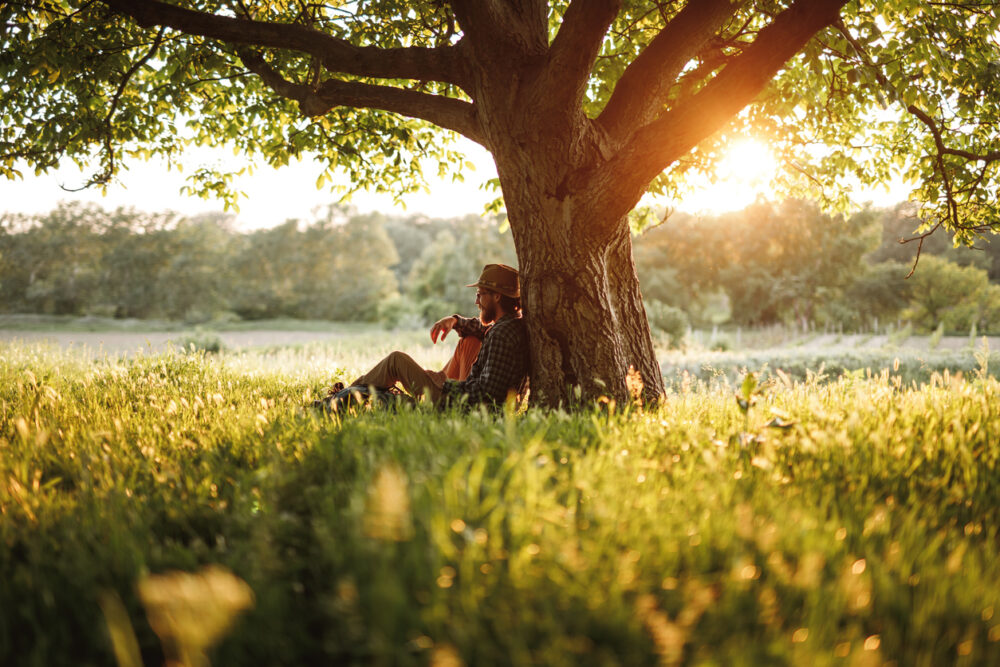
The sensory experience of nature triggers a relaxation response in the brain, calming the amygdala, the region responsible for processing fear. This results in immediate relief from nervous tension.
Unlike pharmaceutical treatments for anxiety, nature provides a free, accessible, and side-effect-free solution. Studies comparing urban dwellers to those in greener areas have found significantly lower rates of anxiety-related disorders among those with access to outdoor spaces. Even looking at images of forests, oceans, or mountains has been shown to ease stress, reinforcing the brain’s deep-rooted connection to the natural world.
6. Memory retention gets a noticeable boost.

Time spent in open-air environments enhances working memory, the brain’s ability to temporarily store and manipulate information. One study found that a walk in a park improved memory performance by nearly 20% compared to an urban stroll.
This effect is particularly important for students, professionals, and anyone who relies on cognitive sharpness in daily life. This cognitive improvement is linked to reduced mental fatigue. Unlike cityscapes, which bombard the senses with distractions, green spaces create a calming atmosphere that allows memory and learning processes to function more efficiently.
7. Meaningful social connections grow stronger.

Outdoor activities naturally promote social interaction. Whether hiking, playing sports, or simply meeting in a park, being outside fosters deeper connections, strengthening relationships and reducing loneliness.
Outdoor experiences tend to be less structured, allowing for more spontaneous and meaningful interactions. Research suggests that shared experiences in natural environments lead to higher oxytocin levels, the hormone responsible for trust and social bonding. In a world where digital interactions often replace in-person connection, outdoor spaces provide a much-needed space for authentic social engagement.
8. Sleep cycles regulate more effectively.

Exposure to natural light during the day helps synchronize the body’s circadian rhythm, the internal clock that governs sleep-wake cycles. Sunlight triggers serotonin production, which later converts into melatonin, the hormone responsible for deep, restorative sleep.
Spending time outside, particularly in the morning, reinforces a healthy sleep schedule, reducing difficulty falling asleep and improving sleep quality. Even brief exposure to daylight helps reset the body’s internal clock, making it easier to wake up feeling refreshed.
9. Awe-inspiring landscapes shift perspective.
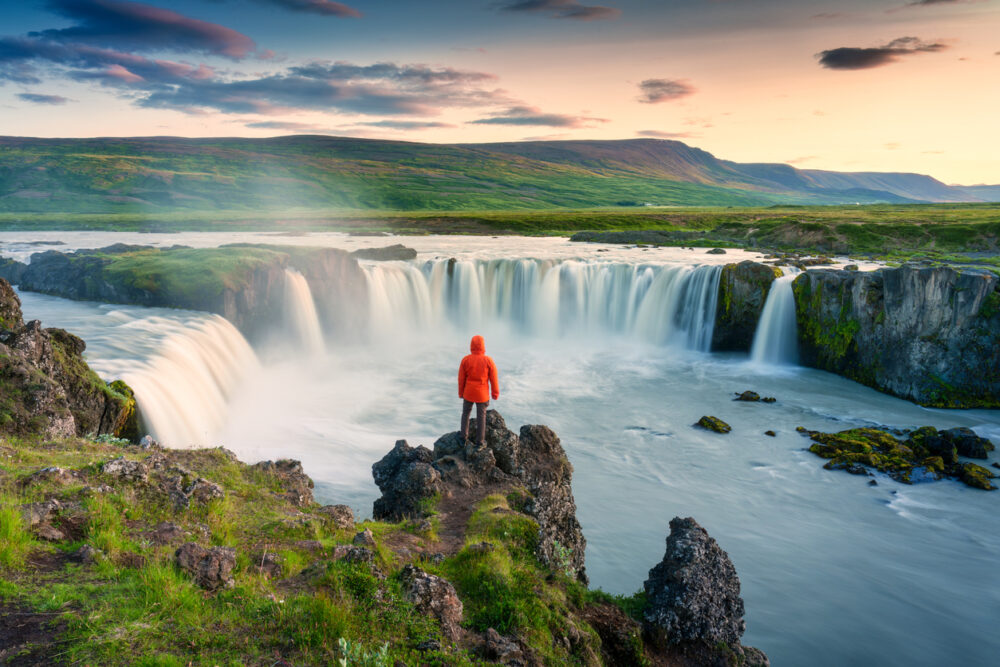
The experience of awe, feeling small in the presence of something vast, is closely tied to time spent in nature. Whether standing beneath towering trees, gazing at a mountain range, or watching waves crash along the shore, these moments create a powerful psychological effect.
Neuroscientists have found that awe decreases self-focused thoughts and quiets the ego, making personal worries feel less overwhelming. This shift reduces stress, enhances well-being, and fosters a deeper connection to the world.
10. Heart health benefits from nature’s influence.

Outdoor environments have a measurable impact on cardiovascular health, slowing heart rate and lowering blood pressure within minutes. These effects stem from a reduction in sympathetic nervous system activity, which regulates the body’s fight-or-flight response.
Research on forest bathing, a practice of immersing oneself in wooded areas, has shown that it significantly improves heart rate variability and supports long-term cardiovascular health. Even a short nature break contributes to better circulation and reduced strain on the heart.
11. Emotional resilience grows stronger.

Spending time outdoors strengthens psychological resilience, the ability to cope with challenges and adapt to stress. The combination of movement, fresh air, and sensory engagement provides a mental reset that enhances emotional stability.
Nature also promotes mindfulness by encouraging awareness of the present moment. Tuning into the sensation of the breeze, the warmth of sunlight, or the sound of leaves crunching underfoot helps ground the mind, making it easier to manage difficult emotions.
12. Digital burnout becomes less overwhelming.

Excessive screen time drains mental energy, leading to irritability, fatigue, and reduced attention span. Constant exposure to notifications, social media, and work-related tasks overstimulates the brain, making it difficult to unwind. The nonstop influx of digital information leaves little room for reflection or mental restoration.
Being in natural surroundings encourages mind-wandering, a state linked to creative problem-solving and emotional regulation. Unstructured time outdoors helps the brain recalibrate, making it easier to return to daily responsibilities with renewed clarity.
13. A sense of meaning deepens.

Many individuals report a stronger connection to their values and priorities after spending time outdoors. Nature provides a sense of perspective, reminding people of their place within the larger ecosystem and fostering a greater appreciation for life. The vastness of natural landscapes has a humbling effect, shifting focus away from minor stresses and toward a broader understanding of existence.
Ecopsychology research suggests that regular engagement with the natural world alleviates existential anxiety, promoting a sense of purpose and fulfillment. Whether it’s the peacefulness of a forest or the vastness of a starry night sky, nature offers moments of reflection that reinforce what truly matters.