
How one village ditched grocery stores, reduced food costs by 80%, and created a sustainable farming revolution.

Imagine never worrying about rising grocery prices, empty shelves, or whether your food is fresh and healthy. In a small village nestled in the mountains of northern Spain, this isn’t a fantasy—it’s daily life. The 300 residents of Marinaleda have created something extraordinary: a completely self-sufficient food system where every meal comes from their own soil.
Through innovative community farming, cooperative gardens, and neighbor-to-neighbor sharing, they’ve eliminated food insecurity while building stronger social bonds. Their remarkable transformation offers a glimpse into how communities everywhere might reimagine their relationship with food.
1. This Spanish village hasn’t bought groceries from outside sources in over 15 years.
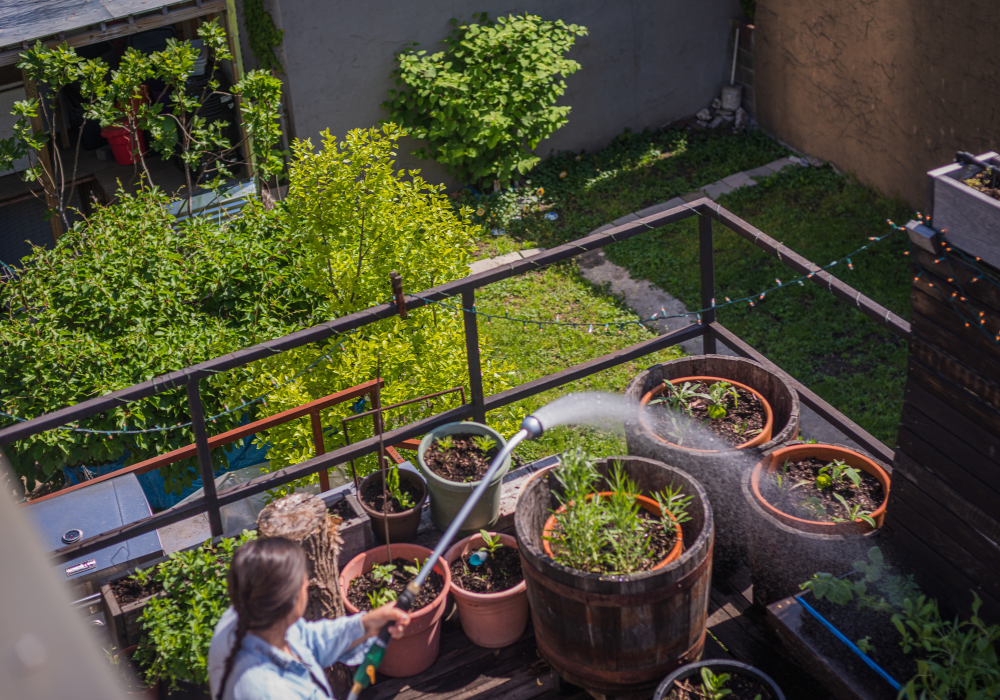
The residents of Marinaleda made a bold decision in 2008 to become completely food independent. They converted every available plot of land into productive growing space, from rooftop gardens to former parking lots.
Today, the village produces 100% of its vegetables, fruits, grains, dairy, and meat through coordinated community effort. Families save thousands of euros annually while enjoying fresher, more nutritious meals than anything available in supermarkets.
2. Every household contributes four hours of farming work per week to feed the entire community.
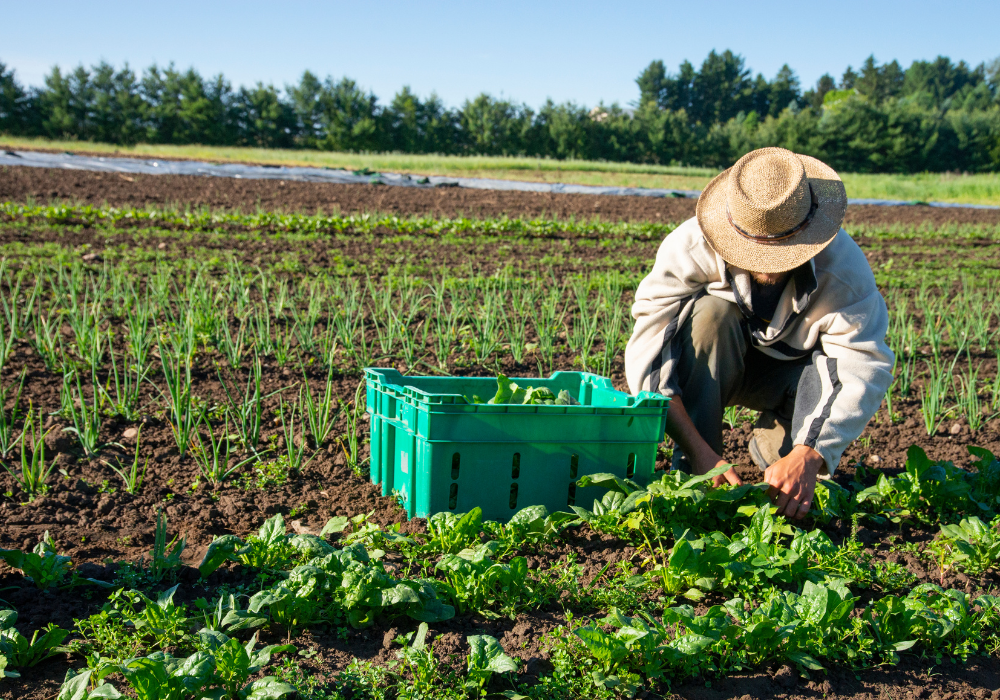
Rather than individual gardens, Marinaleda operates on a cooperative model where everyone pitches in. Families are assigned rotating schedules for planting, weeding, harvesting, and food processing based on their skills and availability.
Children learn farming alongside adults, creating a knowledge transfer system that ensures the community’s food security for generations. This shared responsibility means no single family bears the burden of feeding themselves.
3. The village grows over 40 different crops using ancient rotation techniques that restore soil health.
Community planners studied traditional Spanish farming methods and combined them with modern sustainable practices. They rotate nitrogen-fixing legumes with heavy-feeding vegetables, use companion planting to control pests naturally, and maintain seed banks of heritage varieties.
This approach has actually improved the land’s fertility over time while producing abundant harvests. The diverse crop rotation also ensures the community enjoys varied, seasonal meals year-round.
4. Food waste dropped to nearly zero when neighbors started sharing surplus harvests directly.
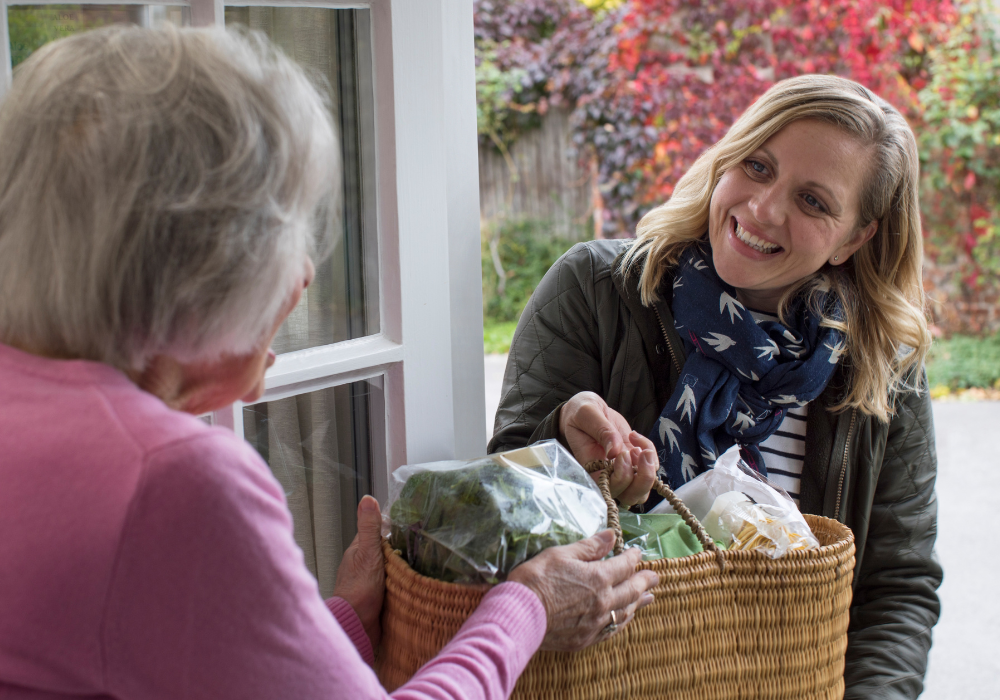
Instead of letting excess produce spoil, Marinaleda created a sophisticated sharing network through a community app and physical bulletin boards. When one family’s tomato plants produce more than they can use, they post the surplus for others to collect.
This system ensures nothing goes to waste while strengthening social connections. Families report feeling more connected to their neighbors and more grateful for their food than ever before.
5. Children in the village score higher on nutrition and academic tests than peers in surrounding towns.

The constant access to fresh, nutrient-dense food has measurable effects on child development. Local schools report improved attention spans, better behavior, and higher test scores since the food independence project began.
Children also show greater environmental awareness and life skills from participating in farming activities. Pediatricians note lower rates of childhood obesity and fewer diet-related health issues compared to children in conventional communities.
6. The village’s food system proved resilient during COVID-19 lockdowns when supply chains collapsed.
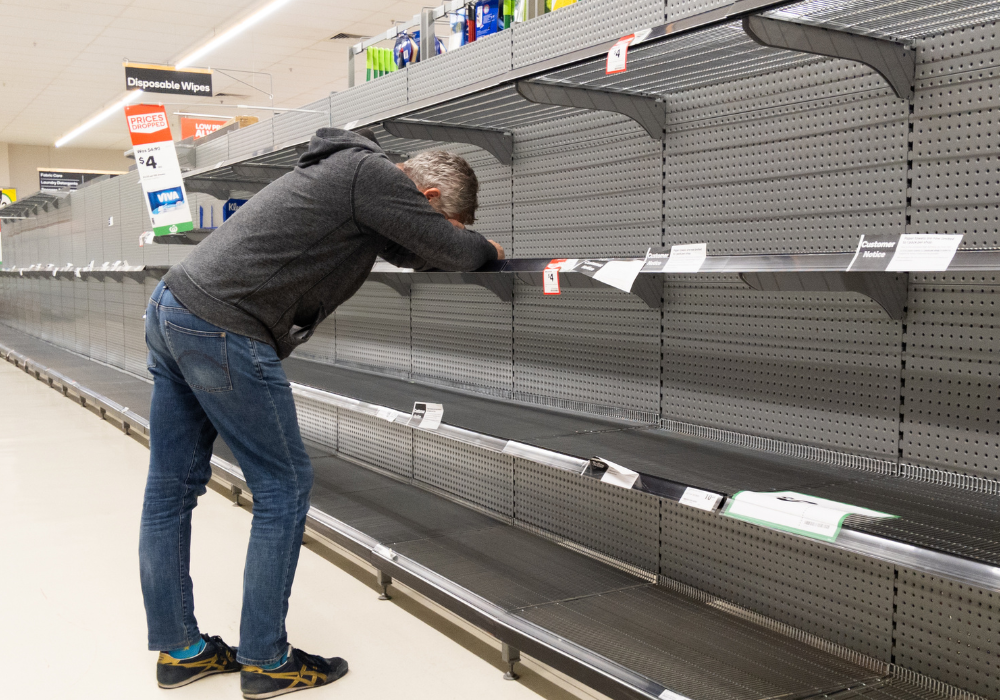
While surrounding communities faced empty grocery shelves and food shortages during the pandemic, Marinaleda continued eating well from their own production. The crisis validated their decision to prioritize local food security over convenience.
Their success attracted attention from government officials and urban planners studying community resilience strategies. The experience strengthened residents’ commitment to maintaining their food independence regardless of outside economic disruptions.
7. Community kitchens and preservation facilities allow families to process and store food together efficiently.
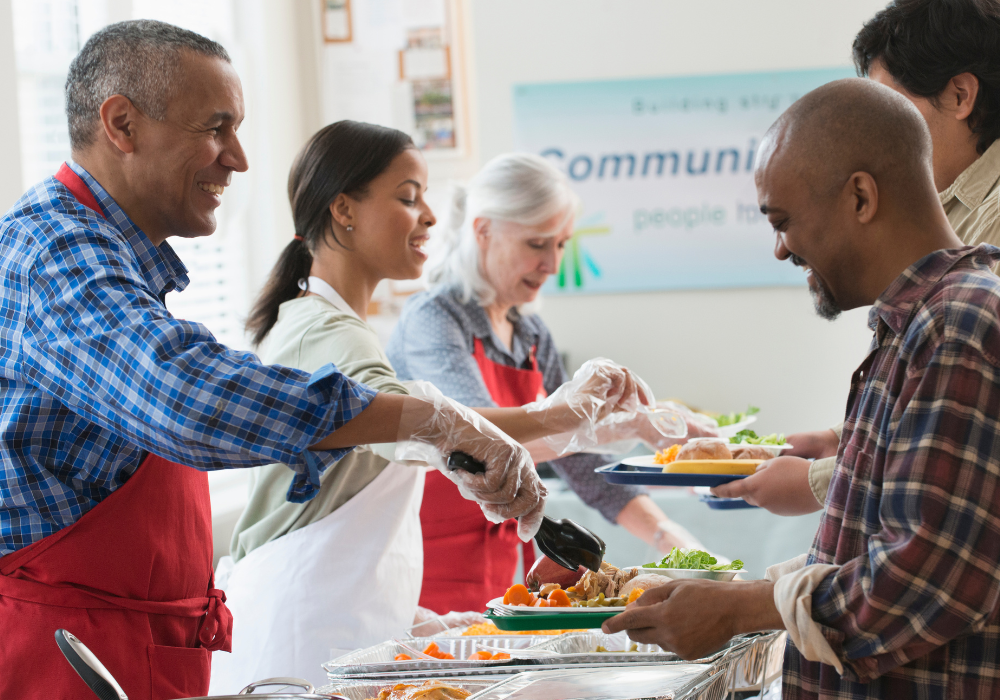
Rather than each household investing in expensive canning equipment or large freezers, the village built shared facilities that everyone can use. Community members schedule time to make preserves, cure meats, dry vegetables, and freeze seasonal surpluses together.
This cooperative approach reduces individual costs while creating opportunities for neighbors to share recipes and techniques. The social aspect of food processing has become one of residents’ favorite community activities.
8. Local restaurants and a weekly farmers market generate income while keeping food dollars in the village.
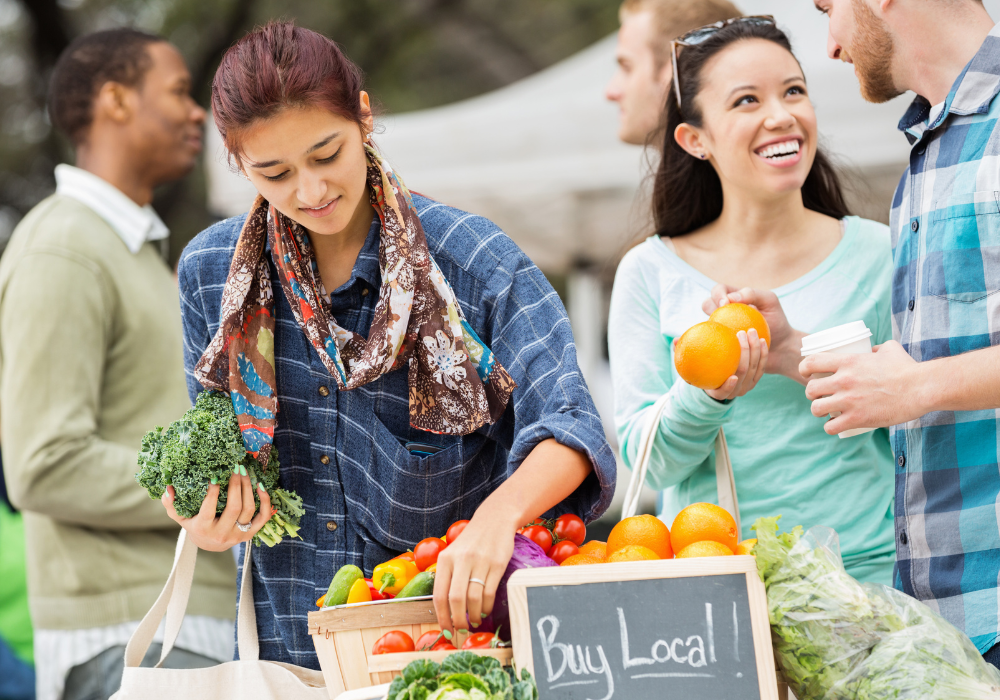
Marinaleda doesn’t just feed itself—it has created a small food economy that attracts visitors and generates revenue. Three farm-to-table restaurants showcase their produce to tourists interested in sustainable living.
The weekly farmers market sells surplus harvests to neighboring towns, bringing outside money into the local economy. These enterprises employ dozens of residents while demonstrating that food independence can be economically viable, not just environmentally beneficial.
9. The village eliminated food-related debt and medical costs dropped by 30% due to improved nutrition.

Before achieving food independence, many families spent 40% or more of their income on groceries and struggled with food-related debt. Now that money stays in their pockets or gets invested in other community improvements.
Local doctors report significant decreases in diabetes, heart disease, and digestive issues since residents began eating primarily fresh, unprocessed foods. The healthcare savings alone justify the community’s investment in sustainable agriculture infrastructure.
10. Water usage decreased by 50% through innovative irrigation and rainwater collection systems.
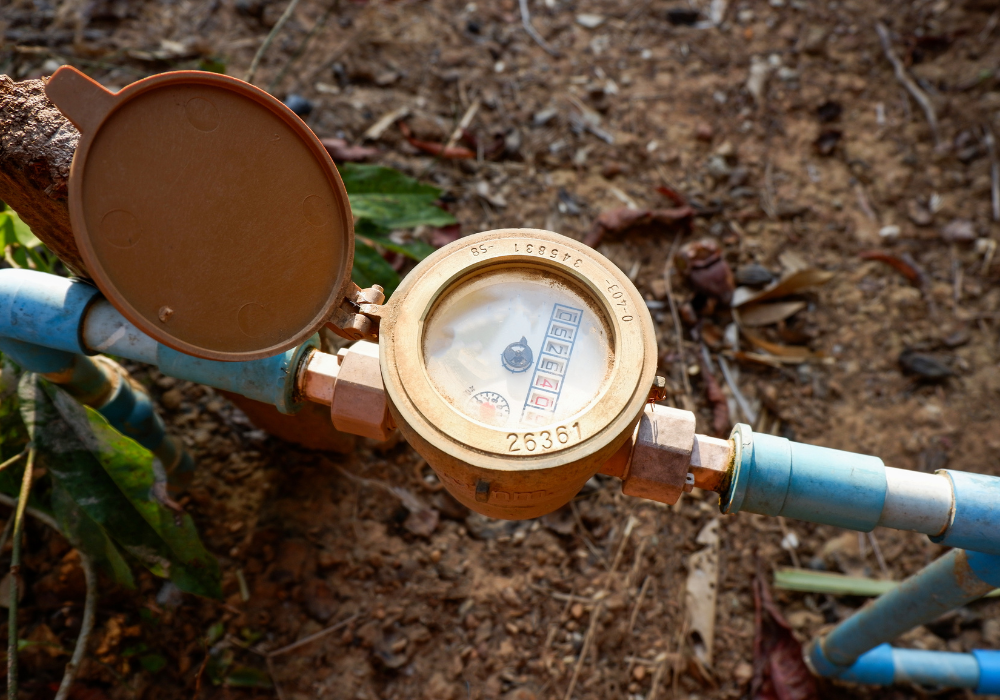
Creating a sustainable food system required rethinking water management entirely. The village installed drip irrigation, rainwater collection barrels, and greywater recycling systems throughout their growing areas.
They also chose drought-resistant crop varieties and planted food forests that require minimal watering once established. These water-saving techniques ensure the community can maintain food production even during dry seasons while reducing utility costs.
11. Urban planners from 12 countries have visited to study the village’s replicable food independence model.
Marinaleda’s success has attracted international attention from city officials seeking solutions to food insecurity and community resilience challenges. Delegations from cities in Germany, France, Japan, and the United States have studied their cooperative farming methods, governance structures, and economic models.
Several communities have already begun implementing similar projects adapted to their local climates and cultures. The village has become a living laboratory proving that food independence is achievable for communities willing to work together.Retry