
One night outside can quietly shift how your body sleeps, and you may not notice it happening.
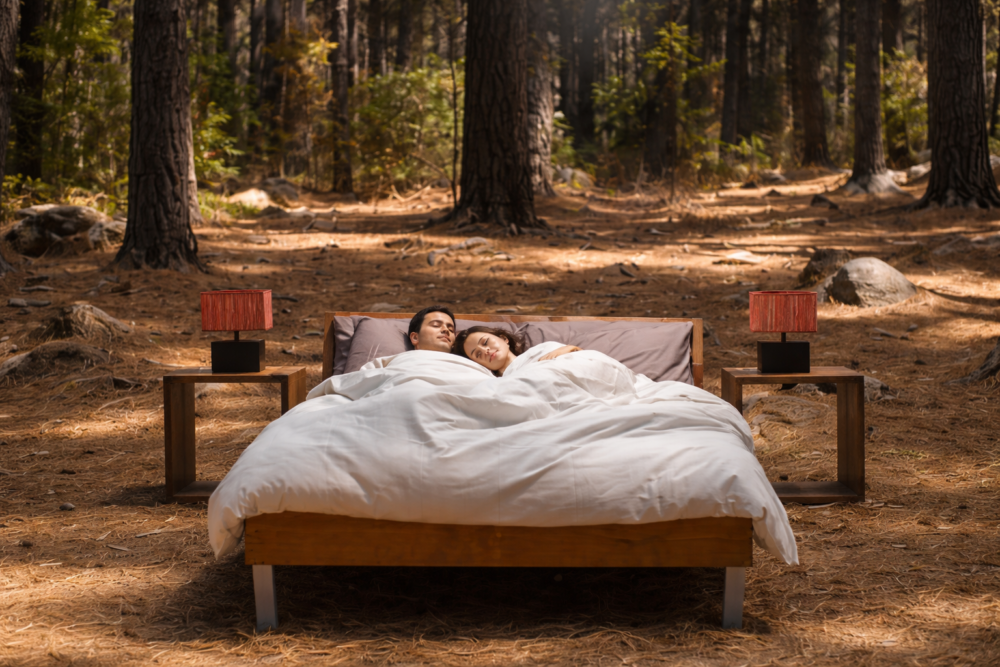
Sleeping outside sounds like a novelty, something reserved for camping trips or childhood memories. But scientists who study sleep and circadian rhythms have found that even short exposure to natural light and temperature cycles can noticeably change how the body sleeps.
Research led by sleep scientist Kenneth Wright at the University of Colorado Boulder has shown that time outdoors can shift melatonin timing and improve alignment between the body clock and the natural day–night cycle.
That matters right now because modern indoor life keeps people surrounded by artificial light and controlled temperatures, both of which disrupt sleep.
Click through to learn what happens when you sleep outside and what science suggests the body may be responding to.
1. Modern sleep is shaped by artificial light
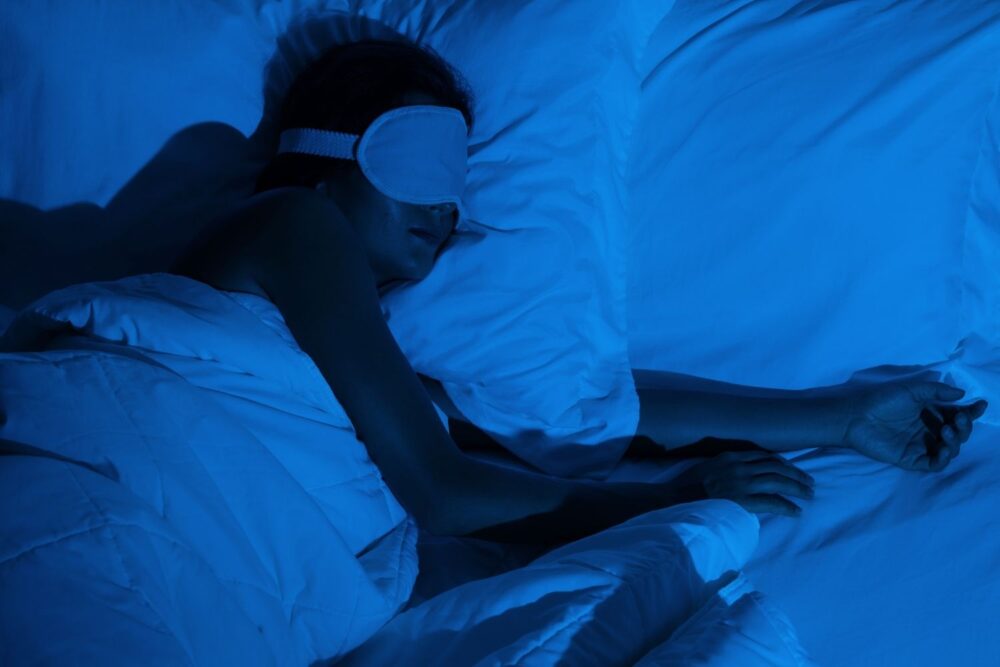
Most people fall asleep surrounded by artificial lighting, glowing screens, and climate-controlled rooms. These conditions extend daylight cues far beyond sunset. Artificial light, especially in the evening, delays melatonin release and shifts the body clock later.
Sleeping outside removes many of those signals at once. Darkness arrives naturally, and the body receives clearer cues about when night has begun. This change alone can alter how quickly people fall asleep and when they wake up.
Follow us and access great exclusive content every day
2. Natural light resets circadian timing
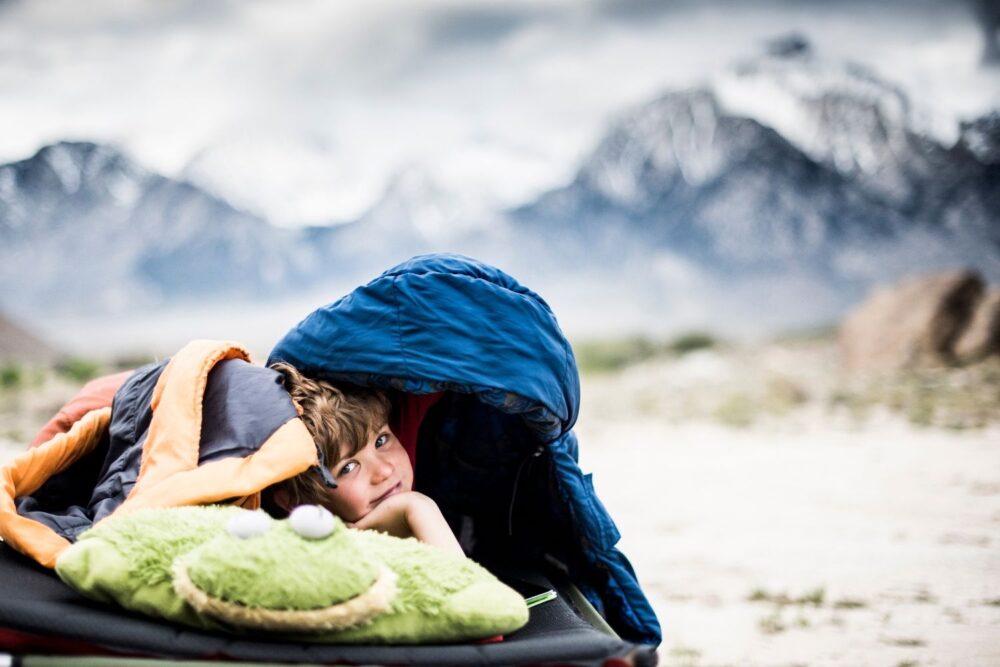
Sunlight is the strongest signal for setting the body’s internal clock. Morning light anchors wake time, while fading evening light prepares the body for rest.
Studies show that exposure to natural light throughout the day leads to earlier melatonin release at night. Sleeping outside increases this exposure dramatically. Without indoor lighting to blur the transition, the brain receives a clearer message about when sleep should begin and end.
3. Temperature drops support deeper sleep
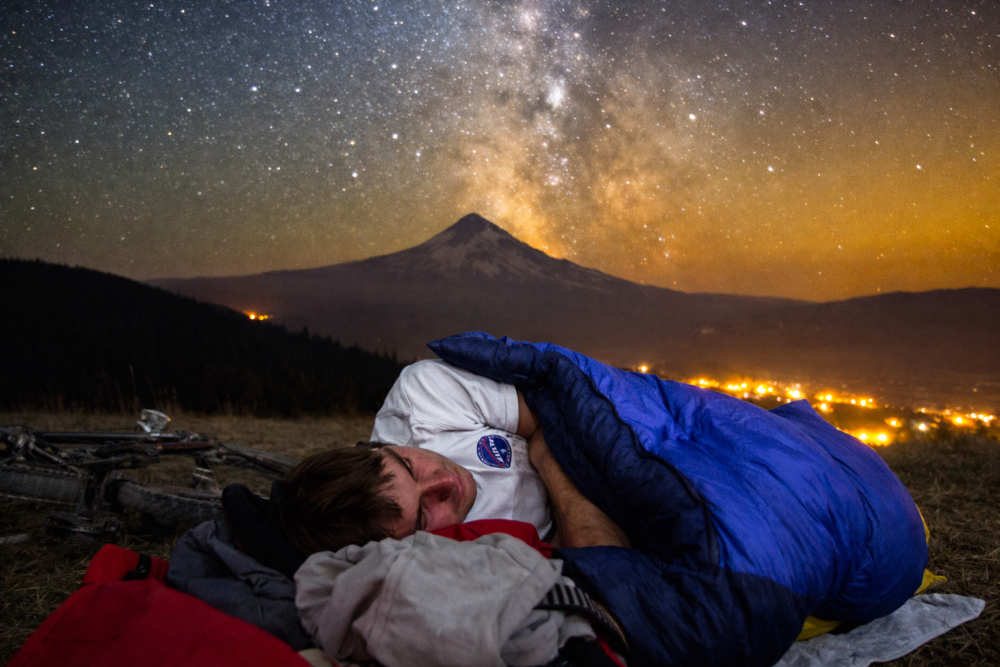
Human sleep evolved alongside natural temperature changes. Nights cool down, and the body follows by lowering core temperature.
Outdoor sleeping exposes the body to these gradual shifts. Cooler nighttime temperatures can make it easier to fall asleep and stay asleep. Indoors, constant warmth can interfere with this natural process, especially in overheated bedrooms.
4. Noise outdoors isn’t always disruptive

Outdoor sleep includes unfamiliar sounds like wind, insects, or distant animals. Surprisingly, these don’t always disturb sleep.
Irregular natural sounds are often less disruptive than steady indoor noise, such as traffic or electronics. For some people, outdoor sounds feel less threatening and more predictable, allowing the brain to relax rather than stay alert.
Follow us and access great exclusive content every day
5. Camping studies show measurable sleep changes
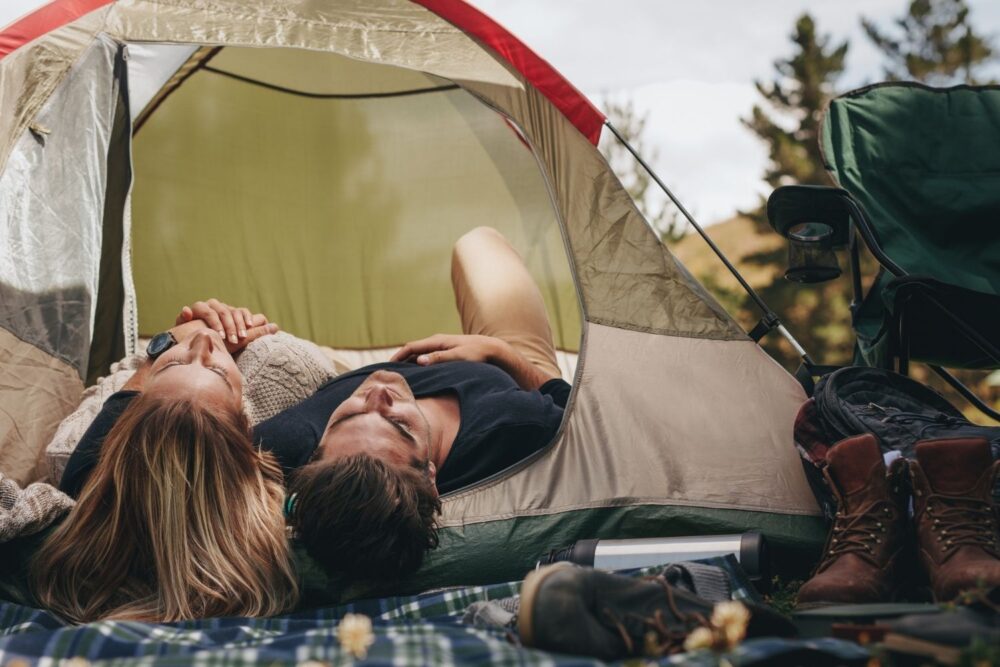
Research involving participants on camping trips has shown consistent shifts in sleep timing. After just a few nights outdoors, people tended to fall asleep earlier and wake earlier.
These changes occurred without participants intentionally adjusting their schedules. The environment itself drove the shift, suggesting the body clock responds quickly when natural cues replace artificial ones.
6. One night outside can still influence the body clock
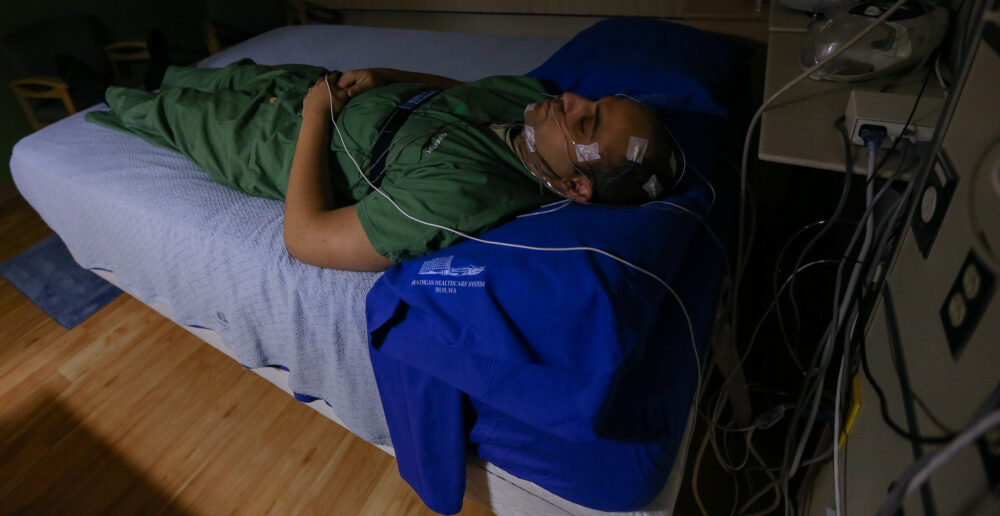
Even a single night of outdoor sleep can affect circadian timing. Studies measuring melatonin levels found that exposure to natural light patterns advanced melatonin onset compared to indoor conditions.
This means the body began preparing for sleep earlier, even without long-term changes. The effect isn’t permanent, but it shows how responsive the circadian system is. The brain constantly recalibrates based on light and temperature cues.
Removing artificial lighting for just one night can give the body a clearer signal about when night truly begins, which may explain why people often report sleeping “better” outdoors.
7. Outdoor sleep reduces screen exposure automatically
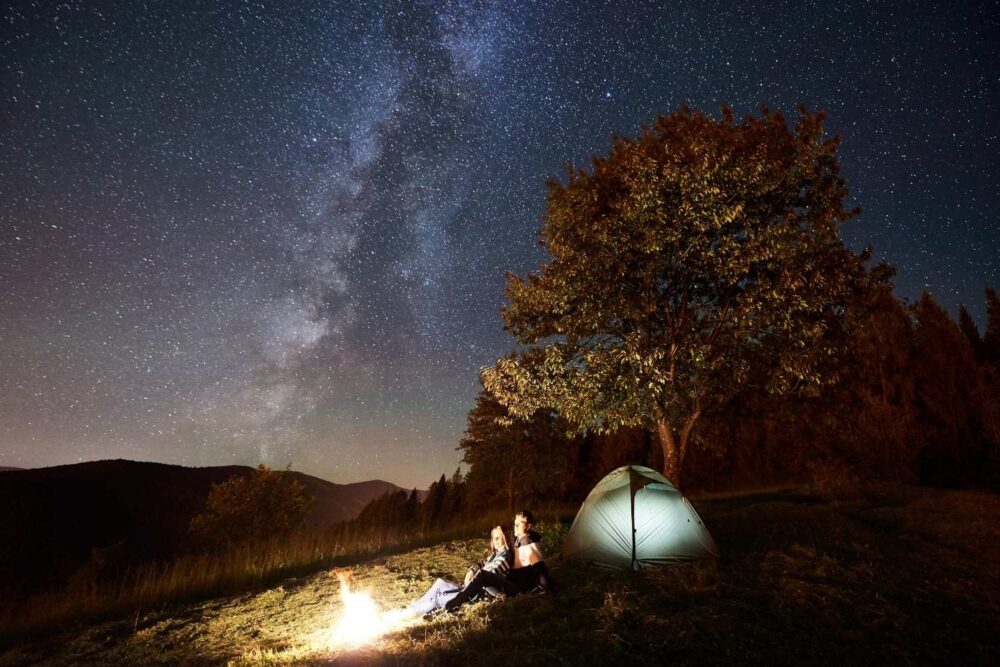
Sleeping outside typically means fewer screens. Phones, televisions, and artificial lighting are harder to use or absent entirely.
This reduction matters because blue light from screens is known to delay sleep. Outdoor sleeping removes the need for willpower. The environment itself limits exposure, allowing natural darkness to do the work.
8. The experience changes how people feel about sleep

Many people report feeling more relaxed and grounded when sleeping outdoors. This isn’t just psychological comfort.
Lower stress levels can support sleep quality by reducing nighttime awakenings. Nature exposure has been linked to reduced cortisol levels, which may help explain why sleep can feel deeper or more restorative.
Follow us and access great exclusive content every day
9. Outdoor sleep isn’t universally better
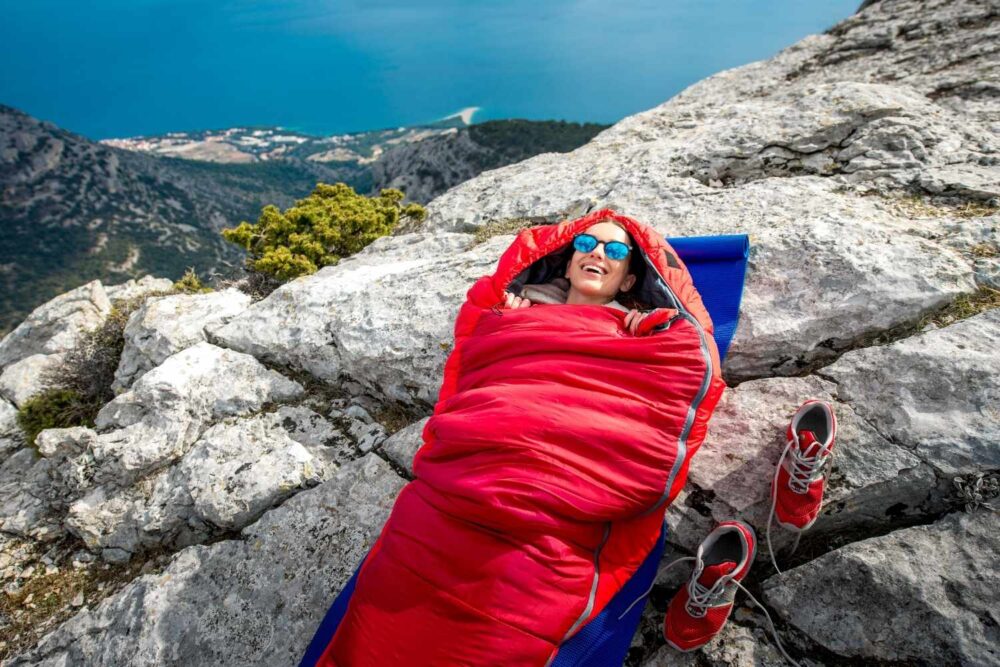
Sleeping outside isn’t ideal for everyone. Weather, allergies, safety concerns, and individual sensitivity to noise can interfere with rest.
Some people may sleep worse outdoors despite circadian benefits. The science suggests outdoor exposure helps biological timing, not that it guarantees perfect sleep for every person.
10. The benefits fade when indoor habits return
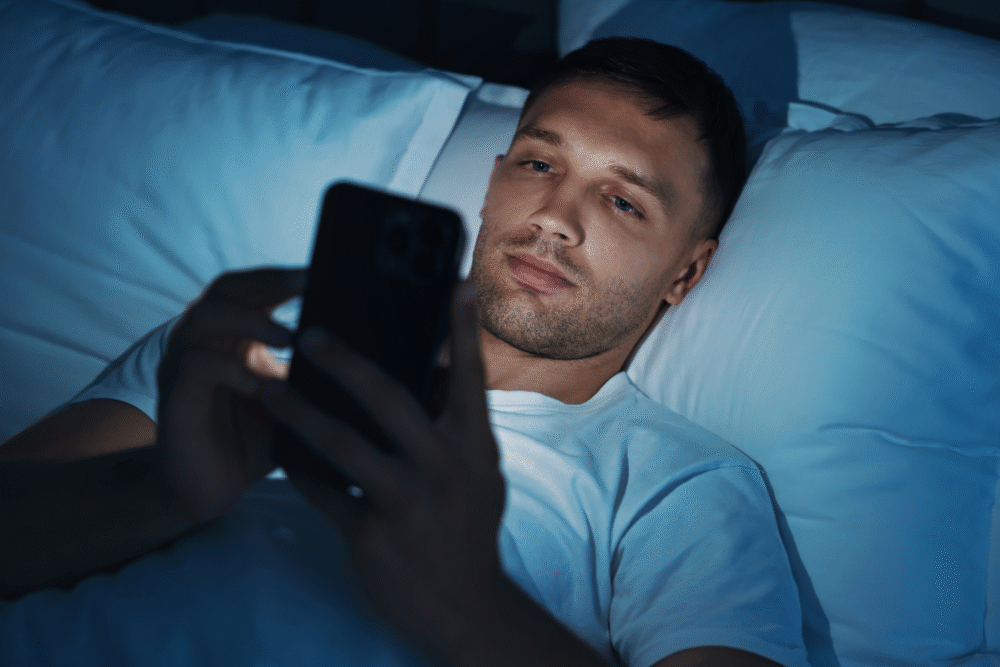
The circadian improvements seen after outdoor sleep don’t last indefinitely. Once people return to artificial lighting and late-night screens, sleep timing often shifts back.
This shows that the environment, not the act of camping itself, drives the effect. Consistent exposure matters more than novelty.
11. Outdoor sleep reveals what modern life disrupts
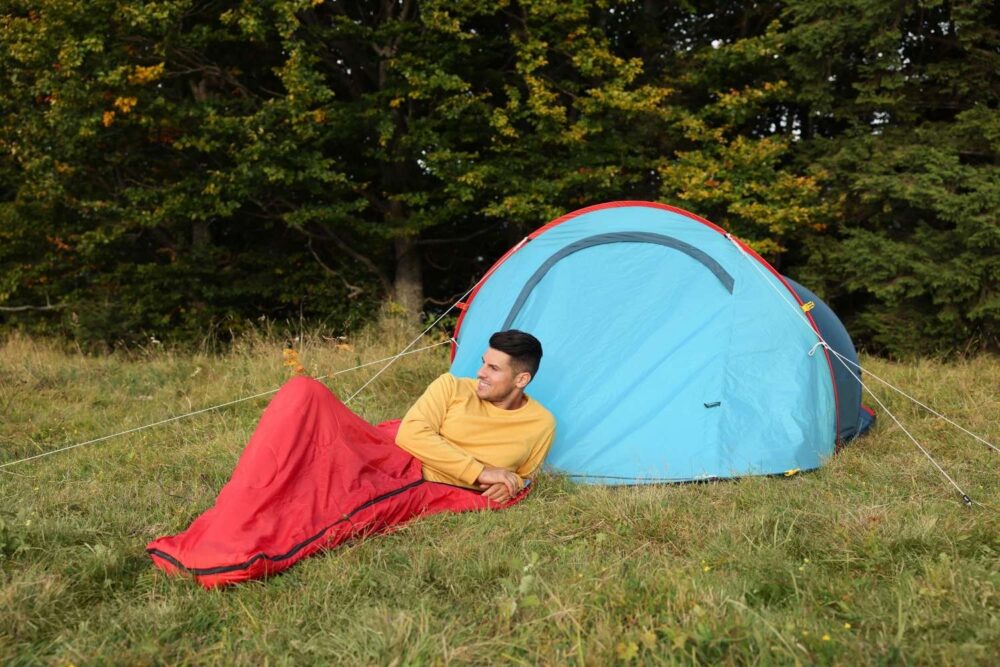
Sleeping outside highlights how much modern environments reshape sleep. It removes artificial cues and restores signals the body evolved to follow.
The takeaway isn’t that everyone should sleep outdoors. It’s that light, temperature, and timing matter more than most people realize. Even brief exposure to natural conditions reveals how flexible — and fragile — the human sleep system can be.